How to Adopt a Stray Cat: Dos and Don’ts
In this article
Adopting a stray cat can happen intentionally, or one might just happen to cross your path. Either way, bringing a stray cat into your home will not be the easiest transition for either of you. But once everyone settles in, you will be rewarded with a devoted and loving companion. Many cat parents will say that adopting a stray is one of the best things that they ever did!
Since the beginning of the journey can be challenging, we have tips that should help this new relationship go more smoothly.

What’s the Difference Between Feral and Stray Cats?
It’s common to confuse feral and stray cats, but they are not the same.
Stray Cats
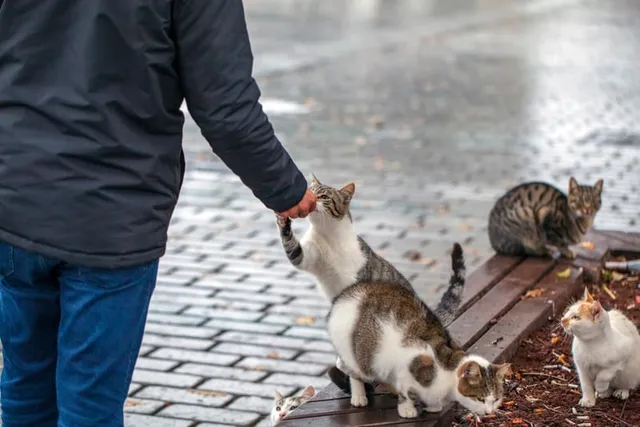
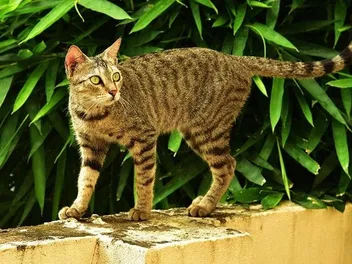
Stray cats tend to be cats that were owned by humans but got lost or were abandoned. These cats were domesticated at some point in their lives, so they tend to be more comfortable around people.
Some stray cats might be skittish around humans, but this depends on how long they have been strays or if they were abused or neglected while pets. Many stray cats are also likely to approach people for attention and food, and they have a good chance of becoming house cats again.

Feral Cats
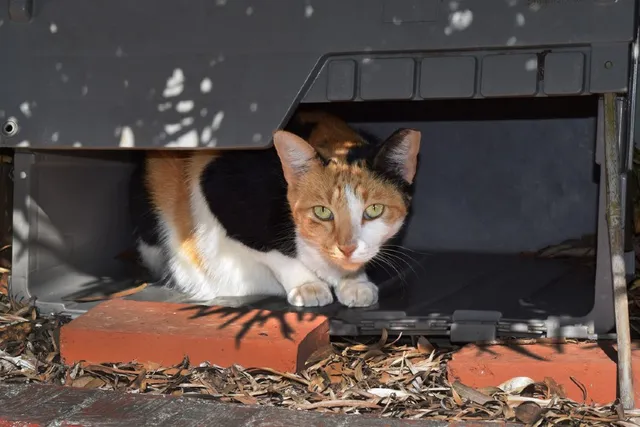
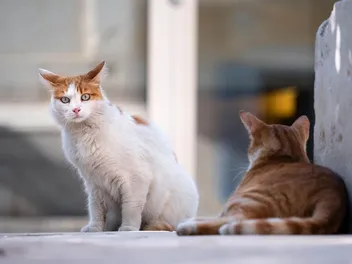
Feral cats have never been owned or taken care of by humans. They were born on the streets or in the wild and avoid human contact as much as possible. But since all cats have unique personalities, the occasional feral cat might make their way into someone's home.
Many of these cats aren’t cuddly but become accustomed to living with humans. However, a stray cat is usually the better option.
Dos and Don’ts of Adopting a Stray Cat
1. Do Be Responsible When Adopting the Cat
From Off the Street
If a cat has been coming around your house and seems approachable, you first need to figure out if they belong to someone. See if the tip of one of the cat’s ears is missing, as this is what many rescue organizations do as a part of a catch-and-release program. They catch as many cats as possible, spay and neuter them, and use ear tipping to let other groups know that the cat has been fixed upon release. But this doesn’t necessarily mean the cat isn’t someone else’s pet. Look for a collar, and try posting information about the cat around the neighborhood and on social media.
Finally, take the cat to a veterinarian, as they can check to see if the cat is microchipped. If not, the vet can also assess the cat for any medical issues and get them vaccinated and fixed if necessary.
From a Shelter
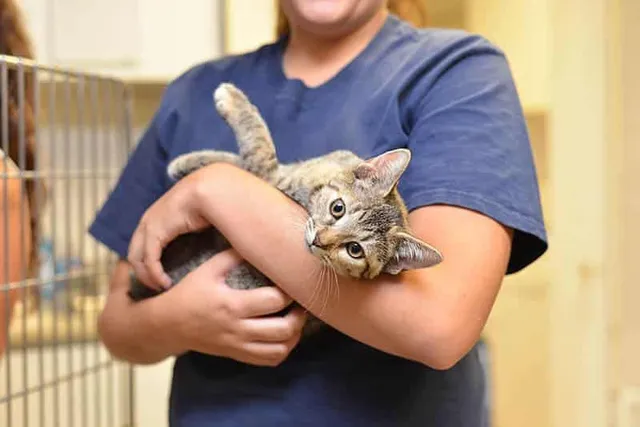
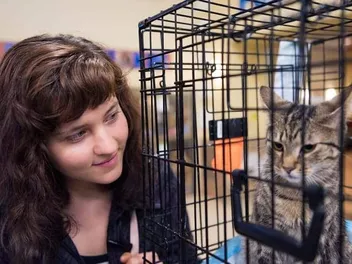
This is the most common method for adopting a stray cat and is definitely one of the easier ways. These cats will have been spayed or neutered and have had any medical issues treated. They are also usually placed in foster homes, which helps them adapt to living inside before finding their forever homes.
Adopters will have more information about their new cats, such as if they do well with dogs or other cats and any potential triggers that they might have.

2. Don’t Forget to Stock Up on Supplies
Before you bring home a new cat, you must ensure that you have the supplies necessary to care for them. These include:
- Litter Box: This must be large enough for the cat to turn around comfortably. Don’t opt for a covered or automatic litter box at this early stage, both of which might be frightening for a stray cat. They need to feel that they have multiple exits.
- Litter Mat and Scoop: The mat isn’t necessary, though it can help keep the litter scatter to a minimum. However, the scoop is required if you’re using clumping litter.
- Cat Litter: Aim for unscented and as close to a sandy texture as possible.
- Food Bowls: You might want two bowls—one for dry food and the other for wet. You’ll need to figure out your cat’s eating habits, though.
- Food: You should feed your cat whatever they were eating at the rescue or foster home. A sudden change in food can lead to digestive problems. If you want to switch them to new food, it should be done gradually over a few weeks.
- Treats: Treats are a vital part of cat ownership, particularly when you’re getting to know a new cat.
- Water Bowl/Fountain: Your cat will need constant access to clean water. Cat water fountains are ideal for encouraging your pet to drink more water.
- Scratching Posts: All cats need a place to scratch so your furniture won’t be on the receiving end!
- Cat Tree: Cats love being up high because it makes them feel safe. Cat trees give them places to play, scratch, and sleep.
- Cat Bed: This should be a nice, soft, and cozy bed for your cat to sleep on.
- Grooming Supplies: You’ll need a brush and/or comb for your cat’s specific coat type. You’ll also need cat nail trimmers and a cat toothbrush with cat-safe toothpaste.
- Cat Carrier: This is necessary for vet visits and if you plan on doing any traveling with your cat.
- Toys: These include catnip toys, crinkle balls, feather wands, and fishing line toys. They need some toys that they can play with independently and others that you will need to handle to play with them.
3. Do Visit the Veterinarian
Even if your cat came with a clean bill of health, you should bring them to your veterinarian for a health check. This is essential if you own other pets. While you’re there, you should have them microchipped so they can be returned to you in case they go on a long excursion.
If you found your cat and are adopting them, the veterinary visit is vital! They will need to be vaccinated and checked for any health issues.
If you have other cats, keep the stray cat isolated from them in case they are carrying any infectious diseases or internal or external parasites. The cats will all need a slow introduction, anyway.

4. Do Keep Your New Cat Separated From Your Other Pets
(If you don’t have any other pets, you can disregard this section.)
You’ll need to isolate your new cat in a room set up for them in advance. Cats like small, enclosed spaces, so don’t worry about leaving them in a tiny room. Just ensure that they have their litter box, food, water, a scratching post, a bed, and toys.
Leave your cat alone, and don't force any interactions, particularly if they seem nervous in your presence. Allow your other cats to smell your new cat under the door. This way, they will get to know each other by scent.
5. Don’t Force Any Interactions
When you bring treats or food to your cat or just want to check on how they are doing, you shouldn’t force any interactions.
Plenty of patience is essential for this process to work! If your new cat approaches you and demands attention and pets, you don’t need to worry too much about being overly patient. But if they are shying away and hiding when you’re there, just sit on the floor and try speaking to your cat. Read a book or anything else out loud.
They will get to know your scent and voice and see that you’re not threatening. Allow your cat to approach you in their own time. This is where treats can come in handy. If they seem reluctant to leave their hiding spot (if they’re hiding), place a few treats close by. This might help entice them out.
If they start to approach you, don’t attempt to touch them until they start rubbing against you. This is cat code that you belong to them.
For some stray cats, this might be a long process. But as long as you remember to be patient and always let your cat approach you first, you’ll earn their trust before you know it!

6. Do Slowly Introduce Your Pets
(If you don’t have other pets, don’t worry about this section.)
Now that your cat seems more comfortable in their surroundings and with you, you’ll need to start letting them explore the rest of the house and meet the pets. Each meeting should be brief—no more than a few minutes at a time. You can allow your pets to see each other through a glass door. Or you can place your resident cat in a carrier and allow the new cat to wander around the home, and then switch them around.
You can also try placing your pet’s food on either side of a door, with your new cat eating on one side and your resident cat(s) on the other. Eating safely near each other can help them get used to each other. They might not become the best of friends, but if done right, these steps should make the introductions easier.
7. Don’t Have Any Expectations
Even if you currently have or once had other pets, you shouldn’t have any expectations when adopting a stray cat. They might get along really well with your current pets, or they might not. They might become the most loving and affectionate lap cat or only show you love by allowing you to give them cheek scritches.
Expect the unexpected!
Conclusion
Adopting a stray cat is worth all the uncertainty and time that it takes to have this once-homeless cat as a part of your life. Just be sure to prepare for their arrival, set up a room for them, and give them as much time as possible to adjust to you and their new surroundings.
With plenty of patience and tasty food and treats, you might just find your stray cat cuddling up to you before you know it!
Related read: 190 Stray Cat Names
Featured Image Credit: Masarik, Shutterstock
Expert cat care, straight to your inbox
News, insights, and useful advice, delivered to you.

No spam — unsubscribe anytime.
By signing up, you agree to our Terms & Conditions and Privacy & Cookies Policy.
How useful was this post?
Click a star to rate. You can leave written feedback afterwards. (We read all feedback.)

Kathryn was a librarian in a previous lifetime and is currently a pet writer. When she was a child, she hoped to work in ZOOs or with wildlife in some way, thanks to her all-consuming love for animals. Sadly, she's not strong in the sciences, so she fills her days with researching and writing about all kinds of animals and spends time playing with her adorable but very naughty tabby cat, Bella. Kathryn is hoping to add to her family in the near future – maybe another cat and a dog.