Can Cats Drink Lactose-Free Milk? Vet-Verified Nutrition Facts


In this article
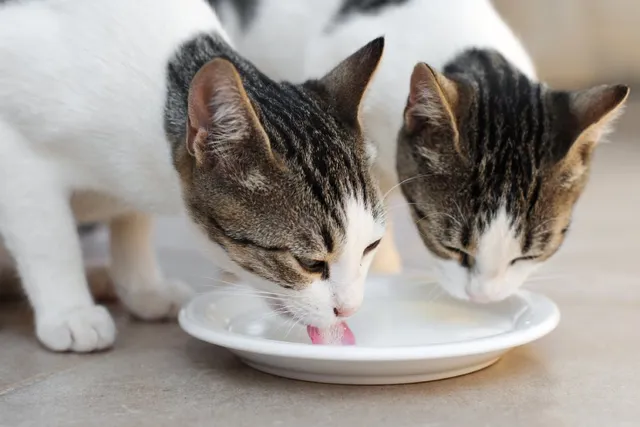
The image of the happy cat lapping up milk is an old cliché. While many feline parents assume that their kitties would enjoy a bowl of milk now and then, the surprising truth is that dairy products from cows could be hazardous to their health. Most cats can’t even digest dairy.
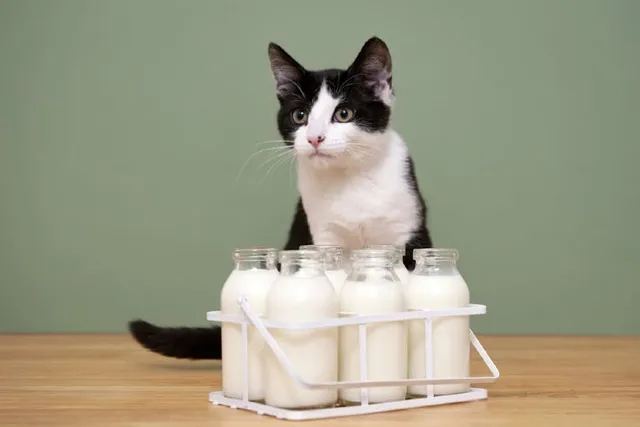
But can cats drink lactose-free milk? Is it good for them? The simple answer is yes. You can give your feline lactose-free milk but you shouldn’t regularly serve it. You can find it at many pet and grocery stores. However, the longer answer is more complicated. In this article, we’ll discuss everything you need to know about cats and milk.

Can Cats Have Lactose-Free Milk?
Cats are true carnivores, relying on meat to meet all their nutritional needs. Milk, whether lactose-free or not, doesn’t fit that profile. Even when the lactose is removed, the drink still contains sugars and fats that can add unnecessary calories, which is a concern for indoor cats that tend to be less active. More importantly, it doesn’t supply any of the nutrients cats truly require, such as taurine or high-quality animal protein. Some cats may even react to the milk proteins or added ingredients, leading to mild digestive troubles. Over time, offering milk too often can also encourage fussy eating habits if a cat starts preferring it to their regular meals. So while letting your cat lick a spoon or two of lactose-free milk once in a while isn’t harmful, it’s not a healthy addition to their diet, and plain, fresh water remains the best and safest choice.
Why is Milk Bad for My Cat?
Like some people, many cats are lactose intolerant, and their bodies lack the proper enzymes needed to digest lactose. Lactose is a sugar in dairy products that requires the action of a specific enzyme called lactase to be broken down to be properly digested. Most adult cats lack the enzyme, and lactose sugar will sit in your cat’s stomach rather than being digested.
Undigested lactose gets fermented by the cat's intestinal bacteria, which causes stomach trouble, including bloating, pain, vomiting, and diarrhea. While not all cats are lactose intolerant, most of them are. That is why it’s crucial to avoid feeding dairy products such as cheese and milk.

Can Kittens Drink Milk?
Kittens can safely digest milk until they have been weaned. When they are around 8 weeks old, they’ll lose the enzymes needed to process lactose. But even as babies, dairy isn’t the best option for a kitten. That is especially true if you’re bottle-feeding a kitten that has not been weaned.
Instead, purchase a specialized kitten formula. It has the adequate balance of nutrients and vital vitamins your kitten needs.
Why Are Cats Attracted to Milk?
Cat enjoys milk because of its high fat and protein content. Still, that doesn’t mean that the milk is good for them.
Other Types of Milk
While lactose-free milk is safe for your cat to consume, other milk products, such as almond milk and soy milk, can harm your pet. A cat’s sensitive digestive system does not have the proper carbohydrate-metabolizing enzymes to effectively break down and digest the plant-based proteins found in soy. Thus, your kitty won’t be able to tolerate soy milk.
Similarly, almond milk could be dangerous for your cat. While it’s not considered toxic, the high fat and oil content can cause gastrointestinal problems such as vomiting and diarrhea. Additionally, almonds can cause pancreatitis in cats. Coconut milk will have the same impact that almond milk has.
Goat milk, while similar to cow milk, has a slightly lower lactose level. Some studies have concluded that it is also more digestible than cow milk. However, avoid giving your cat goat milk if they are lactose intolerant.

Final Thought
While we may think milk is a good treat and even a good source of nutrients for our cats, it is unhealthy for them. While cats can have lactose-free milk, it doesn’t provide the essential nutrients they need. By feeding your feline friend a proper diet of high-quality cat food and plenty of water, they'll be perfectly healthy, and you can have all the milk to yourself.
Related Reads:
Featured Image Credit: Alena Ozerova, Shutterstock
Expert cat care, straight to your inbox
News, insights, and useful advice, delivered to you.

No spam — unsubscribe anytime.
By signing up, you agree to our Terms & Conditions and Privacy & Cookies Policy.
How useful was this post?
Click a star to rate. You can leave written feedback afterwards. (We read all feedback.)
Christian started writing for a local newspaper as a teenager, and he's been involved in the publishing industry for most of his adult life. Combining his love of writing with a passion for animals, he is currently the Director of Editorial at Pangolia and the Editor-in-Chief at Catster.
Christian lives in the Philippines with his wife, son, and four rescue cats: Trixie, Chloe, Sparky, and Chopper.