Can Cats Drink Coconut Milk? Vet Approved Facts & FAQ


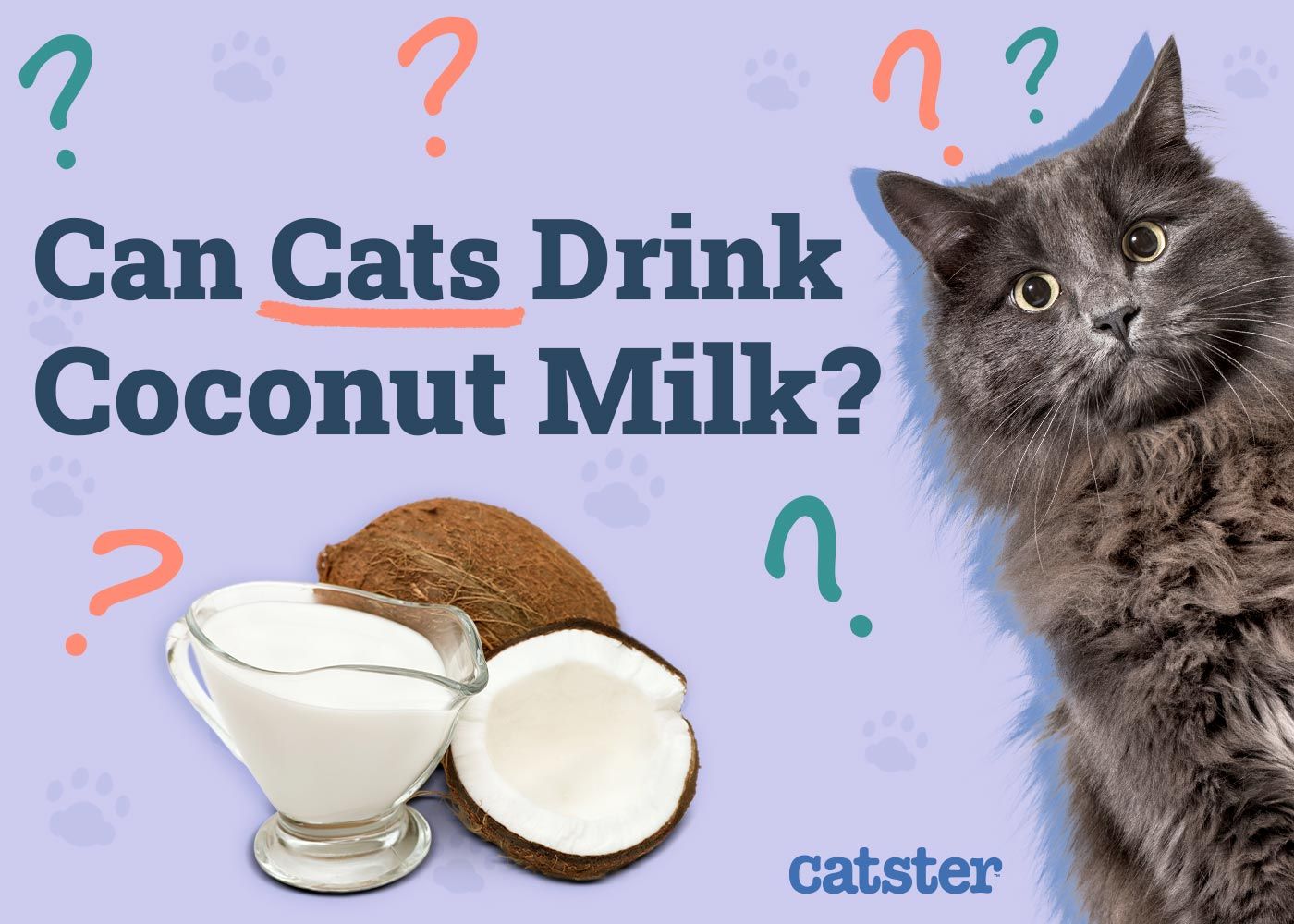
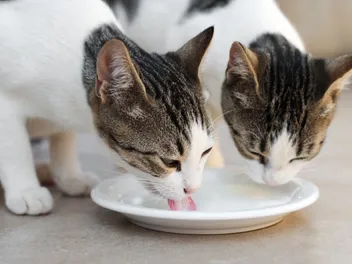
It’s a tale as old as time—a cat’s thirst for milk. But with advancements in feline nutrition, we know that cow’s milk is actually bad for cats. So, in an attempt to give your kitty a cool sip of milk—what are your options? Is coconut milk safe for cats to drink? Coconut milk is non-toxic to cats, but is it healthy?
There are mixed opinions about this. The reality—cats don’t need nor benefit from coconut milk. Let’s get down to the facts so you can understand why cats don’t need coconut or any other milk.

Before changing your cat's diet or introducing new ingredients or supplements that they haven't eaten before, especially when it comes to human food, make sure to consult your veterinarian first. Every cat is different and requires an individual approach to nutrition, depending on their age, health, level of activity, and medical history. The guidelines offered in our article have been fact-checked and approved by a veterinarian but should be used as a mere guide on food safety, rather than an individual nutrition plan.
A Look at Coconut Milk Ingredients
Coconuts seem to be cure-all these days due to their healing properties, health benefits, and nutritional content. But before you give coconut milk to your cat, you’ll want to know all about the risks. Many ingredients will depend on the brand, but most options will be similar.

The two main ingredients in most coconut milk selections are coconuts and sugar. Neither of these ingredients are in a cat’s natural diet.
Coconuts are totally non-toxic to cats, but they shouldn’t be on the menu either. No cat would willingly eat coconut in the wild, and therefore their bodies aren’t designed to break down the plant protein.
Sugar is terrible for cats—and they can’t even enjoy it. Cats lack basic taste receptors that detect sweetness. It simply doesn’t exist in their flavor palette. So, if you ever thought your cat enjoyed kinds of milk for their sugariness, it simply isn’t supported by science.
Can Cats Digest Coconut Milk?
As a cat owner, you may know that cow’s milk isn’t good for your cats—no matter how much they seem to like it. A big problem with cow’s milk is that cats lack the ability to digest it properly. Milk has lactose, and most dogs and cats are lactose intolerant after a certain age.
While coconut milk doesn’t contain lactose since it’s derived from plants, it still takes a toll on your kitty’s digestive system. Your cat doesn’t have the appropriate enzymes necessary to break down coconut milk.
Dogs are considered omnivorous like humans, so that’s why a significant portion of their diet consists of veggies, fruits, and grains. Cats, on the other hand, are strictly carnivorous creatures, meaning they only eat meat. If you go outside of their primary diet, you can run into trouble.
Your cat’s GI tract can’t break down plant proteins properly. Animal and plant proteins differ more than you may think. In reality, you just make their system work twice as hard to break down foods they shouldn’t eat or drink.
Apart from proteins, coconuts are full of healthy fats and oils—for humans. For cats, repeatedly eating these extra fats and oils can cause stomach upset and obesity.
Do Cats Benefit from Coconut Milk?
As humans, we know that coconut milk is full of nutritional benefits to our bodies. It’s packed with vitamins, iron, selenium, magnesium, and calcium. It helps improve blood pressure and aid in heart health. That extends to humans only.

For cats, it’s another story. But while it may not be the best in terms of fats, sugars, and proteins, does it have any positives to offer cats at all?
The real answer is that cats reap no benefit from coconut milk that they don’t get in their regular diet. So, the cons outweigh the pros here.
Potential Side Effects of Coconut Milk for Cats
If you offer coconut milk sparingly, it may be alright in the sense that it won’t do real long-term harm. The outcome will vary from cat to cat, but frequently drinking coconut milk can cause a few side effects that you should watch out for.
Look for reactions like:
Small amounts here and there should cause minimal to no reaction but keep a close eye out. Some cats are more sensitive than others.
What About Coconut Water?
Coconut water may seem like the better pick, but think again. Coconut water contains a large dose of potassium, which is excellent for us—not so great for cats.
Too much potassium in a cat’s blood is called hyperkalemia. It can have a bunch of unwanted side effects like weakness, collapse, and heart arrhythmias.
A few swigs of coconut water won’t turn into hyperkalemia, but it can develop over time from frequent drinking.
What Should Cats Drink Instead?
Rather than anything else, your cat should have lots of fresh water available to them—no other liquid is necessary. Meat and water are all your cat needs to thrive. Any extras should be a rarity in your cat’s overall diet.

When it comes to coconut milk and your cats, the big answer is—use your own discretion. Don’t overload your cat on the smooth, sugary goodness of coconut milk, ignoring consequence. Use in moderation in the same way you offer other tasty treats to your feline friend.
Final Thoughts
So now we know that a taste of coconut milk here and there won’t do much harm. If your cat steals a sip of coconut milk from your kitchen top when you’re not looking, they will probably be just fine. Check the list of ingredients to ensure there are no harmful additives. However, coconut—whether it be the fruit, the oil, the milk, or the water—isn’t easy for kitties to digest.
If your cat got into a glass of coconut milk—observe them for 24-48 hours, to make sure they are okay. And don’t give it as a treat, as your cat doesn’t need it and there are much more appropriate and healthier alternatives.
See Also:
Sources
Featured Image Credit: Elizaveta Galitckaia, Shutterstock
Expert cat care, straight to your inbox
News, insights, and useful advice, delivered to you.

No spam — unsubscribe anytime.
By signing up, you agree to our Terms & Conditions and Privacy & Cookies Policy.
How useful was this post?
Click a star to rate. You can leave written feedback afterwards. (We read all feedback.)
Christian started writing for a local newspaper as a teenager, and he's been involved in the publishing industry for most of his adult life. Combining his love of writing with a passion for animals, he is currently the Director of Editorial at Pangolia and the Editor-in-Chief at Catster.
Christian lives in the Philippines with his wife, son, and four rescue cats: Trixie, Chloe, Sparky, and Chopper.