Get

In Your Inbox

Catster is reader-supported. When you buy via links on our site, we may earn an affiliate commission at no cost to you. Learn more.

Could Cats Survive in a World Without Humans? Feline Independency Facts
Share

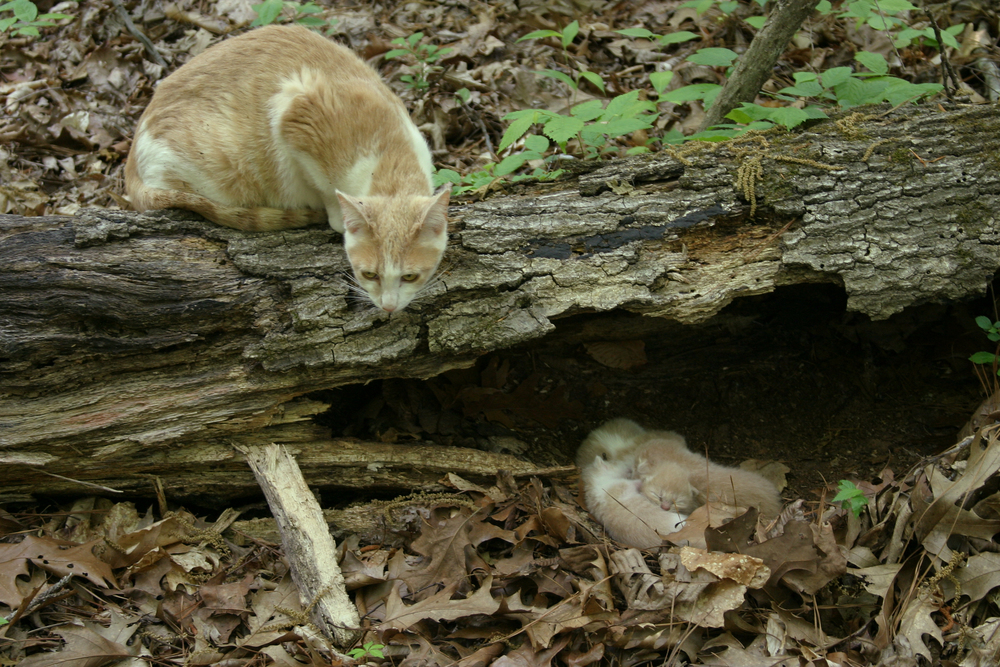
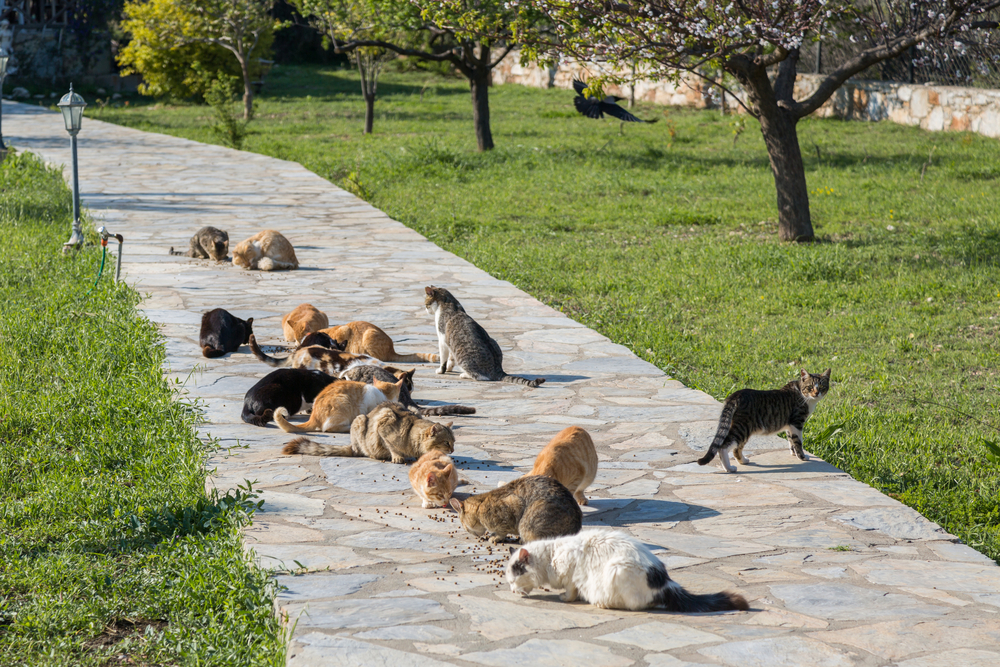
feral cat with ear tip clipped

Cats are highly independent pets that seem to enjoy being around humans, even if they don’t “need” us the way dogs and other pets do.

That’s because, unlike other domesticated pets, cats are more “tame” than truly domesticated. If humans died off tomorrow, most of the cat population would find a way to survive, including your sweet housecat.

divider 3 paws

The Taming of the Cat

When we think of household pets, cats and dogs often come to mind. After all, these are two of the most popular pets in the USA and around the world.

But cats aren’t domesticated in the way dogs are. The latter spent over 30,000 years alongside humans, and though they’re a subspecies of Canis lupus, they show distinct differences from wolves that are the result of their time being shaped by humans.

The same can be said for other animals that have shared lives with humans, but not cats. Their domestication1 is different from other pets and livestock, and they haven’t changed much from their ancestors after spending millennia with humans.

What does that mean, exactly? Cats are more accurately classified as tame, and maybe they don’t need us as much as we need them.

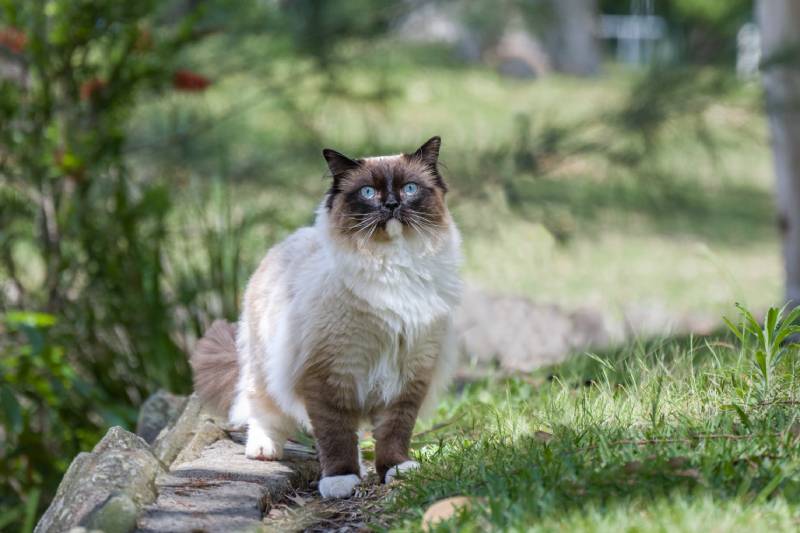
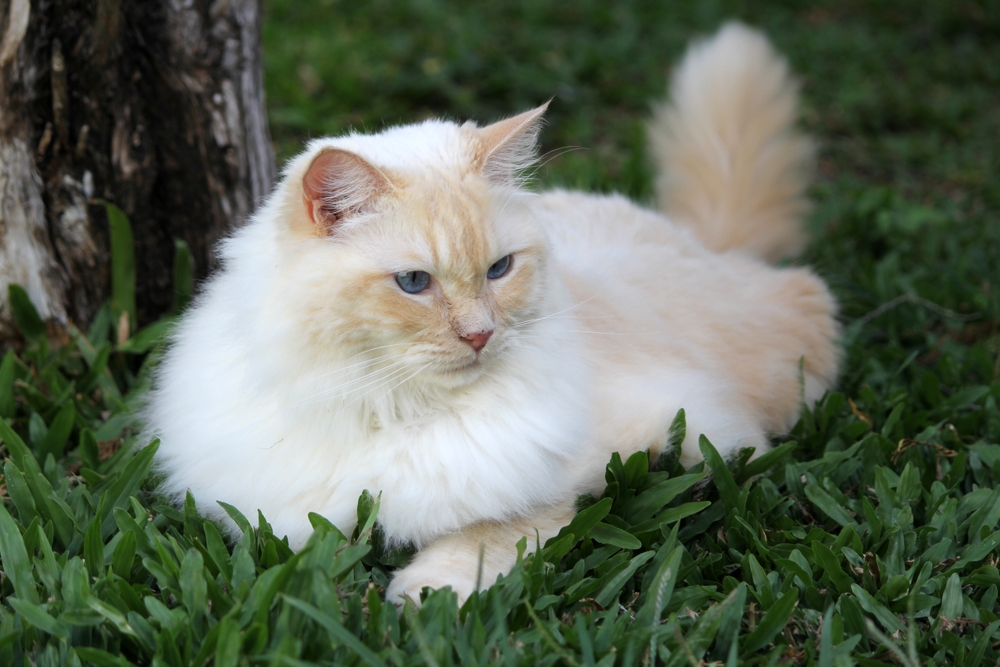
cameo persian cat on grass
Image Credit: slowmotiongli, Shutterstock

divider 3 paws

Can Cats Survive on Their Own?

Cats can certainly enjoy time with their owners. In fact, some breeds are known for being more affectionate and attached to their chosen person. But affection and loyalty don’t equal dependence.

One could argue that dogs need humans for their care. They can survive in feral packs and hunt, but dogs are longer-lived and seem happier in the company of humans. Cats, on the other hand, choose to spend time with humans when they’re perfectly capable of thriving on their own.

Take, for example, stray and feral cats. There are millions of unowned cats all over the world, some of which were once owned by a human and others that were a product of generations of feral cats. These cats are basically wild.

There’s a key difference between strays and ferals, however. The former may have been part of generations of pet cats and accustomed to receiving care from humans. These cats often count on community caregivers for food and shelter.

The latter, truly feral cats, are quite different. These cats were never pets, weren’t born as pets, in homes, or in shelters, and never relied on humans for their basic needs. They are truly independent, rather than having a strong independent streak like some house cats and are likely to thrive if humans vanished from the earth one day.

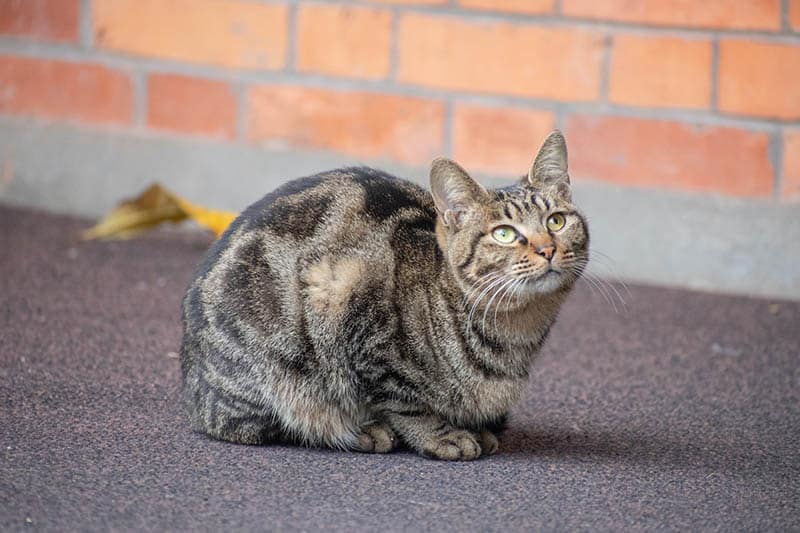
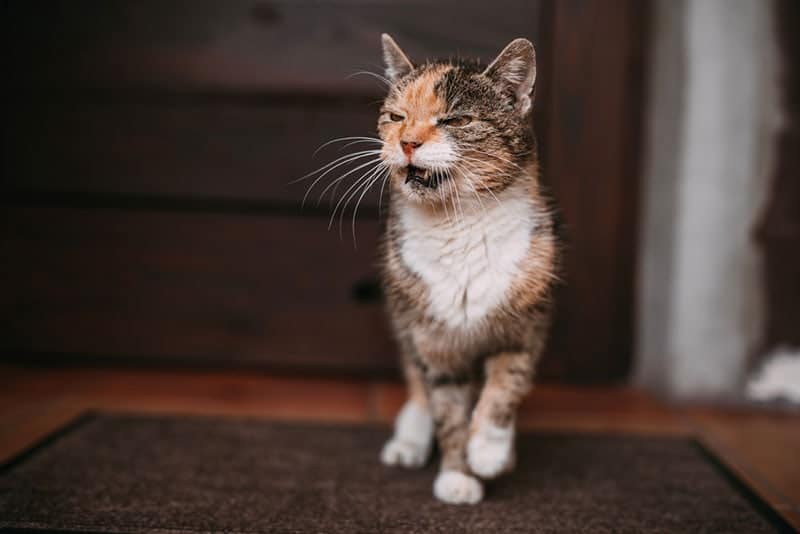
stray cat_Dimitris Vetsikas, Pixabay
Image Credit: Dimitris Vetsikas, Pixabay

How Would Cats Survive Without Humans?

Feral cats are basically wild, which means they’re living in total freedom like other wildlife. They share other traits with wild animals as well, such as a short lifespan and a rough life.

Living on the streets, cats have short lives and often succumb to injuries from human activity or predators, such as dogs, coyotes, and raptors. They may also suffer from malnutrition or starvation if they can’t find prey or have to compete with stronger cats and other predators for the same food sources.

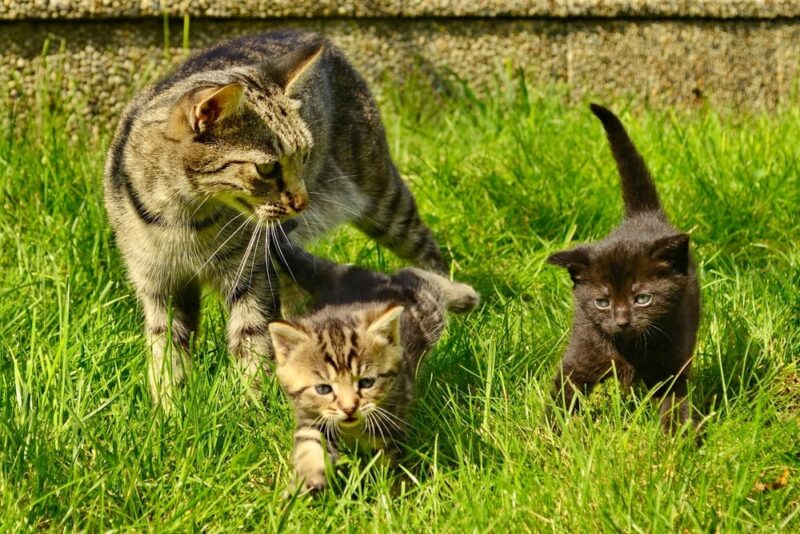
Still, these cats manage to survive long enough to reproduce, which is how feral cats became an invasive species. Even if they only live a few years, feral cats can produce up to 36 kittens in multiple litters each year.

If these kittens reach sexual maturity, they also produce litters leading to a boom of feral cats to sustain the species. Though it may take a few generations, cats have already proven that they can survive without human intervention.

divider 3 paws

Conclusion

At their core, cats are solitary survivalists. Some house cats would struggle to adjust after relying on owners, but if humans disappeared, they’d find a way to continue on without care and support.

It’s heartbreaking, we know! But cats are survivors.


Featured Image Credit: Krishna777, Shutterstock

Want content like this delivered to you?

Sign Up For Our Newsletter

News, insights, expert advice, and everything cat

* By submitting, you agree to our Terms & Conditions and Privacy & Cookies Policy.



How useful was this post?

Click on a star to rate (you can leave written feedback after clicking submit)

Help us improve Catster for pet parents!

Your feedback really matters.

What did you like about this post? Also how can we improve it?

Join the conversation

Leave a Reply

You’re very welcome to leave a comment or question. Please know that all comments must meet our community guidelines, and your email address will NOT be published. Let’s have a positive and constructive conversation.


Catster's Digital Magazine is Back!

Vet-approved health & behavior advice

Real cat stories & community features

Chatting About the Rainbow Bridge, Euthanasia, and Laughter During Grief | Chatty Cattys, Episode 24

If you’ve ever felt the loss of a beloved cat, or are dreading the day when your pet crosses the rainbow bridge, you’ll...

The Simple Reasons Cats Refuse to Let Anyone Use the Bathroom Alone

Cats have an extraordinary talent for making themselves present in the most inconvenient places, and the bathroom ranks near the top of the...

A Paw-sitive Milestone: Canada Officially Becomes a Declaw-Free Nation

Canada has officially become a declaw-free nation. On May 25, 2026, a new regulation was filed in Ontario under the Provincial Animal Welfare...

The Surprisingly Simple Ways to Help a Cat With Hairballs

Cats spend an astonishing amount of time grooming. It is part hygiene routine, part comfort ritual, and part instinct that traces back generations....

More related

Why Are My Cats Whiskers So Long? 6 Vet-Reviewed Reasons

Many people adore cats as pets and are often curious about their cute physical characteristics. They have long, noticeable whiskers, or vibrissae, as...

Can Cats Eat Pine Needles? Vet-Approved Risks & Alternatives

If you want to celebrate Christmas with a beautiful pine tree in your house, but you also own a cat or two, you...

Catster Photo Contest: Cats of the Week Winners (June 26, 2025)

This Week’s Winner Silliest Most Dignified Most Expressive Best Action Shot Sleepiest Cutest Enter Your Cat Submit your kitty for a chance to...

9 Best Flea Killers for Your Yard in 2026 – Reviews & Top Picks

When the seasons change, it can pose a big issue for indoor/outdoor pets and their homes. Even if your animal only goes out...

Keep reading

How Often Will a Feral Cat Move Her Kittens? Vet Approved Facts & FAQ

You may have seen your domestic mama cat move her kittens more than once, and the same behavior is common for feral mother cats. Feral cats will move their kittens for various reasons. If the mother cat is unsatisfied with...

kittens in the grass with their mother

Why Do Cats Bite Each Other’s Necks? The Interesting Reasons

If you have more than one cat, you may have noticed that cats have a tendency to bite each other on the neck. Sometimes these bites are on the scruff of the neck, while other times they happen in the...

Orange cat biting black cat on the neck

Why Is My Cat in Heat So Much? Vet Approved Facts & FAQ

If this is your first time living with a queen, or a non-spayed cat, it might surprise you how often they go into heat. How much is normal, and when should you worry? We break down everything for you here....

cat in heat

5 Best Spots to Pet a Cat: Vet Approved Tips

Cats are unique, fascinating creatures that have captured our hearts for generations. While some felines crave constant attention and physical touch, others are more reserved and only accept petting on their terms. To ensure that your cat feels comfortable and...

cat sitting on owners lap

Can Cats Eat Oats? Vet-Verified Nutritional Facts & FAQ

Oats are commonly praised as nutritious for us to have for breakfast. Full of fiber, oatmeal fills us up and starts the day off right. It’s beneficial for us, but can cats have oats? Cats can eat oats, but it’s...

Can Cats Eat Oats

Is Ivy Toxic to Cats? Vet-Reviewed Houseplants Examined

Plants can make for a wonderful addition to any home or yard. Not only do they add to the aesthetic, but they also come with other benefits, such as increasing oxygen and humidity and even cleansing the air around us....

Catster_Is Ivy Toxic to Cats

Colitis in Cats: Our Vet Explains Signs, Diagnosis & Treatment

Taking care of a cat experiencing gastrointestinal symptoms can be quite an ordeal and cause a significant amount of stress for both you and your cat. A gastrointestinal sign that may impact your cat and make them feel ill is...

A cat having a check up at a small animal vet clinic

Can Cats Eat Rhubarb? Vet-Reviewed Risks & Alternatives

Summer is just around the corner. Do you dream of your garden overflowing with rhubarb plants with the intention of creating tasty desserts and jams this summer? There’s not much not to like about this tasty perennial vegetable, but if...

Can Cats Eat Rhubarb

Love Cats? So Do We! Join the Catster Community

Stay informed with expert pet care insights delivered straight to your inbox! Discover professional guidance on animal behavior, feeding tips, trusted product picks, and much more.


Sign up for the Catster Email Newsletter

Stay informed with expert pet care insights delivered straight to your inbox! Discover professional guidance on animal behavior, feeding tips, trusted product picks, and much more.