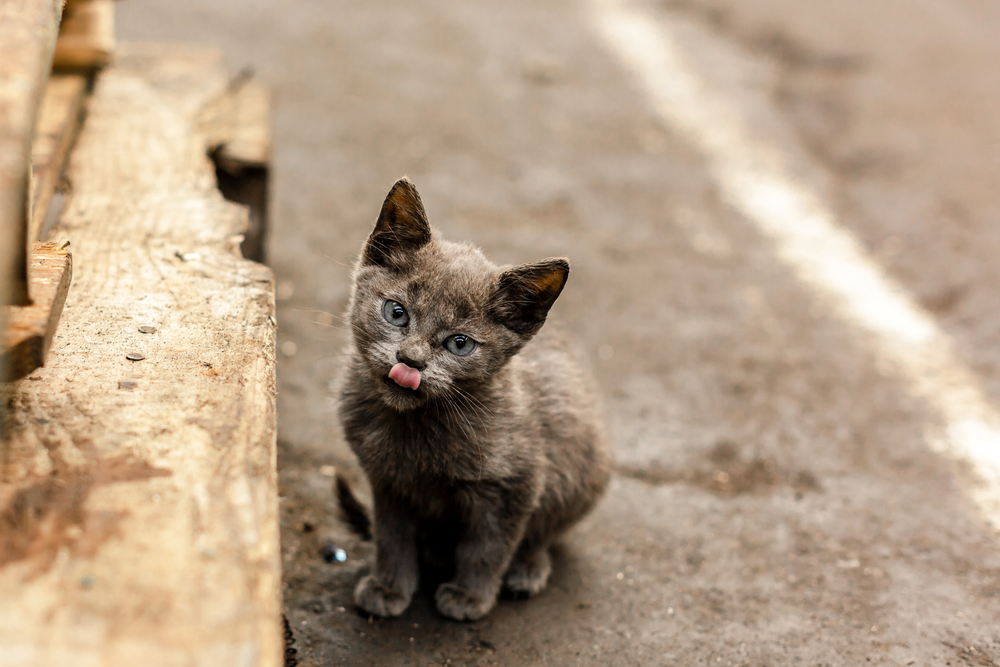
Can Cats Survive On Their Own By Hunting Wildlife? Vet-Approved Explanation

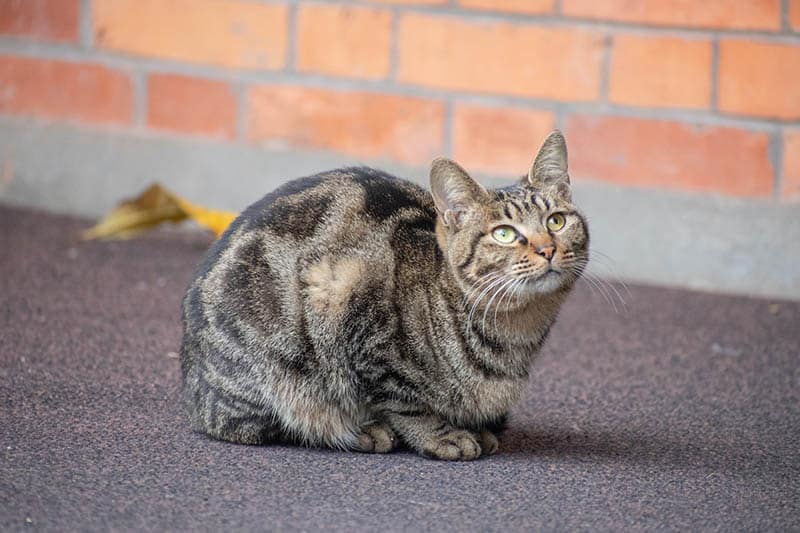
Cats are predators; even those who prefer to spend their time curled up in comfortable beds have the bodies and instincts of skilled hunters. The only real difference between feral cats and well-loved pets is their level of socialization. Cats, as a species, can survive on their own without help from humans.
Feral cats rely on various techniques to fill their stomachs, including hunting and scavenging. However, those who have lived as pets face significant challenges when asked to subsequently make it on their own in the wild and may not be able to survive only by hunting wildlife.

What's the Difference Between Feral, Stray, and Pet Cats
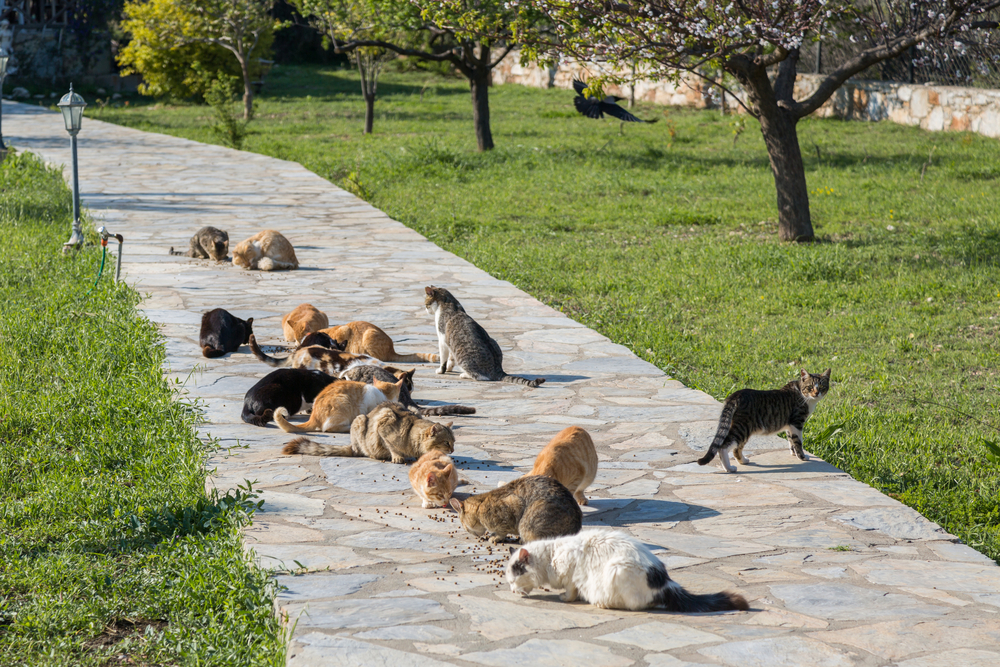
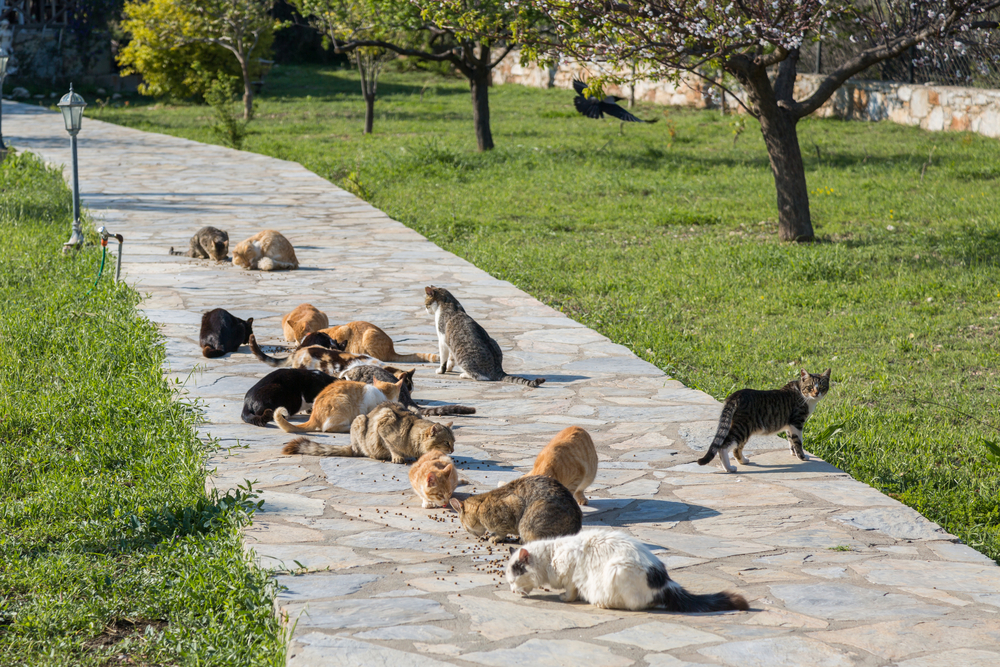
Feral, stray, and pet cats are the same physically, but they exhibit behavioral differences due to their varying levels of socialization and interest in human contact. Feral and stray cats are also referred to as community cats.
Feral Cats
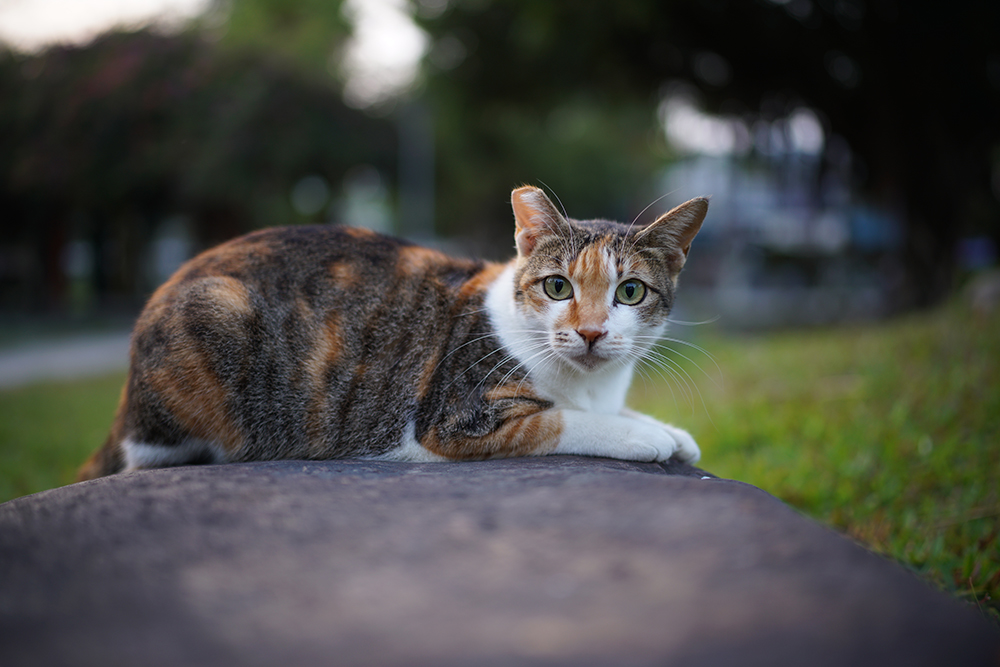
Feral cats generally start life outdoors and have little or no contact with people during their important socialization period. They prefer to stay far away from people and usually can't be turned into pets, as they become incredibly anxious around humans.

Stray Cats
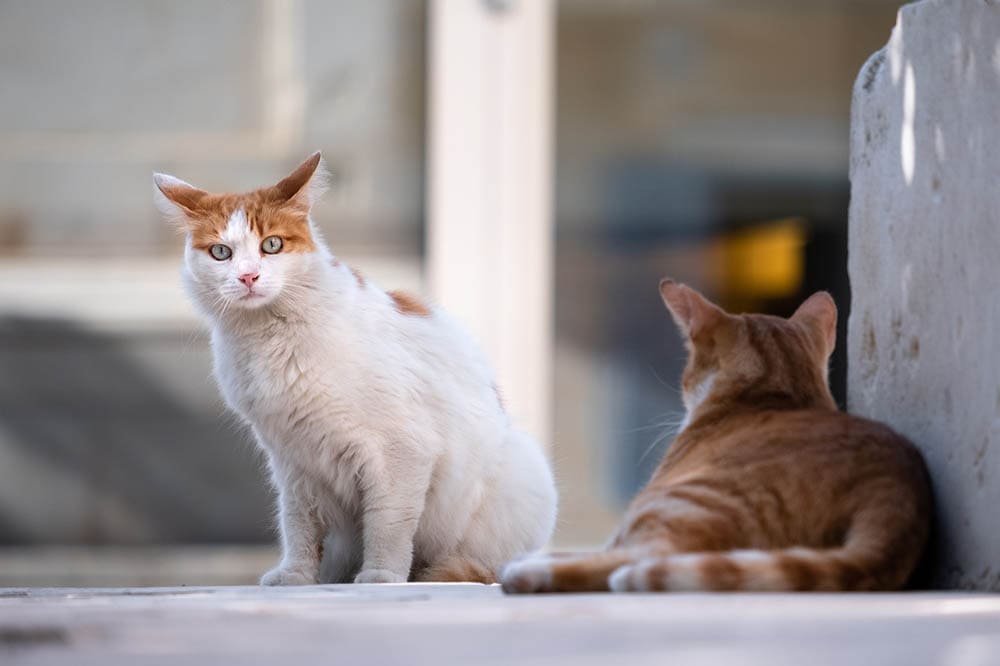
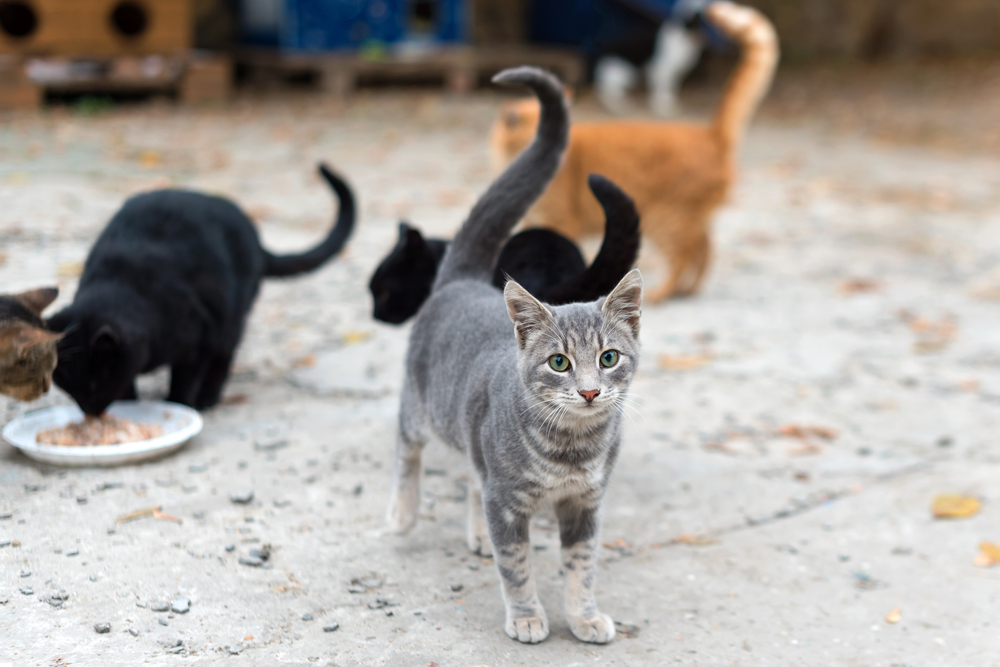
Stray cats live outdoors but were once pets and, as such, were socialized to accept humans. Stray cats can adopt more feral-like behaviors over time. Because strays once lived alongside people, they're more receptive to human contact. They're often found in places where people can give them food.
Pet Cats
Pet cats have been socialized to enjoy interacting with and being around people. Kittens who have lots of loving contact with people during their critical early weeks generally lose their fear of people and thrive as companions.
How Do Hunter Cats Learn Their Skills?

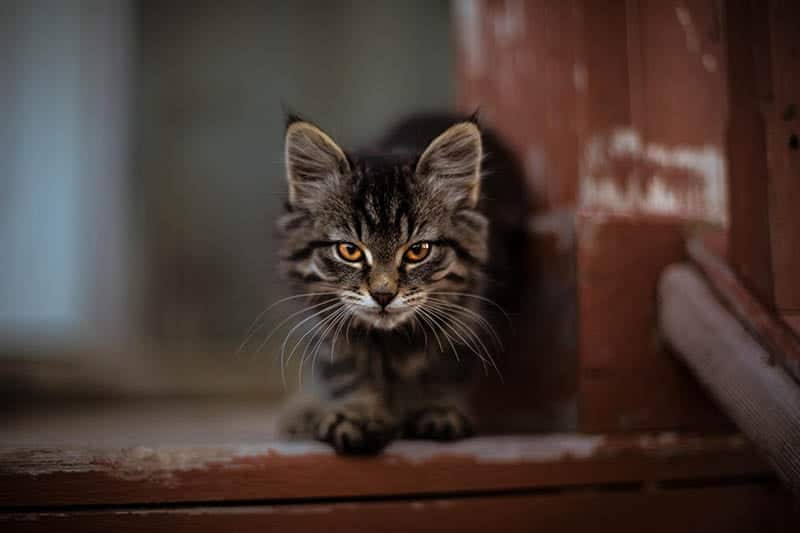
Cats primarily learn the hunting skills they have access to in later life as kittens, so whether they're able to hunt efficiently or not depends largely on their early experiences. While all cats have the instinct to hunt, not all of them can effectively do so.
Mother cats teach kittens how to hunt small animals, but some of the behavior and drive to hunt is innate. Mother cats bring still-living prey home to teach kittens how to stalk, pounce, and effectively kill.
Kittens born to mothers who have lived their entire lives indoors and who don't hunt likely won't be terribly skilled at dispatching prey later in life. However, evidence says that even these kittens will still show an innate interest in hunting. Feral cats learn to hunt as kittens and are efficient at doing so.
Do Pet Cats Who Are Allowed Outdoors Hunt?
Yes. It's one of the reasons that many people advocate keeping cats inside or implementing ways to limit their roaming and access to wildlife.
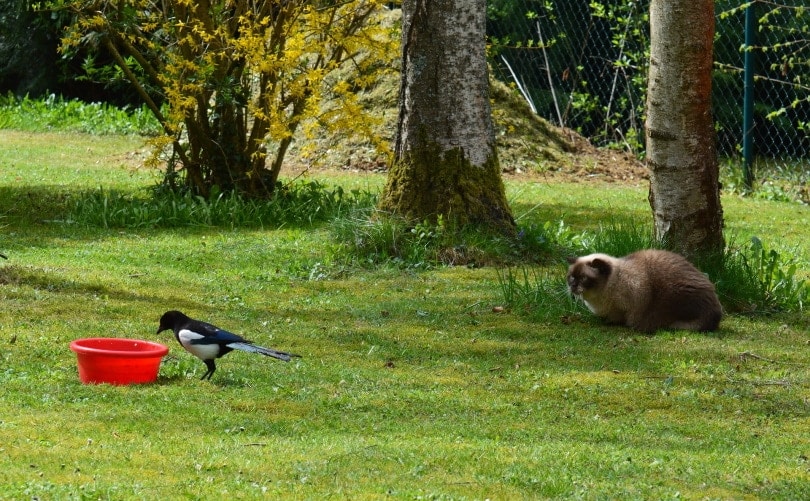
Many pet cats that stay outside do hunt but others have less of a drive to do so. Some choose to have a good time sunning themselves and aren't interested in nabbing small animals.

Why Do Companion Cats Hunt?
Hunting behavior is deeply seeded in cats. Those who never learned to hunt and kill from their mothers still display the instincts to pounce, jump, spring, and bat at quickly moving objects. When cats go after teasers and chase balls, they're essentially engaging in watered-down hunting activities.
Do Cats Only Hunt When They're Hungry?
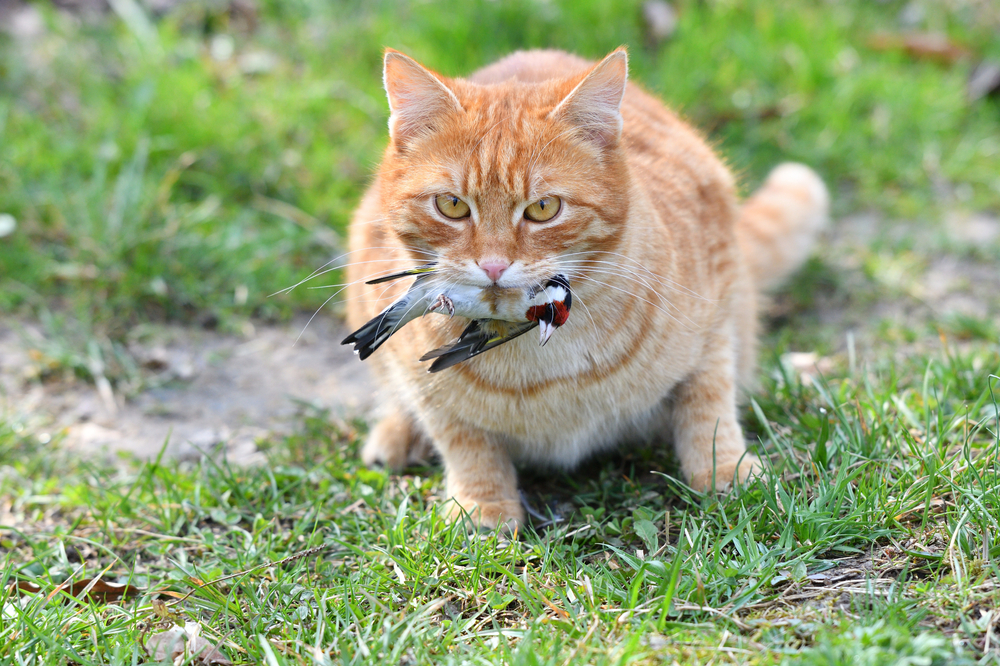
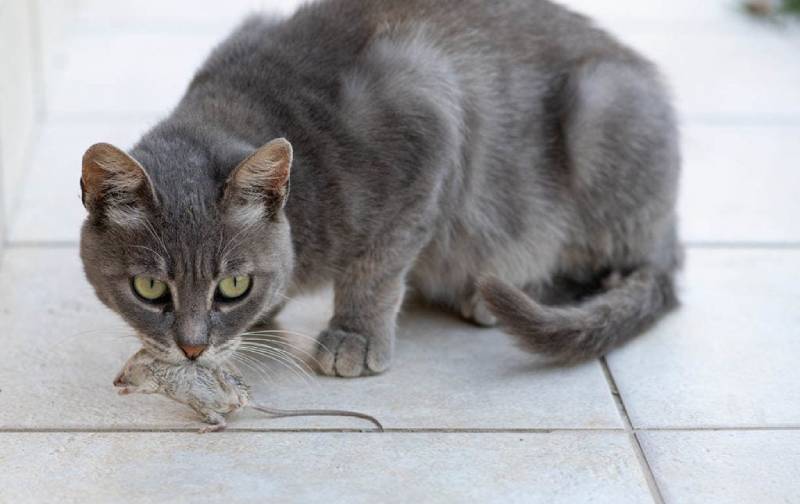
No. Cats in the wild hunt when opportunities present themselves instead of waiting until they’re hungry, which makes sense since not every hunt is successful, and sometimes there's no prey around.
The instinct to hunt is so strong in cats that they sometimes leave kills to pursue new prey. While cats hunt regardless of whether they’re hungry, many only kill when they're interested in eating.
This instinctively motivated hunting behavior is one of the reasons that cats often bring their favorite people "gifts" they've managed to capture but aren't interested in killing or eating.
Pet cats with access to the outdoors generally hunt for a few hours daily, while feral ones can spend most of their days hunting. Cats who regularly eat commercial food may also be driven to hunt to introduce variety into their diets.

Why Do Feral Cats Live Such Short Lives?
Independent feral cats often live for about 2 years; those who receive help from caregivers can survive for far longer. Unowned cats who live outdoors often face challenges such as illness, poisons and threats from other animals. They're frequently at increased risk of being injured by cars and contracting infectious diseases.
Conclusion
While cats have the instincts and equipment to survive in the wild by hunting, feral felines are more skilled at hunting than strays. Feral cats who live entirely without human contact can feed themselves through hunting and scavenging, but they often won’t live very long lives.
Cats that grow up with non-hunting mothers and spend their entire lives as companions struggle to catch enough to satisfy their needs. Feral cats generally live much shorter lives than indoor cats, which provides an idea of the struggles faced by cats living on their own. Feral cats live for an average of 2 years when left to fend for themselves. Indoor cats, on the other hand, can make it into their 20s.
Sources
https://www.petmd.com/cat/care/evr_ct_misunderstood_feral_cat
https://www.alleycat.org/resources/feral-and-stray-cats-an-important-difference/
https://www.humanesociety.org/resources/outdoor-cats-faq#dangerous
https://icatcare.org/understanding-the-hunting-behaviour-of-pet-cats-an-introduction/
https://www.vetstreet.com/dr-marty-becker/how-do-kittens-learn-to-hunt
Featured Image Credit: Akira, Unsplash

Expert cat care, straight to your inbox
Vet-reviewed advice, behavior tips, and the best of Catster. Free, and you can unsubscribe anytime.
By signing up, you agree to our Terms & Conditions and Privacy & Cookies Policy.
Lorre Luther is a writer who is firmly convinced that cats are smarter than humans. She left her law career in the United States and moved to the Netherlands to follow her dream of becoming a writer. Lorre currently lives in Rotterdam, she enjoys traveling and greatly appreciates the beauty of nature. Lorre has a spot for animals and admires the intelligence of cats.
Join the conversation
Ask a question, share your story, or send private feedback.