Your Cat's Red Butt Has Entered the Chat (And Your Face)


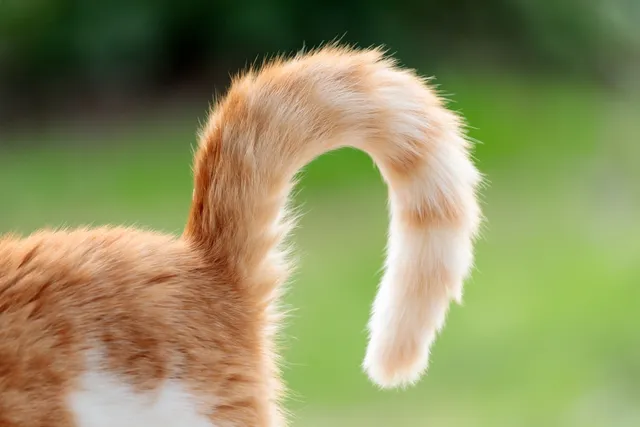
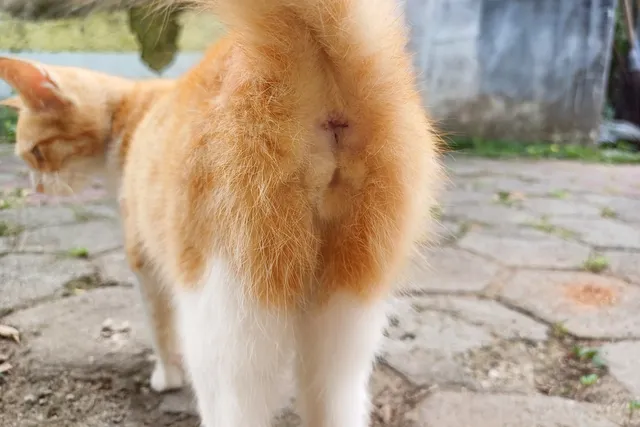
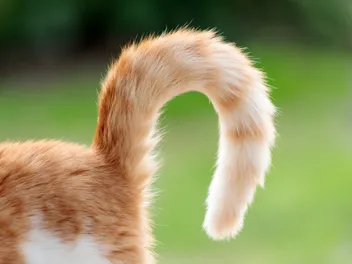
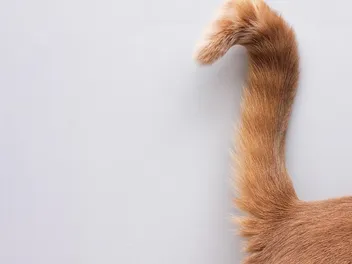
Your cat demands attention in the most dramatic way possible: tail straight up in the air, rear end directly in your face. It's a classic feline power move. But this time, something looks off. The area around their anus is redder than you remember, maybe even inflamed. Before you panic or pretend you didn't see anything, let's talk about what's actually going on back there.
Inflammation around the anus or the skin surrounding it creates that red appearance you're noticing. The question is why it's inflamed in the first place. The reasons range from minor irritations to issues that need veterinary attention, so knowing what you're looking at makes all the difference.

The Most Common Culprits for Red Cat Butts, And Why They Matter

1. Worms Are More Than Just Gross
Intestinal worms living in your cat's gastrointestinal tract cause inflammation in the intestines, which leads to straining and diarrhea. All that irritation affects the anus directly. Tapeworms are particularly problematic because they release egg packets that look like tiny grains of rice. These packets can stick to the anus and cause significant irritation. Prevention is straightforward: give your cat a broad-spectrum wormer every 3 months. Kittens need deworming every 2 to 4 weeks, depending on their age.
2. Gastrointestinal Upset Affects Everything
Diarrhea doesn't just make a mess. It inflames the anus through constant contact with loose stools. The causes of diarrhea are numerous: food intolerances, sudden diet changes, eating something questionable, or infections (viral, parasitic, bacterial, or fungal). Internal diseases like kidney or liver problems can also trigger digestive upset.
Watch for additional symptoms like vomiting, loss of appetite, abdominal pain, or lethargy. These signal a more severe problem. Diarrhea causes dehydration quickly, which is a real concern. If you suspect a gastrointestinal issue, contact your veterinarian rather than waiting it out.
3. Constipation Creates Strain
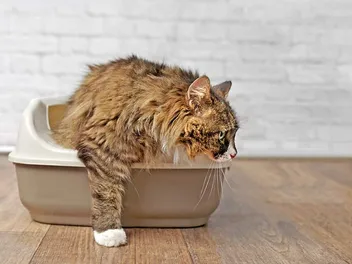
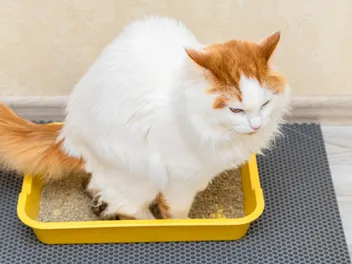
When cats can't poop, they strain. Excessive straining inflames the anus. Here's something critical: if your cat is straining in the litter box, you need to rule out a urinary obstruction immediately, as this is a life-threatening emergency.
If your cat is genuinely straining to defecate or hasn't passed feces in a couple of days, they need help. Underlying illnesses, diet issues, or lifestyle factors can all cause constipation. Once stool sits in the colon for too long, it becomes dry and extremely difficult to pass. Your veterinarian will need to intervene to resolve the problem.

4. Anal Gland Problems Happen
Cats have two secretory glands positioned around the anus at roughly the 4 and 8 o'clock positions. These anal glands can become impacted, infected, rupture, or even develop cancer. Any of these issues can cause severe swelling and irritation around the anus.
The good news? Anal gland problems are much less common in cats than in dogs. But if your cat has an irritated rear end with no obvious explanation, it's worth having a vet check those glands.
5. Dermatitis Shows Up as Skin Issues
If what you're seeing looks more like a skin problem than internal irritation, dermatitis could be the answer. You might notice inflammation, hair loss, scabs, or discharge around the bottom. Dermatitis itself isn't a diagnosis; it's a symptom caused by allergies, insect bites, external parasites, or infections.
Mild dermatitis sometimes responds to home remedies like oatmeal shampoos. But if the problem persists or worsens, your veterinarian needs to create a proper treatment plan.
6. Growths Need Attention
Benign polyps or tumors, like lymphosarcoma, can grow from the rectal wall. These growths irritate the area and make passing feces difficult, leading to inflammation around the anus. A veterinarian can feel these growths during a rectal exam, though occasionally they protrude visibly through the anus.
Skin cancers can also develop around the rear end, appearing red, ulcerated, or inflamed. In most cases, vets will surgically remove these growths or perform a biopsy to determine the next steps.
7. Foreign Bodies Cause Serious Problems
Intestinal foreign bodies are indigestible materials your cat has swallowed that pass into the intestines. Kittens and young cats are notorious for eating string, bone shards, or sharp objects. If the foreign body causes an obstruction, you'll see straining, abdominal pain, vomiting, and loss of appetite.
Some foreign bodies damage the intestinal wall. If the wall is perforated, severe complications like peritonitis and sepsis can occur. This is urgent. If you think your cat is unwell due to an intestinal foreign body, seek veterinary care immediately.

8. Rectal Prolapse Is an Emergency
Rectal prolapse happens when part of the rectum comes out of the anus, looking like a red bubble or tube protruding from the body. This usually occurs after severe diarrhea or excessive straining, which means your cat has both the prolapse and whatever underlying condition caused it.
Rectal prolapse requires urgent treatment. Your vet will perform an anesthetic procedure to replace the prolapse and potentially surgery, while also addressing the underlying disease that triggered it.
What You Should Do
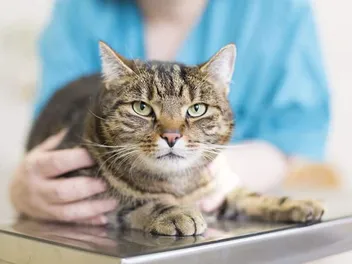
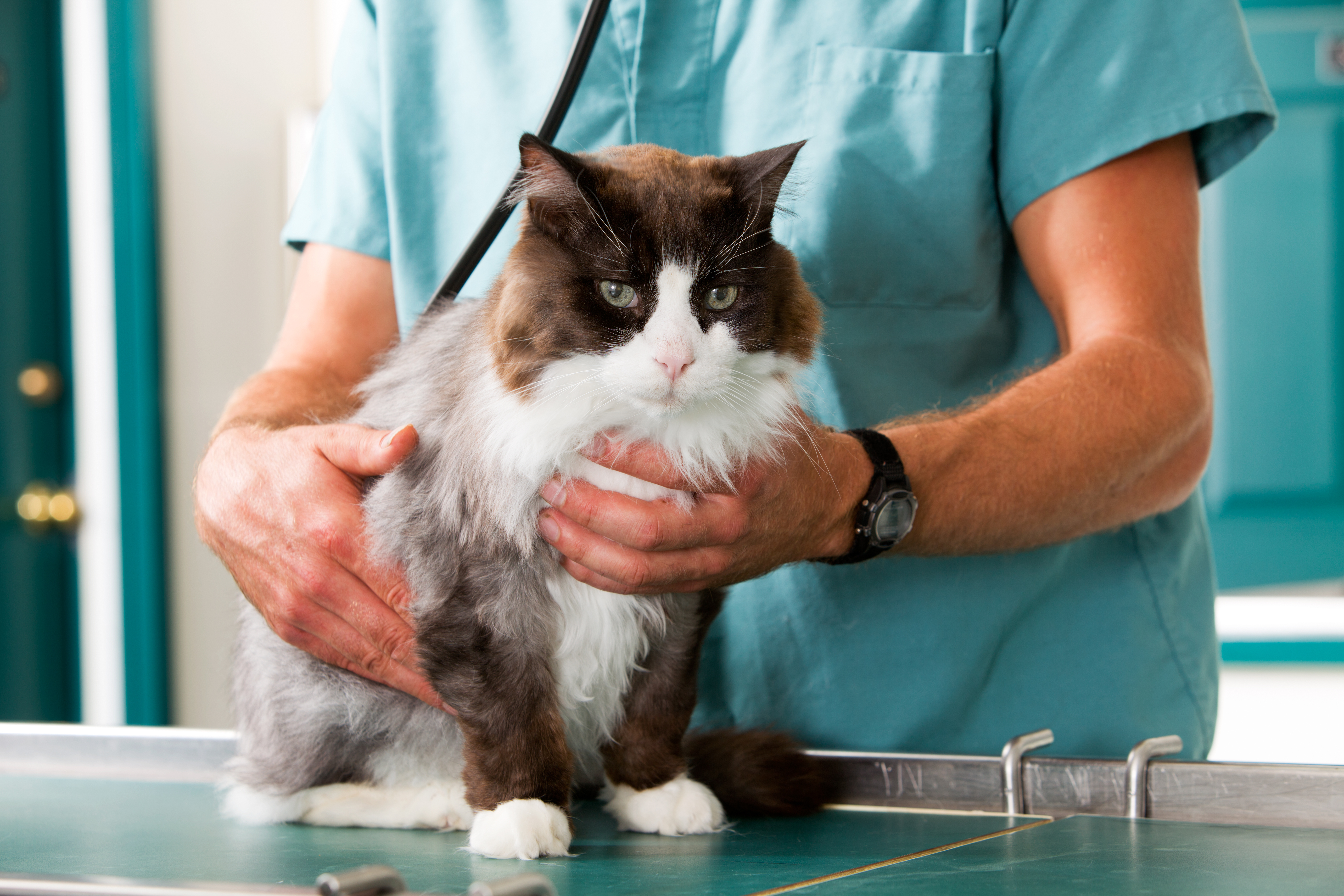
If you're uncertain why your cat's rear end looks red or inflamed, the best move is scheduling a veterinary exam. Your vet will take a complete history and examine your cat to determine what's happening. They might perform a rectal exam to check for anal gland issues or growths in the rectum.
Some of these conditions resolve with simple interventions like deworming or dietary adjustments. Others require more intensive treatment, like surgery, antibiotics, or management of chronic conditions. The key is identifying the root cause rather than just treating the symptom.
Don't ignore persistent redness or inflammation. What starts as a minor irritation can escalate into something more serious if left untreated. Your cat can't tell you what's wrong, but their body is giving you clear signals that something needs attention.

The Bottom Line (Literally)
A red, inflamed rear end in cats isn't normal, but it's also not necessarily cause for immediate panic. The spectrum runs from relatively minor issues like dietary upset or mild dermatitis to more serious concerns like foreign bodies or rectal prolapse. Your job is recognizing when something looks off and getting professional help to figure out what's going on.
Regular preventive care, including routine deworming and monitoring your cat's bathroom habits, goes a long way toward preventing some of these issues. When problems do crop up, early intervention typically means simpler treatment and faster resolution. Your cat might not appreciate the attention to their rear end, but catching these issues early makes a real difference in their comfort and health.
Feature Image Credit: Stanislaw Mikulski, Shutterstock
Did You Know?
- Our brand-new posts are rounded up and included in our weekly emails. Don't miss out on the latest - sign up for our newsletter below!
Expert cat care, straight to your inbox
News, insights, and useful advice, delivered to you.

No spam — unsubscribe anytime.
By signing up, you agree to our Terms & Conditions and Privacy & Cookies Policy.
How useful was this post?
Click a star to rate. You can leave written feedback afterwards. (We read all feedback.)
Dan has been working in the pet world for over 4 years covering cats, dogs, and all other pets in between. He loves helping pet parents keep their companions happy, healthy, and of course, totally spoiled! Originally from London, Dan now travels and works remotely, which unfortunately means no pets at home, but it gives him plenty of opportunities to fuss over other people's furry friends.