What Does It Mean When a Cat Purrs Loudly? Vet-Verified Facts & Reasons


In this article
Cats are fascinating creatures, and as cat lovers, we want to learn as much about them as possible. One of the most intriguing sounds that a cat makes is purring, and many wonder what it means, especially when it’s loud. So, why do cats purr so loud?
While many cats purr to express joy and contentment, they can also do it for other reasons, such as stress and anxiety. So, keep reading as we list several interesting facts that can help explain loud purring in cats.

Understanding Cat Purring
Purring is a soft vibrating sound that cats produce by subconsciously vibrating their laryngeal muscles. Most people assume that cats only purr when happy or content, but this is not always true. While purring is often associated with positive emotions, such as relaxation and pleasure, cats may also purr when anxious, stressed, or even in pain.
Therefore, if your cat is purring quite loudly it’s important to consider other behavioral cues and the overall context in which the purring occurs.

The 5 Reasons Why Some Cats Purr So Loud
1. Genetic Factors
Just like humans have unique voices, cats have individual purring frequencies, and some cats will naturally have loud purrs due to genetic factors. Interestingly, a cat’s purring frequency doesn’t change as they age, so many cats that are born with loud purrs stay that way throughout their life.
2. Personality Traits
Cats, like humans, have distinct personalities. Some cats are extroverted and express their emotions openly. They may meow loudly and more frequently than other cats and purr more frequently to communicate their presence and feelings.
3. Contentment and Happiness
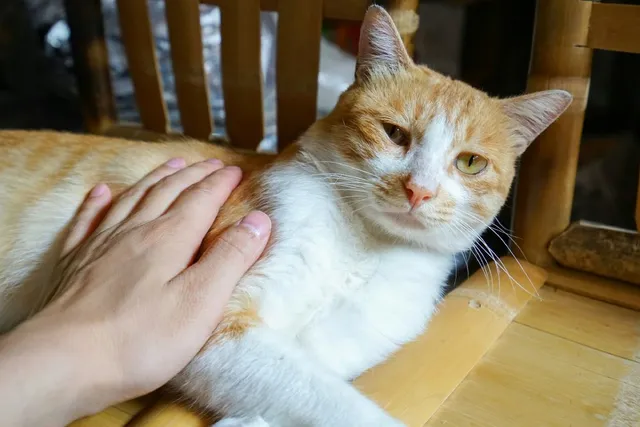
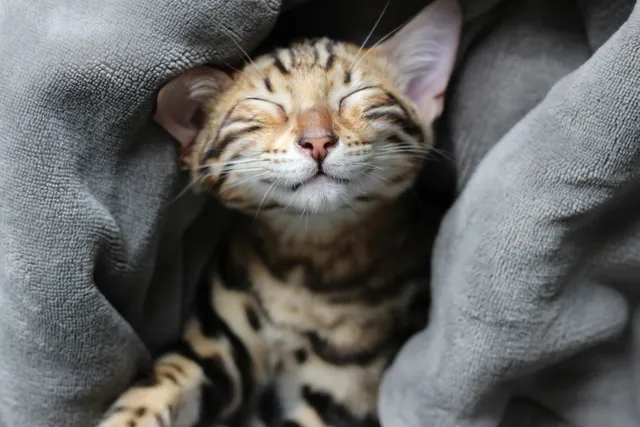
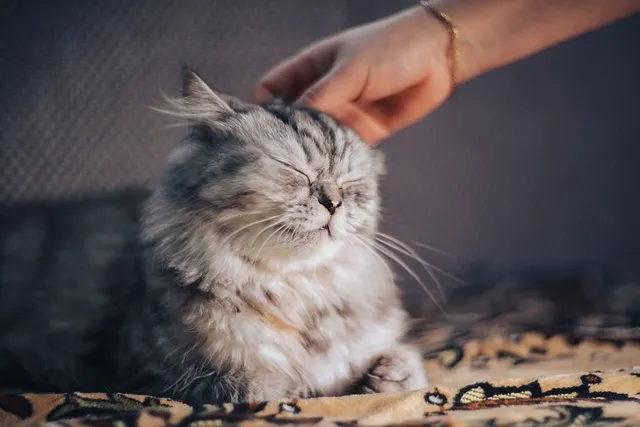
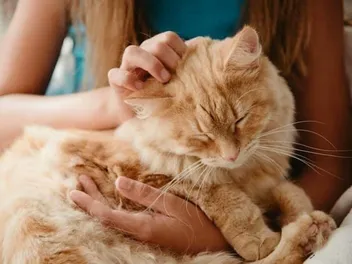
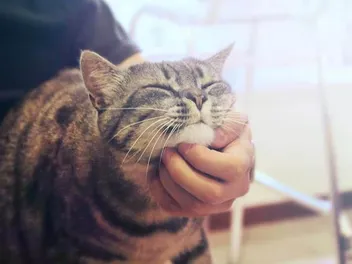
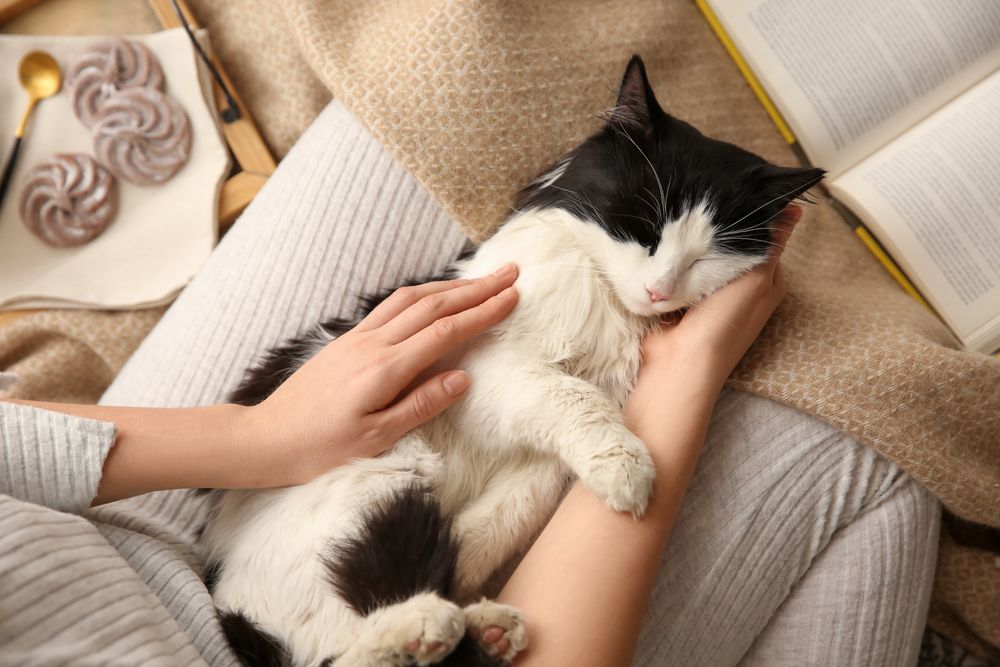
A common reason your cat may be purring so loud is pure contentment and happiness. When cats feel secure, loved, and relaxed, they may purr loudly to express their positive emotions. This type of purring is often accompanied by other signs of relaxation, such as kneading, closed eyes, and a relaxed body posture.
Many cats will also bump their heads on you or brush you with their tail when they’re happy.

4. Attention Seeking
Cats can be skilled manipulators. Some cats may purr loudly to grab their owner’s attention for affection or treats. If a cat notices that their loud purring gets a positive response from their human companions, they may continue to do it to get what they want.
5. Stress, Pain, and Anxiety
Although cats usually purr when happy, they may also purr loudly when stressed, in pain, or anxious. In experimental studies, it has been found that cats do this because purring expedites injury repair. It also releases “happy hormones” from your cat’s brain, helping them relax.
If your cat is purring loudly in a situation where they might feel threatened or overwhelmed, pay attention to their other behaviors to see if they are also exhibiting signs of stress or anxiety.
Signs stress or anxiety:
If you notice any of these signs in your cat, it is important to consult a veterinarian to rule out any medical causes and get help for your cat.

Frequently Asked Questions
Can Loud Purring Indicate Pain in Cats?
Yes, cats may purr loudly when they are in pain. Purring releases endorphins and expedites healing, which can act as natural pain relievers. If your cat is purring excessively and displaying other signs of distress, consult a veterinarian to rule out any underlying health issues.
Do Some Cat Breeds Purr Louder Than Others?
There isn’t a direct correlation between cat breeds and loud purring. While individual cats within certain breeds may be prone to louder purring, it varies from cat to cat rather than being a breed-specific trait.

How Can I Differentiate Between Contentment and Distress When My Cat Purrs Loudly?
Differentiating between contentment and distress can be challenging, especially when a cat purrs loudly. Look for other behavioral cues and signs to determine the underlying emotion. For example, if your cat has a relaxed body posture and closed eyes and shows affectionate behavior, they are more likely to be purring out of contentment.
However, if signs of stress like tense body posture, dilated pupils, hiding, or aggression accompany the purring, it might indicate distress.
Should I Be Concerned If My Cat Suddenly Starts Purring More Often?
Sudden changes in your cat’s purring behavior may warrant attention. For example, if your cat starts purring frequently without any apparent reason and displays other unusual signs like decreased appetite, lethargy, or aggression, it’s advisable to consult a veterinarian.
Conclusion
Loud purring in cats can have various meanings and is not limited to contentment and happiness alone. While many cats purr loudly when they are relaxed, others may use it to communicate, seek attention, or express their discomfort. Understanding your cat’s personality, observing their overall behavior, and considering the context will help you decipher the true meaning behind their loud purring.
If you feel that your cat is in distress, take them to the vet immediately.
Sources
Featured Image Credit: New Africa, Shutterstock
Expert cat care, straight to your inbox
News, insights, and useful advice, delivered to you.

No spam — unsubscribe anytime.
By signing up, you agree to our Terms & Conditions and Privacy & Cookies Policy.
How useful was this post?
Click a star to rate. You can leave written feedback afterwards. (We read all feedback.)
Ed Malaker is a veteran writer who has contributed to a wide range of blogs that cover tools, pets, guitars, fitness, and computer programming. When he’s not writing, Ed is usually performing DIY projects around the house or working in the garden. He’s also a musician and spends a lot of time helping people fix their guitars and composing music for independent films.