Different Types of Cat Purrs: Vet-Reviewed Sounds & Science Explanation (With Videos)


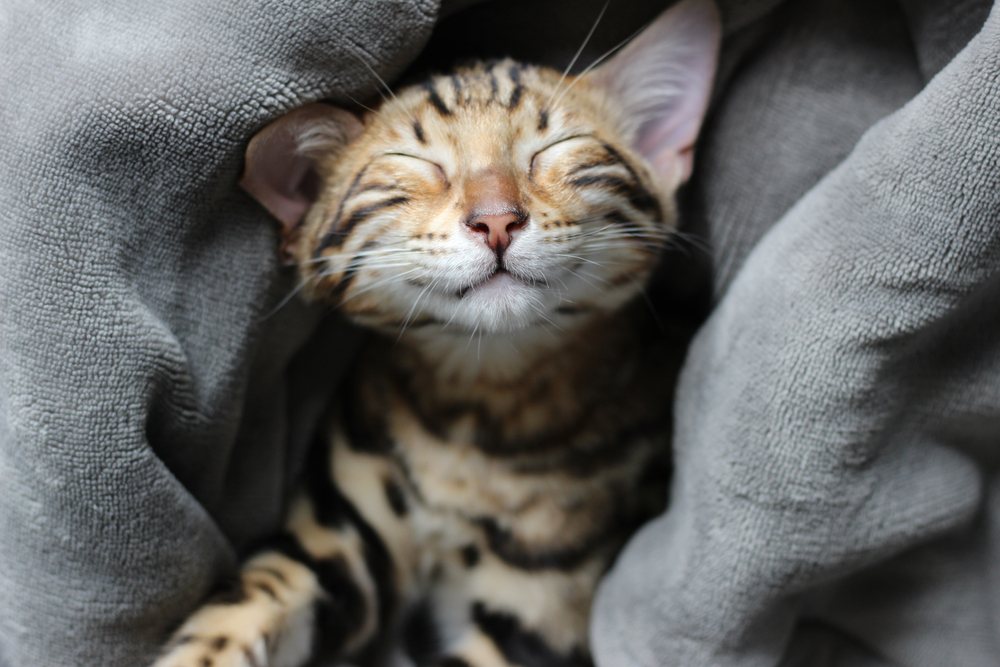
Who can resist the sweet, rhythmic sounds of cats’ meows? There may be nothing more soothing on earth than snuggling close to a happily purring cat. Purring is deeply connected with being a cat, and it has several functions and purposes.
Cats purr because they’re incredibly happy, but they can also do so due to stress or to ask for things. Keep reading to learn more about the types of purrs cats produce and discover how to tell the difference between a purr that means give me love and one designed to motivate you to head to the kitchen and dish out tasty food.

The 4 Different Types of Cat Purrs
In a strict sense, cats don’t have different types of purrs, per se. In fact, a cat’s individual purring frequency remains the same throughout their life! However, a cat may purr on different occasions or scenarios, which can sometimes be interpreted as different “types” of purrs.
1. Relieve Stress and Pain
While cats purr when they’re feeling content, they sometimes do so as well when they’re not feeling so well or in pain. Cats’ gentle purrs may have the ability to help expedite the healing of burns and broken bones, and they may also provide a bit of pain relief. Cats who are in particularly stressful situations sometimes purr to themselves, most likely as a way of self-soothing.
If you are concerned about the health and well-being of your pet, seek veterinary advice for the best course of action.
2. Communicate With Mom
Purring provides tiny kittens with a way to communicate with their moms in the days right after they’re born. Kittens are born unable to see or hear, so they rely on smell. Mother cats (queens) will often purr while nursing their kittens, possibly as a way of bonding with them.
Kittens may also purr to let their mothers know that they’re doing well and everything is just fine.
3. Say I Love You
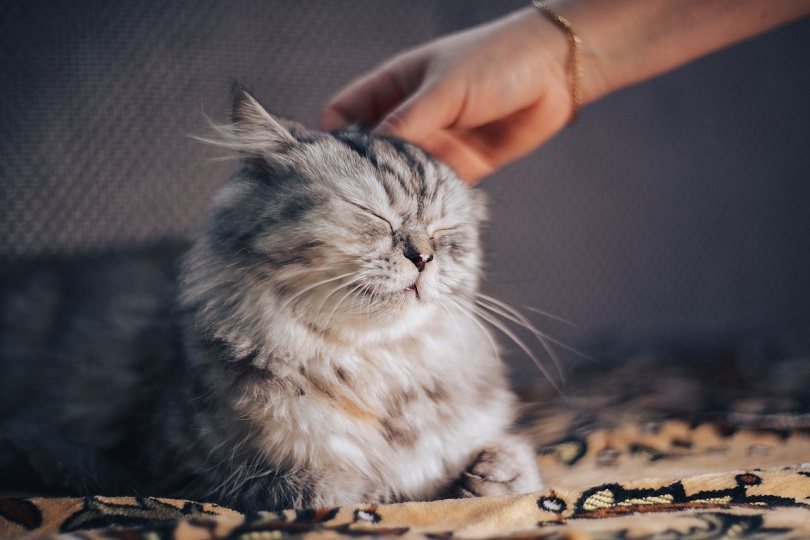
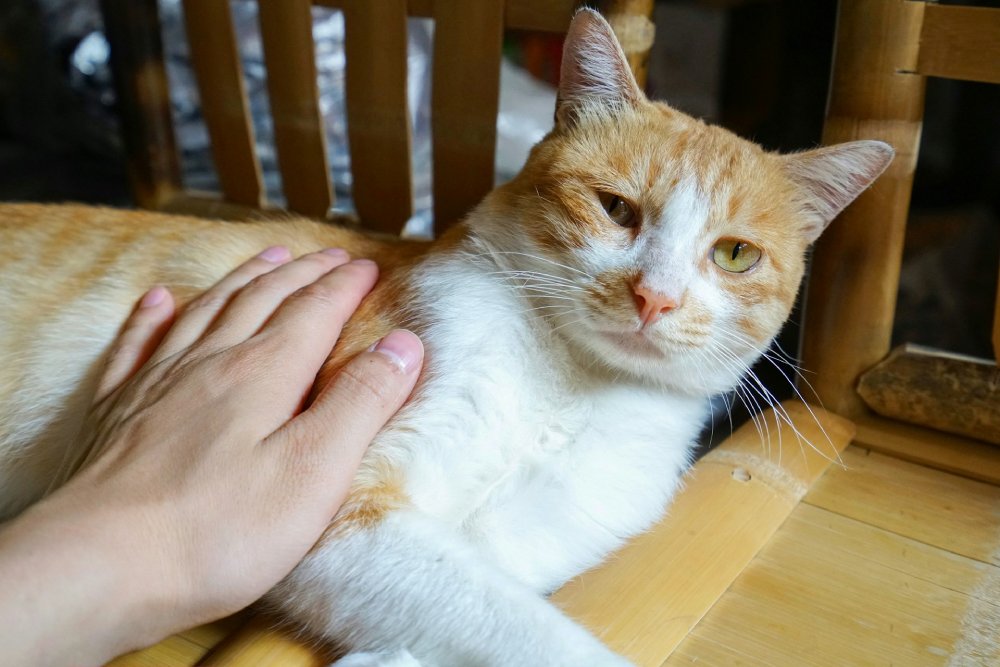
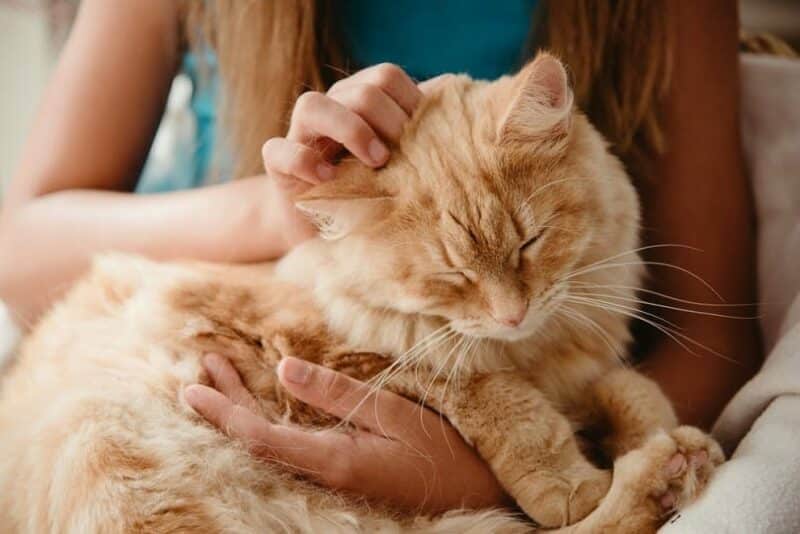
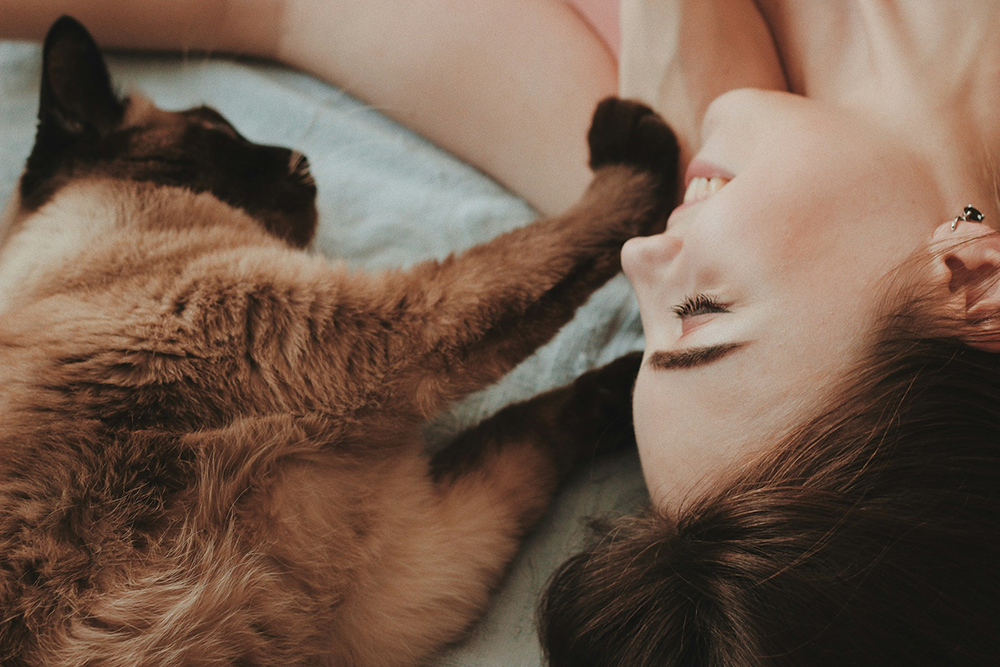
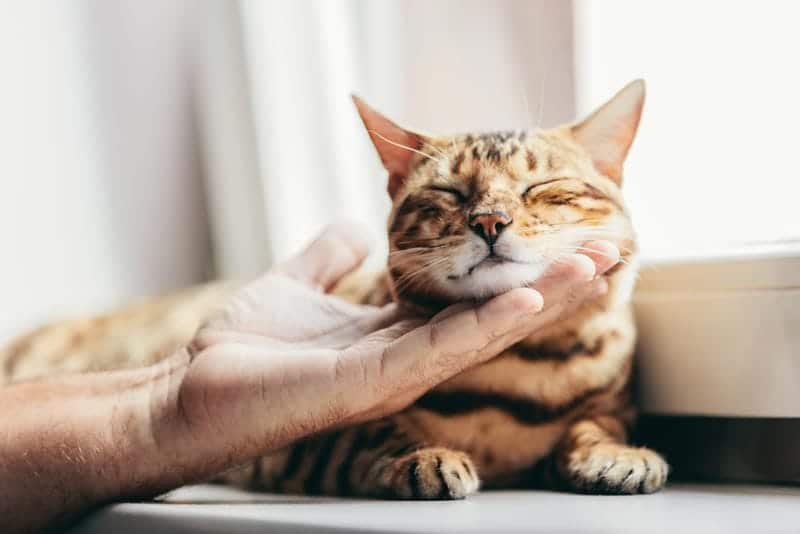
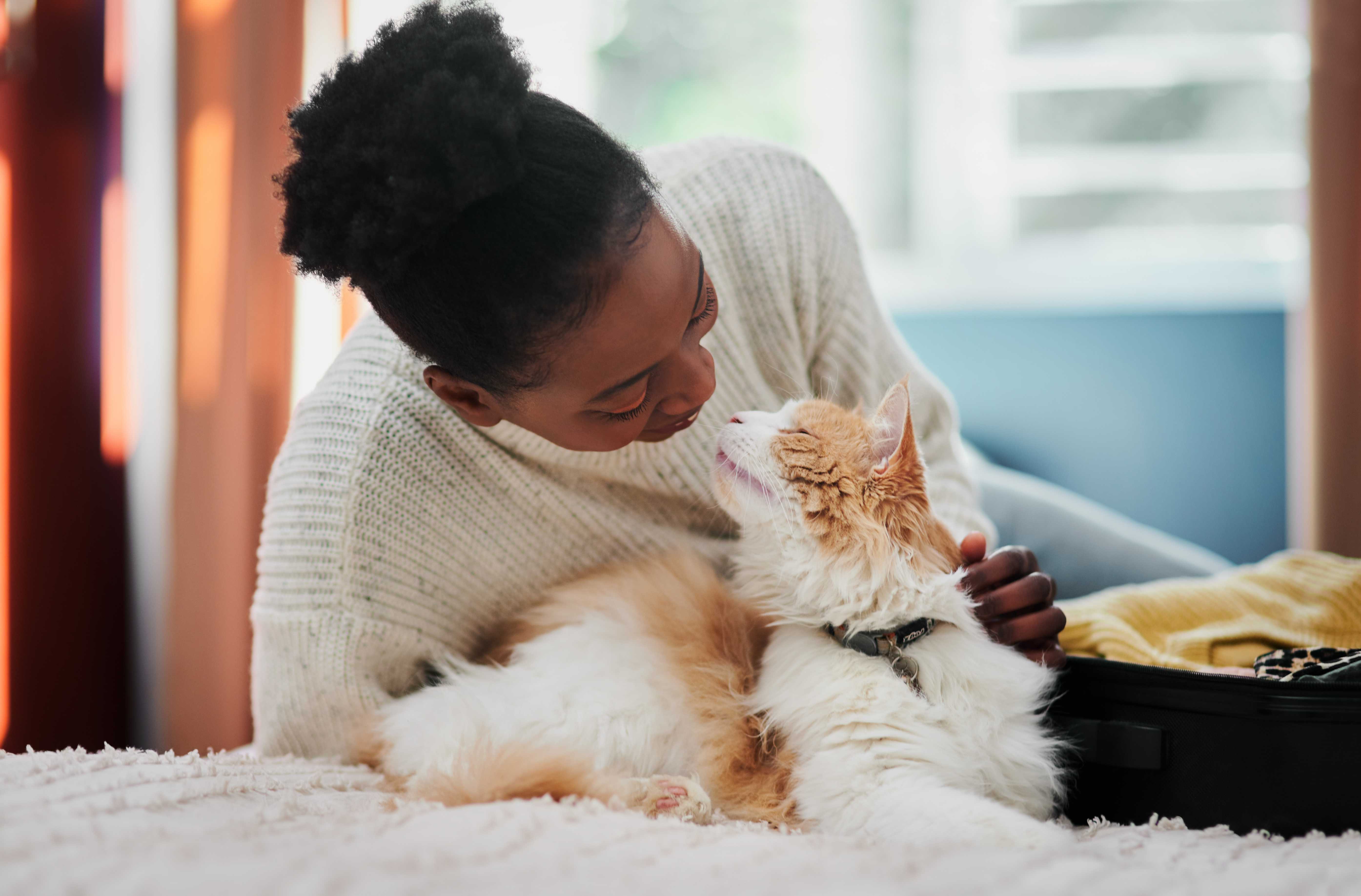
Cats purr when they’re feeling happy, and it’s often a sign of pure contentment. When cats cuddle up next to their favorite person and start purring, it almost always indicates that they feel comfortable and relaxed.
Many knead at the same time when they’re feeling particularly content, which allows them to leave their pheromones behind to mark you as taken. Cats have scent glands in a few places, including around their whiskers and paws.
4. Ask for Things
Cats may purr when they want something from their favorite people, like attention or food. Cats are masters of manipulation and may quickly learn that purring is appreciated by their favorite person, and therefore, they may purr to get something from you.
How Do Cats Produce Purrs?
A mystery has always surrounded the details of how cats produce purrs, and agreed-upon scientific answers were once hard to come by. The flow of air over cats’ vibrating vocal cords is essentially what produces purring sounds.
Scientists used to believe that the sounds were produced, in part, by active larynx muscle contractions, but recent research suggests muscular input isn’t required to create purrs. Pads in their vocal cords also appear to facilitate purring. Purring happens subconsciously; a cat doesn’t have to “think” to purr.
Cats can purr with their mouths closed, and sounds are produced continually as they inhale and exhale. Purring can last just a few seconds or keep going for quite some time, and contrary to popular belief, cats don’t breathe faster (or slower) as a result of purring; however, purring can have indirect effects on a cat’s respiratory rate. For example, a cat that purrs to calm themselves down when in pain might see a drop in their respiration rate.
A cat’s purring frequency is unique to them and doesn’t change throughout their lives.
Are There Ways to Interpret Purrs?
The context is everything when figuring out what a cat’s purr means. Cats that are sitting on their favorite person’s lap while kneading and purring away are almost guaranteed to be happy.
Cats purring in shelters or during trips to stressful places like the veterinarian’s office are likely doing so as a way to calm and soothe themselves. When cats aren’t feeling great but appear to be purring, it may be their body’s attempt to provide support to encourage healing.
Do Other Types of Cats Also Purr?
Domestic cats aren’t the only kitties who purr. Cheetahs, some lynxes, and pumas can do so as well. Cats that can roar, like lions, jaguars, and leopards don’t purr, but some make adorable chuffing sounds when feeling particularly happy.
Conclusion
Cat purrs are packed with information pets use to communicate their emotions and needs. Felines purr and knead to show deep love and affection, but the behavior also has several other functions.
Mother cats purr to let newborn kittens know they’re nearby, and cats of all ages do it to relieve stress and ease pain. Purrs can even be used to let you know they want to be fed or want attention.
Sources
Featured Image Credit: Liz Creative Studios, Shutterstock

Expert cat care, straight to your inbox
Vet-reviewed advice, behavior tips, and the best of Catster. Free, and you can unsubscribe anytime.
By signing up, you agree to our Terms & Conditions and Privacy & Cookies Policy.
Lorre Luther is a writer who is firmly convinced that cats are smarter than humans. She left her law career in the United States and moved to the Netherlands to follow her dream of becoming a writer. Lorre currently lives in Rotterdam, she enjoys traveling and greatly appreciates the beauty of nature. Lorre has a spot for animals and admires the intelligence of cats.
Join the conversation
Ask a question, share your story, or send private feedback.