Can Cats Eat Coconut? Vet-Reviewed Health Benefits & Risks


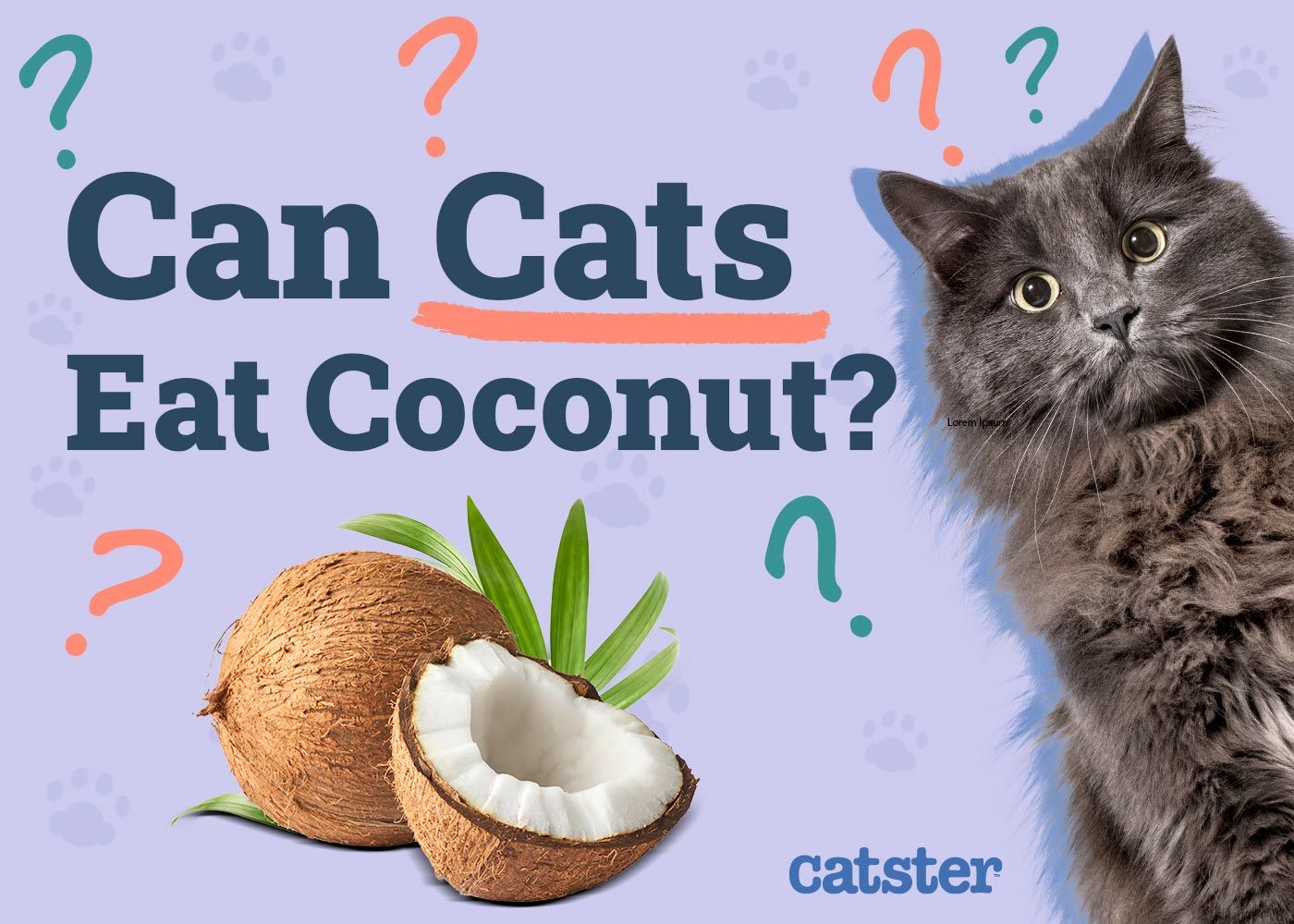
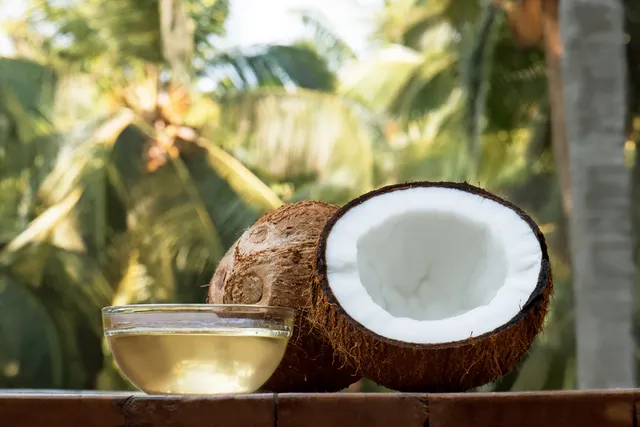
Coconut has made a name for itself in the last few decades as a health food, thanks to the nutrient density of everything from coconut water to coconut oil. Although it is technically a type of fruit called a dry drupe, it can also be categorized as a nut and a seed, thanks to some loose botany rules.1 Regardless of how you classify coconut, it’s a popular ingredient in many dishes.
Due to its popularity, it’s likely for your cat to come into contact with food products containing coconut at some point, not to mention how popular coconut oil is in online pet groups as a magic cure for every issue from a dull coat to fleas. Let’s talk about the safety of giving your cat coconut-containing foods and what potential risks coconut might have for your cat.
Coconut is not considered toxic to cats, but it is on the ASPCA list of foods that should be avoided in cats. This means it’s less likely that a very small piece of coconut flesh that your cat ate by mistake will cause them any serious harm. However, there is no scientific evidence that cats will benefit from coconut and its products, such as coconut oil, in any way, and many may develop digestive and other health issues from eating foods like coconut.
Speak to a veterinarian before offering your cat any new or human food ingredients, as they may not be suitable for every cat depending on their medical history, individual preferences, lifestyle, diet requirements, or current medication.

Can Cats Eat Coconut?
While some cats can eat a small amount of coconut-containing products without suffering ill effects, the important takeaway is that they shouldn’t. It is not directly toxic to cats, but that does not mean it's advisable for them to eat it. The ASPCA advises against giving any coconut products to your cat.2 Both coconut oil and the fruit's flesh can cause diarrhea, vomiting, and stomach upset due to the oil content.
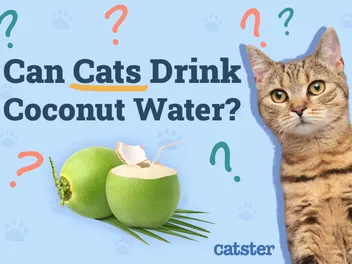
Coconut water should also be offered very sparingly, if at all, particularly in pets with certain underlying health issues since it contains high levels of electrolytes, especially potassium. This can lead to worsening electrolyte imbalances that could be detrimental to your cat’s health, especially if given in a large enough amount or too often to cats with already abnormally high levels of potassium in the blood.

Is Coconut Healthy for Cats?
Coconut, specifically coconut oil, has some claimed yet unproven health benefits for cats. Many of these remain anecdotal or are extrapolated from human medicine rather than proven by specific research. It’s crucial to consult with a vet, as the high oil content in coconut products may lead to weight gain in cats, digestive and pancreatic issues, and is not something we would safely recommend for your kitty cat.
If you're still considering using any coconut products, ensure to do so based solely on the vet’s professional recommendations and advice. Many products may contain other potentially harmful ingredients for your cat. Some of the claimed anecdotal benefits of coconut oil are its use for skin and certain digestive issues, although more critical studies are necessary to better describe safety and adverse effects when it comes to coconut and cats.
Our advice, based on evaluating available literature and lack of scientific research, is to avoid giving your cat any coconut or coconut products, particularly without consulting with a veterinarian.
If your cat is experiencing any health problems, it’s especially crucial to talk to a vet before considering any coconut oil or other products for your cat. They will be able to give you guidance and diagnose the issue at hand, finding an appropriate and effective treatment plan for your cat. It’s especially important to talk to a vet if you are not sure what’s going on with your cat since coconut oil can worsen many conditions.
Should I Give Coconut to My Cat?
Based on everything we discussed, we feel it’s better to keep coconut products away from your cat. Many vets caution against using coconut oil due to the lack of scientific evidence that is required to establish the safety of these products for our feline companions.
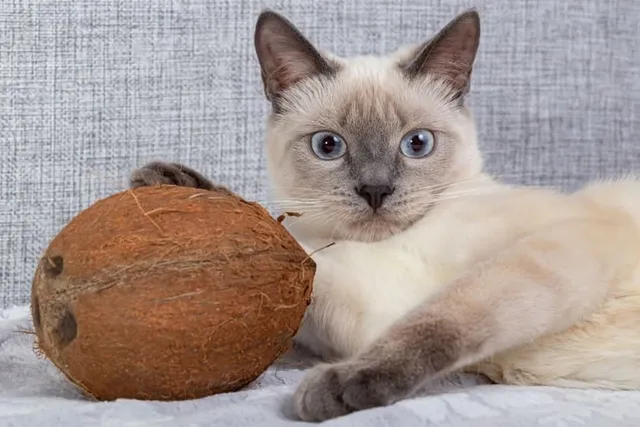
However, this does not mean that your cat will experience any ill effects if they manage to eat a small amount of coconut flesh left sitting on your countertop. Most will probably be just fine, while some cats may develop a digestive upset.
Don’t forget that coconut and its products are also quite fatty, and besides a stomach upset, long-term usage may lead to weight issues. As mentioned before, there is a risk of digestive and pancreatic issues in some cats, particularly those with underlying or chronic health problems. Even a small amount of coconut may cause unwanted effects in such animals, which is why a vet’s advice is invaluable.

What About Coconut Oil and Milk?
We would advise you to speak to your vet before considering any coconut oil products. They may contain other harmful ingredients for your cat, and currently, their benefits are purely anecdotal. Coconut oil is not toxic to cats either, but it is quite fatty and may lead to health issues in some felines, while others can have a small amount without any side effects.
Coconut milk is considered safe for cats, but they will not benefit from it in any way and certainly don’t need it in their diet. It may also lead to digestive issues in some cats, while others can have a sip without any serious side effects.
There is no evidence that coconut oil helps against a flea infestation. If you still choose to use coconut oil topically for your cat’s skin or coat issues, consult with your vet first. Your cat will groom themselves, removing topical coconut oil. If you apply a large amount to your cat and they groom it off, they may end up with stomach discomfort because of it. You should also avoid using coconut oil topically too often, as this can lead to worsening skin issues over time.
In Conclusion
If you’re planning to start using coconut oil for your cat, you should talk to your vet first. Coconut oil and other coconut products can do more harm than good for certain medical conditions and even some healthy cats. To keep your cat healthy, your vet will be a great resource to help guide you in caring for your cat’s needs. If your cat has an issue you feel coconut oil may help with, call your vet to verify the potential of safety for your cat.
On the other hand, if your cat accidentally ate a little bit of coconut flesh or licked any of the oil that does not contain any other potentially harmful ingredients, get advice from the vet. Most cats may not experience any serious side effects, but it will depend on the amount eaten. Coconut and its products are not something most cats would choose to eat on their own, and further scientific research is required on its safety for our feline companions.

Expert cat care, straight to your inbox
Vet-reviewed advice, behavior tips, and the best of Catster. Free, and you can unsubscribe anytime.
By signing up, you agree to our Terms & Conditions and Privacy & Cookies Policy.
Brooke Billingsley, a former veterinary assistant for nine years, became a nurse in 2013. She lives in Arkansas with her boyfriend of five years, surrounded by her beloved pets: three dogs, two cats, five fish, and two snails. Brooke has a soft spot for special needs animals, caring for a three-legged senior dog and a widely known cat with acromegaly and cerebellar hypoplasia. She has developed a keen interest in fish keeping and is always learning how to provide the best environment for her aquatic pets. In addition to her passion for animals, Brooke enjoys gardening and maintains a vegetable garden during the summer. She stays active with yoga and received her 200-hour yoga teacher certification in 2020. Brooke also hosts a podcast that delves into folklore and myth, dedicating her spare time to research and writing. She embraces the philosophy that every day is an opportunity for learning and growth, continually working to acquire new skills and knowledge.
Join the conversation
Ask a question, share your story, or send private feedback.