Can Stress Cause a Heart Murmur in My Cat? Here's What You Should Know

In this article
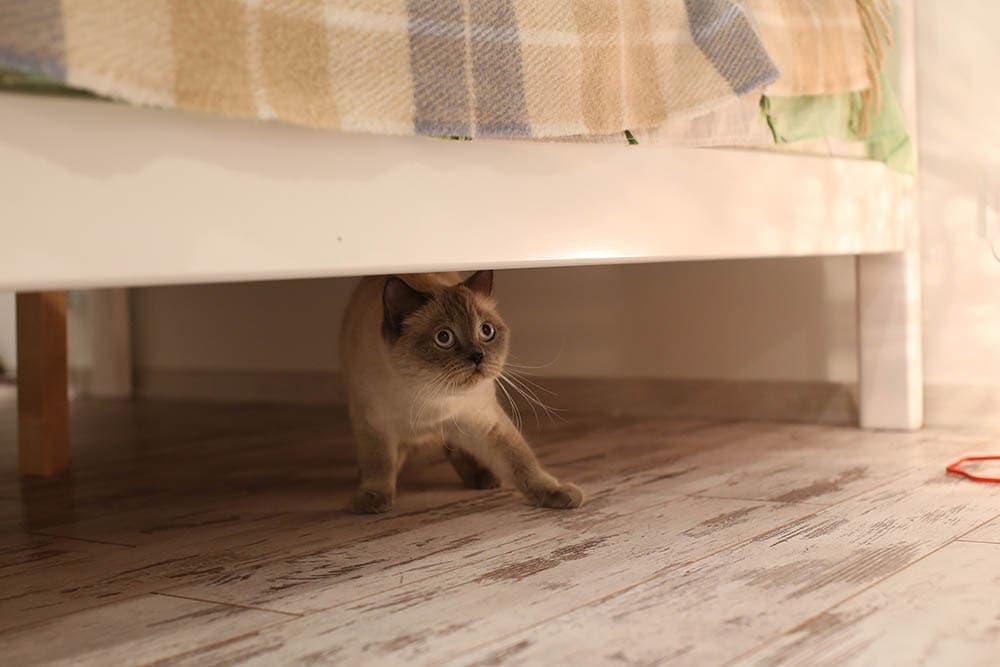
Normal, healthy cats can get temporary heart murmurs due to stress1. The adrenaline and cortisol released into their bloodstream in stressful situations cause temporary changes to their cardiovascular system. However, this isn’t necessarily a problem. The heartbeat goes back to normal as soon as the feline calms down.
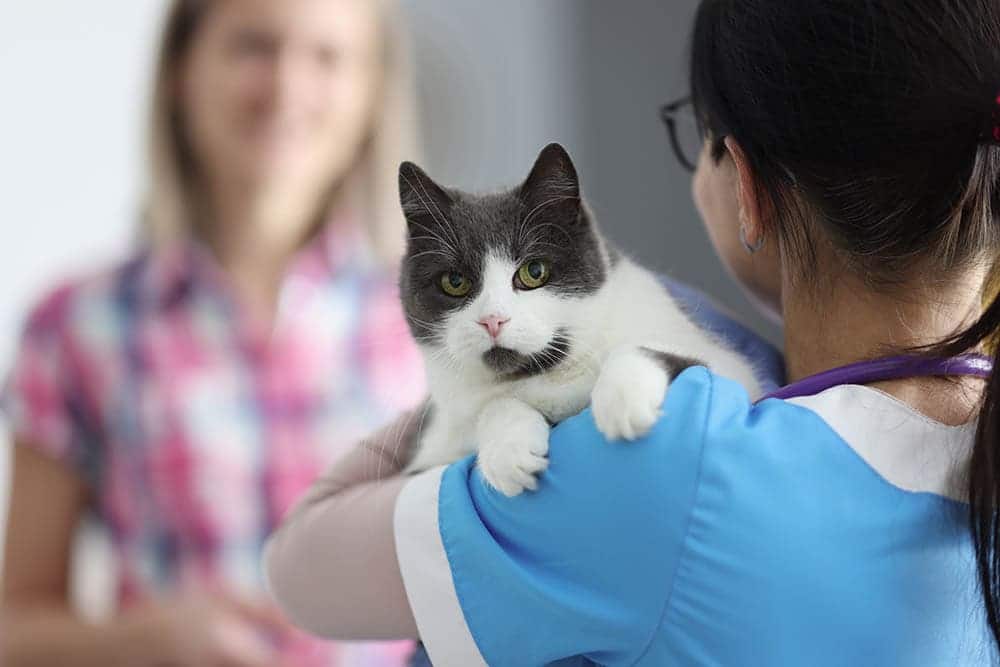
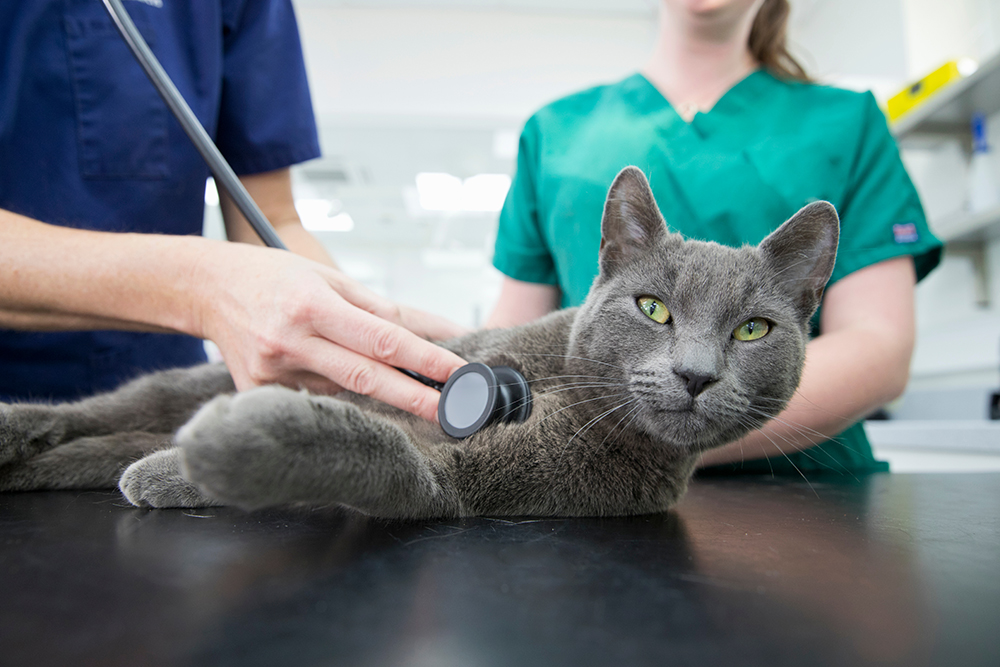
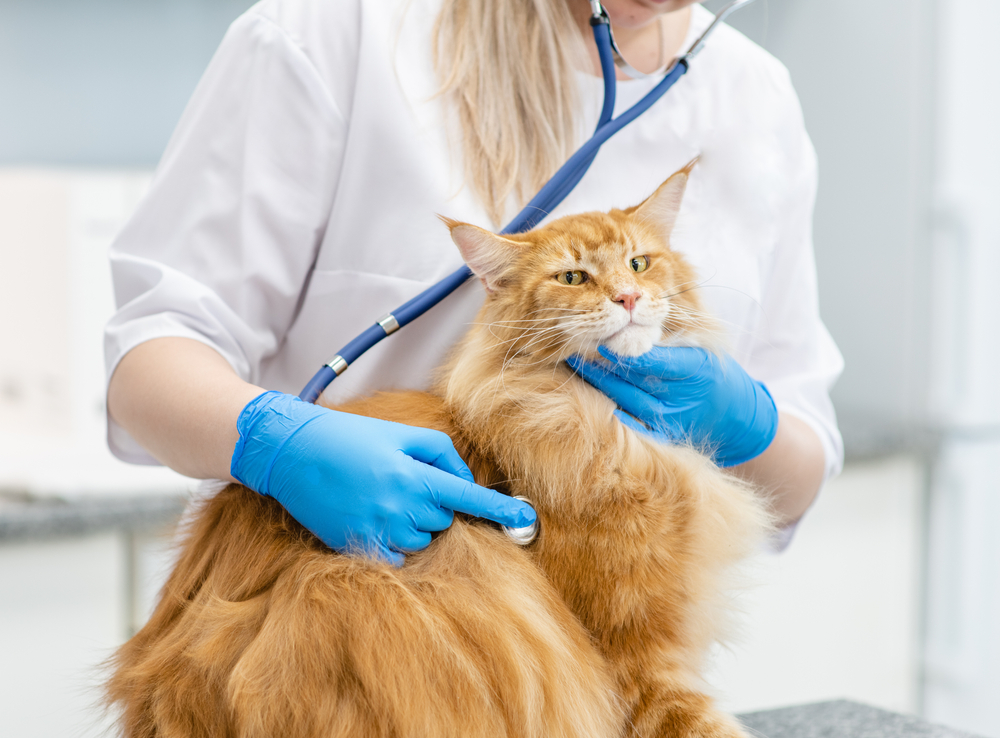
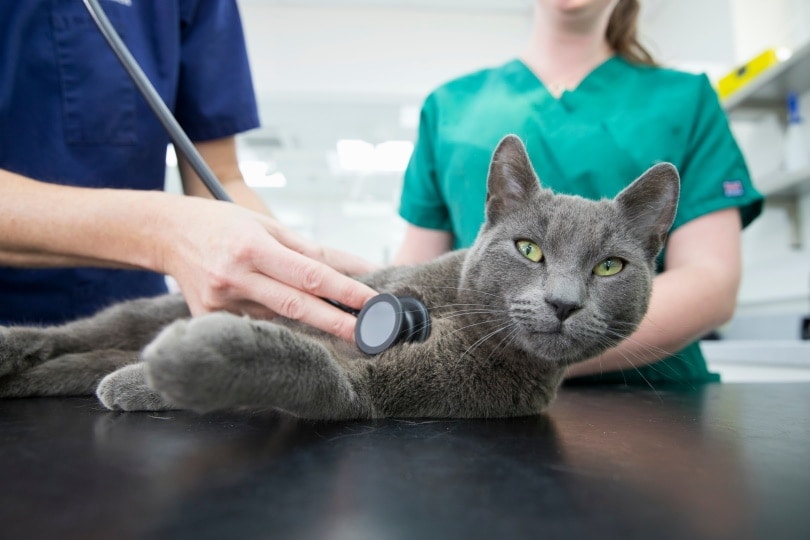
However, this phenomenon can make diagnosing heart murmurs in cats difficult. Often, cats are stressed when in the vet’s office. Therefore, listening to the cat’s heart can throw off the diagnosis. Luckily, there are often other signs that can clue a vet into whether or not it is a real heart murmur or a temporary one.
Furthermore, innocent heart murmurs can also be heard, which are present all the time but don’t have any adverse effects. These heart murmurs don’t require treatment, though the vet may want to monitor them.

What Causes Heart Murmurs?
Real heart murmurs that require treatment aren’t typically caused by stress. Instead, they are congenital issues that occur when the cat is born and while the fetus develops. Alternatively, diseases can also cause changes in the heart's size and shape later in life. These murmurs can either be caused by heart disease or something else altogether.
The underlying cause of a pathological heart murmur may be treated even when the murmur isn’t necessarily bad. Many of these diseases are progressive, meaning they get worse over time. Therefore, treating these harmful heart murmurs early can be vital to your cat’s health.

What Does a Heart Murmur Sound Like in Cats?
Heart murmurs do not sound “normal.” Anything outside the norm can be labeled a heart murmur. It is impossible to tell the severity of the underlying disease purely by listening to a heart murmur. The loudness or sound of a murmur is not necessarily correlated with its effects.
Therefore, more testing is needed to determine the severity of the disease and treatment necessity. Still, heart murmurs are labeled based on their sound, even if this information doesn’t tell us much. For instance, Grade I murmurs are barely noticeable and may only be heard occasionally.
Other times, the murmurs may only be detected from a specific location. On the other hand, Grade VI murmurs are extremely loud and always noticeable. You may even be able to feel them.

Heart murmurs sound different depending on when they occur. Each heart goes through a short cycle as it pumps. The murmur can appear anywhere in the cycle, depending on the problem. Furthermore, where the murmur is located in the heart will also determine when it can be heard, especially in lower grades.
You may only be able to hear the heart murmur when it's right over that spot of the heart, for instance.
Other Causes of Heart Murmurs
Besides stress, there are several other causes of heart murmurs. They can lead to a severe heart murmur that requires treatment or one that is labeled as innocent. It depends on what is creating the murmur.
1. Structural Defects
If the heart isn’t formed correctly, a structural defect can occur. Of course, it can also occur later in life due to injury or some diseases. The blood in the heart is designed to flow in a specific direction without turbulence.
If changes occur to the heart's size, shape, or valves, blood flow can become turbulent and create a murmur. Sometimes, a murmur can be heard, but no underlying cause is found. The heart murmur is often innocent in those cases and doesn’t require treatment.
Cardiomyopathy is an illness that changes the structure of the heart. Simply put, the cat’s heart walls change in thickness. This decreases the heart’s efficiency, as less blood can fit inside the heart or may be less effective at pumping blood. This leads to all sorts of issues and can become quite serious. Other cardiac diseases also affect the heart’s structure.

2. Extracardiac Problems
Other problems can lead to heart murmurs. For instance, some of the most common extracardiac causes of heart murmurs are anemia, hypoproteinemia, fevers, and high blood pressure. Of course, these problems are dangerous in themselves, and they require veterinary intervention.
However, some extracardiac problems are not necessarily dangerous. For instance, pregnancy can temporarily cause a heart murmur in cats. That isn’t necessarily bad, and the heart murmur often dissipates when the cat gives birth.
A vet can determine whether a heart murmur (or whatever is causing it) is dangerous.
When Are Heart Murmurs in Cats Dangerous?
A vet can tell if a heart murmur is dangerous in several ways. Typically, they begin with a physical exam and then move on to checking blood pressure, getting chest x-rays, checking bloodwork, or doing a cardiac ultrasound, which may also help determine how concerning a murmur is.
Your cat’s stress levels are also considered. A very stressed cat may need to be reevaluated later, or the vet may recommend a sedative to calm the cat down. If the murmur is caused by stress, this will generally help to determine that.
If your cat is very young, the vet may recommend re-evaluating them later. Kittens can grow out of heart murmurs, so vets often recommend a wait-and-see approach. Similarly, when a new heart murmur is detected in otherwise healthy adult cats, the vet may recommend follow-up visits to determine if it will progress.

Conclusion
Stress can cause temporary (and usually harmless) heart murmurs. When the cat is no longer stressed, the heart murmurs usually go away. However, murmurs should never be ignored. Therefore, if your cat is stressed and the vet hears a heart murmur, they may recommend re-checking them later. If your cat is always stressed at the vet, a sedative may be necessary to determine if the heart murmur is “real” or just caused by stress.
Related Reads:
Featured Image Credit: Juice Flair, Shutterstock

Expert cat care, straight to your inbox
Vet-reviewed advice, behavior tips, and the best of Catster. Free, and you can unsubscribe anytime.
By signing up, you agree to our Terms & Conditions and Privacy & Cookies Policy.
Kristin is passionate about helping pet parents create a fulfilling life with their pets by informing them on the latest scientific research and helping them choose the best products for their pets. She currently resides in Tennessee with four dogs, three cats, two fish, and a lizard, though she has dreams of owning chickens one-day!
Join the conversation
Ask a question, share your story, or send private feedback.