Why Is My Cat So Affectionate All of a Sudden? 4 Vet-Reviewed Reasons


In this article
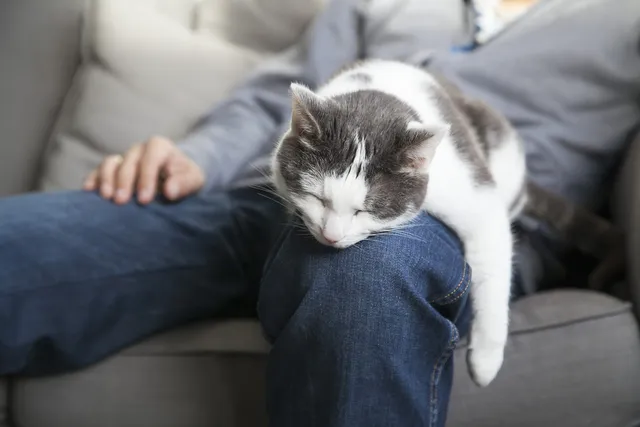
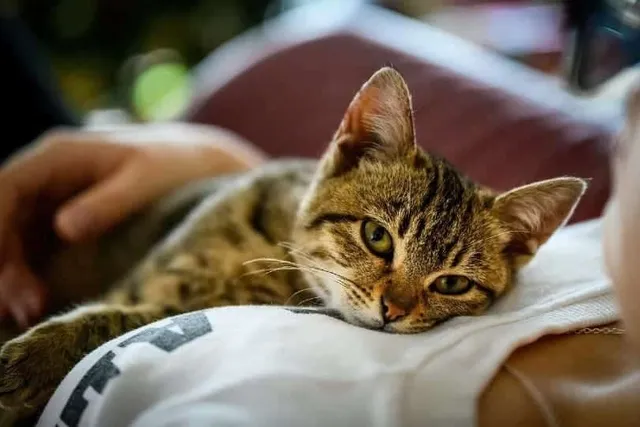
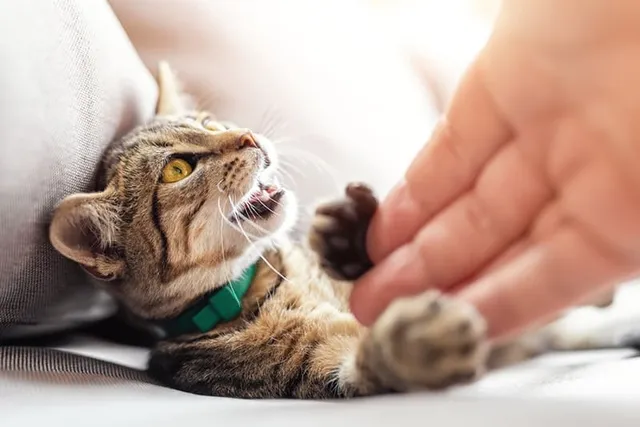
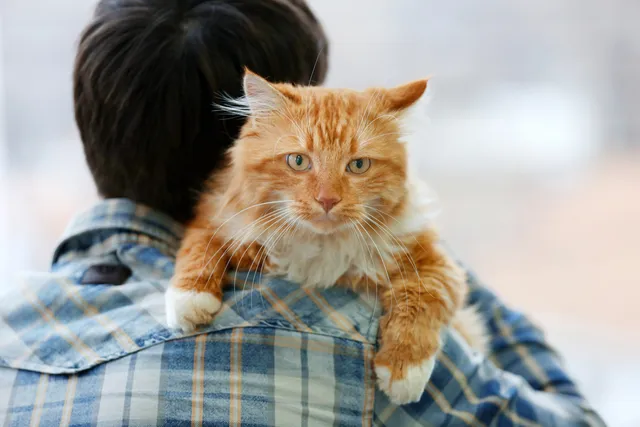
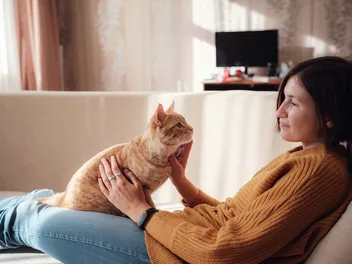
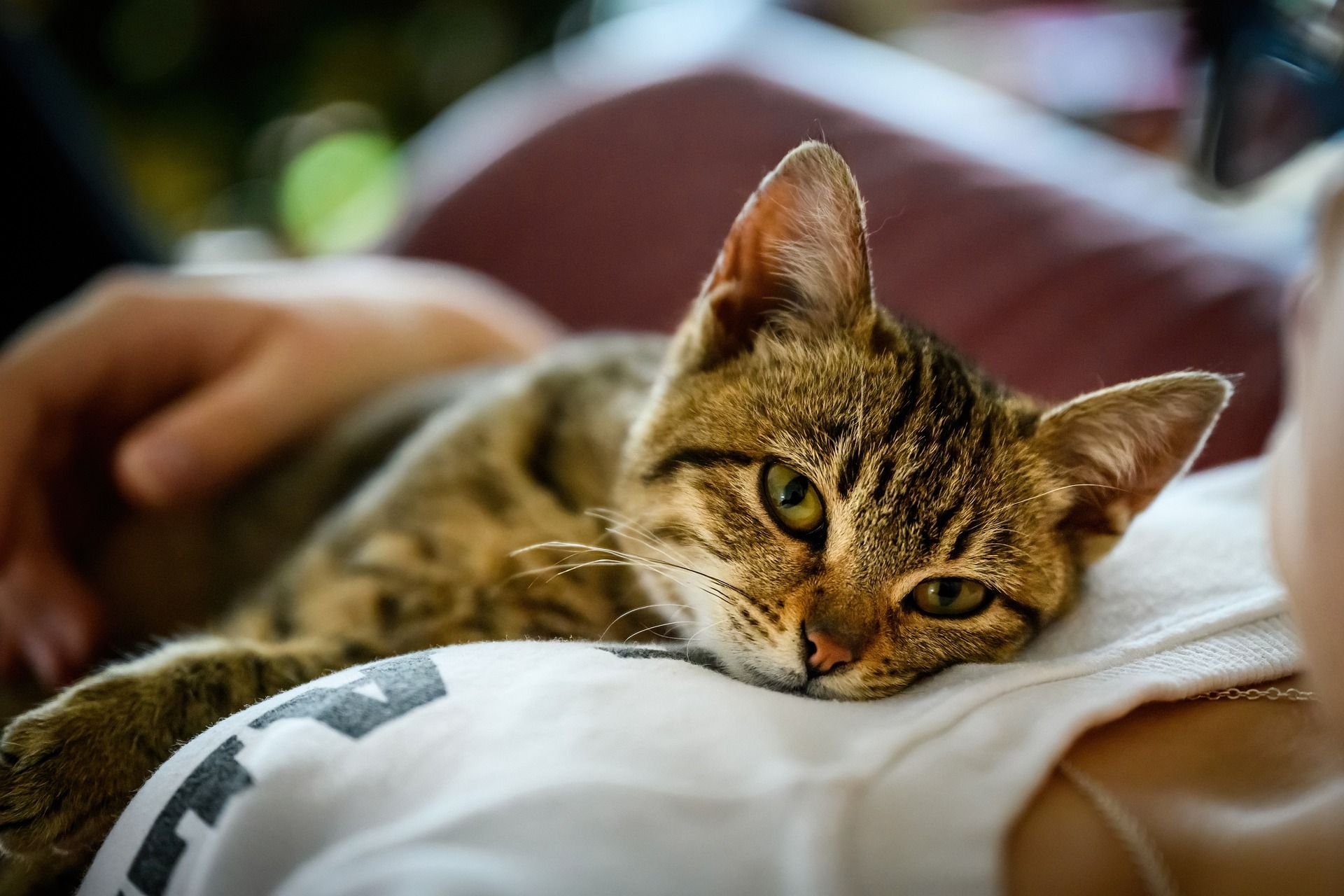
We can all agree that receiving affection from our cats is rarely a bad thing. However, if your cat is suddenly affectionate, you may be a bit suspicious as to why your cat won’t leave your side. Any little change in your cat’s behavior can signal an underlying cause, and there may be a reason for your suspicion.
Luckily, cats are rarely extra-affectionate for a bad reason. Usually, hormones or aging are to blame. Cats change their behaviors as they age, just like us. Therefore, it's sometimes considered rather normal for cats to be more affectionate over time. However, stress and illnesses can cause affection, too.
To help you determine the cause behind why your cat is suddenly more affectionate, we’ve listed some of the most common reasons for increased affection below.

How Much Affection is Too Much?
No amount of affection is too much. It all depends on your cat. Some cats are very affectionate, while others are not. Your cat’s overall friendliness and demeanor will play a significant role in determining the reason. However, their energy level can also affect their affection level.
If your cat is typically running around and doesn’t sit still for long, they probably won’t have much time to be affectionate. Therefore, you should compare your cat’s current affection level to their usual level of affection. If your cat only shows you a little attention, you may want to be suspicious if they suddenly won’t leave you alone.

The 4 Reasons a Cat is Suddenly Affectionate
1. Aging
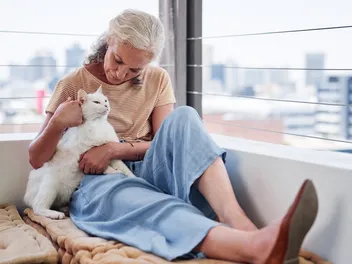
Older cats become more affectionate for a few reasons. First, they often slow down and stop being as active. Therefore, they may have more time to cuddle and follow you around the house.
Cats can also lose some independence as they age. This isn’t true for all cats. However, dementia can affect older cats and may limit their ability to be independent. Therefore, your cat may feel more stressed when left alone or need to be closer to you.
Furthermore, older cats may have limited eyesight and hearing. Therefore, they may not be able to locate you from across the house as they could in their youth. To prevent getting separated, they may need to stick closer to you, which can make it seem like they’re a bit clingy.
However, several health conditions can lead to clinginess. Older cats are prone to some of these problems, so we recommend visiting the vet if your cat is suddenly clingy.
2. Hormones
Just like humans, cats have hormones that fluctuate. While males and females will experience hormonal changes, females tend to have more ups and downs than males. For instance, female cats often get more affectionate and clingier when they go into heat, which signals they are ready to breed.
There are several other signs that your cat is also in heat. Many cats will become more vocal and begin rubbing their face on everything, which is a way to mark that they’re “open for business” to passing males.
If your cat is in heat, you should prevent her from interacting with male cats. Of course, don’t let her outside. Males may also try to get in the house, as they can smell an in-heat female from far away.
Pregnancy can also make female cats suddenly more affectionate. Once again, hormonal changes are to blame for this sudden change. Usually, cats will stay affectionate throughout their pregnancy and sometimes even afterward. However, hormones and their effect on our cats vary, so there's no way to know for sure.

3. Anxiety & Stress
Anxiety can have varying effects on our cats. Some cats want to hide and never be seen again. However, other cats can become extremely clingy. Sometimes, cats view us as their “security blanket.” Therefore, to deal with stress, they may simply refuse to leave our side.
Cats can become stressed for various reasons. Very minor changes we hardly notice can affect cats in significant ways. For instance, if your neighbor adopts a new outside cat, your indoor cat may become stressed, especially if they can see the cat through a window.
Small changes in schedules, furniture rearranging, new animals, weather changes, and loud sounds can all stress out our cats. If you start getting home 30 minutes later than normal, your cat may notice and display behavioral changes.
Of course, larger events like bringing home a baby or moving can also affect your cat. However, how much stress a particular event will bring varies from cat to cat.
Usually, you have to wait out these changes. If your cat is experiencing major stress, you can treat them with supplements or medication if your vet feels it is necessary. If you know a particular event stresses your cat out, you may be able to medicate beforehand to prevent severe stress from occurring. Pheromone diffusers, calming supplements, and similar over-the-counter treatments are also available.
Those caring for anxious cats understand the struggles and discomfort that their companions feel on a daily basis. The innovative bowl shape of the Hepper Nest Bed provides nervous pets with support and its high sides offer a sense of security, diminishing stress and worry. To learn about how to the Hepper Nest can provide solace to your cat, click here.

- COMFY KITTY - Your cat or kitten will have an amazingly deep sleep in this self warming, nesting cat bed. The warm, fluffy cat bed lining provides calming stress relief for cats of all ages.
- PRETTY HOME - This round cat bed has a modern and unique design that’s perfect for a sleek indoor look. We don’t think of it as cat furniture but think of the Cat Nest as a “cat home”.
- SPACE SAVER - Reclaim your desk, window sill, or couch from kitten encroachment. This calming nest cat bed has an elevated, space-saving hideout so comfortable your kitty can't resist!
At Catster, we’ve admired Hepper for many years and decided to take a controlling ownership interest so that we could benefit from the outstanding designs of this cool cat company!
4. Illnesses
Typically, a sick cat does not become more affectionate. Instead, a cat’s usual instinct when ill or in pain is to hide. In the wild, a sick cat is a prime target for predators. Therefore, they evolved to be very good at hiding their signs.
However, some conditions may lead to your cat becoming needy or affectionate. For instance, dementia and other brain-related illnesses can cause clinginess. Your cat may be unable to find their way around the house, so they may follow you around.
Eye-affecting diseases can also affect your cat’s clinginess. If your cat can’t see very well, they may cling to you for comfort and security.
Conclusion
Cats can become clingy for many reasons, but usually, the reasons are benign. Whichever is the case, you must be prepared and know how to care for them.
Your cat may experience hormonal differences if they are not spayed or neutered. These can lead to shifts in behavior temporarily, including increased affection. Females are more prone to this than males, as they experience more hormonal fluctuations.
Older cats may also become more affectionate. They may have minor dementia or eye problems, which can lead to increased clinginess. Furthermore, older cats are less active, so they tend to have more time to cuddle.
Stressed and injured cats can also become clingy, though it isn’t very common. Usually, sick cats experience the opposite. However, some cats respond to stress differently and may become clingy instead of hiding.
Sources
Featured Image Credit: Alek_B, Pixabay
Expert cat care, straight to your inbox
News, insights, and useful advice, delivered to you.

No spam — unsubscribe anytime.
By signing up, you agree to our Terms & Conditions and Privacy & Cookies Policy.
How useful was this post?
Click a star to rate. You can leave written feedback afterwards. (We read all feedback.)
Kristin is passionate about helping pet parents create a fulfilling life with their pets by informing them on the latest scientific research and helping them choose the best products for their pets. She currently resides in Tennessee with four dogs, three cats, two fish, and a lizard, though she has dreams of owning chickens one-day!