How Many Times Do Cats Go Into Heat? Vet-Approved Explanation (With Infographic)


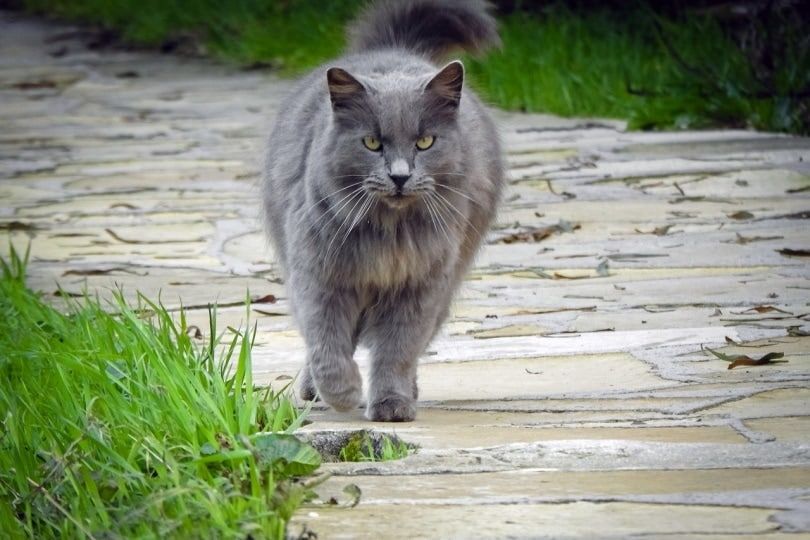
Cats are seasonally polyestrous animals, which means they have multiple estrous cycles throughout the year when days are long (during spring and summer). The average cat goes into heat for the first time at around 6 months of age, but this can vary depending on the breed. Some cats go into heat as early as 4 months old, while others may not go into heat until they are a year old.
In this article, we will explore how often cats typically go into heat and what you can do to help your female feline friend get through this time safely.

What Is a Heat Cycle?
A heat cycle in cats occurs when a female cat's reproductive system is preparing for copulation. A female cat goes through this reproductive process when she is ready to mate. The cycle is controlled by the cat's biology and hormones and usually lasts up to 2 weeks.
During the first week, the cat's body prepares for mating by releasing a large amount of estrogen. A heat cycle causes the cat's vulva to become swollen and her behavior to change. She will become more affectionate, may display increased vocalization or roaming behavior, may lick her genital area more frequently, and might start searching for a mate.

When Can a Cat Become Pregnant?
When cats are exposed to 14-16 hours of daylight or artificial light, they usually go into heat, assuming they have attained at least 80% of their adult size and are free of any health issues that would prevent a cycle. When a female cat is in heat, she can breed at a time known as estrus, which we’ll explain shortly. The act of copulation releases eggs from the ovaries of cats. Ovulation usually occurs after three to four matings during estrus.
Mating takes only a minute or two for cats, so they can mate multiple times in a short space of time. During this period, female cats may also mate with several different male cats, so a litter of kittens may have several different fathers. The female cat will go out of heat once estrus ends naturally or if she’s mated and ovulated.
How Often Do Cats Go Into Heat in a Month & in a Year?
Cats have a polyestrous reproductive cycle, which means that they have multiple estrus cycles throughout the year. However, this can vary depending on the individual cat. Even if we exclude the 3 months of winter, when many cats are not as fertile, a healthy, intact female cat on a 3-week cycle still could go through up to heat cycles 12 times each year. If a cat’s exposure to artificial light is triggering her hormones and her cycle is shorter at 2 weeks, she could have as many as 26 heat cycles per year.
If you are unsure of how often your cat is going into heat, it is best to ask a veterinarian. Cats are extremely prolific. If you don't want your cat to have kittens, you'll need to get her spayed before she goes into heat.
Can Cats Go Into Heat Twice a Month?
Yes, cats can go into heat up to twice a month. Typically, felines go into heat every 2–3 weeks. This is because they have a polyestrous reproductive cycle, which means that they have multiple estrus cycles throughout the year. This also allows them to mate and conceive year-round.
Do Indoor Cats Go Into Heat More Often?
Because of the shorter length of daylight in the winter in North America, almost all cats kept indoors will experience winter anestrus, meaning they will not be in heat or be able to get pregnant between October and January. However, there is some evidence that artificial light could keep some cats in a state of reproductive readiness all through the shorter months of the year.

How Can I Stop My Cat From Going Into Heat? Should I Spay My Cat?
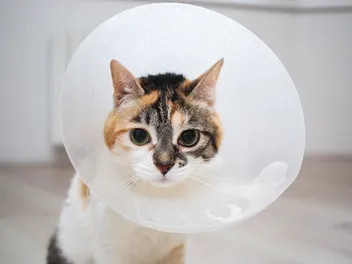
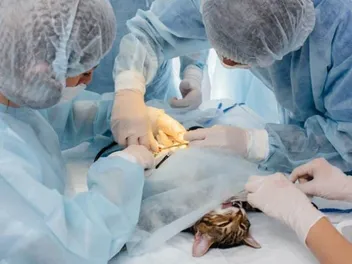
It is important to have your cat spayed if you want to prevent her from going into heat and conceiving. Her ovaries and uterus will be surgically removed during the procedure. There are a variety of factors to consider when deciding whether or not to spay or neuter a cat. The primary benefit of spaying or neutering is population control; however, there are other benefits as well. Spaying eliminates the risk of ovarian and uterine cancer in female cats, while neutering eliminates the risk of testicular cancer and greatly reduces the risk of prostate cancer in male cats.
What Is the Duration of a Cat's Heat Cycle?
Female cats in heat will stop showing signs of heat within 24–48 hours after ovulation, which will happen only if they mate or once estrus naturally ends. Other than that, cats will be in heat for about 7 days (ranging from 2–19 days). As long as there's daylight or artificial light, this cycle can repeat every 2–3 weeks.

The Phases of Heat Cycles in Cats
There are five phases of a heat cycle in cats: proestrus, estrus, interestrus, diestrus, and anestrus.
Proestrus
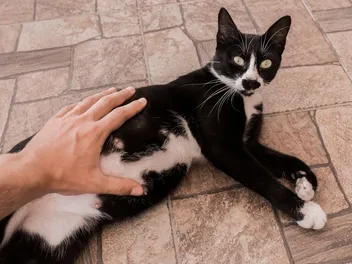
The first stage of the feline estrous cycle is proestrus, which is typically marked by behavioral changes in the cat. During proestrus, cats will become increasingly loving and may seek out attention from their owners. Proestrus can be much harder to detect in cats than in dogs. Oftentimes, this part of the estrous cycle lasts just 1 day, and the signs are subtle. As a result, it often goes undetected. In proestrus, many cats rub their necks and heads against convenient objects and display affectionate behaviors.
Occasionally, cats in proestrus exhibit mucus discharge from the vulval area, and they may also start to spray urine around the house as a way of marking their territory. During the proestrus, male cats may be attracted to female cats, but the female cat will not be receptive to breeding.

Estrus
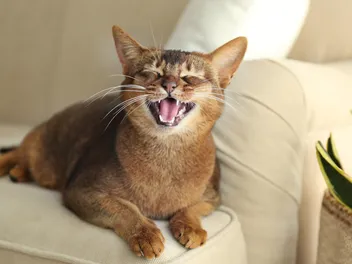
Estrus is characterized by behavioral receptivity to mating. It can last as little as 2 days or as long as 19 days, with an average of 7 days. There's conflicting evidence about whether mating shortens estrus. A female cat in estrus will crouch with her front legs pressed to the ground, her back bent, and her tail turned to one side to show her vulva. You may see her rolling on the ground or thrashing around. In estrus, female cats call and vocalize a lot to attract males.
Signs include restlessness, poor appetite, and increased affection for their caregivers. They also accept males while in estrus. Inexperienced owners often interpret estrus behavior as a sign of illness or injury. A veterinarian can perform a blood test to verify whether a cat is in estrus, and many times, owners will bring their cats into the vet for this blood test to determine when their cat can be bred.

Interestrus
In the absence of mating, a female cat cannot ovulate, so she will enter interestrus—the period between heat cycles. Sexual behaviors are not observed during this period because fertility hormones are low and the female won’t exhibit any further signs of being in heat as her estrogen levels drop. It will take her anywhere from 2 days to 3 weeks to return to being in heat. Throughout the mating season or until the female becomes pregnant, the cycle of proestrus, estrus, and interestrus will continue.
Diestrus
It's the act of breeding that causes cats to release eggs from their ovaries. That means they are induced ovulators. If the female cat has mated, she will enter the diestrus phase. If mating has been successful and an egg has been fertilized, 84% of embryos will successfully implant in the cat’s uterus within 12–13 days after pregnancy. If the female cat has mated but fertilization or implantation has not been successful, or embryonic loss has occurred, the cat may go into pseudopregnancy. Pseudopregnancy can last about 40–50 days.
Pseudopregnancy can also happen if a female has an encounter with but doesn’t conceive with a male during her estrus. Feline pseudopregnancy isn't usually accompanied by maternal behaviors or lactation.

Anestrus
At this time, cats are in their reproductively dormant period. Due to the drop in hormones, there is no estrus cycle activity and the female cat is no longer in season. Feral and outdoor cats experience heat cycles during spring and summer. As the days get longer, they produce more hormones. As winter rolls around, outdoor cats aren't stimulated to go into heat. Indoor cats may continue to experience heat cycles all year round due to their experiencing longer periods of artificial light.

Conclusion
In conclusion, cats go into heat multiple times a year. This can be a trying time for both cats and their owners. There are ways to help minimize the stress caused by this, including spaying your cat. There are many benefits to spaying your cat. It can help reduce the number of homeless cats and kittens, help control the pet population, and improve your cat's health. If you are considering spaying your cat, please contact a veterinarian for more information.
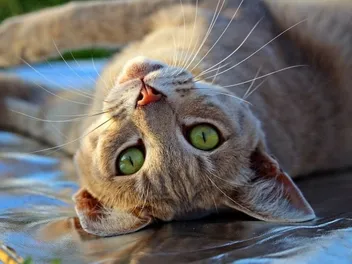
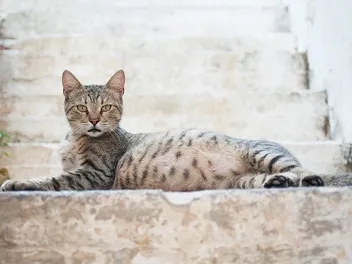
Featured Image Credit: dimitrisvetsikas1969, Pixabay
Expert cat care, straight to your inbox
News, insights, and useful advice, delivered to you.

No spam — unsubscribe anytime.
By signing up, you agree to our Terms & Conditions and Privacy & Cookies Policy.
How useful was this post?
Click a star to rate. You can leave written feedback afterwards. (We read all feedback.)
Christian started writing for a local newspaper as a teenager, and he's been involved in the publishing industry for most of his adult life. Combining his love of writing with a passion for animals, he is currently the Director of Editorial at Pangolia and the Editor-in-Chief at Catster.
Christian lives in the Philippines with his wife, son, and four rescue cats: Trixie, Chloe, Sparky, and Chopper.