Get

In Your Inbox

Catster is reader-supported. When you buy via links on our site, we may earn an affiliate commission at no cost to you. Learn more.

How Long Are Cats in Heat? Vet Reviewed Facts & Info

Share

female european cat_Pixabay

It’s that dreaded time again. Your female cat is showing the signs that she’s going into heat, and you’re wondering how long it will last. During her estrous cycle, a female cat is receptive towards males for a period of anywhere from 3–7 days (with 6–7 days being the average length of time). However, the entire estrous cycle could last up to three weeks, so we’ll go into how the heat cycle works and what you can expect during this time.

It can be a challenging time for cat owners and for your cat, so understanding what your cat is going through is essential, particularly if you’re unsure if you want to have your cat spayed.

divider cat paws oct 2024

The 5 Stages of a Cat in Heat

Cat Heat Cycle
You are free to use this image but we do require you to link back to Catster.com for credit

There are five stages of a cat’s heat (also known as estrus) cycle, so we’ll go over these to better understand the entire process. This should give you a much better understanding of what your cat goes through once she starts to go into heat.

1. Proestrus

This is the first cycle, which can last about 2 days. During this time, the female starts to attract unneutered male cats, but she isn’t ready for mating. The female doesn’t typically show any signs or demonstrate any changes in behavior during proestrus.


2. Estrus (in heat)

Estrus is the cycle that probably brought you to this article, as this is where the behavior is at its most obvious. The estrus cycle can last anywhere from 2 to 19 days but generally averages about 6 or 7 days. The female cat is now receptive to unneutered males and can become pregnant at this stage. Mating may shorten its duration; however, this isn’t a guarantee. Therefore, a cat that has mated during estrous may continue mating with other males as well.

male cat smelling female cat
Image Credit: Magui RF, Shutterstock

3. Interestrus

This stage occurs when the female cat has not ovulated, which only results when the male mates with the female. So, if the female doesn’t mate and isn’t impregnated while in the estrus cycle, she will enter into interestrus.

This cycle can last 13 to 18 days until proestrus begins the cycle again. The female cat won’t show any behavioral changes during the interestrus phase.


4. Diestrus

This particular cycle only occurs when the female cat has ovulated, which is when she has mated with an unneutered male. If she is pregnant, it lasts about 65 days. In some instances, she doesn’t become pregnant but still has a relatively long diestrus period, which can last about 40 days. This is often associated with a phenomenon known as pseudopregnancy, where a cat displays all the signs of pregnancy without actually being pregnant.


5. Anestrus

When the female cat is not in heat, she is in anestrus. This cycle usually occurs in the late fall and through winter, which is when the fertility cycle decreases because of the longer days.

In stray and feral cats, anestrus is quite prevalent, but because indoor cats live in an environment with artificial lights, they are more prone to going through the heat cycle all year.

cat licking its paw
Image Credit: Hannah Oliver, Unsplash

divider cat paws oct 2024

How Often Do Heat Cycles Occur?

Female cats will have multiple cycles throughout the breeding season, which will differ depending on where they are geographically located, the temperature, and how many daylight hours there are.

For those countries north of the Equator, when there are typically 14 to 16 hours of daylight, cats will regularly go into heat, usually from about the middle of January to the middle of October.

During this time, as long as a cat does not become pregnant, she can go into heat at least every 2 to 3 weeks. She will continue going through the heat cycles as long as she doesn’t mate or until she is spayed.

At What Age Do Cats Go Into Heat?

Most cats can start their first heat cycle as early as 4 months of age, but the average age tends to be somewhere around 5–9 months.

If you’re considering having your female kitten spayed, the standard age to spay a cat is about 4–6 months old, as this is when it’s safest for the cat.

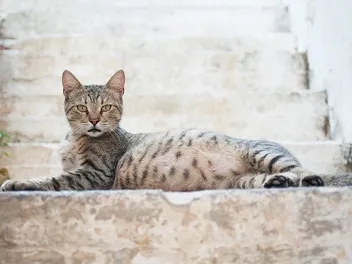
Cat in heat lying down
Image Credit: rihaij, Pixabay

How Do Cats Behave When in Heat?

Female cats have quite obvious outward signs when they are in heat. Some of the behavioral conditions may include:

  • Excessive grooming: If your cat spends an inordinate amount of time grooming herself, particularly in her genital area, she might be in heat. If her grooming habit becomes excessive, but she doesn’t have any other symptoms of being in heat, you should take her to see the vet, as this could also be a sign of a urinary tract disorder.
  • Overly affectionate: Perhaps your cat is already very affectionate, but if she displays more than the usual amount of neediness, she might be in heat. You might notice your cat rubbing herself on everything within reach and looking for almost constant attention.
  • Lack of appetite: You might notice your cat losing interest in mealtime as her instincts have turned towards reproduction rather than eating. This behavior, however, should only last about 2 weeks, so do see your vet if her lack of appetite goes on longer than this.
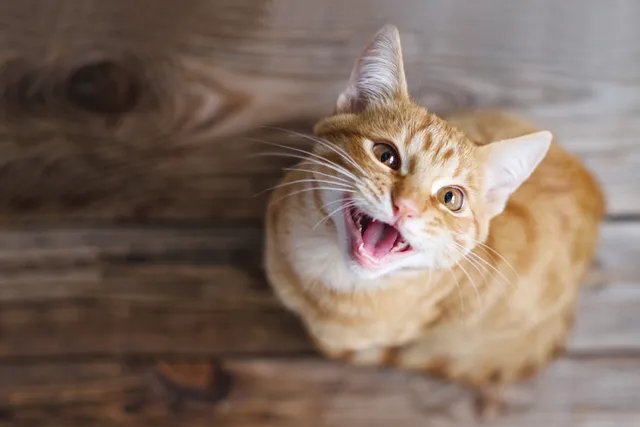
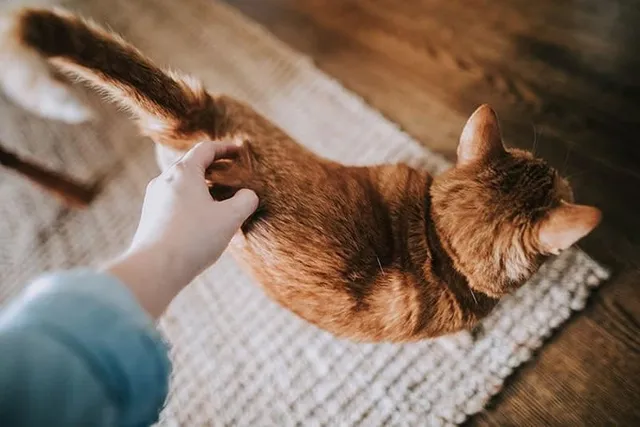
  • Physical signs of mating readiness: Your cat will occasionally lift her hind end and tail and assume the mating position – the head is down with the forelegs bent, and the rear end is up with her tail raised and held to the side. It will also include keeping her back legs in place. She will do a lot of vocalizing and rolling around.
  • Escape attempts: Your cat’s instincts will drive her to get outside, where all of the unneutered males will be happy to accommodate her. If your cat is an outdoor cat and you don’t want her pregnant, you’ll need to keep her indoors. If she is an indoor cat, you will need to keep a sharp eye on her as she will try to get out every chance she gets.
  • Marking behavior: Some female cats might resort to spraying surfaces with urine. She’ll back up to a wall or other item, raise her tail, which will look like it’s vibrating, she might tread her back legs, and then spray. The urine is full of hormones and pheromones, which are designed to draw unneutered male cats to her.

Not every cat will exhibit all of these signs, and they will vary from cat to cat. These are all perfectly normal for a female cat but can be rather frustrating for the cat owner.

Reasons for Preventing Feline Pregnancy

The female cat can give birth to as many as 5 litters every year, and each litter averages four to five kittens (it can also be anywhere from one to twelve kittens). This means your unspayed cat can have an average of 20 kittens every year, which will add to the problem of the overpopulation of cats, particularly if you end up taking them to an animal shelter or humane society.

And she will be in almost constant heat, which is actually highly stressful for her unless you own a cat with a pedigree and are a responsible breeder.

Cats that go through a heat cycle continuously will potentially lose weight, overgroom, and tend to acquire behavioral issues. Notwithstanding driving you a little crazier each time a heat cycle arrives.

mother cat and its kittens
Image Credit: Esin Deniz, Shutterstock

divider cat paws oct 2024

Conclusion

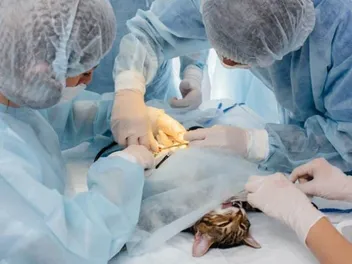
So, while the actual heat cycle in which your cat will be, shall we say, frisky, doesn’t last too long, it will happen frequently enough that you will probably want to get your cat spayed. You certainly don’t want her to be uncomfortable and stressed, and this whole thing will probably make you pretty uncomfortable and stressed. Having your cat spayed before she even has her first estrous cycle is your best bet and will be worth saving your cat a certain amount of distress and your sanity.

See Also: 


Featured Image Credit: Pixabay

Want content like this delivered to you?

Sign Up For Our Newsletter

News, insights, expert advice, and everything cat

* By submitting, you agree to our Terms & Conditions and Privacy & Cookies Policy.


How useful was this post?

Click on a star to rate (you can leave written feedback after clicking submit)

Help us improve Catster for pet parents!

Your feedback really matters.

What did you like about this post? Also how can we improve it?

Join the conversation

Leave a Reply

You’re very welcome to leave a comment or question. Please know that all comments must meet our community guidelines, and your email address will NOT be published. Let’s have a positive and constructive conversation.


Catster's Digital Magazine is Back!

Vet-approved health & behavior advice

Real cat stories & community features

Weird Cat Behaviors That Actually Make Perfect Sense

We have been sharing our lives with cats for thousands of years, yet we still find ourselves genuinely stumped by what they get...

The Dream of Talking to Cats Just Got Closer to Becoming a Reality

If you’ve ever wished your cat could simply tell you what they wanted, you’re not alone. From the meow that wakes you before...

Kizzy: The Feline Princess With a Purpose

We were first introduced to Miss Kizzy after she won a licky-treat challenge hosted by Professor Fluffovich, our resident feline research specialist. While...

Chatting With Sally About Mission Meow & Helping Cat Rescue Organizations Collaborate | Chatty Cattys, Episode 24

In this episode of Catster’s podcast, Chatty Cattys, Nicole and Dr. Karyn sit down with Sally Williams, the founder of Mission Meow, for...

More related

Cornish Rex vs. Devon Rex: Main Differences (With Pictures)

It can be easy to confuse the Cornish Rex and the Devon Rex. Their names alone are so similar, coming from the breeds’...

10 Sounds Cats Love the Most & Why They Like Them (Vet-Verified)

Cats are able to hear frequencies up to 85,000 Hertz (Hz), while humans can only hear frequencies between about 20 and 20,000 Hz1....

How to Cat Proof a Balcony: 5 Vet-Approved Tips

Balconies can be a huge source of anxiety for cat owners. It’s just so easy for our furry friends to, well, fall off....

How to Tell If a Cat Is in Heat: 6 Vet-Verified Signs to Look For

We love our cats, but if you own an unspayed female cat, as soon as she’s old enough, she will go into heat...

Keep reading

Can Cats Eat Eggplant? Vet-Reviewed Nutrition Facts

We all love sharing food with our cats but often wonder what foods are fine or harmful. Eggplant might be one of those foods you are unsure about. Even though you might be tempted to share some eggplant with your...

Can Cats Eat Eggplant

Why Does My Cat Act Like My Child? 10 Vet-Verified Reasons

Our relationship with our feline companions has evolved dramatically through the ages. They’ve gone from wild animals to beloved pets. About 95% of people think of their companions as family members.1 Some may do the job that endeared them to...

Siamese cat with kids

How to Make Dry Cat Foods Soft: 6 Vet-Approved Methods That Work

Some owners prefer to feed their cats dry food, whether as a solitary source of food or in addition to wet food meals. Because kibble is dehydrated, cats on a kibble diet should be drinking water to prevent dehydration. However,...

orange cat eating wet food

Can Cats Eat Rabbit? Vet-Verified Health Risks & Precautions

While we may want to think of our precious felines as nothing more than furry companions to spend our days with, they are cunning hunters who enjoy the chase and relish in their victories when they happen. Realizing this leaves...

Can Cats Eat Rabbit

Could Cats Survive in a World Without Humans? Feline Independency Facts

Cats are highly independent pets that seem to enjoy being around humans, even if they don’t “need” us the way dogs and other pets do. That’s because, unlike other domesticated pets, cats are more “tame” than truly domesticated. If humans...

feral cat with ear tip clipped

Why Do Cats Like Chin Scratches? 9 Vet-Reviewed Reasons

If you own a cat, you know that cats love chin scratches. You’ve probably noticed that they will rub their cheeks against your hand or any other surface if you give them the chance. That’s because cats have scent glands...

woman scratching cat's chin

How to Train a Cat to Sleep at Night: 5 Vet-Reviewed Tips

Your cat may sleep during the day, but once the sun goes down, they may start pouncing or playing, jumping all over. Whether you get up early or simply value your beauty sleep, this isn’t a fun way to spend...

Cat sleeping

Why Is My Cat Suddenly Walking Like They’re Drunk? 10 Vet-Reviewed Reasons

It’s a question that concerned cat owners may ask: Why is my cat suddenly walking like they’re drunk? There are many possible reasons for this, and we will discuss some of them below. Cats can become unsteady on their feet...

orange cat shaking its tail

Love Cats? So Do We! Join the Catster Community

Stay informed with expert pet care insights delivered straight to your inbox! Discover professional guidance on animal behavior, feeding tips, trusted product picks, and much more.


Sign up for the Catster Email Newsletter

Stay informed with expert pet care insights delivered straight to your inbox! Discover professional guidance on animal behavior, feeding tips, trusted product picks, and much more.