Ask Dr. Paola – Help! I Am Worried My Cat Isn't Getting Enough Water! (April 6, 2026)
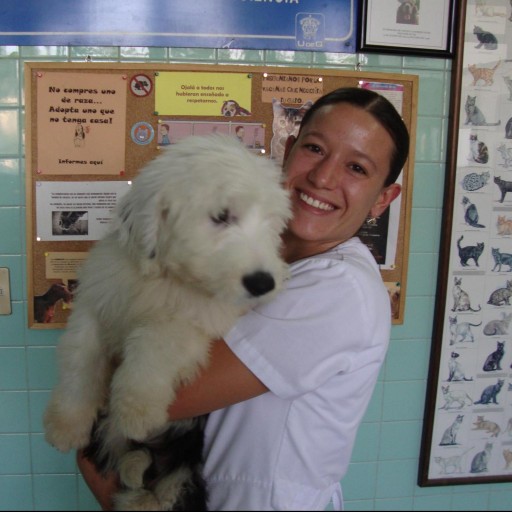
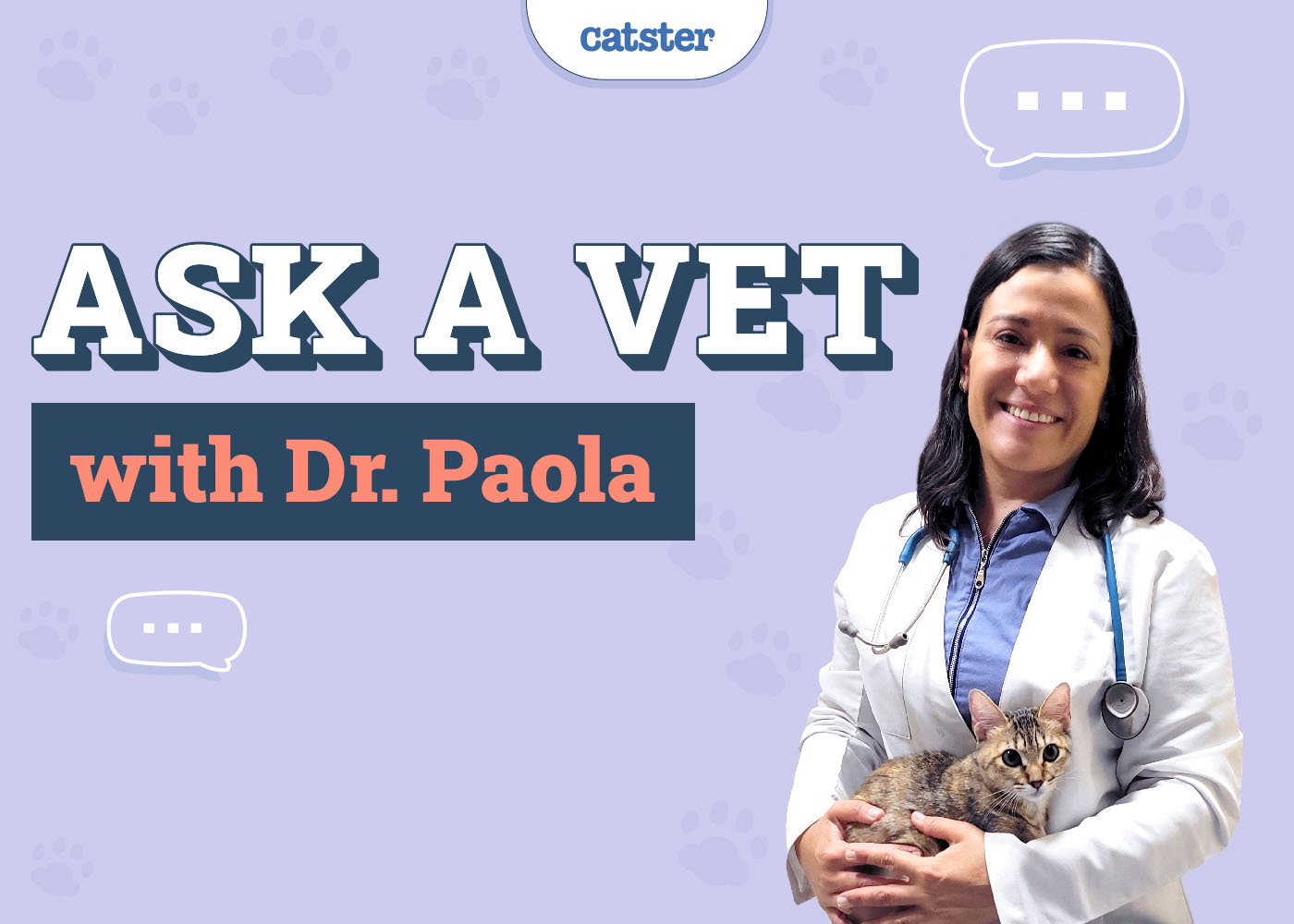
Welcome to our "Ask Dr. Paola" series, where every Monday we bring expert advice straight from Dr. Paola Cuevas (MVZ) to help our readers better understand their cat's health and well-being.
Whether you're a new pet parent or a seasoned cat lover, Dr. Paola is here to provide answers to your most pressing questions. From nutrition tips and preventive care to troubleshooting common behavioral issues, Dr. Paola is ready to offer insights that will keep your kitty happy, healthy, and feline fine. Stay tuned for expert guidance on a range of topics that matter most to you and your cat, so you can make informed decisions and provide the best possible care for your furry companion.
Have a question? Send it in here!

Help! My Cat is Restless After Puking!
"On occasion, after my cat vomits, she starts walking around restlessly, going towards corners of the room and finding dust or hair the vacuum didn't pick up, and eats it. What could this mean? "- Jenny
Hi Jenny,
What you are describing is something many cats do after vomiting, and it can look quite unsettling. That restless pacing followed by eating dust or hair is often a response to lingering nausea. In simple terms, her stomach still feels “off,” and she is trying to self-soothe. Cats may seek out non-food items, a behavior called pica, especially when their gastrointestinal tract is irritated. Think of it as the stomach and brain being slightly out of sync after the episode. The nausea lingers, and she may try to settle that sensation by ingesting unusual things. In many cases, this is linked to residual nausea or gastric irritation rather than true hunger.
That said, this behavior should not be ignored, especially if it happens repeatedly. Eating hair and debris can increase the risk of gastrointestinal irritation or even obstruction over time. Common underlying factors include hairballs, dietary sensitivities, or mild gastrointestinal inflammation. Supporting her with smaller, more frequent meals, regular grooming to reduce hair ingestion, and ensuring good hydration can make a meaningful difference.
If these episodes are happening more than occasionally, or if her behavior seems more intense each time, it would be wise to have her evaluated, as chronic vomiting in cats is often linked to conditions like inflammatory bowel disease or dietary intolerance. For now, try to gently limit access to debris right after vomiting and offer a calm, clean space while she settles. If this pattern continues, she would benefit from a more thorough in-clinic evaluation. I hope this helps!
Regards,
- Dr. Paola

How Do I Fix Tear Stains?
"I adopted a Persian cat, Gia. Her nose is not too squished in, so she can breathe normally, which is wonderful, but she gets tear stains pretty badly. Why is this? And what can I do to help?"
- Macklin
Hi Macklin,
Gia sounds lovely, and it is great that she has a more moderate facial structure, which already reduces many of the breathing challenges we see in Peke-face Persians. Even so, tear staining is very common in this breed. It usually comes down to how their tear drainage system is shaped. In many Persians, the nasolacrimal ducts, which normally carry tears from the eyes into the nose, are narrower or slightly misaligned. When tears cannot drain efficiently, they overflow onto the face, and over time, those pigments oxidize and leave the brownish stains you are seeing.
In most cases, this is more of a cosmetic and hygiene issue than a medical one, but keeping the area clean is important to prevent skin irritation. Gently wiping the area once or twice daily with a soft, damp cotton pad or a veterinary eye-cleaning solution can help, always moving away from the eye. Keeping the fur trimmed around the eyes and ensuring good grooming reduces moisture buildup. Some cats also benefit from a balanced diet and good hydration, since tear composition can be influenced by overall health. Avoid harsh products or hydrogen peroxide, as the skin in that area is very delicate.
If you notice thick discharge, a change in color to yellow or green, redness, squinting, or if the tearing seems excessive even for a Persian, that can indicate underlying issues like infection or inflammation that should be examined in person. If it is just persistent staining without other concerning signs, a safe cleaning routine should help.
Kind regards,
Best wishes,
- Dr. Paola

Help! I Am Worried About My Cats Hydration!
"What can I do to keep Cleo hydrated? She won't eat wet food or wet treats." - Merryanne
Hi Merryanne,
This is a very common situation with cats, and you are absolutely right to focus on hydration, since cats naturally have a low thirst drive. When wet food is not an option at first, the goal is to make water more appealing, almost like turning it into something she is curious about. Many cats prefer moving water, so a fountain can encourage drinking, and placing several bowls in quiet areas away from food and litter can also help. You can gently flavor her water with a small amount of low-sodium, onion- and garlic-free broth, or a splash of water from plain cooked chicken or tuna, to make it more enticing. Many owners also report success with cat milk treats formulated for cats, so these can be worth trying in moderation.
You can also add moisture directly to her dry food by lightly misting it with warm water, which softens the texture and increases fluid intake without drastically changing her routine. From there, a gradual transition to wet food can be very effective. Start by mixing in a very small amount of wet food with her kibble, just enough to introduce the smell, and slowly increase the proportion over time as she accepts it. Think of it like adjusting a recipe little by little so it remains familiar while becoming more hydrating. Slightly warming the wet portion can further enhance its aroma and improve acceptance.
Keep an eye on her litter box output and overall energy, as these can give you helpful clues about hydration. And remember, with picky cats, small, gradual steps often lead to lasting success more effectively than sudden changes that can feel overwhelming.
Good luck!
- Dr. Paola
This article is a part of our weekly Ask Dr. Paola series

Expert cat care, straight to your inbox
Vet-reviewed advice, behavior tips, and the best of Catster. Free, and you can unsubscribe anytime.
By signing up, you agree to our Terms & Conditions and Privacy & Cookies Policy.
Dr. Paola Cuevas MVZ (Veterinarian)
Dr. Paola Cuevas is the Senior In-House Veterinarian at Pangolia, the parent company of Catster. She has over 18 years of experience as a veterinarian and animal behaviorist. Paola's focus is on preventive medicine and animal welfare. Paola has a large range of skills in from diagnostic imaging to nutrition and clinical pathology. Paola enjoys sharing her extensive knowledge of animal training with our Catster readers and is always happy to answer reader questions as our in-house veterinarian.
Join the conversation
Ask a question, share your story, or send private feedback.