Catster is reader-supported. When you buy via links on our site, we may earn an affiliate commission at no cost to you. Learn more.

How to Keep Your Cat’s Eyes Healthy: Vet-Approved Guide

By Rachael Gerkensmeyer · Reviewed & fact-checked by Dr. Marta Vidal-AbarcaVet Approved
Dr. Marta Vidal-Abarca
Reviewed & Fact-Checked byDr. Marta Vidal-AbarcaBVSc GPCert Ophthal MRCVS (Veterinarian)
Dr. Marta has over 16 years of veterinary experience, working across the UK and Spain as a remote veterinary consultant and in the clinic. She graduated from Cardenal Herrera-CEU University in Valencia, Spain. She holds two Ophthalmology Certificates, GPCert Ophthal from ESVPS and UAB. She has wide experience in small animal internal medicine and surgery with a soft spot for cats. Marta is a member of the Royal College of Veterinary Surgeons, and her main fields of interest are ophthalmology and critical care medicine. Dr. Marta loves being able to share the most helpful information with pet parents across the world as one of Catster's in-house veterinarians. She wants to provide details that can help in all aspects of pets' lives with their beloved ones. She loves knowing that she can support our readers and communicate about any medical topic that might be relevant to their pet's health and well-being.View authorThe information is current and up-to-date in accordance with the latest veterinarian research. Read about our vets
Share
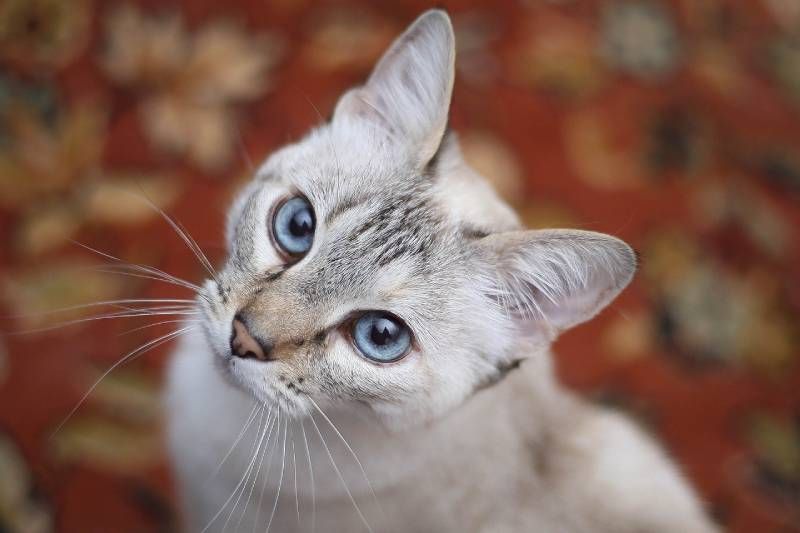
cat with blue eyes tilts its head

A cat’s eyes are among the most beautiful features that they display, and they also happen to be among the most important. They are extremely helpful when it comes to communicating with other creatures (including humans). A cat’s eyes also play a crucial role when it comes to deciphering the world, so you’ll need to take steps to keep your cat healthy. Here are facts, tips, and more to consider!

divider cat faces oct 2024

Top 4 Tips to Keep Your Cat's Eyes Healthy

1. Keep Them Clean

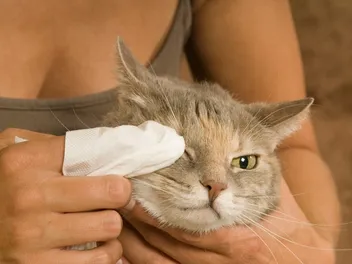
Regularly wiping your cat’s eyes is crucial, as it will help ensure that discharge doesn’t become a problem. Regular wiping also helps clean away contagions, thus reducing the risk of infections. All you need is a clean cloth that’s been dampened with warm water. Alternatively, you can use a grooming cloth that’s designed specifically for use on cats.

Using your preferred type of cleaning cloth, gently wipe the gunk out of the corners of your cat’s eyes, and make sure no discharge (or “sleep boogers”) above and below the eyelids is left behind. Regular eye wiping should help keep tear stains to a minimum in predisposed breeds.

cleaning persian chinchilla cats eyes with cotton pad
Photo Credit: Catinsyrup, Shutterstock

2. Perform Visual Checkups

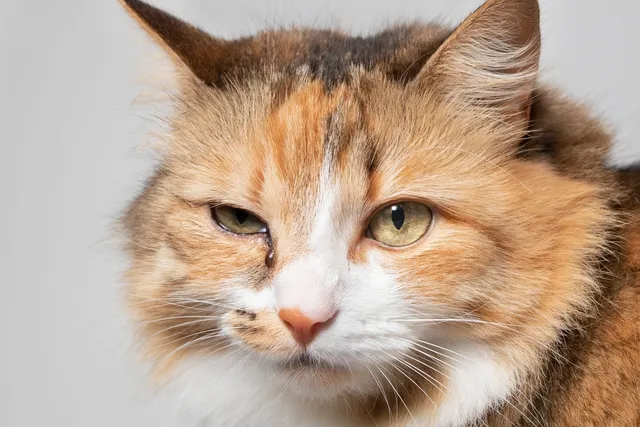
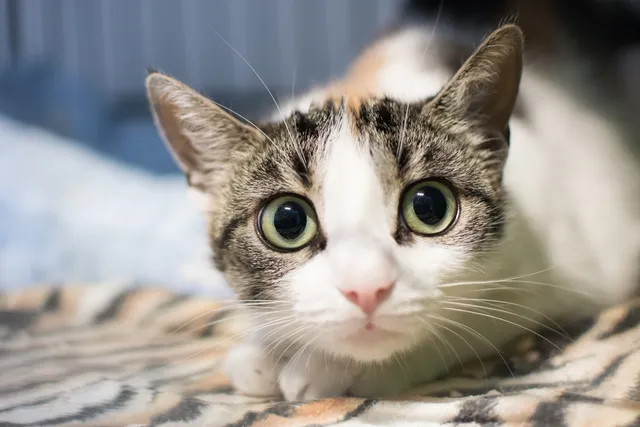
While checking if your cat has any eye discharge, take the opportunity to visually inspect their eyeballs for signs of problems. Their eyes should be bright and clear. The conjunctiva should be transparent, and the sclera should appear white and not pink or red. Their pupils should be close to the same size. They should not be producing excessive discharge. If the eyes look glazed over, are expelling noticeable discharge, or are not white or the pupils are not sized similarly, it’s time to contact your veterinarian for advice and to schedule a checkup appointment.

Anatomy of Cats Eye
You are free to use this image but we do require you to link back to Catster.com for credit

3. Commit to Proper Nutrition

Nutrition plays a big role in the health of a cat’s eyes, just like it does for the rest of their body. You’ll need to provide your cat with high-quality complete and balanced commercial food that contains real meat as the first ingredient. It should be made specifically for the stage of life that your cat is in—kitten or adult.


4. Schedule Regular Veterinarian Checkups

An extremely important thing that you can do to ensure your cat’s eyes are healthy is to schedule regular checkups with your veterinarian. This is the only reliable way to catch problems as soon as they start and before they become too serious, so action can be taken to correct the problems or ensure that they don’t progress. Have your cat’s eyes checked at least once a year or so to stay on top of things.

divider single cat paw oct 2024

What to Know About Discharge From a Cat’s Eye

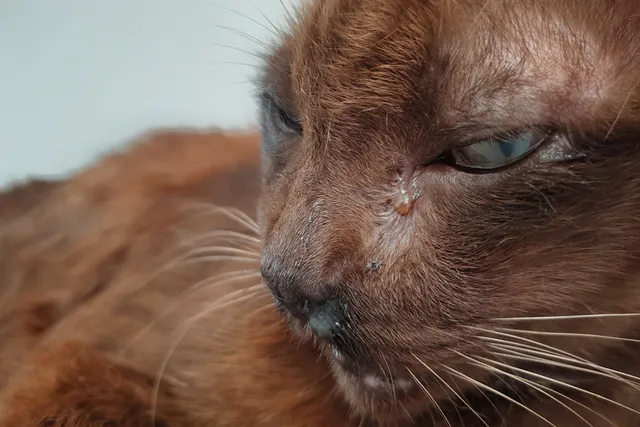
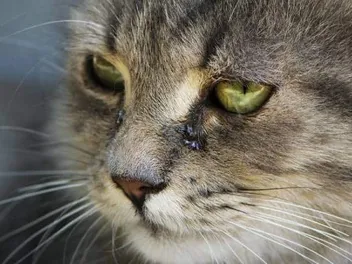
Your cat’s eyes might be producing discharge for various reasons, and it can vary in texture, color, and amount, including being watery, mucusy (like yellow or green snot), or even bloody. Eye discharge is always an indication of an ocular problem. Common causes of feline eye discharge include:

Treatments for these problems can include lubricating drops, anti-inflammatories, antibiotics, antihistamines, antivirals, and maybe even surgery. The sooner that you have the discharge checked out by a vet, the sooner treatments can begin and the easier it will be to overcome the discharge problem.

divider cat faces oct 2024

Conclusion

Keeping your cat’s eyes healthy is extremely important and should be part of your normal routine. Consistent eye cleaning, regular vet checkups, and visual inspections at home should be the foundation of your eye care regimen. Everything else should fall into place as you get to know your pet’s eyes and how they should look/perform at their finest.

Sources

Featured Photo Credit: Janmarcustrapp, Pixabay

The Catster Newsletter

Expert cat care, straight to your inbox

News, insights, and useful advice, delivered to you.

No spam — unsubscribe anytime.

By signing up, you agree to our Terms & Conditions and Privacy & Cookies Policy.

How useful was this post?

Click a star to rate. You can leave written feedback afterwards. (We read all feedback.)

Rachael Gerkensmeyer
Authored by

Rachael Gerkensmeyer

Leave a Reply

You're very welcome to leave a comment or question. Please know that all comments must meet our community guidelines, and your email address will NOT be published. Let's have a positive and constructive conversation.

Cat Eye Discharge (Boogers): Vet-Verified Facts & Care Advice

Cat Eye Discharge (Boogers): Vet-Verified Facts & Care Advice

Have you ever noticed a watery, goopy, or crusty discharge around your cat's eyes? While these cat eye boogers can be gross to look at and deal with, you mustn…

Chantelle Fowler
By Chantelle Fowler ·
Conjunctivitis In Cats: Vet-Reviewed Causes, Signs & Care Tips

Conjunctivitis In Cats: Vet-Reviewed Causes, Signs & Care Tips

Conjunctivitis is a common illness that can affect a cat's eyes. It has some easily recognizable signs and is fortunately treatable, but it's vital for owners…

Christian Adams
By Christian Adams ·
6 Most Common Eye Problems in Cats (Vet Answers)

6 Most Common Eye Problems in Cats (Vet Answers)

Cat eye problems aren't all that common, but that does not mean they can't occur. Often, the types of issues seen are quite age-dependent. For instance, young…

Dr. Lauren Demos
By Dr. Lauren Demos ·
How to Clean Cat Eye Boogers? Vet-Approved Step-by-Step Guide

How to Clean Cat Eye Boogers? Vet-Approved Step-by-Step Guide

A thin layer of tears protects a cat’s eyeball, protecting the eye from any irritants or foreign bodies to keep vision clear. The overflow of tears can cause d…

Sophie Jeffares
By Sophie Jeffares ·

Can I Use Human Eye Drops on Cats? Vet-Verified Facts and Precautions

While cats can develop eye problems just like humans do, their eye conditions should never be treated the same way that we would treat our own. This is especia…

Rachael Gerkensmeyer
By Rachael Gerkensmeyer ·
Can I Use Human Eye Drops on Cats? Vet-Verified Facts and Precautions

Can Cats Produce Tears? Vet Approved Facts

When you think of your cat being able to produce tears, what you really might be asking is can cats cry? After all, when we see a very emotional movie or have…

Ashley Bates
By Ashley Bates ·
Can Cats Produce Tears? Vet Approved Facts

Healthy Cat Ears: 6 Vet-Verified Care Tips

Like dogs, cats need a regular grooming routine to stay healthy. Brushing your cat is key, especially if they have long hair, but did you know you should also…

Elizabeth Gray
By Elizabeth Gray ·
Healthy Cat Ears: 6 Vet-Verified Care Tips

How to Tell if Your Cat Is Blind: 8 Vet-Verified Signs to Look For

Cats can lose their vision for many reasons. It can happen due to an injury or disease, and it can also happen as part of aging. Knowing the signs of blindness…

Caroline Bonin
By Caroline Bonin ·
How to Tell if Your Cat Is Blind: 8 Vet-Verified Signs to Look For

Will Cat Conjunctivitis Go Away by Itself? Vet-Verified Facts & Info

There are a variety of eye infections and issues you may see in your cat throughout their life, and conjunctivitis is one of the most common eye issues that ca…

Brooke Billingsley
By Brooke Billingsley ·
Will Cat Conjunctivitis Go Away by Itself? Vet-Verified Facts & Info

12 Vet-Approved Tips That New Cat Parents Should Know About Feline Health

If you've recently adopted a cat, you may wonder how to ensure your new companion stays healthy so you can enjoy years of happiness together. There's plenty of…

Lorre Luther
By Lorre Luther ·
12 Vet-Approved Tips That New Cat Parents Should Know About Feline Health

10 Ways to Monitor Your Cat’s Health at Home: Vet Verified

Thanks to their instincts for self-preservation, cats are masters at hiding signs of illness or injuries. If you want to catch medical problems early, you must…

Elizabeth Gray
By Elizabeth Gray ·
10 Ways to Monitor Your Cat’s Health at Home: Vet Verified

5 Vet-Reviewed Tips on How to Use Cat Eye Drops (Without Getting Scratched)

Many cat owners are unsure how to handle the situation when their cat is diagnosed with an eye condition, and they’re prescribed eye drops. After all, it’s not…

Patricia Dickson
By Patricia Dickson ·
5 Vet-Reviewed Tips on How to Use Cat Eye Drops (Without Getting Scratched)

Love Cats? So Do We! Join the Catster Community

Stay informed with expert cat care insights delivered straight to your inbox! Discover professional guidance on feline behavior, feeding tips, trusted product picks, and much more.

You may opt-out at any time. View our Privacy Policy for more information.

The Catster site on a phone