Conjunctivitis In Cats: Vet-Reviewed Causes, Signs & Care Tips


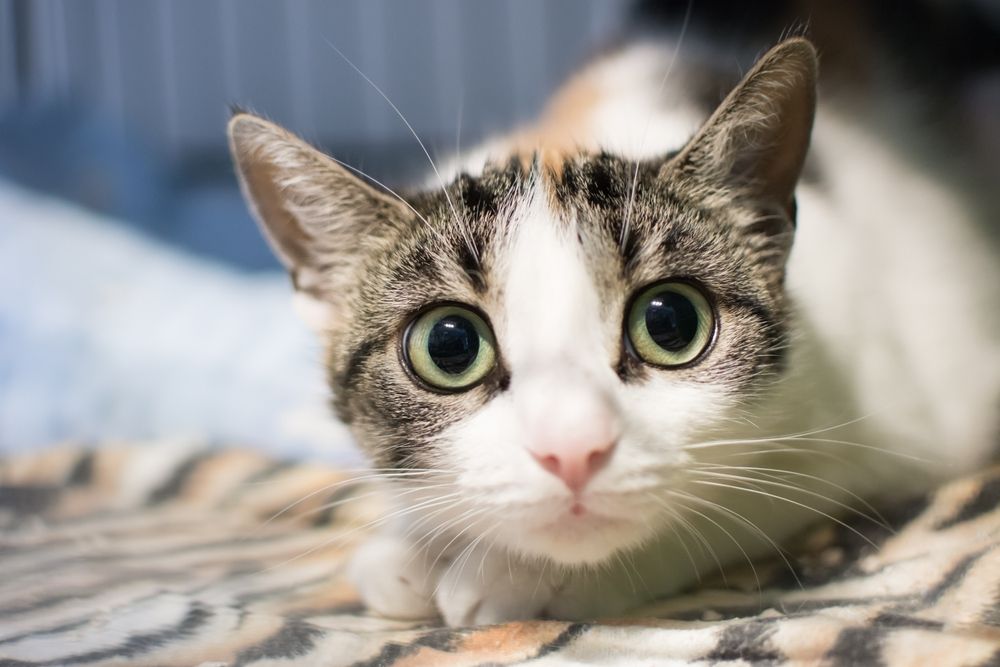
Conjunctivitis is a common illness that can affect a cat's eyes. It has some easily recognizable signs and is fortunately treatable, but it's vital for owners to be familiar with the condition. If conjunctivitis is suspected, owners must take their cat to the vet to be treated quickly; the condition can be infectious and spread to other cats (or even people). This article will examine conjunctivitis in cats, including what signs to look out for and what can potentially cause the irritating and painful eye condition.

What Is Conjunctivitis?

Conjunctivitis (or pink eye) is a condition that affects the tissue surrounding the eye called the conjunctiva. Conjunctivitis can affect either one or both eyes, and it causes signs that are usually fairly obvious to most owners. There are two types of conjunctivitis with different causes: infectious and non-infectious. Both infectious and non-infectious conjunctivitis can cause physical and behavioral signs, but it's important to observe your cat closely as they're often good at hiding illness.
Conjunctivitis is inflammation that affects the mucous membrane lining of the eyelid and extends to the edge of the cornea. This lining is similar to the lining in your cat's mouth and nose. It is the most common eye condition in cats; most cats will get conjunctivitis at least once in their lives. Conjunctivitis can also be a secondary sign in other feline eye conditions.
What Are the Signs of Conjunctivitis?

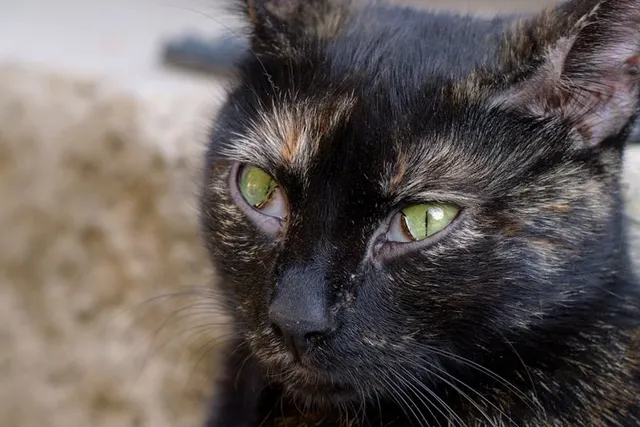
There are several telltale signs of conjunctivitis in cats, both physical and behavioral. Signs that your cat might have conjunctivitis include:
What Are the Causes of Conjunctivitis?
Conjunctivitis has a few causes, which can be grouped into infectious and non-infectious causes:
Infectious Causes

Pathogens cause infectious conjunctivitis. Pathogens are microorganisms that cause disease and are the most common cause of feline conjunctivitis. Pathogens include viruses, bacteria, and fungi, all of which can cause conjunctivitis. Common viral causes of the illness include feline Herpesvirus and feline Calicivirus, which can cause inflammation in conjunctivitis. Chlamydophila and Mycoplasma are common causes of primary bacterial conjunctivitis in cats. Other pathogens, like the bacteria Streptococcus, can take over and cause infection, particularly if a cat is immunocompromised, such as in cats with FIV (feline immunodeficiency virus).
Infectious conjunctivitis is also contagious; it can spread between a single cat's eyes and can also be spread to other animals.
Non-Infectious Causes
Anything that can irritate the eyes can cause conjunctivitis in cats. Common non-infectious causes of feline conjunctivitis include:

How Do I Care for a Cat With Conjunctivitis?
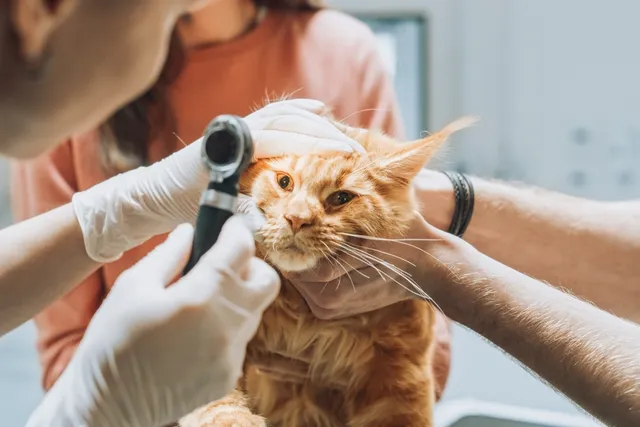
The main aims of treatment and care for a cat with conjunctivitis are to alleviate pain and reduce inflammation. In any case, conjunctivitis will need to be treated at a veterinarian's office, so taking them to the vet is your priority. The vet will examine the cat's eyes and often give them medications to help reduce pain and soothe any irritation or swelling.
Medications can be applied to the eye, including antibiotics if your vet suspects infectious conjunctivitis and lubricating ointment. Anti-inflammatories can also be prescribed to help reduce pain and swelling. Medication for conjunctivitis can be in the form of eye drops or ointments squeezed into the eye.
The main things owners can do at home are to remain calm and give their cats lots of TLC. Providing any treatments your veterinary surgeon prescribes for your cat is integral to their care, as medication applications can be as frequent as three to six times per day. Your vet will carefully talk you through all medications and their application.
We do not recommend using any other treatment other than those your vet prescribes. You may need some help from a friend your cat trusts or a family member to help you administer eye medication. Remember to always finish any courses of medicine exactly to your vet's instruction. If there is an underlying problem, you should work with your vet to treat the underlying cause as soon as possible.
Frequently Asked Questions (FAQs)
Is Conjunctivitis Contagious?
Yes, Conjunctivitis is often contagious and can be highly infectious in certain situations. For example, conjunctivitis caused by feline Herpesvirus is very easily spread to other cats in close contact situations, such as in animal sanctuaries or multi-cat households. Conjunctivitis can be spread through coughs, sneezes, saliva, and other bodily fluid coming into contact with a cat's eyes. It is commonly spread between cats as they often groom each other and are physically close when bonded. However, causes of conjunctivitis that aren't infectious cannot be spread.
Can People Get Conjunctivitis From Cats?
Yes, people can get conjunctivitis from cats, but it is very rare. A few causes of conjunctivitis can cross the species barrier, such as Chlamydophila felis. However, conjunctivitis only usually occurs cross-species this way in immunocompromised people, such as people with autoimmune diseases.
Other infectious cases of conjunctivitis can be passed to people via parasites. These cases are also rare and would cause other signs as well as conjunctivitis. Frequent hand washing and cleaning the bowls, litter trays, bedding, and anything else a contagious cat comes into contact with will reduce the spread. Make sure your cat is not sharing any of their resources with other cats in the home if they have conjunctivitis.

How Is Conjunctivitis Diagnosed in Cats?
Veterinary diagnosis is essential in conjunctivitis as there are several eye conditions that can cause similar signs. Your vet will likely do a complete ophthalmic exam and examine all aspects of your cat's eye when you take them into the clinic. Other diagnostic tools can include:
An injury or ulcer on the eye will glow green under black light. Sometimes a vet might order further tests, such as blood tests, to check for any underlying causes of disease. In addition, they may try to isolate the bacteria or infection type causing conjunctivitis, meaning that specific tests for certain bacteria and viruses may be ordered.

How Long Is the Recovery Period?
Recovery times for conjunctivitis depend on the cause. In typical cases of conjunctivitis, you can expect a cat to recover within a week to 10 days. Sometimes conjunctivitis won't be easily treated, so extra courses of antibiotics or treatment might be needed, increasing the recovery time.
Some cases of conjunctivitis in cats can reoccur, such in cats with feline Herpesvirus. Cats may need surgery in extreme cases or if the conjunctivitis was caused by an eye injury, meaning that healing time from the surgery and recuperation times will be longer.
Conclusion
Conjunctivitis in cats has specific signs owners can look out for, which include inflammation and swelling of the eye. Conjunctivitis can be infectious and can spread to other cats. Different types of conjunctivitis, such as foreign bodies in the eye or tumors, are not contagious and cannot be caught by other cats or people. Veterinary treatment is always needed in cases of conjunctivitis, as the eyes are delicate organs that can quickly become damaged. If not treated, conjunctivitis can cause long-lasting eye problems, but most issues are resolved within 10 days. If in doubt, always take your cat to the vet. We hope this article has clued you in on the common signs of conjunctivitis so you can be alert and take care of your cat if needed.
Sources
Featured Image Credit: Paulina Grzybowska, Shutterstock
Expert cat care, straight to your inbox
News, insights, and useful advice, delivered to you.

No spam — unsubscribe anytime.
By signing up, you agree to our Terms & Conditions and Privacy & Cookies Policy.
How useful was this post?
Click a star to rate. You can leave written feedback afterwards. (We read all feedback.)
Christian started writing for a local newspaper as a teenager, and he's been involved in the publishing industry for most of his adult life. Combining his love of writing with a passion for animals, he is currently the Director of Editorial at Pangolia and the Editor-in-Chief at Catster.
Christian lives in the Philippines with his wife, son, and four rescue cats: Trixie, Chloe, Sparky, and Chopper.