Pica in Cats: Vet-Verified Signs, Causes & Tips for Managing This Eating Disorder


In this article
Most people know that dogs will chew on household items if given the chance, especially as puppies. Cats can also be chewers, but usually not to the same extent. However, if your cat seems to be fixated on chewing, sucking and eating inedible objects, they may be suffering from an eating disorder called pica.
In this article, you’ll learn what you need to know about pica, an unusual and poorly understood medical condition found in several species, including cats. We’ll discuss the causes, diagnosis, and treatment of pica, offer tips for managing this disorder, and show you how to care for your cat at home.

What Is Pica?
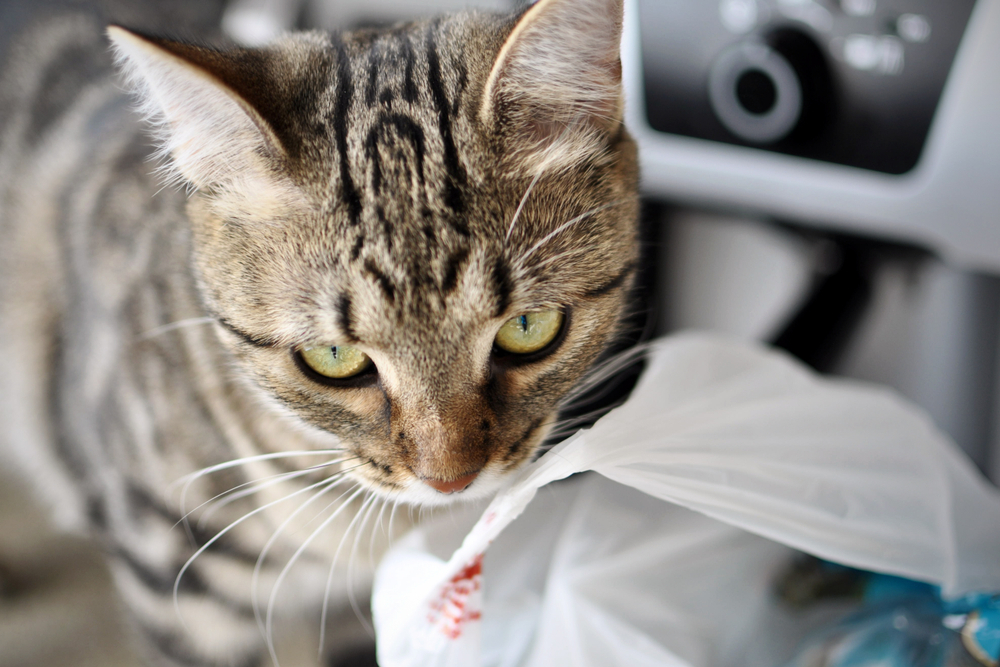
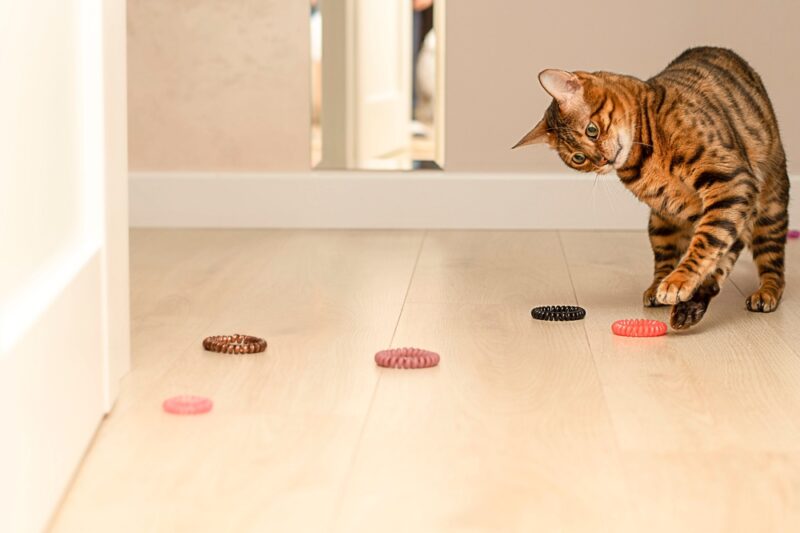
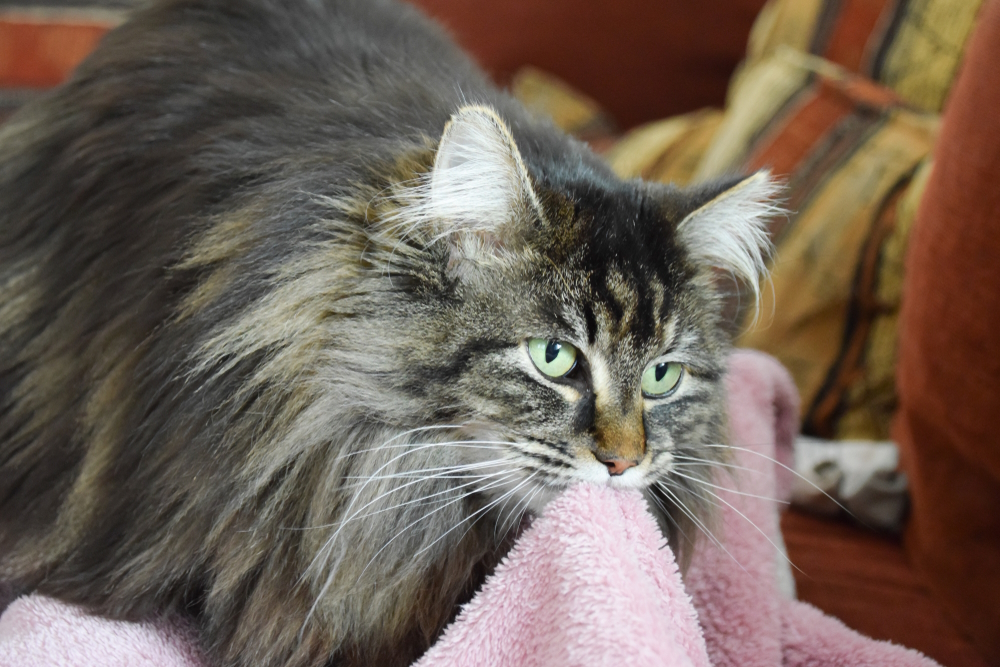
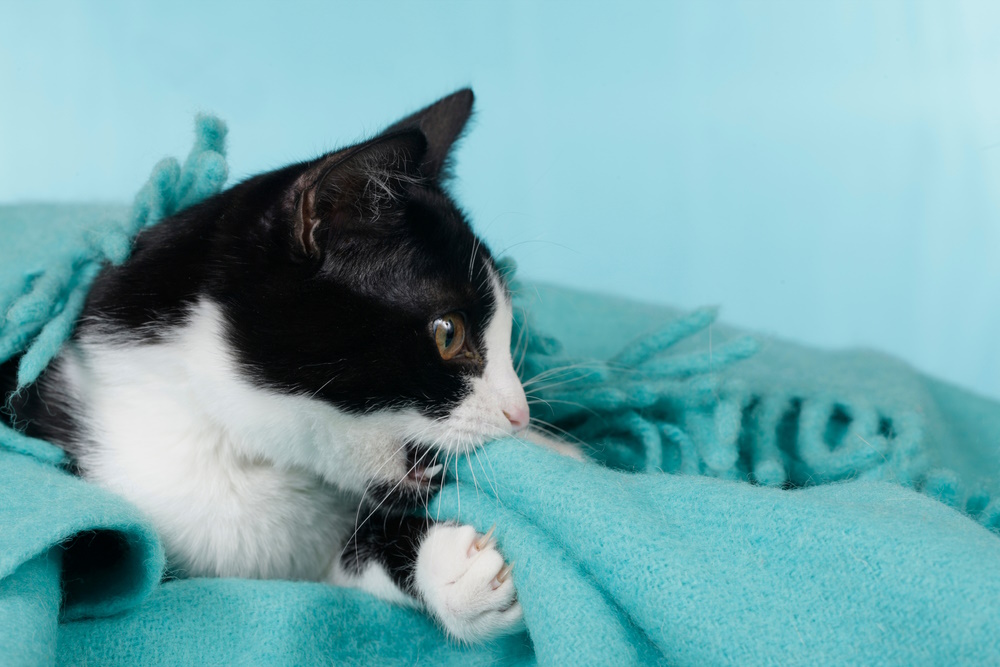
Pica is an uncommon eating disorder that affects cats, humans, dogs, and other species. It is defined as the ingestion of inedible and non-nutritional materials. Cats with pica consistently chew, suck, and ingest items made of inedible materials such as wool, fabric, cardboard, plastic, wood, soil, rubber, or plants.
This behavior puts the cat at risk of ingesting toxic substances and experiencing dental problems. By definition, the materials eaten by cats with pica are indigestible. Cats with pica routinely suffer from upset stomachs. They’re also at high risk of developing an intestinal obstruction from the foreign material attempting to pass through the digestive tract and getting stuck.
Pica can be a purely behavioral condition, or related to an underlying health condition or a separate medical problem. Researchers still aren’t entirely sure what causes pica. It often becomes an obsessive-compulsive behavior, even if it doesn’t start that way.

What Are the Signs of Pica?
The most common sign of pica is chewing on inedible objects, which is often witnessed by the owner. In some cases, the owner can interrupt and stop the cat from chewing or sucking. Other cats may ignore the interruptions and fixate on the behavior.
Cat owners may find evidence of chewing or sucking, like holes in fabric, spilled dirt, or bite marks in hard materials. Gastrointestinal signs are common in cats with pica as well.
You may also notice the following non-specific signs if your cat has pica:
What Are the Causes of Pica?
Because pica remains a rare and mysterious disorder, the exact causes aren’t well-defined. Behavioral factors are thought to play a role in the development of pica. Stress, anxiety, boredom, or obsession can lead the cat to start chewing inappropriate items as a coping mechanism. This behavior can then become compulsive over time.
Pica occurs more frequently in some purebred cats such as Siamese, Burmese, Tonkinese and other oriental types, and there may be a genetic component to the disorder. Early weaning and inadequate socialization used to be considered causes of pica, but recent research suggests it is less likely.
Nutritional deficiencies are another potential cause of pica. The cat may be chewing and ingesting inappropriate materials because of a poor diet. Finally, pica can occur secondary to diseases and abnormalities of several of the cat’s body systems. Underlying neurologic and gastrointestinal diseases may cause pica. Parasites, anemia, diabetes, and hyperthyroidism have also been linked to pica.


How Do I Care for a Cat with Pica?
Successfully treating pica can be complicated because determining what’s causing the disorder is difficult. For example, if pica occurs due to an underlying disease, such as diabetes or a stomach condition, you’ll need to diagnose and treat the problems first.
If your vet suspects the pica is related to a nutritional deficiency, you may need to change your cat’s diet or add supplements as directed. Internal parasites will need to be treated with an appropriate deworming medication. If the pica is related to behavioral issues, such as stress or boredom, you must make lifestyle changes to care for your cat.
Try to determine what’s causing your cat’s stress and work on lowering their stress levels overall. Pheromone products, medications, and environmental enrichment can reduce stress. Bored, anxious cats can also benefit from these changes, especially environmental enrichment.

Keep your cat busy with puzzle toys, cat trees or shelves, and one-on-one attention from you. Consider hiring someone to play with your cat during the day if you’re gone frequently. Safe, controlled outdoor access can provide excellent mental stimulation for your cat. Access to a screened porch or “catio” may be beneficial, or you can train your cat to walk on a leash and harness. When pica is an obsessive-compulsive problem, your cat may need medications prescribed by a veterinarian.
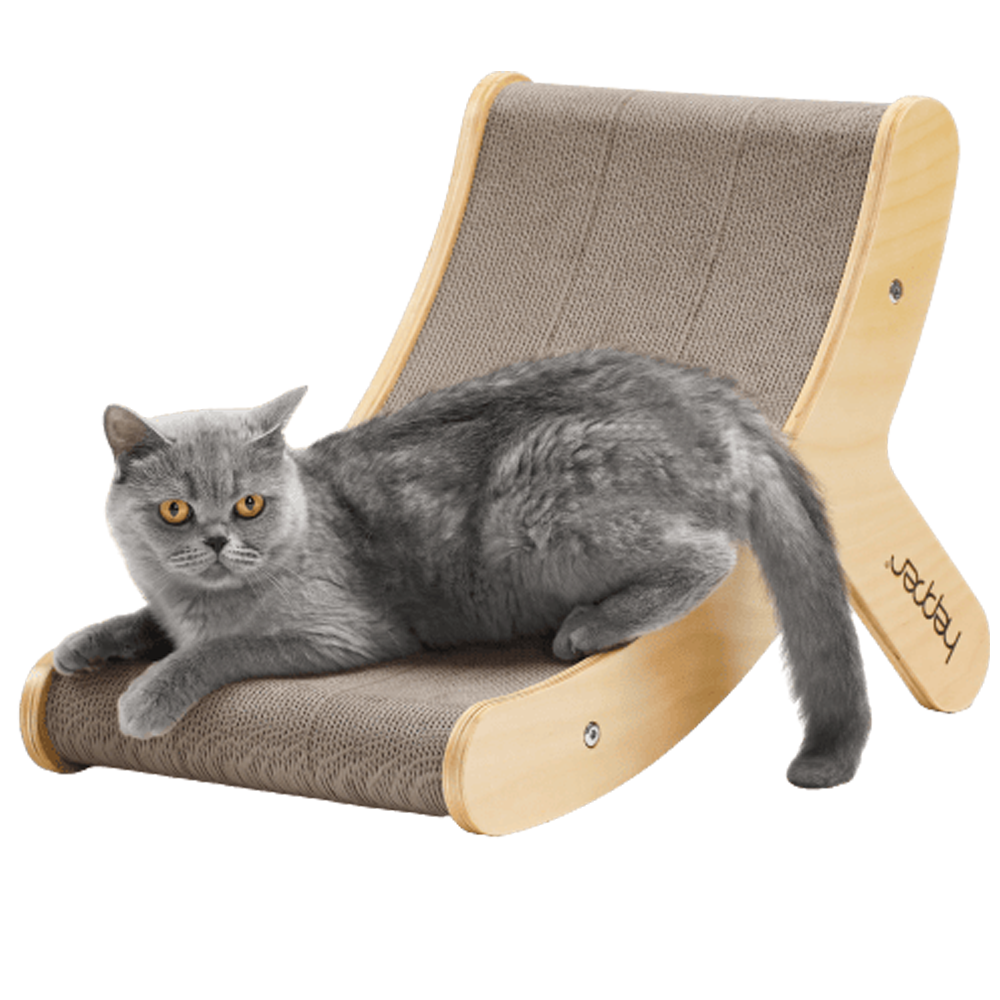
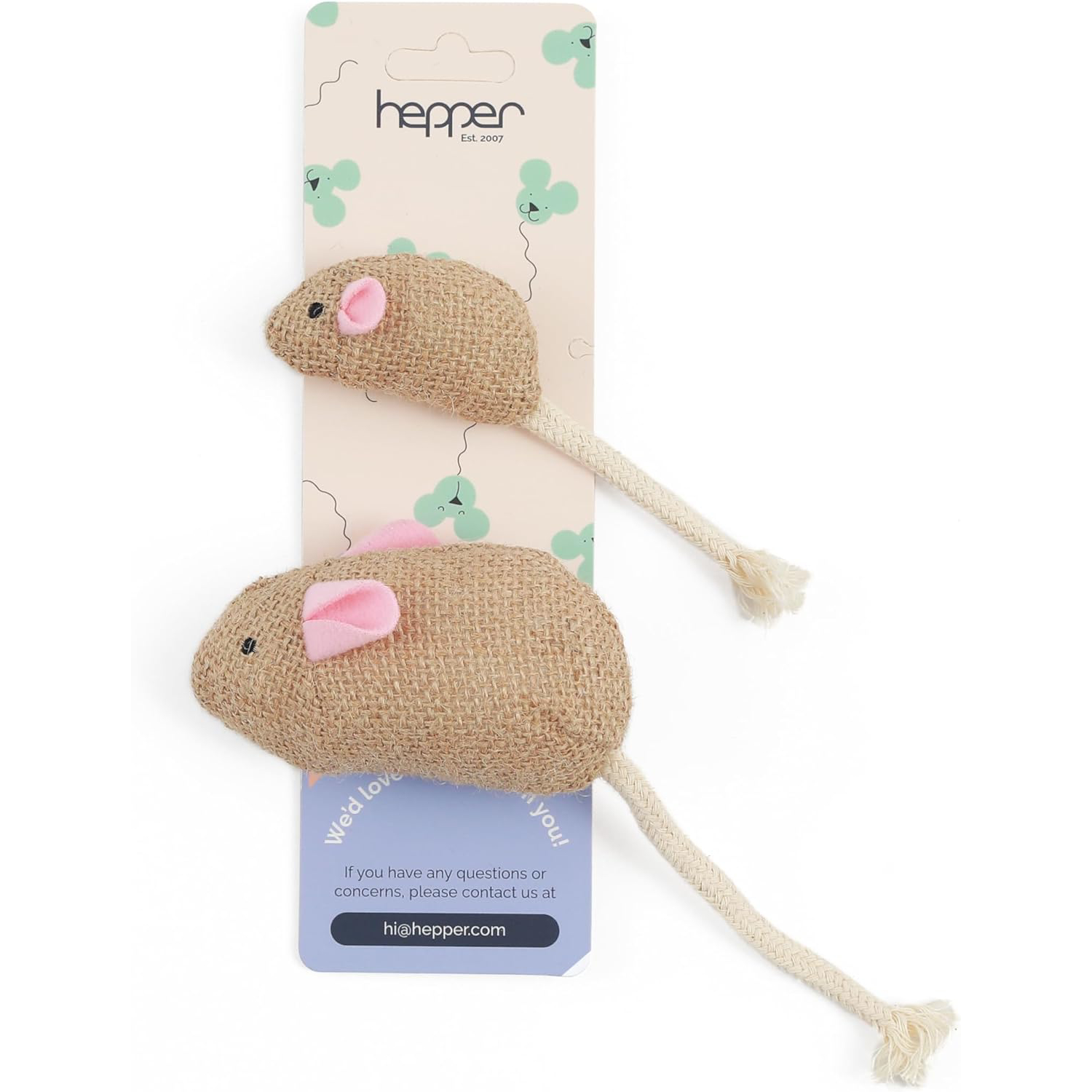
Looking for toys that will cater to the many needs of your cat? The Hepper Hi-lo Cat Scratcher is one of our favorite cat products, and it will encourage your cat to get active. Its clever three-angle design offers multiple ways for your cat to climb, stretch, and exercise. Made of a sturdy plywood base and a replacement cardboard insert, this scratcher is an option that cats can enjoy for years to come. If your cat requires a little encouragement for self-play, the Hepper Catnip Mice Toy Set is a fantastic choice for their instinctual needs. Made with natural, bite-resistant hessian fabric and filled with organic catnip. Cats can satisfy their natural prey instincts while getting the physical activity they need to thrive.
| Image | Product | Details | |
|---|---|---|---|
|
Hepper Hi-Lo Cat Scratcher |
|
Check Price |
|
Hepper Catnip Mice Toy Set |
|
Check Price |
At Catster, we've admired Hepper for many years, and decided to take a controlling ownership interest so that we could benefit from the outstanding designs of this cool cat company!
Finally, whether you’re treating an underlying condition or behavioral issue, you’ll want to prevent your cat from chewing or ingesting inedible objects. Most cats with pica repeatedly return to the same materials or specific items. Keeping your cat away from these objects and storing them properly can reduce the behavior.
Try keeping them locked behind closed doors or in cabinets, and you can use baby gates to block your cat’s access to rooms that are off-limits. You can remove your houseplants or place them all in one room inaccessible to your cat.
Frequently Asked Questions
How Is Pica Diagnosed?
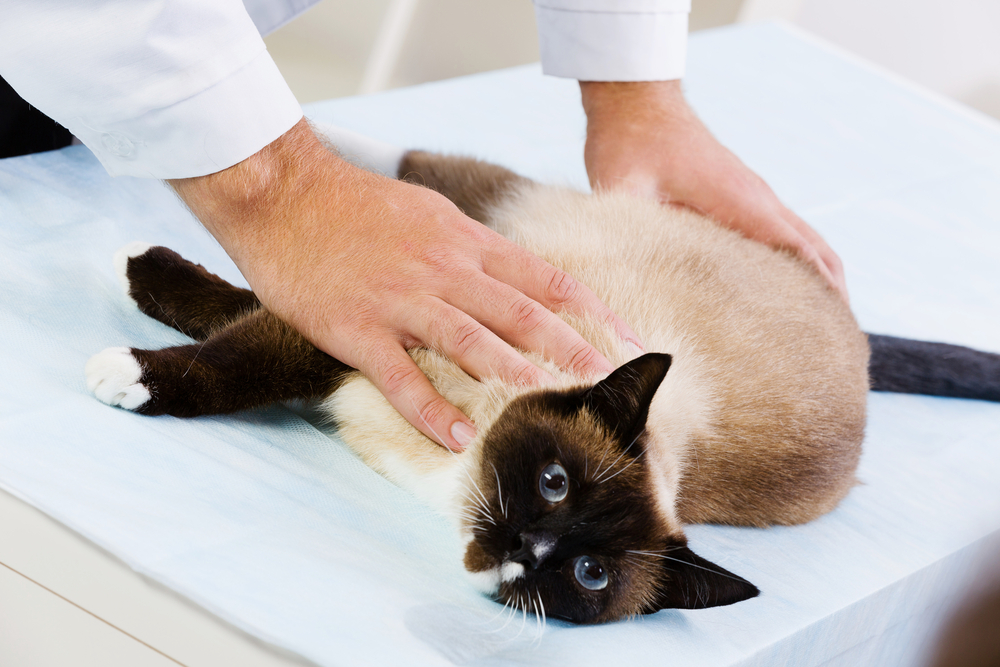
Unfortunately while the signs of pica are usually obvious, there is no specific test to diagnose the underlying cause. Generally, the cause of the condition is diagnosed by the process of elimination. A vet may perform various tests to rule out underlying medical issues. They may also ask about any changes at home that could be causing stress and details about your cat’s home environment.
You can also expect questions about your cat’s diet, what type of materials they’re chewing, and specifics about when and how often it occurs. A vet may suggest you see a feline behavior expert.
Which Cat Breeds Are Prone to Pica?
Pica can occur in any breed or mixed breed of cat, as we discussed earlier. However, it seems to occur more frequently in some purebred cats, particularly oriental breeds including Siamese and Burmese. If your cat is mixed with these breeds, it could contribute to their developing pica. As there is some evidence to suggest that pica may be genetic in some cases, if your pedigree cat has been diagnosed with this problem it may be a good idea to inform the breeder.
Conclusion
Although pica is a rare disorder, it can have a large impact on you and your pet. Between changes at home to care for your cat and the financial strain of managing the condition, dealing with pica can be stressful. Planning ahead by purchasing pet insurance can help with medical costs, but there’s only so much you can do to prepare for dealing with a cat with pica. Be honest with your vet about your ability to manage the situation and ask for advice and support.
See also:
Sources
Featured Image Credit: absolutimages, Shutterstock

Expert cat care, straight to your inbox
Vet-reviewed advice, behavior tips, and the best of Catster. Free, and you can unsubscribe anytime.
By signing up, you agree to our Terms & Conditions and Privacy & Cookies Policy.
Elizabeth Gray is a lifelong lover of all creatures great and small. She got her first cat at 5 years old and at 14, she started working for her local veterinarian. Elizabeth spent more than 20 years working as a veterinary nurse before stepping away to become a stay-at-home mom to her daughter. Now, she is excited to share her hard-earned knowledge (literally--she has scars) with our readers. Elizabeth lives in Iowa with her family, including her two fur kids, Linnard, a husky mix and Algernon, the worldʻs most patient cat. When not writing, she enjoys reading, watching all sports, and spending time outdoors with her family.
Join the conversation
Ask a question, share your story, or send private feedback.