14 Asian Cat Breeds (With Info & Pictures)

Some of the most popular cat breeds in the world are originally from Asia, including well–known ones such as Persian and Siamese cats and relatively rare kitties such as Turkish Van and Korat cats. While some breeds with Asian heritage have long, storied histories, such as Birman and Japanese Bobtail cats, others, such as Bengal cats, haven't been around very long. Keep reading to learn more about 14 Asian cat breeds.

The 14 Asian Cat Breeds
1. Turkish Van Cats

| Weight: | 10–13 pounds |
| Lifespan: | 15–17 years |
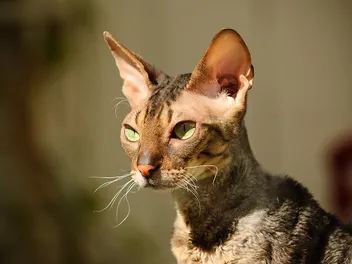
Turkish Van cats are a natural breed from eastern Turkey, close to Lake Van. But they were also native to areas that we now know as Iraq and Iran. They have medium–length, soft, waterproof coats that are usually white with splashes of color around their tails and faces, and they can also be found with tabby and tortoiseshell markings. They tend to be muscular and have strong shoulders and athletic bodies, and many enjoy playing in the water. They're relatively rare and can be difficult to find even in their native region.
2. Japanese Bobtail Cats

| Weight: | 5–10 pounds |
| Lifespan: | 15–18 years |
Japanese Bobtail cats probably come from China, and there's a good chance they’ve been around for more than 1,000 years. They arrived in Japan during the 600s CE when his Chinese counterpart gifted a few to the Japanese Emperor. They have short, stump–like tails that are caused by a genetic mutation. They're typically quite loving cats with a reputation for being incredibly involved with their favorite people's activities. They're the inspiration for the popular maneki–neko statutes featuring kitties with waving paws that are said to bring good luck.
3. Korat Cats

| Weight: | 6–10 pounds |
| Lifespan: | 9–15 years |
Korat cats are originally from the area now known as Thailand. They've been around for centuries, even appearing in The Cat–Book Poems that were probably composed from 1350 to 1767. Korat cats are small, muscular animals with short blue coats featuring silver highlights. Their heads are said to look like hearts and have beautiful bright green eyes, but they’re born with blue eyes that change color over time. Most become pretty attached to their loved ones and prefer living in relatively mellow environments.
4. Singapura Cats

| Weight: | 4–8 pounds |
| Lifespan: | 9–15 years |
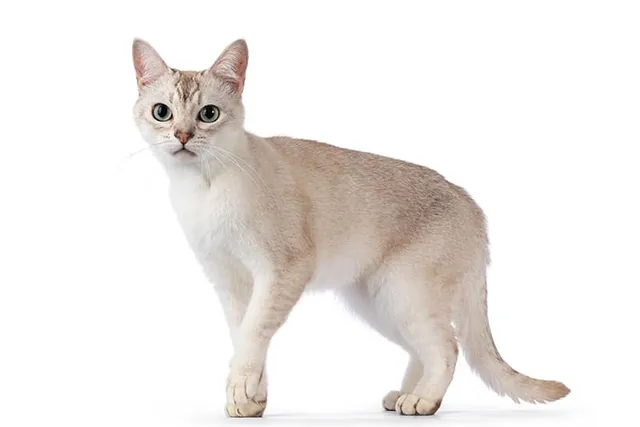
Singapura cats are from Singapore, where they're known for prowling the city streets. They're one of the smallest cat breeds and seldom weigh more than about 8 pounds. Singapura cats have green, hazel, or yellow eyes and subtle beige coats with hairs that are light close to their bodies and darker further out. Most have tons of energy and thrive when given opportunities to engage in active pursuits. Singapura cats enjoy playtime and are usually happy to learn tricks. The Cat Fanciers' Association officially welcomed them to the organization's ranks of potential championship contenders in 1988. These sweet kitties can be hard to find since they're rare.
5. Bengal Cats

| Weight: | 6–12 pounds |
| Lifespan: | 12–15 years |
Bengal cats look like tiny leopards thanks to their long, strong bodies and stunning spotted or marbled coats that come in various shades, including brown tabby and marble. They're mixes of Asian Leopard cats and domestic kitties. Bengal cats are usually active and athletic and are known for having lots of energy to burn.
Since they’re intelligent and eager for mental stimulation, Bengal cats can often be relatively easy to train to do tricks and walk on leashes. They take longer to reach full size than most domestic cats, and most will stop growing when they’re 2 years old. They're a relatively new breed, and The International Cat Association (TICA) recognized them in 1991.
6. Siberian Cats

| Weight: | 12–20 pounds |
| Lifespan: | 12–15 years |
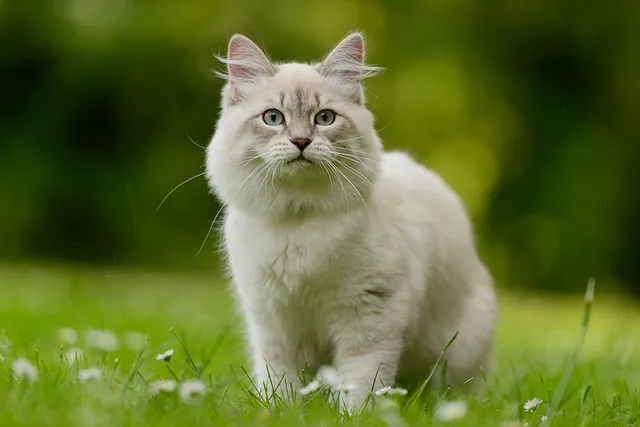
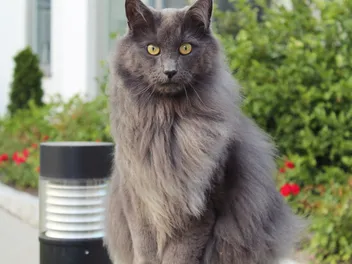
Siberian cats hail from the cold forests of northern Russia. They've most likely been around for more than 1,000 years. Siberian cats are large felines; most have heavy builds, stunning neck ruffs, and huge paws! Their thick, triple-layered semi-long coats come in several colors and patterns.
Siberian cats are very curious and intelligent. They're easy to train since learning and hanging out with people are usually two of their favorite activities. Siberian cats are generally sociable pets, and most are perfectly happy to interact with new people. They're a late-blooming bunch and require 5 years to mature fully.
7. Persian Cats

| Weight: | 7–12 pounds |
| Lifespan: | 15–20 years |
Persian cats have gorgeous long coats, cherubic faces, relatively tiny ears, and short noses. Their long, gorgeous coats are available in over 50 colors and hues. They've been around for millennia but were most likely brought to Europe from Persia.
Persian cats are incredibly mellow, and most prefer cuddling to wild bouts of running around. They can tolerate other pets if raised together, but most Persians cannot handle rowdy canine antics. They're popular cats; back in 2021, they were the 4th most popular pedigree breed in the United States.
8. Himalayan Cats

| Weight: | 12–9 pounds |
| Lifespan: | 15–18 years |
Himalayan cats aren't really from the famous mountain region shared by China, Pakistan, India, and Nepal. They are mixes of two breeds with Asian roots: Persian and Siamese cats. They have the stunning, long fur of Persian cats with the delicate pointing seen in Siamese cats and come in several shades, including cream, chocolate, red, and seal.
They can also be found sporting bicolor, tricolor, and tabby coats. Their sturdy bodies and snub noses reflect their Persian cat heritage. They're usually laid-back with activity levels that lie somewhere between those of relaxed Persian cats and more energetic Siamese cats.
9. Siamese Cats

| Weight: | 5–8 pounds |
| Lifespan: | 12–15 years |
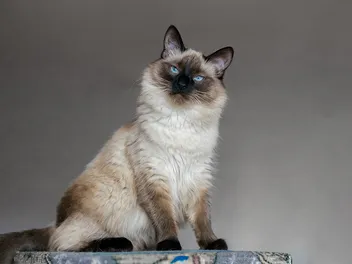
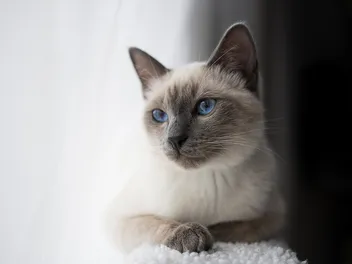
Siamese cats have elegant, graceful bodies, stunning blue eyes, and large ears. This ancient natural breed is originally from Thailand. They have short, soft coats that come in shades such as lilac, blue, and chocolate and feature pointing, which are the dark highlights on their paws, tails, and ears.
Siamese cats are very intelligent and active, so they're prone to getting into trouble if they don't get enough attention or exercise. They often become attached to their owners and become anxious or stressed when left alone. Siamese cats have a reputation for being talkative and needy.
10. Turkish Angora Cats

| Weight: | 5–10 pounds |
| Lifespan: | 15–20 years |
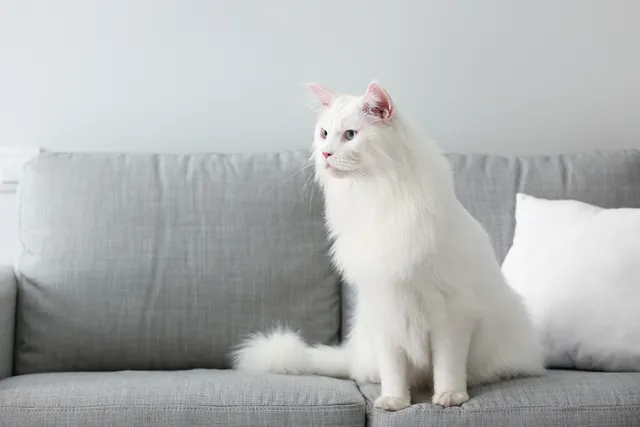
Turkish Angora cats are most likely from the area around Ankara in modern Turkey. They have medium–long fur that comes in several shades, but white is the color most associated with the breed. Turkish Angora cats are muscular, active, and agile. Many enjoy hanging out in high places. They're usually very smart and can open doors and let themselves into cabinets that aren't cat–proof.
Turkish Angora cats can be a bit independent. While they like people, many aren't interested in excessive cuddling. Most are happy as long as they hang out in the same area as their favorite people.
11. Khao Manee Cats

| Weight: | 6–11 pounds |
| Lifespan: | 10–12 years |
Khao Manee cats are generally laid–back and calm, and they're known as super–loving lap cats that enjoy a good conversation. These lithe, elegant cats are known for their gorgeous white coats and stunning blue or yellow eyes; some even have one blue and one yellow eye!
Khao Manee cats are quite intelligent and can be trained to play games like fetch. These highly social cats generally dislike being alone. They're originally from Thailand but only recently became popular outside of their homeland. TICA first granted Khao Manee cats championship status in 2015.
12. Birman Cats

| Weight: | 6–15 pounds |
| Lifespan: | 15–20 years |
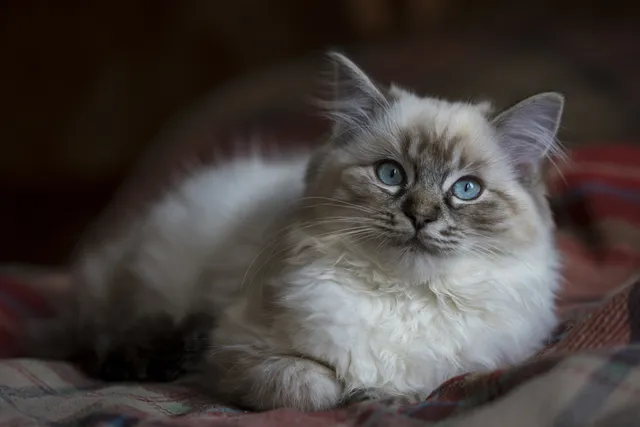
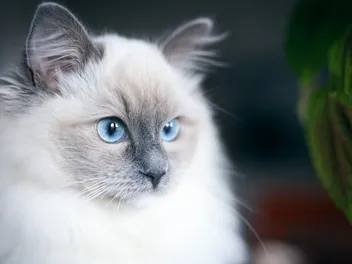
Birman cats are originally from Burma. They arrived in Europe around 1919 and were introduced to the United States in 1959. They're relatively large cats with full faces and striking deep blue eyes. They sport medium–long soft coats that come in several colors and feature pointing.
Birman cats are known for being exceptionally relaxed yet outgoing; most do just fine when meeting strangers. These friendly and curious cats are known for following their favorite people from room to room. They often get along well with other pets, both cats and dogs.
13. Burmese Cats

| Weight: | 8–12 pounds |
| Lifespan: | 15–20 years |
Burmese cats have short, silky coats that can be found in colors such as blue, red, chocolate, and cream. They have relatively curvy builds, and most have widely spaced golden or yellow eyes. They're originally from Burma, and the very first Burmese cat, Wong Mau, arrived in the United States around 1930.
Burmese cats are often incredibly patient and gentle and great with kids. They're spectacularly social cats who do best with large families. They’re intelligent felines, so they're relatively easy to train to do tricks and play games like fetch.
14. Oriental Shorthair Cats

| Weight: | 7–9 pounds |
| Lifespan: | 15–20 years |
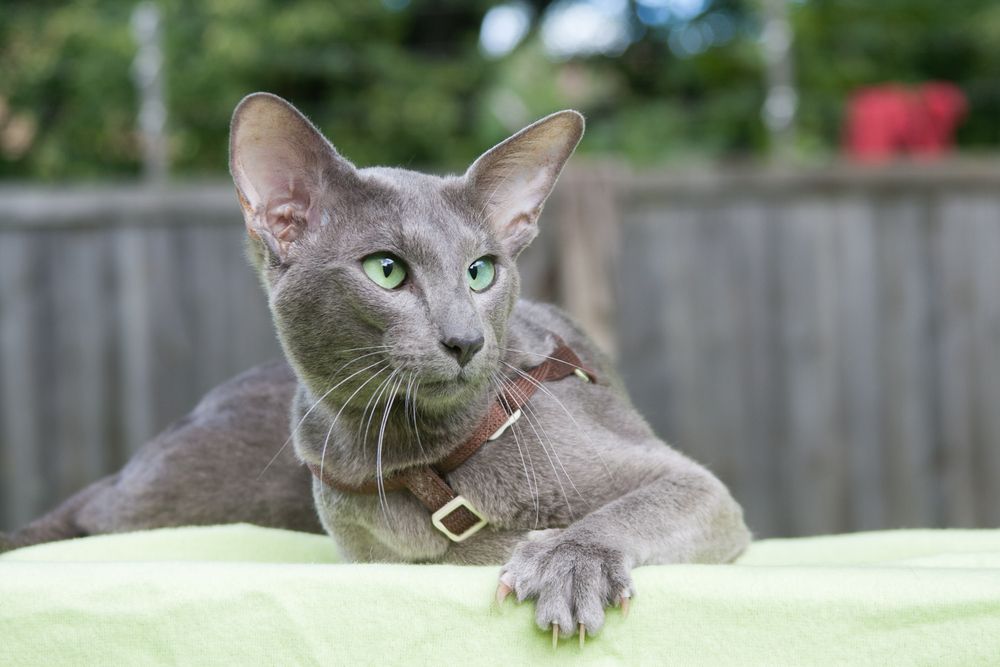
Oriental Shorthair cats have Siamese cats' fun personalities but come in almost every possible coat color, including blue, black, and chestnut. They can also be found sporting bicolor and tabby coats and have the slender athletic builds of Siamese cats.
They're incredibly affectionate and love to interact with people. However, some can become particularly attached to one family member. They're known for being vocal, and most aren’t shy about expressing their opinions. High perches like the top of the refrigerator seem to attract Oriental Shorthair cats, like bees to honey. The Cat Fanciers' Association granted the breed championship status in 1977.
Related Read: 14 Oriental Shorthair Colors & Patterns (With Pictures)
Conclusion
Several breeds, including Persian, Siamese, Birman, and Bengal cats, have roots in the Asian continent. While many, such as Persian and Siberian cats, have been around for centuries, others have only recently hit the big time, including Bengal and Singapura cats, who were granted championship status by TICA in 1991 and 1979, respectively. Although each breed has distinct traits, Asian cats are usually friendly, intelligent, and gorgeous.
See also:
Sources
Featured Image Credit: TalyaPhoto, Shutterstock
Expert cat care, straight to your inbox
News, insights, and useful advice, delivered to you.

No spam — unsubscribe anytime.
By signing up, you agree to our Terms & Conditions and Privacy & Cookies Policy.
How useful was this post?
Click a star to rate. You can leave written feedback afterwards. (We read all feedback.)
Lorre Luther is a writer who is firmly convinced that cats are smarter than humans. She left her law career in the United States and moved to the Netherlands to follow her dream of becoming a writer. Lorre currently lives in Rotterdam, she enjoys traveling and greatly appreciates the beauty of nature. Lorre has a spot for animals and admires the intelligence of cats.