Himalayan Cat Breed: Info, Pictures, Temperament & More
In this article
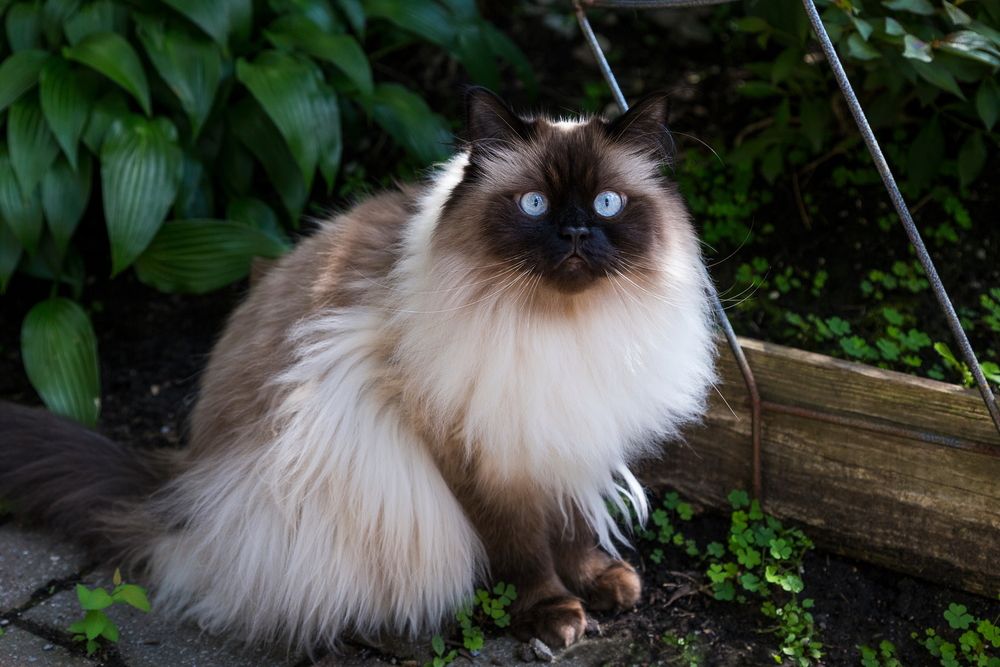
If you’re looking for the ultimate cuddle companion, the beautiful and gentle Himalayan cat might be the new friend for you. With their gorgeous blue eyes and love of snuggling in laps, the Himalayan is popular and well-known around the world. In this article, you’ll learn about Himalayan cats, including their temperament and traits.
Breed Overview
Height:
Weight:
Lifespan:
Colors:
Suitable for:
Temperament:
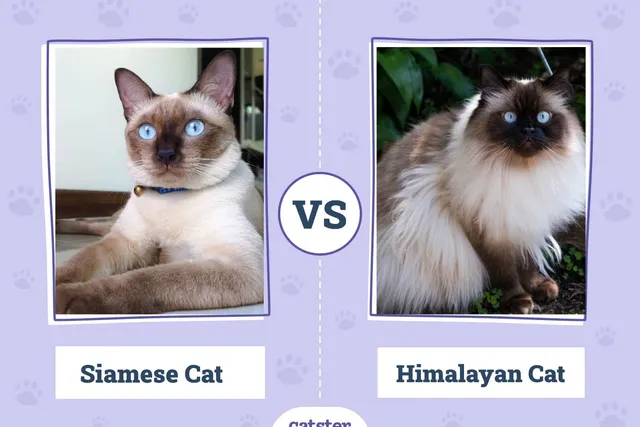
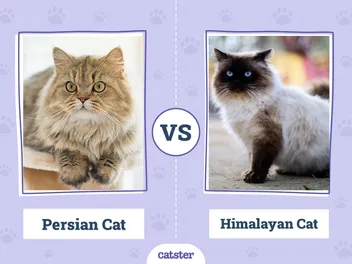
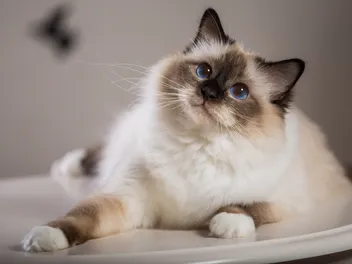
You're not entirely wrong if you think the Himalayan cat looks like a much fluffier Siamese. The breed was developed by crossing the Siamese and the long-haired, flat-faced Persian. Thanks to this ancestry, the Himalayan retains the Persian's smooshed face (for better or worse) and the Siamese's characteristic coloring.
They're also much calmer than a Siamese but more playful than the sedate Persian. Keep reading to learn more about the Himalayan cat, including the health issues to be aware of and what you can expect when owning one.
Himalayan Characteristics

Himalayan Kittens

Himalayans are one of the most popular purebred cats, and you’ll most likely have several options for acquiring a kitten. If you choose to buy from a breeder, research the available sellers carefully. Himalayans are prone to several genetic health conditions, and responsible breeders will screen for common medical problems. They’ll also be transparent about any concerning health history in your Himalayan kitten’s family tree.
Try to choose a breeder in your area so you can visit the kittens and their parents at home. This also makes picking up your new kitten in person easier and safer. If you prefer to adopt a Himalayan, look for purebred cat rescues in your area.
You might even be able to find a Himalayan at your local animal shelter. However, adopting a Himalayan kitten might be harder than finding an adult cat. Once your Himalayan kitten is home, start establishing routines early.
As a laidback breed, the Himalayan cat does best with other pets and kids if allowed to meet and socialize with them at an early age. Start your kitten on a healthy diet and provide plenty of opportunities for exercise and play.

Temperament & Intelligence of the Himalayan 🧠
Himalayan cats have a temperament that’s easy to love. They love to snuggle in your lap and accept all your affection. Although they can be playful, Himalayans aren’t overly active cats. This makes them a good fit for elderly owners who can’t keep up with the physical demands of other pets.
Himalayans are considered intelligent cats and can be trained to follow commands or perform tricks. However, they aren’t always the most motivated, which can make training more challenging. Himalayans are usually adaptable cats but may become overwhelmed by excessively busy or noisy living environments. However, they’re usually social and friendly even with people they don’t know.
They thrive on daily attention and won’t be happy if they don’t spend time with their humans frequently.
Are These Cats Good for Families? 👪
With their gentle, calm temperaments, Himalayans can make excellent family pets. However, as we mentioned, they prefer a quieter home environment that suits their mellow demeanor. Large, active families may be better off choosing a more outgoing cat that is tolerant of intermittent chaos.
Himalayans can do well with children but don't enjoy the noise and rough handling of younger kids. Families with older children are a better fit for Himalayans. Busy families should also remember that a Himalayan needs more daily attention, especially for grooming, than some other breeds.

Does This Breed Get Along with Other Pets? 🐶🐱
If introduced and socialized properly, Himalayans can live happily with other cats and calm dogs. They probably won’t enjoy spending time with active puppies or energetic older dogs. Make sure your Himalayan has a quiet place to escape if they live in a house with other pets, especially dogs.
Himalayans don’t have the strongest hunting instincts and may not bother birds or other small exotic pets. However, small animals can become dangerously stressed by just the presence of a predator, which includes your cat. For safety, keep a Himalayan away from any exotic pets.

Things to Know When Owning a Himalayan
They may not have demanding personalities, but Himalayans require more daily care than many other breeds. Before you bring one of these fluffy kitties home, here’s what you need to know when owning a Himalayan.
Food & Diet Requirements 🐡
Healthy Himalayan cats can eat any nutritionally balanced diet formulated for felines. Some Himalayans may suffer from medical issues that require a special diet. Because they aren’t very active cats, Himalayans can become overweight easily.
It can also be hard to tell if they are getting too large because of their fluffy coats. Ask your vet to help you calculate precisely how many calories your Himalayan should eat and portion their food accordingly.
Exercise 🐈
As we’ve discussed, Himalayans aren’t overly active cats and don’t enjoy climbing like other breeds. Daily playtime is ideal for maintaining your bond with your cat and ensuring they stay physically and mentally sharp.
Himalayans like playing with teasers and other interactive toys that allow them to spend time with their owners. More social Himalayans like to get their exercise by playing with other pets in the family. You can buy puzzle toys for self-guided entertainment to keep them busy while you’re away.
Training 🧶
Most cats don’t need much training beyond learning to use a litter box. However, Himalayans enjoy learning tricks and commands, especially if it means being the center of attention. Positive, reward-based training will always be the most effective for this gentle breed. However, not all Himalayan cats are food-motivated, which can make training a bit more complicated.

Grooming ✂️
Himalayans are famous for their gorgeous coats, but maintaining them requires a daily commitment. They have a double coat and shed frequently. You'll need to brush your Himalayan daily to prevent mats and keep the shedding under control. They require regular bathing, too, especially if they suffer from allergies or other skin conditions.
As a flat-faced breed, Himalayans often have excessive tear staining or eye discharge. Facial cleaning and eye care may also need to be part of the daily grooming routine. Like many cats, Himalayans can suffer from dental disease.
Due to their short faces, brushing their teeth properly can be challenging, so ask your vet about other preventative dental care strategies to keep your Himalayan’s mouth healthy. Also, check their ears regularly for excessive wax, dirt, or signs of infection.
Health and Conditions 🏥
Like many purebred cats and dogs, Himalayans are prone to several genetic health problems. Only buy a Himalayan kitten from a breeder who screens their animals for these conditions before breeding and offers a health guarantee. Talk to your vet about keeping your pet healthy and minimizing the risks of suffering severe medical conditions.
Male vs Female
Male and female Himalayan cats have similar personalities, but males are usually larger. In general, unneutered male cats are more vocal than females and are more likely to spray and show aggression towards other kitties. Unspayed females will go into heat regularly and may become moody and vocal during those periods.
You can consult your vet about spaying or neutering your Himalayan cat if you don’t plan to breed them. If you are interested in breeding, remember the health issues that Himalayans are prone to. Don’t contribute to the problem by breeding your cat irresponsibly and not screening them first.
3 Little-Known Facts About the Himalayan
1. Some Cat Organizations Don’t Consider the Himalayan a Separate Breed.
Some purebred cat registries consider the Himalayan a variation of a Persian rather than a separate breed. In fact, they are called the “Colorpoint Persian” in the U.K.
2. It Took Over 10 Years to Develop the Breed.
In the mid-20th century, a cat breeder in the U.K. spent 10 years diligently crossbreeding Siamese and Persian cats to create the Himalayan, first recognized in 1955. Another breeder in the United States was able to get the Himalayan officially recognized by the Cat Fancier’s Association (CFA) 2 years later.
3. Himalayans are Hollywood stars.
Due to their sweet nature and intelligence, several Himalayan cats have starred on the big screen. Mr. Jinx is the memorable feline co-star in Meet the Parents and its sequels. And who can forget beautiful Sassy, who treks through the wilderness with her canine friends in Homeward Bound?

Conclusion
Quiet, affectionate, and loving Himalayans are well-suited to various living situations. However, hectic households with multiple children and pets may need to look elsewhere for a feline companion. Himalayans may not be a good choice for people with allergies or those who prefer a cat with less demanding grooming needs, but they're ideal for families who prefer friendly, calm pets. Searching for a responsible breeder is always crucial, but it’s especially important for a breed like the Himalayan, which is prone to multiple inherited health conditions.
See Also:
Featured Image Credit: Anne Richard, Shutterstock
Expert cat care, straight to your inbox
News, insights, and useful advice, delivered to you.

No spam — unsubscribe anytime.
By signing up, you agree to our Terms & Conditions and Privacy & Cookies Policy.
How useful was this post?
Click a star to rate. You can leave written feedback afterwards. (We read all feedback.)

Elizabeth Gray is a lifelong lover of all creatures great and small. She got her first cat at 5 years old and at 14, she started working for her local veterinarian. Elizabeth spent more than 20 years working as a veterinary nurse before stepping away to become a stay-at-home mom to her daughter. Now, she is excited to share her hard-earned knowledge (literally--she has scars) with our readers. Elizabeth lives in Iowa with her family, including her two fur kids, Linnard, a husky mix and Algernon, the worldʻs most patient cat. When not writing, she enjoys reading, watching all sports, and spending time outdoors with her family.