Get

In Your Inbox

Catster is reader-supported. When you buy via links on our site, we may earn an affiliate commission at no cost to you. Learn more.

Sphynx Cat Health Problems: 6 Vet-Reviewed Issues

Share

Catster_Health Problems of Sphynx

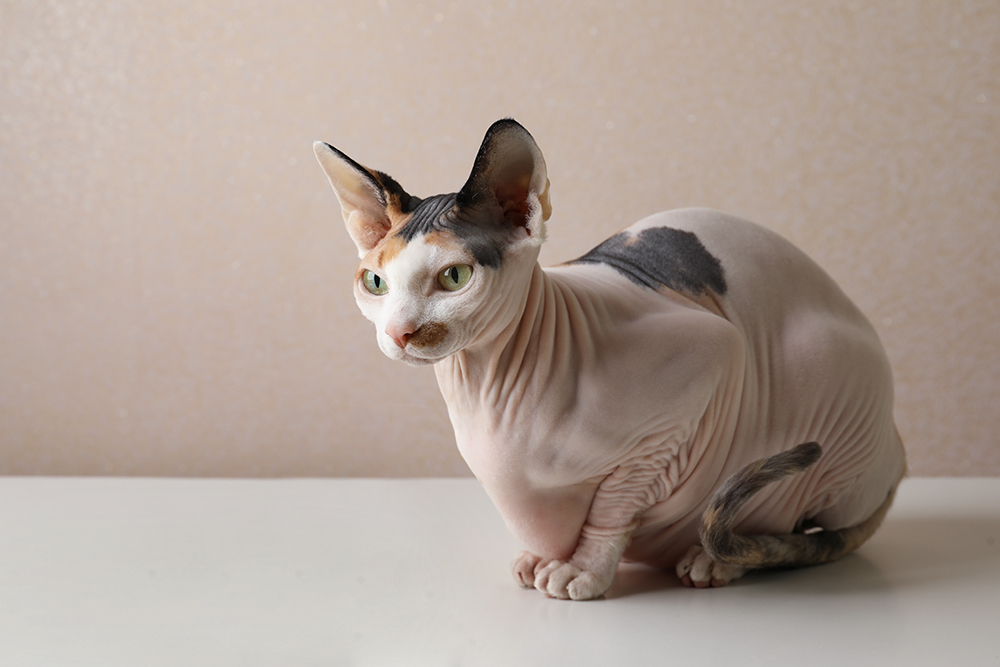
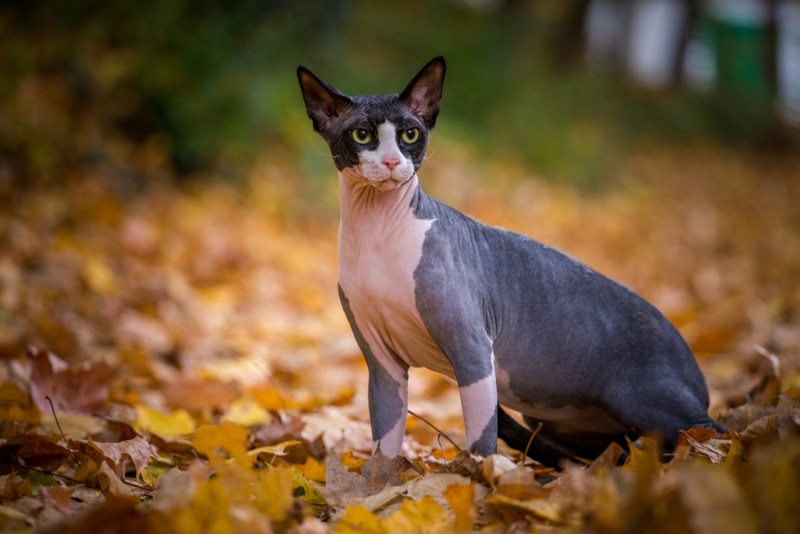
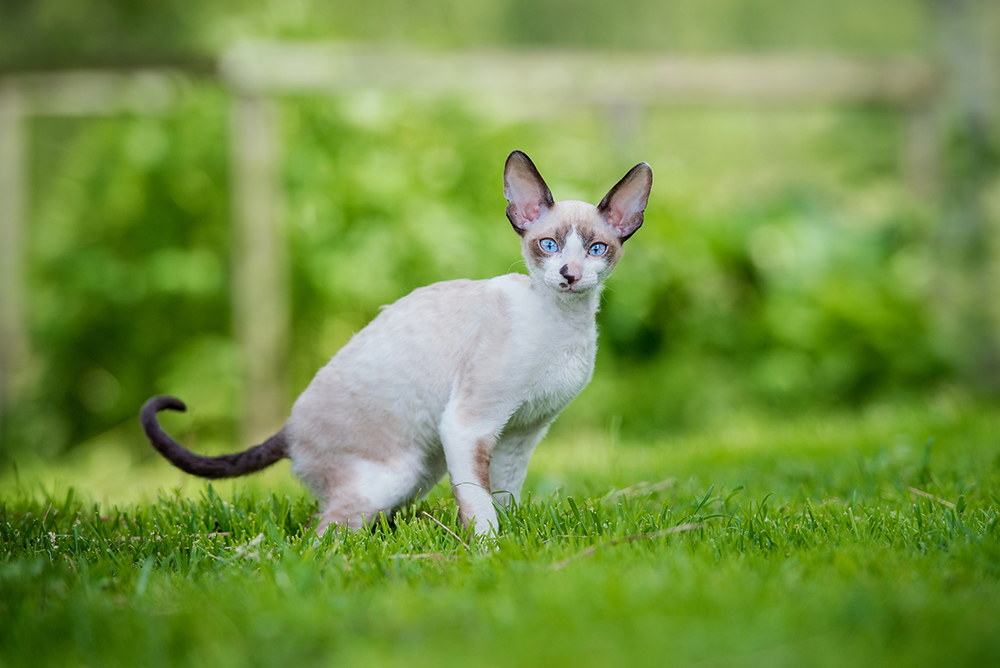
Sphynx cats first came about in the 1960s as a result of a genetic mutation. Ever since cat owners have been in love with the unique look and personable nature of the hairless breed.

Like other purebred cats, Sphynx cats may develop genetic health conditions. There is some controversy1 around their breeding as hair provides protection, temperature regulation, and communication. They’re also prone to the same conditions that affect cats as a species. Despite this, they are known to be energetic and intelligent companions. Here are 6 common issues for Sphynx cats.

divider 3 paws

The 6 Common Sphynx Cat Health Issues

1. Skin Problems

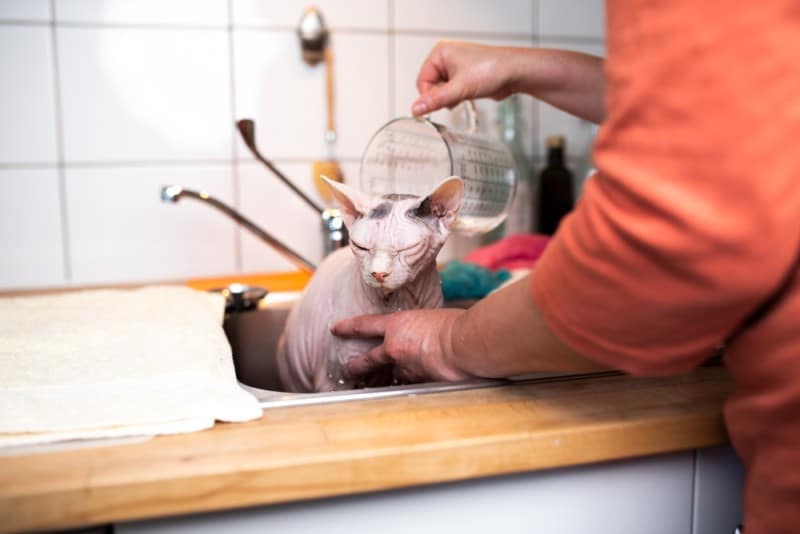
Sphynx cats are hairless, so they lack the protection that fur provides. They need frequent baths to keep their skin free from excess oils and dirt, which can lead to skin problems.  Urticaria pigmentosa is another Sphynx skin problem, it results in red pigmented spots on the skin. Sphynx cats may also be prone to sunburn from lying in direct sunlight since they don’t have a thick layer of fur to protect them.

Signs of skin problems may include:
  • Lesions
  • Red spots
  • Greasy, itchy seborrhea patches

If your pet is showing these signs, we suggest you speak to a vet.

If you need to speak with a vet but can't get to one, head over to PangoVet. It's an online service where you can talk to a vet online and get the advice you need for your pet — all at an affordable price!

PangoVet_Mention-in-Content for PangoVet2 save money


2. Poor Temperature Regulation

Sphynx cats aren’t able to regulate their body temperature effectively, leading them to get chilly easily in cold weather. It’s important that they have sweaters, heated cat beds, and extra blankets to stay warm. Likewise, their lack of fur makes them unable to cool their bodies appropriately in hot weather, and they should have access to cool areas to stay comfortable. They shouldn’t be allowed outside for long periods in either hot or cold weather.

Signs your cat is cold:
  • Avoids walking on cold surfaces
  • Stays close to human companions for warmth
  • Shivering
  • Lethargy
  • Cold to the touch

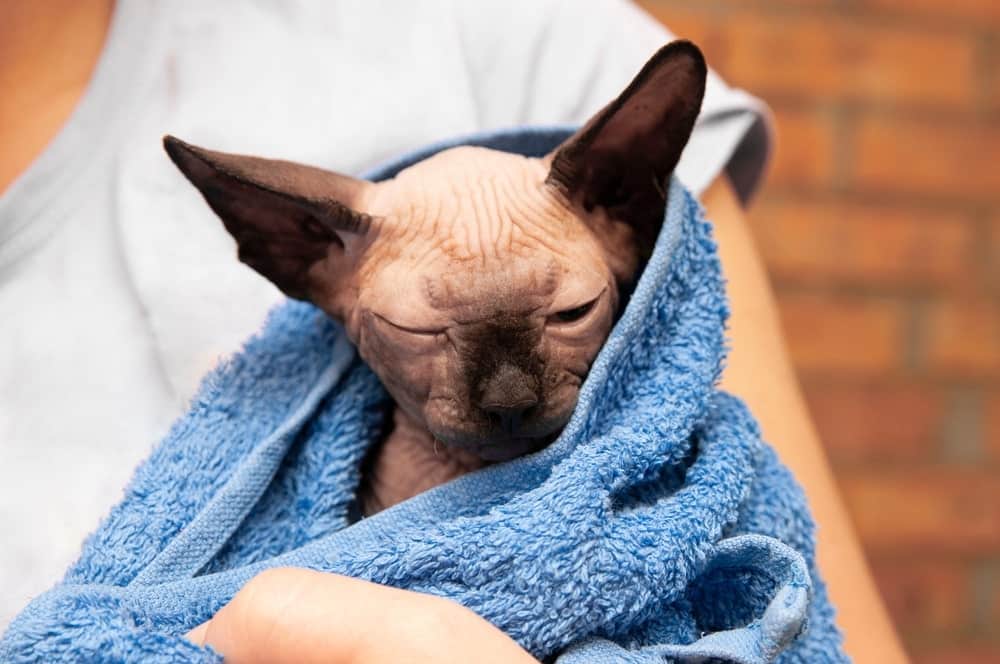
3. Ear Infections

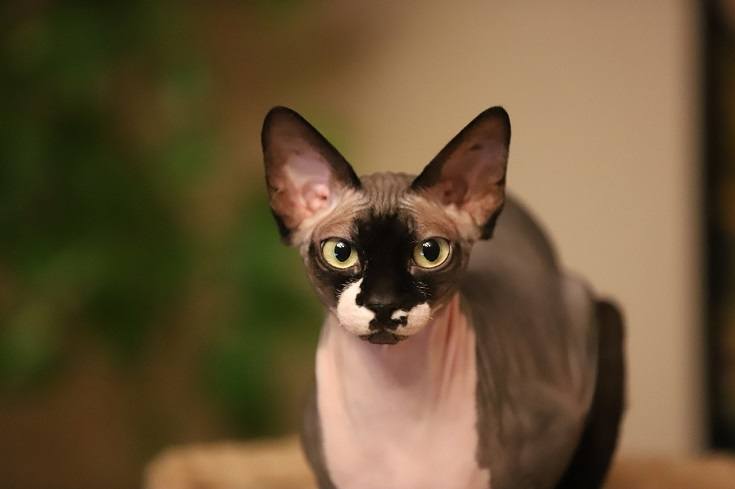
As a result of hairlessness, Sphynx cats have no hair in their ears to protect them from excessive wax buildup and ear infections. It’s important to clean your cat’s ears regularly with pet-safe wet wipes or a cat-safe ear cleansing solution. Avoid sticking anything directly in your cat’s ears—stick to wiping the area outside the canal.

The signs of ear infections may include:
  • Swollen or red ear canal
  • Head tilting
  • Yellow discharge
  • Difficulty hearing
  • Smelly ears
sphynx cat ears check by vet
Image by: santypan, Shutterstock

4. Hypertrophic Cardiomyopathy

Hypertrophic cardiomyopathy is a common disease in Sphynx cats that causes the heart muscle to become abnormally thick. Because of this, the cat’s heart, over time, begins to fail. Your vet should check for signs of heart problems at each exam since hypertrophic cardiomyopathy can develop over time.

Signs of hypertrophic cardiomyopathy:
  • Labored breathing
  • Hind leg paralysis
  • Fluid buildup in the lungs
  • Thromboembolism
  • Acute pain in the hind legs

5. Hereditary Myopathy

Hereditary myopathy is a generalized muscle weakness caused by a defect in the transmission of nerve signals to the muscles. Eventually, the disease progresses to the point that cats can’t walk or exercise because of excessive muscle weakness. Usually, the early signs of muscle weakness can show from three to 24 weeks.

Signs of hereditary myopathy:
  • Muscle trembling
  • Abnormal gait
  • Head bobbing
  • Collapse
  • Exhaustion

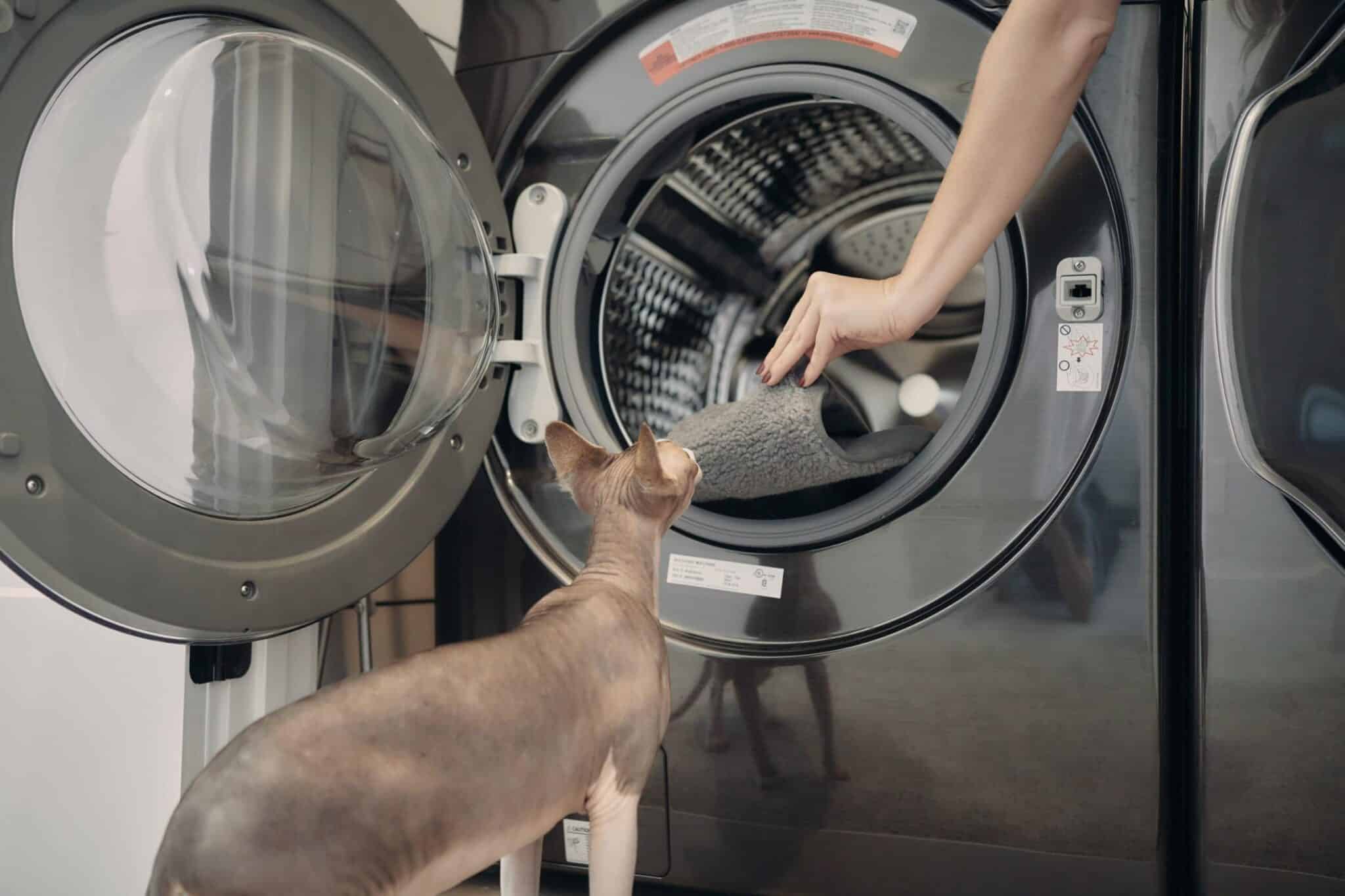
Sphynx cat laundry washing machine hepper nest liner


6. Periodontal Disease

Sphynx cats are prone to dental issues, including periodontal disease. Regular dental cleanings can remove plaque and control infections that cause bad breath, drooling, and red, swollen, or bleeding gums. Periodontal disease begins as gingivitis, which can be controlled if it’s caught early enough.

Signs of periodontal disease:
  • Red, swollen, or bleeding gums
  • Bad breath
  • Yellowing teeth
  • Drooling
  • Difficulty eating

divider 1 paws

What Health Conditions Are Common in Cats?

Along with genetic health conditions, Sphynx cats may be susceptible to health conditions that affect all cats as a species. Feline lower urinary tract diseases (FLUTD) and other urinary tract problems, fleas, ticks, and other parasites, and eye problems like conjunctivitis, corneal ulcers, cataracts, and glaucoma are all common in cats. Fortunately, many of these health conditions can be treated or prevented with regular veterinary care.

divider 2 cats

Conclusion

Sphynx cats are sweet and lovable companions. Like all cat breeds, they’re prone to some genetic conditions and general health issues, but with regular veterinary care, you can help your Sphynx cat live a long and full life.


Featured Image Credit: Irina Vasilevskaia, Shutterstock

Want content like this delivered to you?

Sign Up For Our Newsletter

News, insights, expert advice, and everything cat

* By submitting, you agree to our Terms & Conditions and Privacy & Cookies Policy.


How useful was this post?

Click on a star to rate (you can leave written feedback after clicking submit)

Help us improve Catster for pet parents!

Your feedback really matters.

What did you like about this post? Also how can we improve it?

Join the conversation

Leave a Reply

You’re very welcome to leave a comment or question. Please know that all comments must meet our community guidelines, and your email address will NOT be published. Let’s have a positive and constructive conversation.


Talk With A Vet Online

Peace of mind,
anywhere, anytime

Affordable vet advice

Why Chicken Bones Are More Dangerous for Cats Than Most Parents Realize

Chicken bones seem harmless enough, but for cats, they can cause serious damage quickly. Whether your cat swiped a piece off the counter...

Fantastic Pet Pantries and Where to Find Them

Let’s face it: times are really tough right now, and those of us in the 99% are struggling with the cost of just...

Ask Dr. Paola – Help! My Cat Refuses to Drink Water! (April 13, 2026)

Welcome to our “Ask Dr. Paola” series, where every Monday we bring expert advice straight from Dr. Paola Cuevas (MVZ) to help our...

Why Healthy Cats Still Vomit Sometimes (And How to Respond)

A cat that just vomited needs a specific kind of care, and the feeding decisions you make in the next few hours actually...

More related

Can Cats See Color? Vet Approved Feline Vision Guide

What colors can cats see? It was said for a long time that dogs only see black and white, though this is actually...

The Joys of Sharing My Office With Cats: Litter in the Keyboard & More

Hi, I’m Dr. Karyn! Read my introduction to learn more about me and meet my five hilarious cats: Clutch, Cyril, Alex, Zelda, and...

Dr. Lauren’s Approved Guide: Why Insurance is a Necessity for Most Felines

Have you ever found yourself with a case of indigestion after eating, say, a foot of Christmas tinsel? Or how about being unable...

Cat Airplane Ears: 4 Vet-Verified Reasons Why Cats Do This, Facts & FAQ

Cats are known for their quirky behaviors, but one that continues to baffle pet owners is when they have “airplane ears.” This seemingly...

Keep reading

Blood in Cat’s Stool: 13 Vet-Verified Possible Causes

It’s natural to worry if you find blood in your cat’s poop. After all, we’re primed to assume that blood is a sign that something is wrong! The good news is that there are many relatively unserious reasons your cat...

cat leaving litter box

How to Cut Pills Easily & Accurately for Your Cat: Vet-Verified Tips

If you’ve ever given a pill to your cat, you know how challenging it can be. There are several reasons you may want to cut a pill for a cat. It may be easier to get your cat to take...

young woman giving cat a tablet pill

Can Cats Drink Lactaid? Vet-Approved Nutritional Science & Info

Lactaid is a lactose-free milk product, free from the sugar lactose found in milk. It is intended as milk suitable for those who are lactose tolerant. Many cats are lactose intolerant, and therefore, as a cat owner, you might be...

Can Cats Drink Lactaid

2-Month-Old Kitten: What to Expect & How to Care For Them

Baby cats are some of the most adorable creatures on the planet! They’re energetic, curious, joyful, and full of playfulness and life. While 2-month-old kittens have matured significantly in their brief time on earth, they still have a bit of...

cute kitten

Why Does My Cat Act Like My Child? 10 Vet-Verified Reasons

Our relationship with our feline companions has evolved dramatically through the ages. They’ve gone from wild animals to beloved pets. About 95% of people think of their companions as family members.1 Some may do the job that endeared them to...

Siamese cat with kids

8 Products for Senior Cats to Make Your House Easier for Them

It seems that one minute, you have a sprightly little kitten jumping around, ripping down your curtains, and the next, you have a lazy old senior who prefers taking window naps. Our animals’ lives certainly go far too quickly for...

Long hair tabby cat with beautiful green eyes and long whiskers stretched out and relaxed senior cat

Stud Tail in Cats: Vet Approved Signs, Causes, & Treatments

Stud tail, officially known as “tail gland hyperplasia”, is a rare issue seen in cats. It involves the enlargement of sebaceous glands that secrete oil at the base of your cat’s tail. The glands become enlarged, compressing the hair follicles...

curled cat's tail close up

10 Best Flea Treatments for Cats (2026) – Reviews & Top Picks

Fleas are a pesky part of owning a cat. They can pop up at practically any point, even if your cat spends all their time inside. Once you have an infestation, they are very hard to get rid of. They...

Man in gloves holds medicine

Love Cats? So Do We! Join the Catster Community

Stay informed with expert pet care insights delivered straight to your inbox! Discover professional guidance on animal behavior, feeding tips, trusted product picks, and much more.


Sign up for the Catster Email Newsletter

Stay informed with expert pet care insights delivered straight to your inbox! Discover professional guidance on animal behavior, feeding tips, trusted product picks, and much more.