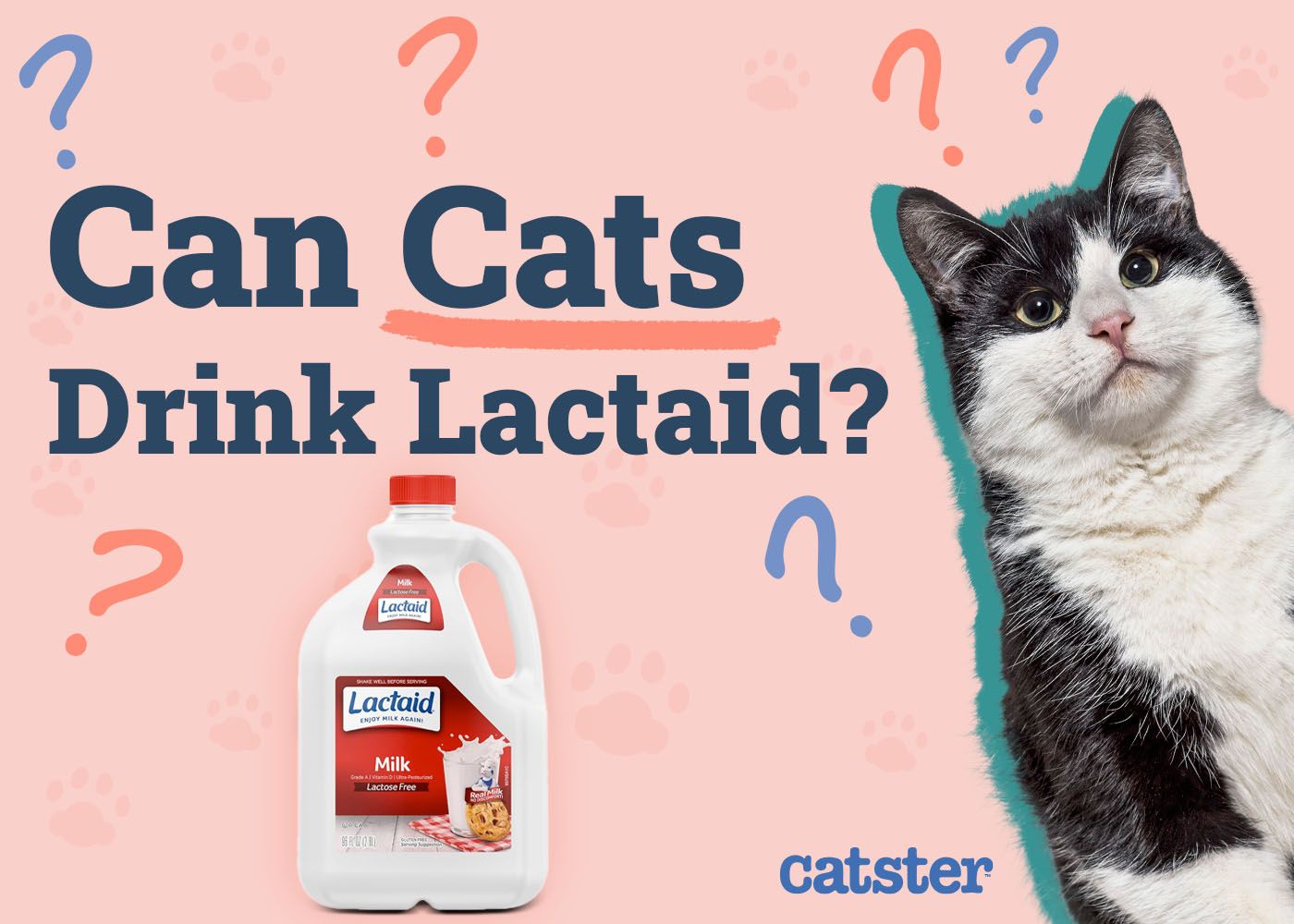
Can Cats Drink Lactaid? Vet-Approved Nutritional Science & Info


In this article
Lactaid is a lactose-free milk product, free from the sugar lactose found in milk. It is intended as milk suitable for those who are lactose tolerant. Many cats are lactose intolerant, and therefore, as a cat owner, you might be curious if Lactaid is safe for your pet cat.
Lactaid isn’t toxic for cats and is considered safe for them; however, it isn’t particularly healthy for cats either, and it’s best if you don’t offer this milk to your pet cat.
Read on as we explore this product in more detail.

Can Cats Drink Lactaid?
Lactaid is a series of lactose-free products, including milk 1. Cow’s milk isn’t inherently toxic for pet cats, and the primary concern for most adult animals is that they are lactose intolerant, so milk isn’t considered healthy for them.
Lactaid milks are marketed as lactose-free, this is achieved by adding the enzyme lactase to their products, which essentially allows the lactose to be digested by the body. This would help a lactose intolerant cat digest the product without the unwanted side effects of an upset stomach, bloat, or discomfort.
The following Lactaid products are considered safe for cats.
- Lactaid Whole Milk
- Lactaid Fat-Free Milk
- Lactaid Lowfat 1% Milk
- Lactaid 2% Milk
The nutritional value of each of these products varies 2; however, they are all considered lactose-free and safe for cats. Other products by the company, such as their sour-cream or their protein milk, are not particularly healthy for cats and should be avoided. The same goes for their chocolate milk.
It is important to note that just because something is safe for your cat, it does not necessarily mean that it is healthy for them.

Is Lactaid Healthy for Cats?
Of course, Lactaid does not contain any lactose so your cat should not get an upset stomach when they consume it. However, that does not mean that you should just provide your feline with all the Lactaid they can drink.
While it likely wouldn’t cause issues with lactose, it may nonetheless be too much for your cat to handle. For instance, cats that are on a relatively monotonous diet (eating the same food for a long time on a daily basis) have a microbial biome in their gut that adapts to handling that specific diet. If your cat isn’t used to drinking Lactaid, the odds of them having a bad experience are pretty high.
If you do want to feed your cat Lactaid, you should do it slowly, and you should consult a veterinarian beforehand. Start with only a tablespoon or two and then increase it. If your cat handles it fine, then they can probably have more. Still, you shouldn’t go overboard, as drinking too much Lactaid can make your pet sick.
Lactaid is not particularly healthy for cats. It does not contain many nutrients that cats are often low in. If your feline is eating their normal food, then they shouldn’t need to be supplemented with Lactaid.
Cats do not need milk. If you do include Lactaid, then it should function like a treat and not be given every day or in high amounts.
With that said, there are a few downsides to introducing Lactaid into your cat’s diet.
The Downsides of Lactaid
A tiny amount of Lactaid is probably not going to harm your feline. However, there are several downsides to introducing Lactaid to your cat’s diet. While your feline may really love the taste, some of these downsides may prove to be too much for your feline.
Potential of Stomach Upset
Anytime you feed your cat something new, you risk the chance that they’ll develop stomach upset. While Lactaid does not contain much risk with lactose, many cats may still experience stomach problems after consuming it. The odds of a problem are higher if your feline has a more sensitive stomach. However, there is no way to tell 100% how a cat will react without simply trying it.
No one wants their cat having diarrhea and an upset stomach—even if it is only for a few hours. However, that is a chance you take when you give your feline Lactaid.
Replacing More Nutritional Foods
While Lactaid does have some vitamins and minerals, it is not a complete food for cats. Your cat should be consuming most of their calories from their usual cat food.
If you feed too much Lactaid to your cat, you risk your feline getting more and more of their calories from Lactaid. Over time, this may prevent them from eating all of the cat food that they should, which can cause nutritional deficiencies.
Of course, a small amount of Lactaid is not likely to cause this problem. However, if you provide Lactaid daily and in high amounts, it can cause problems over a long period.
It isn’t that Lactaid is bad for cats—it just isn’t nearly as nutritional as cat food. Cats should be on a species-appropriate diet that is primarily high quality animal protein and fats.

Causing Finicky Eating
Another potentially serious downside of Lactaid is that it can cause your cat to become picky about what they eat. If you allow your cat to feast on Lactaid, they may begin to expect more of it. Cats are fairly picky anyway, so any excuse for them to be even pickier can make things very difficult for their owners.
For instance, your cat may begin to refuse their regular cat food, especially if you’re providing them with substantial amounts of Lactaid. They may hold out until you provide them with their favorite food, eating minimal amounts of their usual cat food.
Alternatively, they may reject other treats and only want Lactaid. Typically, this isn’t a huge problem. But it can make feeding them supplements and more nutritionally-complete treats difficult.
Even if your cat doesn’t reject their current food, they may reject future foods unless they taste like Lactaid. If you need to switch your cat’s food in the future, you may have a harder time.
What About Regular Milk?
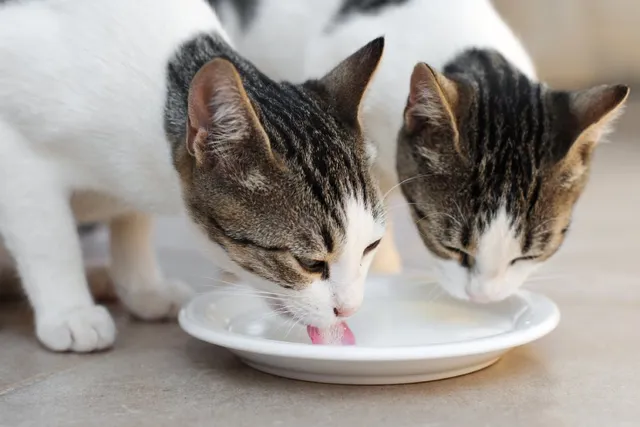
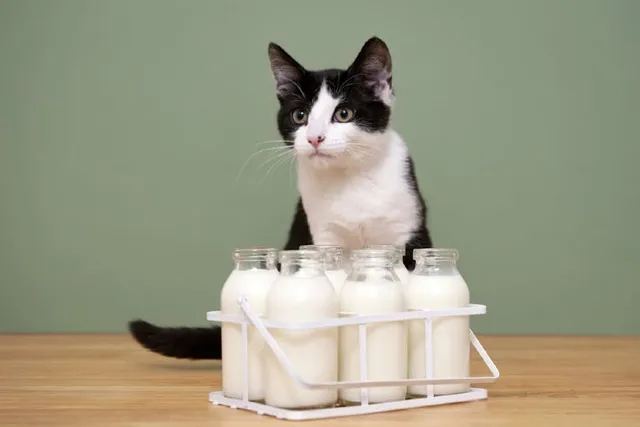
It is a common misconception that milk is good for cats. While you may see it given in the movies and children’s books, most cats cannot actually drink regular milk. Cats may like the taste of milk and be more than willing to drink it if it is offered, but most cats are lactose-intolerant.
In other words, they cannot digest lactose well, which is one of the main sugars in regular milk. In the end, this will result in diarrhea and stomach upset.
Many people inaccurately assume that kittens can tolerate cow’s milk. This, too, is a misconception. The nutritional profile of a cat’s milk and cow’s milk is entirely different. A mother cat’s milk is far higher in protein and fat when compared to cow’s milk and only contains around 4% lactose 3.
In addition, cow’s milk does not contain the other nutrients and antibodies that are found in a cat’s milk. It is also very high in lactose when compared to cat’s milk, meaning that a kitten’s ability to digest it is very poor. This is the reason why most kitten milk replacers are made of goat’s milk, which is significantly lower in lactose when compared to cow’s milk.
As they grow older, kittens have an even lower ability to handle lactose. Almost all adult cats are lactose intolerant and older cats will be more sensitive to lactose than younger cats.

Conclusion
Lactaid has enzymes added to it which neutralize lactose, which is a milk sugar that cats usually can’t digest. Many cats are lactose-intolerant, which means that lactose will cause stomach upset. Because Lactaid does not include lactose, cats can typically eat it without a huge problem.
However, some cats may still have problems, especially if they have more sensitive stomachs. Even if your cat can drink Lactaid without a problem, too much consumption can push out their normal cat food from their diet. Eventually, this may lead to nutritional deficiencies, since Lactaid does not contain all of the nutrients your feline requires.
Plus, Lactaid can often lead to picky eating as well, particularly when it is given regularly. Your cat may just learn to expect this treat and refuse to eat anything else.
In the end, it is often best to avoid Lactaid, even if your cat can technically drink it.
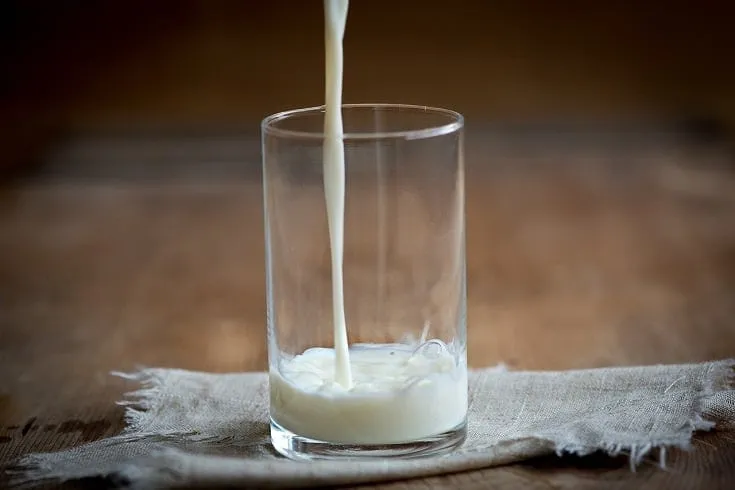
Featured Image Credit: ChristopherPluta, Pixabay
Expert cat care, straight to your inbox
News, insights, and useful advice, delivered to you.

No spam — unsubscribe anytime.
By signing up, you agree to our Terms & Conditions and Privacy & Cookies Policy.
How useful was this post?
Click a star to rate. You can leave written feedback afterwards. (We read all feedback.)
Kristin is passionate about helping pet parents create a fulfilling life with their pets by informing them on the latest scientific research and helping them choose the best products for their pets. She currently resides in Tennessee with four dogs, three cats, two fish, and a lizard, though she has dreams of owning chickens one-day!