Can Cats Eat Alfalfa Sprouts? Vet-Approved Benefits & Advice


Alfalfa sprouts may be a regular part of your healthy diet. Known for their fiber, high water content, and vitamins, they are an easy way to add to your nutrition. But what about your cat? Can he benefit from them too?
Yes, but in moderation. The multiple health and nutritional benefits of alfalfa sprouts can be added to your cat’s diet in small amounts, but they should in no way replace the bulk of their food. Cats are carnivores, and as such, need high amounts of protein—plants should be an extra, not the main course.
Read on below to learn about what alfalfa sprouts are, their nutritional content, benefits, and potential dangers. Find out how to safely store them and how best to incorporate them into your cat’s diet.
Disclaimer: Legumes also contain anti-nutrients that may inactivate essential amino acids such as taurine. However, soaking and sprouting decreases the plant chemicals known as anti-nutrients. Taurine deficiency in cats can lead to serious heart and eye issues. Most commercial cat foods should be fortified with adequate amounts of taurine required by your cat. So, in the event your cat eats a few alfalfa sprouts, it is unlikely to cause major issues or deficiencies.

What Are Alfalfa Sprouts?
Alfalfa is a member of the pea family and therefore a legume. The sprouts are the emerging branches that are picked before blossoming. Tiny clover leaves on thin green shoots make them easily recognizable and they can be eaten raw or cooked. When raw, they add a crunchy texture to sandwiches and salads that many people enjoy.
To avoid confusing them with bean sprouts, remember that bean sprouts have thicker, whiter stems and a much crunchier texture.

What Is the Nutritional Content of Alfalfa Sprouts?
Some consider alfalfa sprouts to be a superfood due to their low-calorie count and high concentration of vitamins and minerals. One cup has a scant 8 calories but packs a significant nutritional punch.
| Vitamin K: | 8% of the Daily Value (DV) |
| Vitamin C: | 3% of the DV |
| Folate: | 3% of the DV |
| Thiamine: | 2% of the DV |
| Riboflavin: | 3% of the DV |
| Magnesium: | 2% of the DV |
| Iron: | 2% of the DV |
| Copper: | 6% of the DV |
Because of this, people often add alfalfa sprouts to their diet to support good health. It’s only natural to want to do the same for the furry member of your family.
What Are the Benefits of Alfalfa Sprouts?
Fiber
The high fiber content in alfalfa sprouts can help with constipation in cats just like it can in humans. Fiber helps the contents of the intestines to move freely and smoothly. However, be aware that an excess of fiber can interfere with protein digestion.
Alfalfa sprouts usually don’t cause diarrhea, but as always, monitor your cat closely when introducing them to their diet and talk to a vet about any concerns or adverse effects.
Vitamins and Minerals
This tiny plant is a surprisingly good source of vitamins. Vitamin K is good for strong bones and blood clotting as well as preventing calcium deficiency. Vitamin C supports a healthy immune system. Additional minerals help support healthy body functions.

Can I Feed Alfalfa Sprouts to My Kitten?
Feeding alfalfa sprouts to kittens is not recommended. Just like babies and pregnant women should avoid certain foods that can harbor bacteria, kittens are just as vulnerable. Their digestive and immune systems are still maturing. It’s important to wait until adulthood before adding them to your cat’s diet. Once your furry baby grows up, talk to a vet before making any major dietary changes. They will advise you on the best way to supplement with sprouts.
Will Alfalfa Sprouts Go Bad?
Yes, like any other herb, sprouts can spoil and become unsafe to eat. Proper storage is critical. Layer them between two paper towels, place them in a sealed plastic bag, and keep them in the refrigerator. You will easily be able to tell when the sprouts are bad due to the smell and slimy texture. They usually last up to four days if stored correctly.
Follow this simple rule: if you wouldn’t eat them, don’t feed them to your cat.

Why Are People Afraid to Feed Alfalfa Sprouts to Their Cat?
Saponins and Phenols
Saponins are natural compounds in plants that have been found to act as antioxidants and support the immune system. They may be able to protect against cancer and improve cholesterol levels in people.
Phenols are another organic compound with antioxidant benefits. They are used in soaps, cleaning products, throat spray, and vaccines. When ingested, they prevent free radical damage to cells and fight bacteria.
Despite their health benefits for humans, saponins and phenols are considered toxic to cats, which is why many owners avoid them. In animals, they can cause digestive problems like diarrhea and vomiting.
Legumes also contain anti-nutrients that may inactivate essential amino acids such as taurine. However, soaking and sprouting decreases the plant chemicals known as anti-nutrients. Taurine deficiency in cats can lead to serious heart and eye issues. Most commercial cat foods should be fortified with adequate amounts of taurine required by your cat. So in the event your cat eats a few alfalfa sprouts, it is unlikely to cause major issues or deficiencies.
Bacteria
Alfalfa sprouts can be a potential breeding ground for bacteria that cause food poisoning and illness. If the seeds are already carrying pathogenic bacteria, the chances of becoming sick are much greater. Correct handling and storage can prevent these issues.

How Many Alfalfa Sprouts Can My Cat Have?
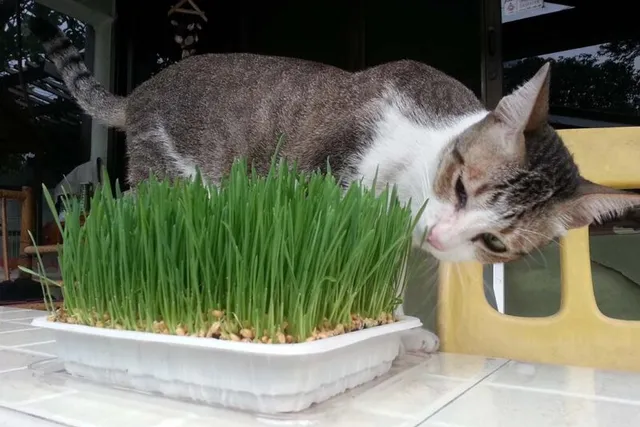
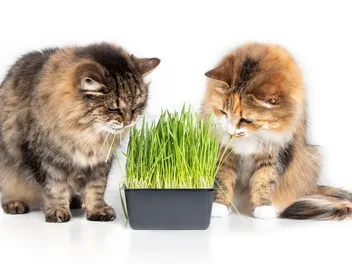
When it comes to feeding alfalfa sprouts to your cat, there is no specific recommended amount. After getting your vet’s approval, start with offering just a few sprouts occasionally and watch your cat for any bad reactions. Another method is to grow some in a container and use them as cat grass for your pet to nibble on at their leisure. This may work well for cats that turn up their noses at crunchy green things in their bowls.
What Are Some Alternatives to Alfalfa Sprouts?
Any of the above are suitable alternatives for your cat if they refuse to eat alfalfa sprouts. Several of them are also commonly used as cat grass and can distract your kitty from gnawing on other greenery in your home.
Conclusion
When it comes to the many nutritional benefits of alfalfa sprouts, your cat can take advantage of them too, in moderation. Wait until they have reached adulthood before offering them, and only give a few at a time. Keep an eye on them for any adverse reactions such as vomiting or diarrhea, and always consult your vet with any questions or dietary changes. Although compounds like saponins and phenols are considered toxic, they are also responsible for the antioxidant benefits and won’t harm your cat in small amounts. To prevent food poisoning from bacteria, be sure to keep your sprouts properly wrapped and stored in the refrigerator. Always do a sniff test before serving them. Whether you toss a few sprouts into their bowl or grow a small patch for your cat to munch on, alfalfa sprouts can be a healthful addition to their nutrition. See also:
Sources
https://www.livestrong.com/article/286605-how-to-store-alfalfa-sprouts/
https://www.healthline.com/health/what-is-phenol#medical-uses
https://www.chagrinfallspetclinic.com/2018/03/18/sprouts-for-pets-nutrition/
https://www.canr.msu.edu/news/are_raw_sprouts_safe_for_consumers_part_one
https://www.petmd.com/dog/emergency/poisoning-toxicity/are-succulents-poisonous-cats-and-dogs
Featured Image Credit: roroto12p, Shutterstock
Expert cat care, straight to your inbox
News, insights, and useful advice, delivered to you.

No spam — unsubscribe anytime.
By signing up, you agree to our Terms & Conditions and Privacy & Cookies Policy.
How useful was this post?
Click a star to rate. You can leave written feedback afterwards. (We read all feedback.)
Christian started writing for a local newspaper as a teenager, and he's been involved in the publishing industry for most of his adult life. Combining his love of writing with a passion for animals, he is currently the Director of Editorial at Pangolia and the Editor-in-Chief at Catster.
Christian lives in the Philippines with his wife, son, and four rescue cats: Trixie, Chloe, Sparky, and Chopper.