7 Natural Sources of Taurine for Your Cat: Vet-Reviewed List


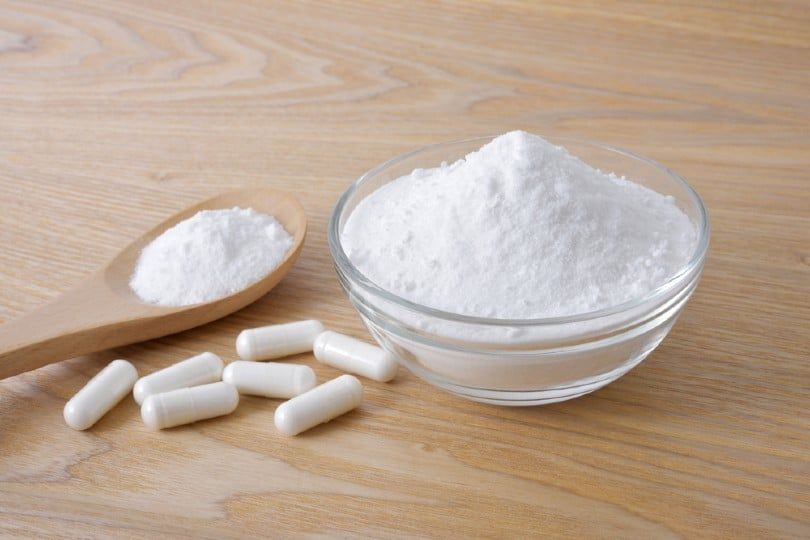
When it comes to feline diets, the importance of taurine cannot be overstated. An essential amino acid for cats, this nutrient is found almost exclusively in animal meats. Prolonged deficiency of this key ingredient can lead to a plethora of health issues in cats, including blindness and heart conditions.
Fortunately, commercial cat foods that comply with regulatory standards (for example, AAFCO compliant) are sufficient in taurine, and owners that feed their cat such diets have very little to worry about their cat’s taurine needs. However, owners that are keen on preparing fresh meals at home for their cats would want to ensure their cats are being offered adequate amounts of taurine.
Fortunately, there are many natural sources of taurine that you can feed your cat to keep them healthy, and better still, many of them are things that cats find irresistible.

Feline Taurine Requirements
Research suggests that the taurine requirement for cats is 10 milligrams per kilogram of body weight per day. For example, a 4-kilogram (9-pound) cat would require roughly 40 milligrams of taurine per day. Weighing, measuring, and calculating such minute amounts of an ingredient is not only cumbersome but borderline impossible. Fortunately, overdosing cats with taurine has shown no adverse effects. Therefore, when preparing meals for cats at home, it is better to “go big” rather than meticulously calculating taurine amounts in ingredients being used as part of your cat’s diet.
Another reason why measuring for taurine amounts isn’t recommended is because cooked meats lose some of their taurine. However, contrary to popular belief, taurine isn’t degraded or lost in the cooking process. It is water soluble and may mix with the broth you prepare for your cat; however, they'll obtain the nutrient and its benefits when they consume the broth.
The Top 7 Taurine Sources for Your Cat
1. Chicken

Chicken is an excellent source of taurine, but not all parts of the bird are equally good. The thighs, drumsticks, and liver are your best bets, as they’re packed with taurine and all the other essential amino acids your cat needs. That being said, there’s no reason to shun other parts of this bird, as even the white cuts (the breast and wing) contain taurine.
Depending on the recipe you’re attempting, you can skip chicken fat or skin, though, as those parts are completely lacking in taurine. It’s only found in muscle tissue. That being said, these parts have other nutritional benefits for your cat and can definitely be incorporated into a meal. Please note that chicken eggs, while safe for cats, don't contain taurine.
2. Beef
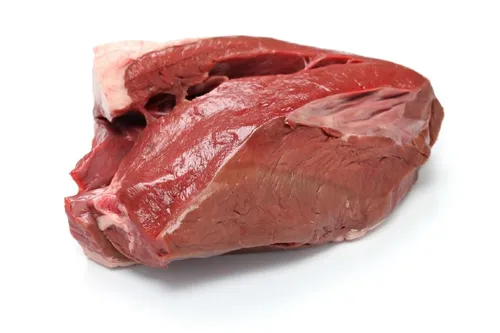
All beef has some taurine in it, but the internal organs are the biggest sources in the animal. The heart and liver are swimming in it, so ask your butcher for some of their less-requested cuts. Caution is advised when feeding cats liver though, as its high vitamin A content can be detrimental to their health. Organ meats (in particular, the liver) should only be offered sparingly to cats (ideally no more than once a week at about 5% of their daily intake for that day).
One good thing about feeding your cat these organs is the fact that they’re often large, so you can get value for your money. A single beef heart could feed your cat for several meals.
3. Shellfish

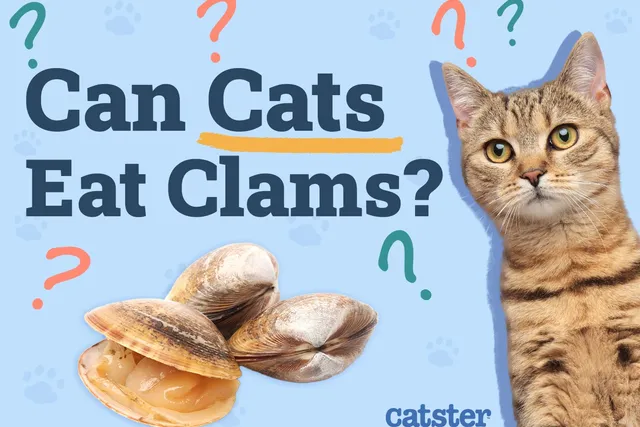
Most shellfish are loaded with taurine, but scallops, shrimp, and clams have more than almost any other animal source. You can also give your cat krill and if they’ll eat it.
4. Pork Loin

Though a novel protein for most cats, pork loin is another good source of taurine and, for most owners, offers unique culinary characteristics which makes its preparation quite rewarding. Pork loin offers more taurine than white chicken meat and most cuts of beef as well, making it a fantastic choice for your cat’s diet.
5. Fish

Many types of fish offer plenty of taurine, which is just one of the reasons that fish is such a staple of many cat foods. Like most of the other ingredients shown here, some fish usually have everything that your cat needs from a nutritional standpoint.
The best type of fish to feed your cat from a taurine standpoint is whitefish. Salmon and cod are also excellent choices.
6. Turkey
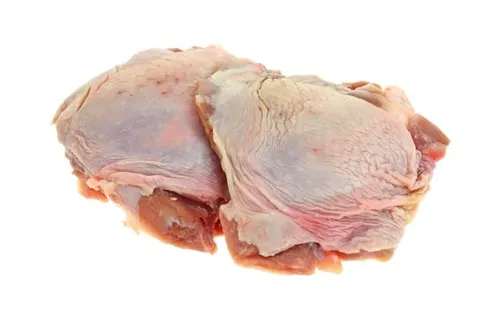
Like chicken, turkey is full of taurine, but the highest taurine is attributed to dark cuts (thighs and legs). Dark meat cuts have significantly more taurine than white meat, but both cuts meet a cat’s requirements without much issue.
You should also give your kitty the internal organs if you can get your hands on them, especially the heart and liver, keeping in mind that liver has the aforementioned hypervitaminosis A risk.
7. Lamb

Dark meat from lamb has a respectable amount of taurine, but there’s less than you’d find in some of the other sources on this list. Given how much more expensive lamb is than, say, chicken, you’re probably better off going with another option.
However, if you get the opportunity to feed your cat some lamb, it is a safe bet.
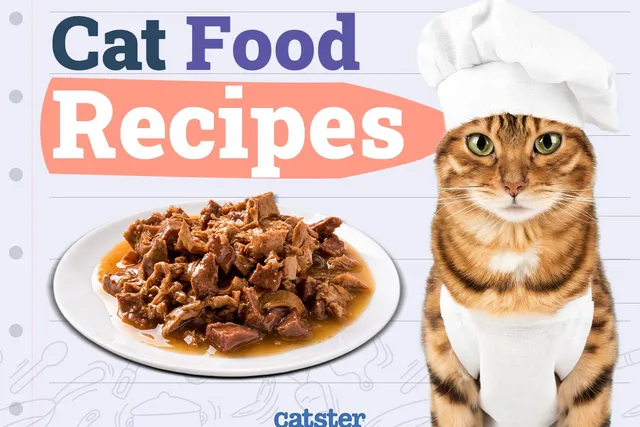
Check out our: 9 Homemade Cat Food Recipes (Vet Approved)
Final Thoughts
Taurine plays a key role in feline health and is a very important ingredient readily found in commercial cat foods. Owners that opt to prepare their cat’s meals elsewhere would want to incorporate sources of taurine into their diet to avoid deficiencies.
Luckily, common taurine sources are animal proteins, so you shouldn’t have any issue meeting your cat’s requirements when preparing food for them at home.
Featured Image Credit: Imagepocket, Shutterstock
Expert cat care, straight to your inbox
News, insights, and useful advice, delivered to you.

No spam — unsubscribe anytime.
By signing up, you agree to our Terms & Conditions and Privacy & Cookies Policy.
How useful was this post?
Click a star to rate. You can leave written feedback afterwards. (We read all feedback.)
Christian started writing for a local newspaper as a teenager, and he's been involved in the publishing industry for most of his adult life. Combining his love of writing with a passion for animals, he is currently the Director of Editorial at Pangolia and the Editor-in-Chief at Catster.
Christian lives in the Philippines with his wife, son, and four rescue cats: Trixie, Chloe, Sparky, and Chopper.