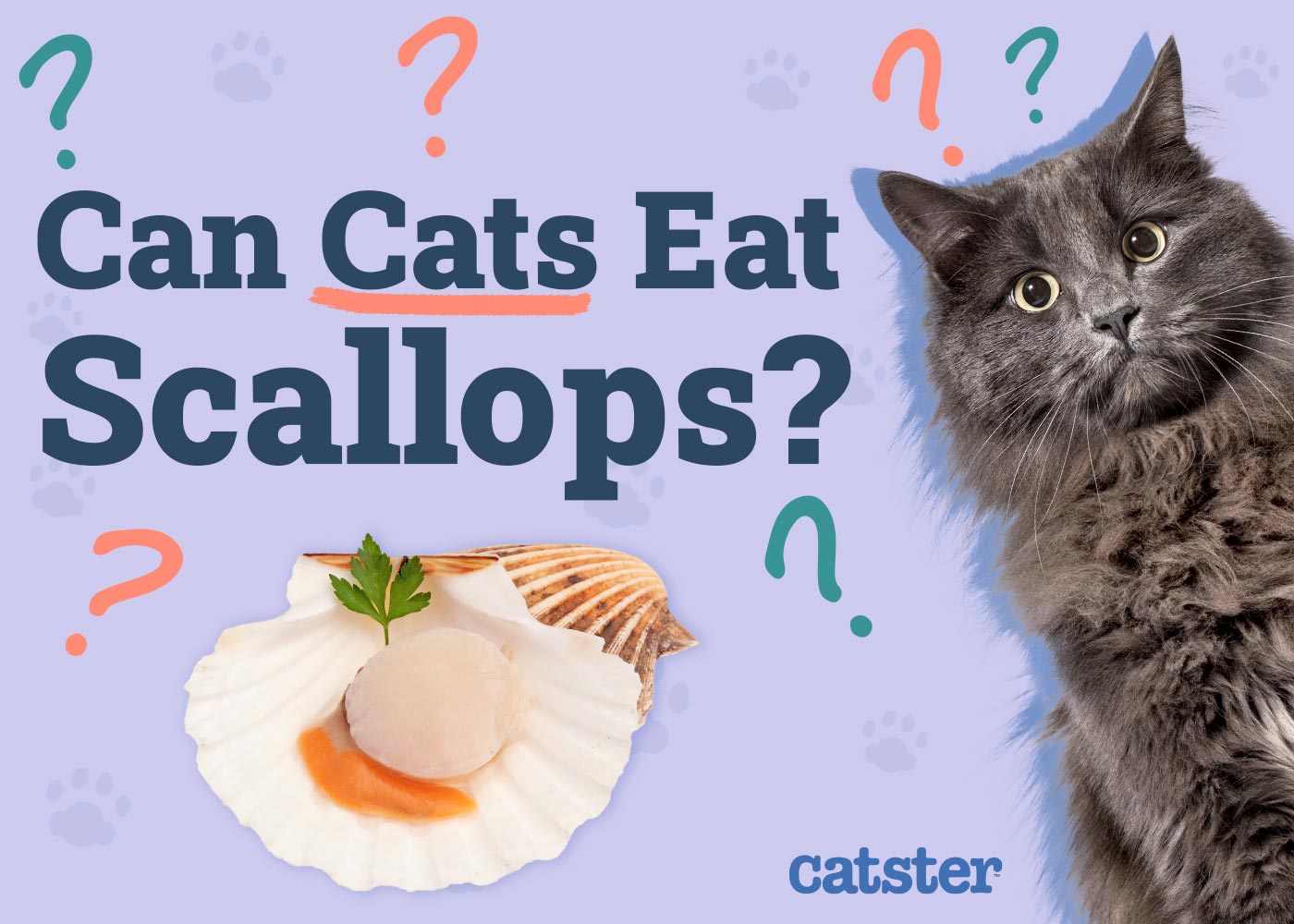
Can Cats Eat Scallops? Vet-Approved Facts & FAQ


In this article
Cats eating fish and other seafood is a common trope, but you may be wondering if it’s safe for them to have. Scallops are a common and nutritious meal for people, but what about cats?
Can cats eat scallops? Is it healthy for them? Fortunately, cats can eat scallops if they’re fully cooked, but there are some things to be aware of.

Scallop Nutrition
Scallops are bivalve mollusks with a shell and meat, which are removed for cooking. The meat is a small adductor muscle inside the shell within a membrane, which is cut out and cooked by grilling, baking, frying, boiling, and other methods.
Prepared correctly, scallops have a sweet taste and a tender texture, which is appealing to many people.

Scallops also have plenty of health benefits. Just three ounces of scallops contains:
- 94 calories
- 0 carbs
- 2 grams of fat
- 5 grams of protein
- 333 mg of omega-3 fatty acids
- Vitamin B12
- Calcium
- Iron
- Magnesium
- Phosphorus
- Zinc
- Potassium
- Copper
- Selenium
These low-fat, high-protein foods can be beneficial for cats as well, but they should be getting all the nutrition they need from their food. As an occasional snack, a scallop can provide additional trace minerals, vitamins, and protein for cats.
So, if you want to share your plain scallops with your cat or your cat happens to sneak some off your plate, it is likely not a cause for alarm. Just monitor your cat closely to see if it tolerates the scallops.

Precautions for Feeding Scallops to Cats
Scallops are generally safe for cats, but there are some things to be aware of. Scallops should always be cooked, as raw scallops can carry bacteria like salmonella that can make your cat sick.
Furthermore, cooked scallops should be plain and cooked without added herbs, spices, breading, or other ingredients. The best way to feed scallops is baked or broiled instead of fried, which can give your cat an unhealthy amount of fat that can lead to digestive upset.
There’s a lot of concern about the heavy metal concentration in scallops, including cadmium, mercury, lead, and arsenic. In people, chronic exposure to arsenic has been linked to the development of cancer and organ damage. The concentration of heavy metals in scallops can vary, and because cats are much smaller than humans, the toxic level is much lower for them.
Finally, there’s a risk of allergic reactions. If your cat has any previous history of allergies to seafood, it is best to avoid scallops altogether. If you’re not sure, start with a small amount to see how your cat handles it before feeding more.
The signs of an allergic reaction in a cat may include:
- Itchy, running eyes
- Vomiting and diarrhea
- Swollen paws
- Excessive licking
- Red or dry skin
- Scratching
A severe allergic reaction—anaphylaxis—is a veterinary emergency that can occur when a cat is exposed to a certain allergen after having been exposed previously. This condition can be fatal if left untreated. Some of the signs include:
- Shock
- Breathing difficulty
- Vomiting
- Lack of bowel control
- Lack of bladder control
Often, anaphylaxis sets in within minutes of exposure, so be sure to monitor your cat after feeding scallops (or anything new).
What Other Seafood Can Cats Eat?
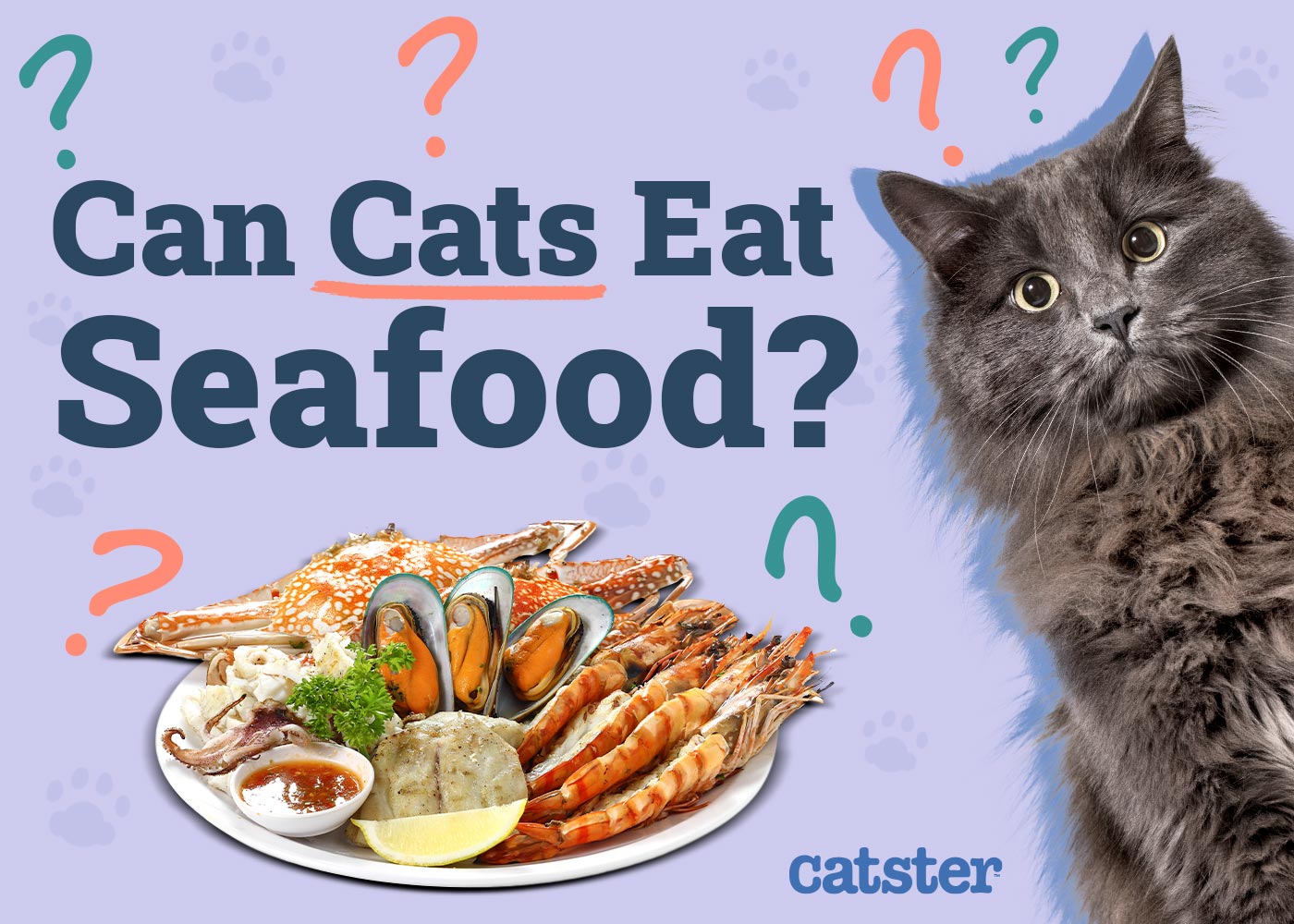
Cats can eat a lot of different types of seafood safely, but the same rules apply to scallops—plain, fully cooked, no added spices or herbs, and watch for allergies or digestive upset.
If you want to incorporate seafood snacks into your cat’s diet, you can feed the following plain seafood in small amounts on occasion:
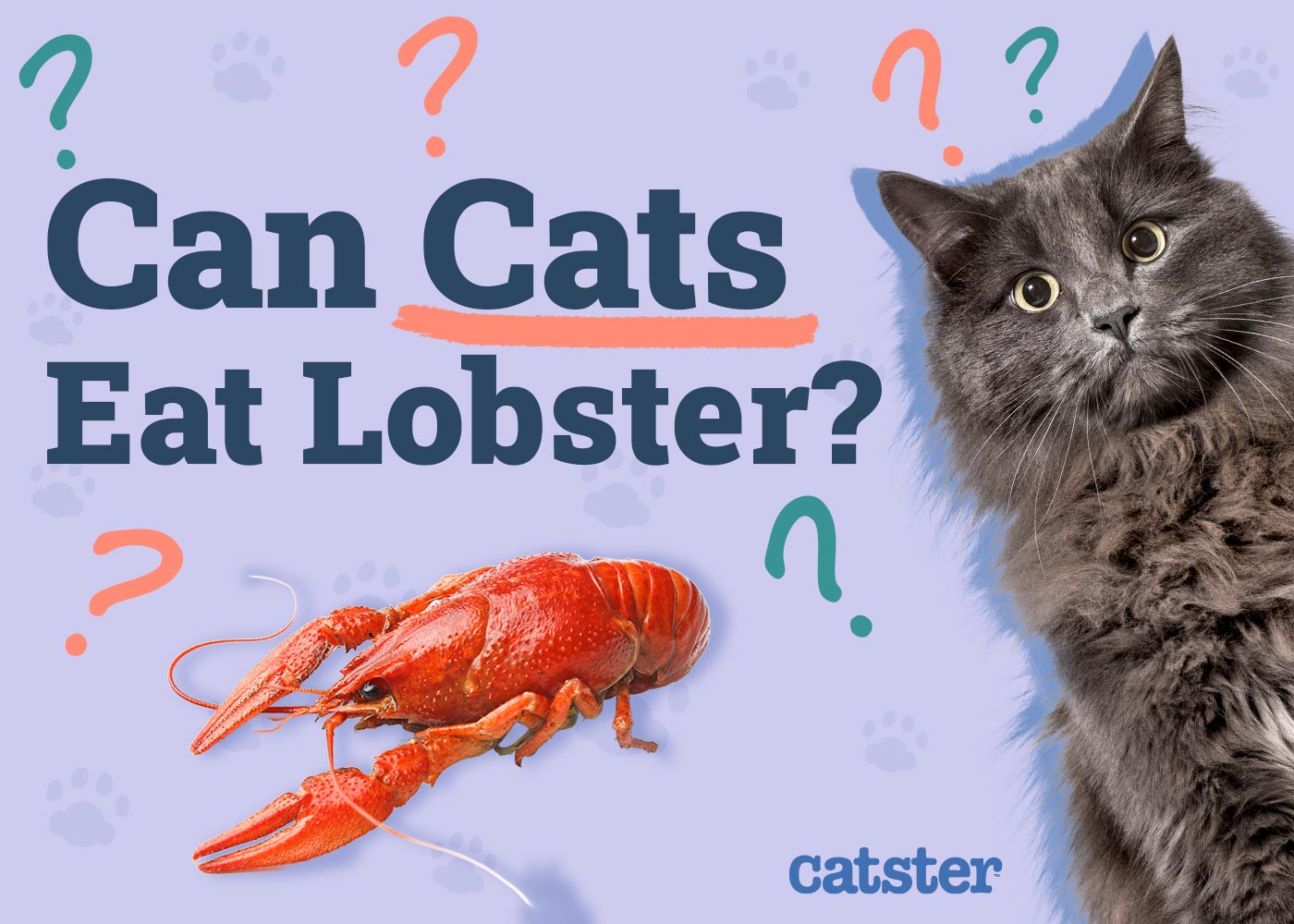
- Lobster
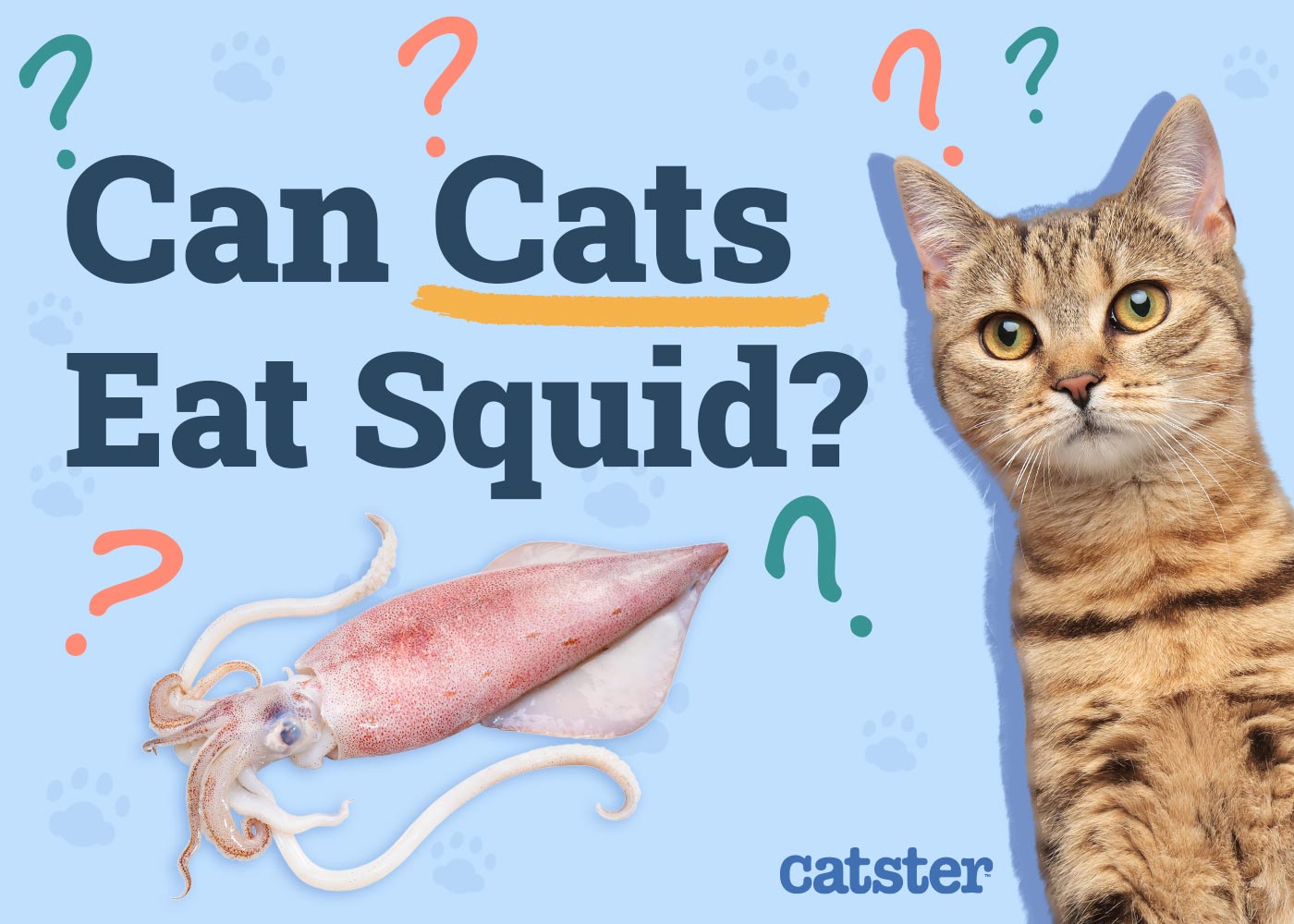
- Squid
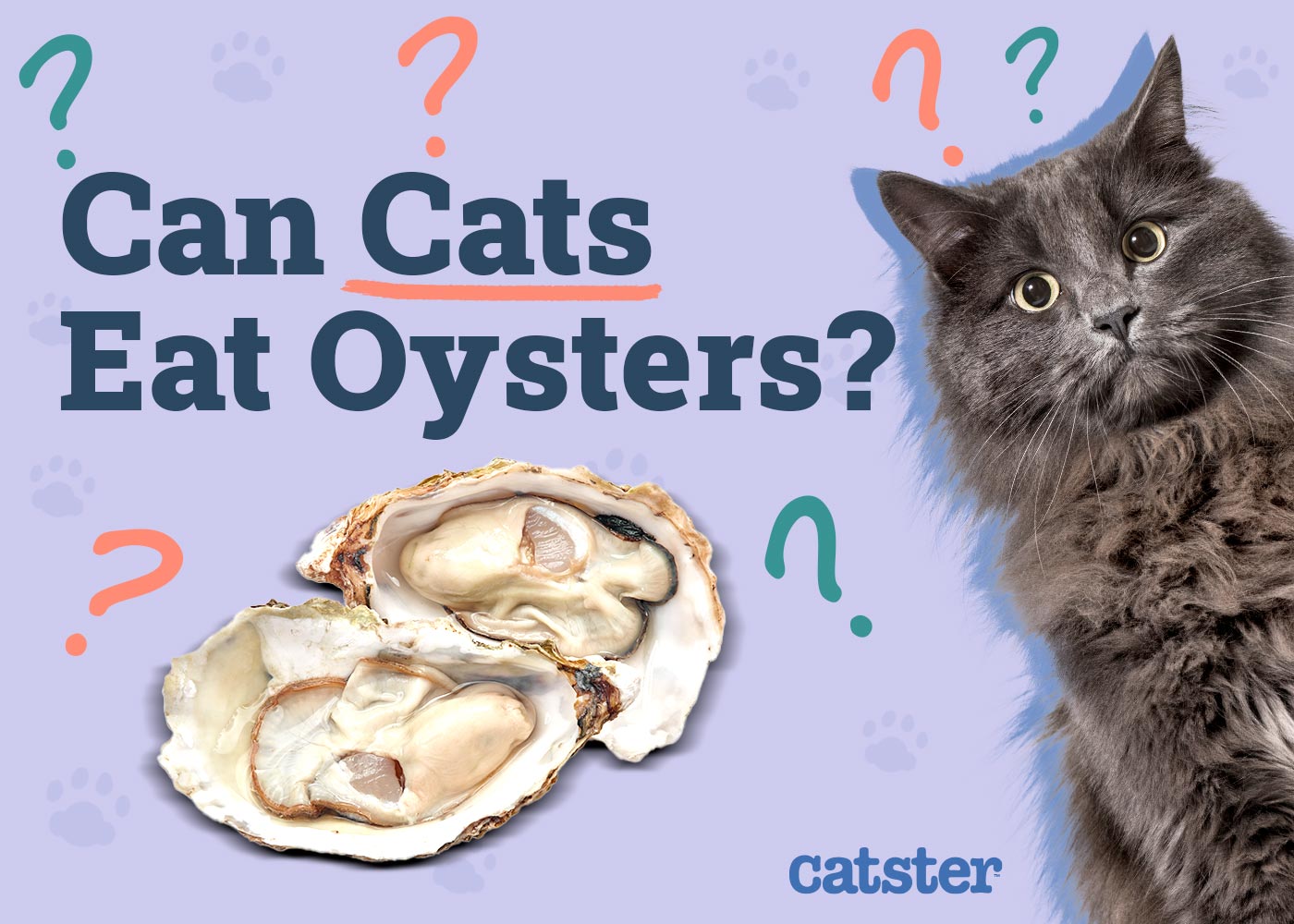
- Oysters
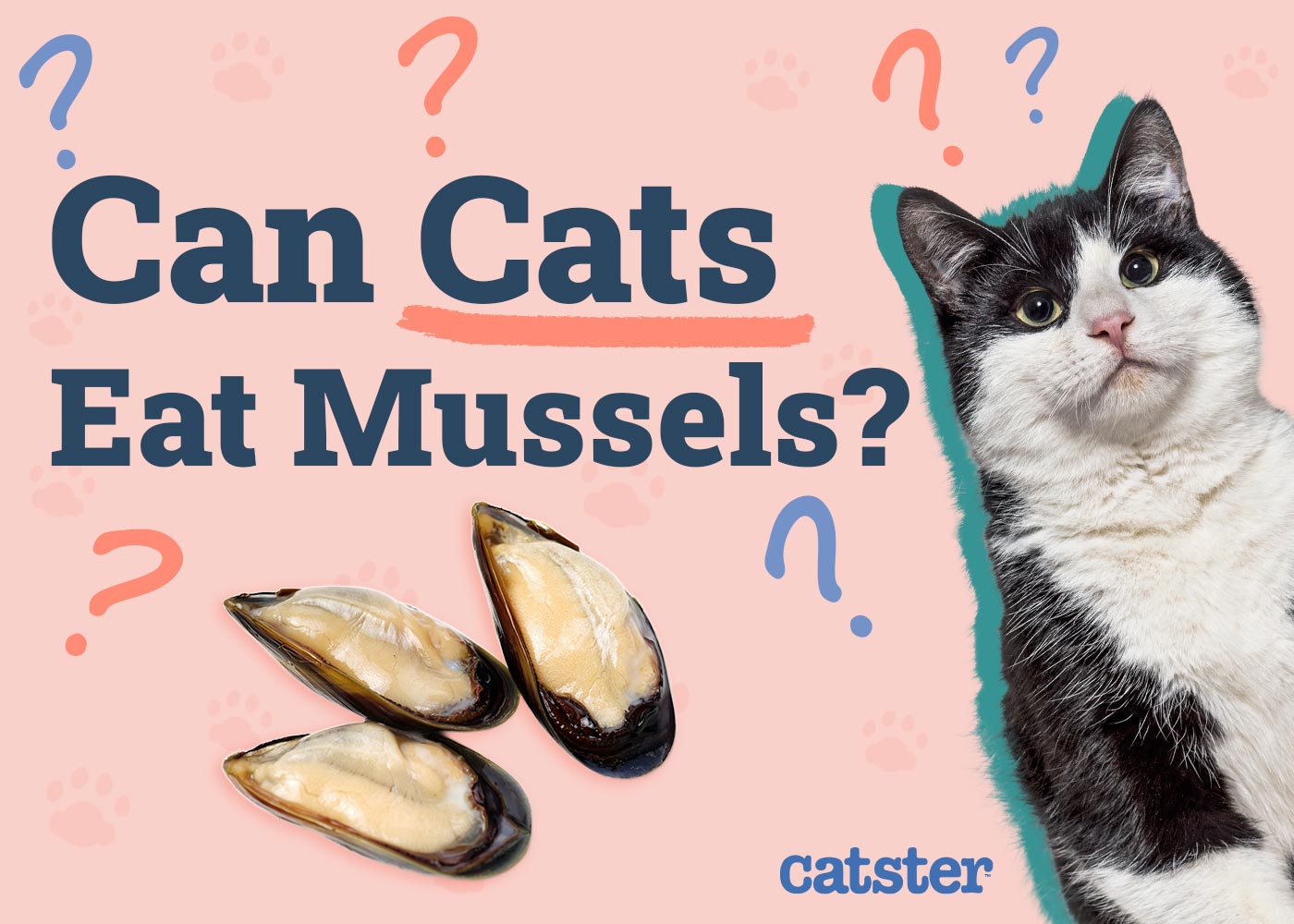
- Mussels
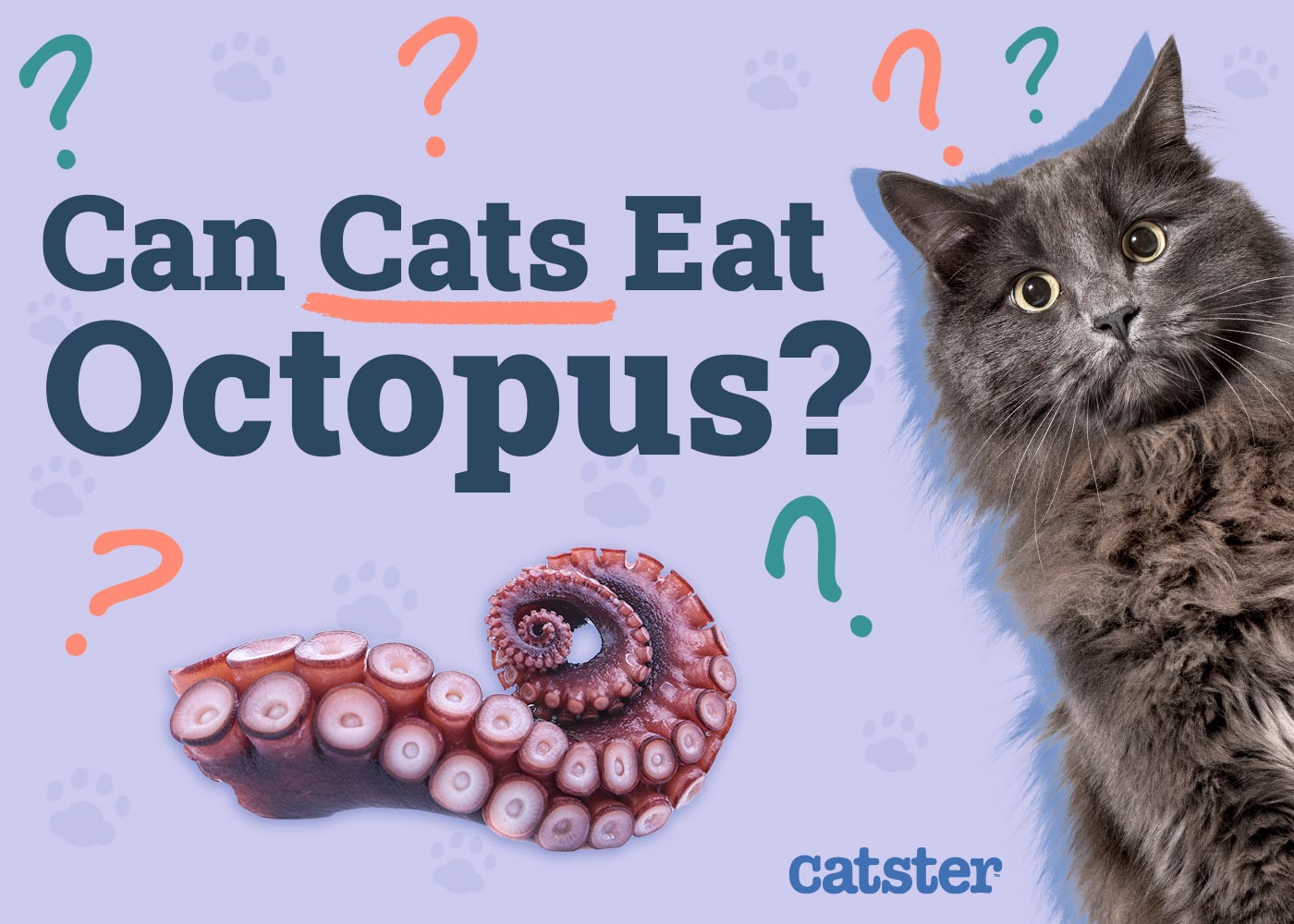
- Octopus
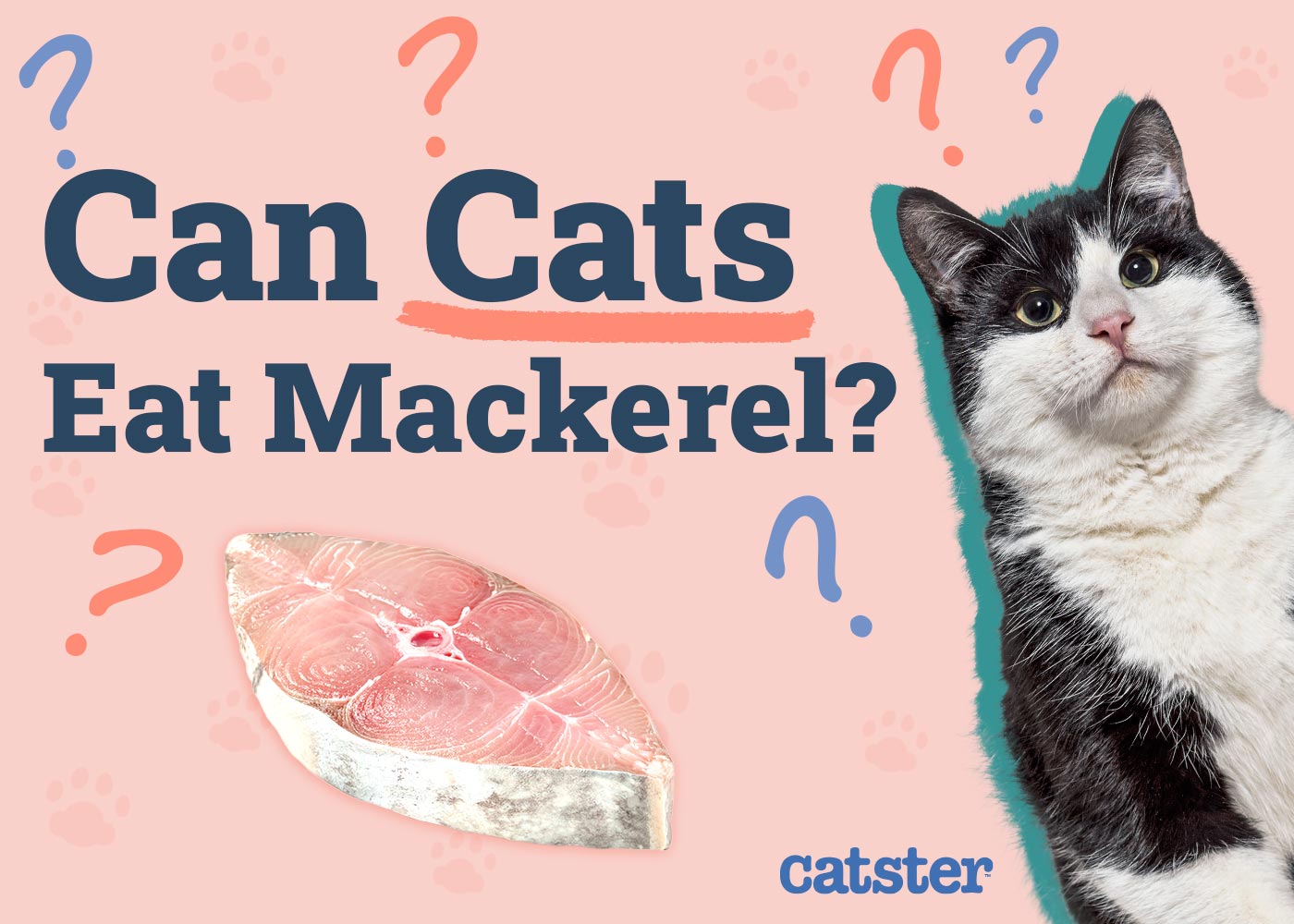
- Fish (cooked with no bones)

These seafood types give your cat some added protein, healthy fats, vitamins, and trace minerals. They should never be fed raw since your cat can become very sick.
The same concerns around heavy metals and allergies may exist for other types of seafood, so use caution when feeding the first time. Once you know your cat tolerates the seafood well, be sure to feed small portions only as an occasional treat, not a replacement for its normal diet.
Conclusion
Scallops are packed with protein and a strong seafood smell, which means your cat will probably be hunting around for a taste. Plain, fully cooked scallops are generally safe for your cat to have as an occasional—or accidental—treat, but only in moderation. Scallops and any other type of seafood should be fed carefully at first and never used as a replacement for your cat’s appropriate diet.
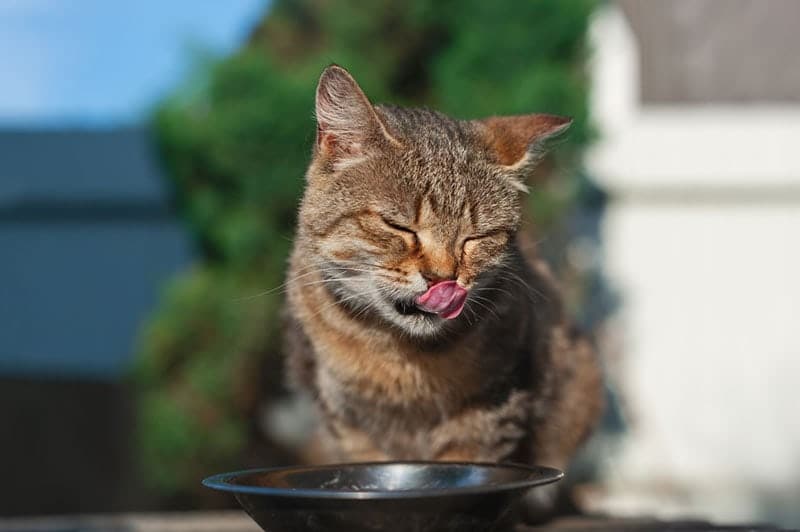
Featured Image Credit by: Piqsels

Expert cat care, straight to your inbox
Vet-reviewed advice, behavior tips, and the best of Catster. Free, and you can unsubscribe anytime.
By signing up, you agree to our Terms & Conditions and Privacy & Cookies Policy.
Christian started writing for a local newspaper as a teenager, and he's been involved in the publishing industry for most of his adult life. Combining his love of writing with a passion for animals, he is currently the Director of Editorial at Pangolia and the Editor-in-Chief at Catster.
Christian lives in the Philippines with his wife, son, and four rescue cats: Trixie, Chloe, Sparky, and Chopper.
Join the conversation
Ask a question, share your story, or send private feedback.