Can Cats Get Seasonal Depression in Winter? Vet Approved Facts & Care Tips


In this article
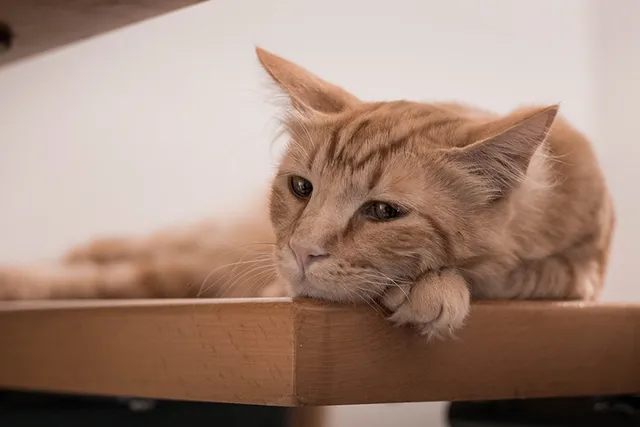
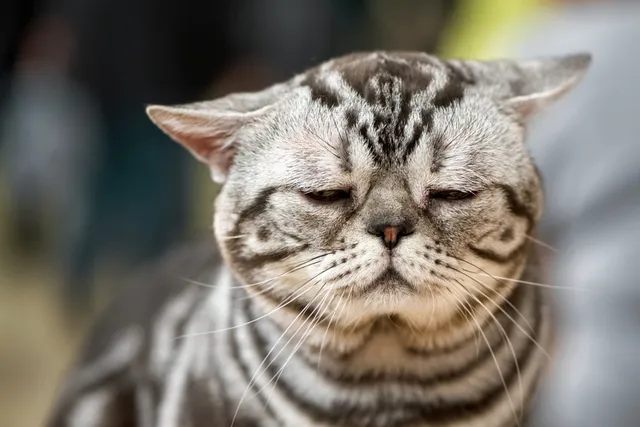
You're not alone if you feel a little down during the winter months. Seasonal depression impacts many people, but can our cats also suffer from this condition? While we don’t know for sure whether cats get true seasonal depression, they can exhibit behavior and mood changes during the winter.
In this article, we’ll discuss how your cat’s behavior could be altered during the winter and ways you can help, including sun lamps for cats. We’ll also discuss some other causes of depression in cats that you should be aware of.

What Is Seasonal Depression?
Seasonal depression, or seasonal affective disorder, is a type of depression that occurs mainly during the fall and winter months. In humans, it is believed that the decreased daylight during the season triggers chemical changes in the brain.
Specifically, lower serotonin and higher melatonin levels can lead to feelings of depression and sadness.

Cats and Seasonal Depression
While cats and humans have similar brain anatomy, researchers don’t know for sure that seasonal changes impact the feline mind the same way it does humans. That’s why we can’t say with certainty that cats truly suffer from seasonal depression.
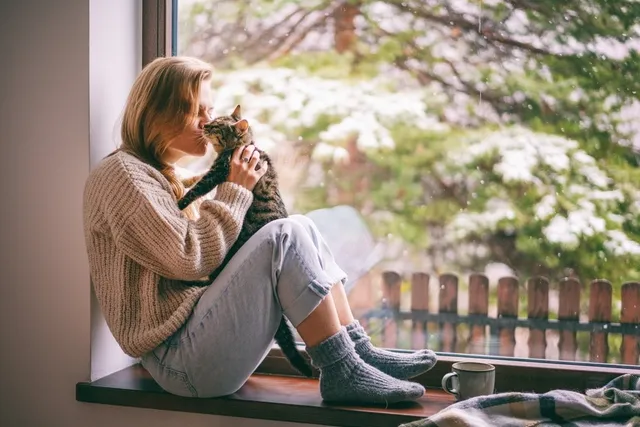
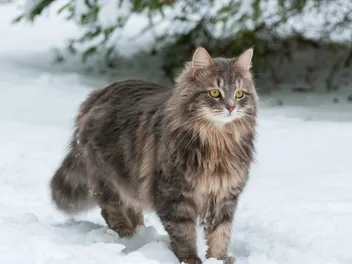
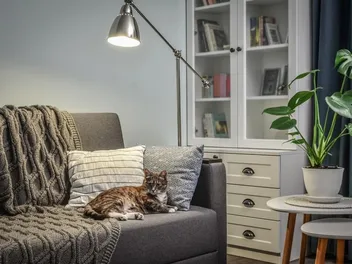
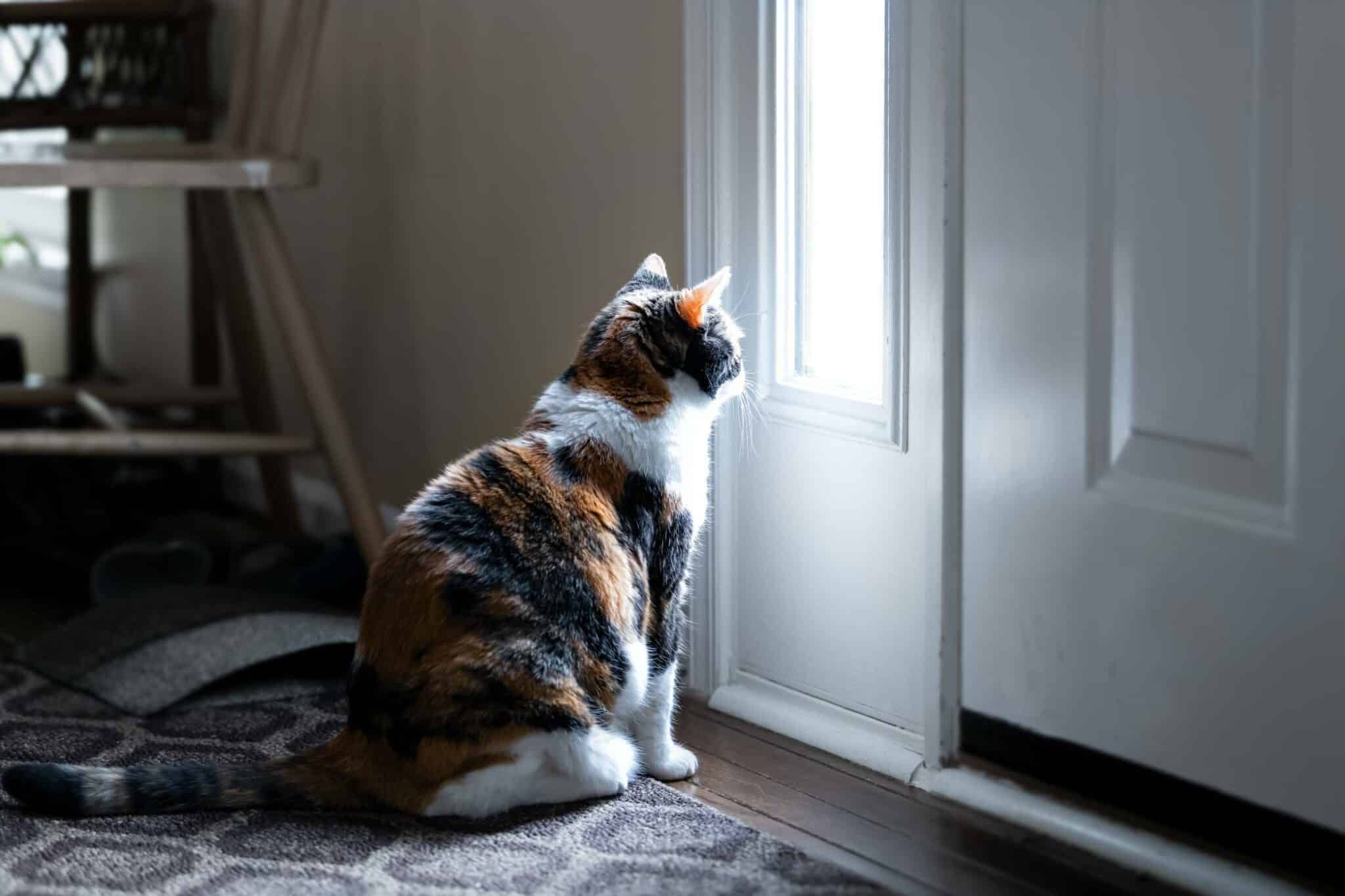
However, that doesn’t mean you won’t notice changes in your cat’s mood and behavior in the winter. For example, cats who usually spend time outside might seem depressed in the winter because the weather keeps them inside more often.
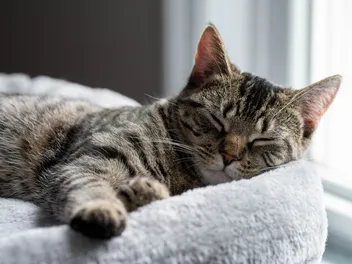
Your cat may also sleep and eat more during the winter. These behavior changes are most likely instinctive. In the wild, cold weather triggers animals to conserve their energy for warmth and eat more to help stay warm.
How to Help Your Cat Beat the Winter Blues
If your kitty seems less active or depressed in the winter, here are some tips that can help.
- First, try to get your cat as much sunlight as possible. As we mentioned earlier, the shorter winter days are responsible for seasonal depression in humans and may impact cats as well.
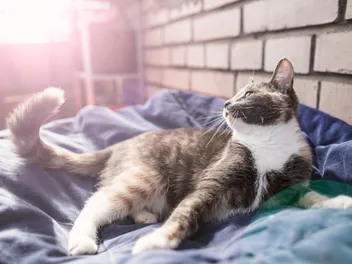
- Keep the blinds and curtains open during the day, or consider getting a sun lamp (SAD lamp) for light therapy. These lamps are specially designed to mimic sunlight.
- If the weather allows, let your cat spend time outside on a leash or in a “catio.” Make sure your cat has warm places to snuggle up inside, too.
- Monitor your cat’s food intake to ensure they don’t overeat and gain weight during the winter.
- Keep your cat active by increasing their daily playtime or adding new toys and enrichment to their daily routine.
Looking for toys that will cater to the many needs of your cat? The Hepper Hi-lo Cat Scratcher is one of our favorite cat products, and it will encourage your cat to get active. Its clever three-angle design offers multiple ways for your cat to climb, stretch, and exercise. Made of a sturdy plywood base and a replacement cardboard insert, this scratcher is an option that cats can enjoy for years to come. If your cat requires a little encouragement for self-play, the Hepper Catnip Mice Toy Set is a fantastic choice for their instinctual needs. Made with natural, bite-resistant hessian fabric and filled with organic catnip. Cats can satisfy their natural prey instincts while getting the physical activity they need to thrive.
| Image | Product | Details | |
|---|---|---|---|

|
Hepper Hi-Lo Cat Scratcher |
|
Check Price |

|
Hepper Catnip Mice Toy Set |
|
Check Price |
At Catster, we've admired Hepper for many years, and decided to take a controlling ownership interest so that we could benefit from the outstanding designs of this cool cat company!
Other Causes of Depression in Cats
Cats can become depressed for other reasons than simply the change in seasons. Illness, injury, disruptions in routine, or the loss of a furry friend can all alter your cat’s mood and behavior.
Signs of depression in cats can include the following:
These signs can also indicate that your cat has a medical problem. To be safe, you should make an appointment with a vet to rule out medical causes for these behavior changes first. Older cats can suffer from arthritis that is aggravated by cold weather, for example, which could cause your cat to act depressed in the winter.
Once the vet determines your cat’s physical health is fine, they can help you deal with the behavioral issues. A depressed cat may need medication, increased attention and enrichment, and other lifestyle changes to treat their condition.
Conclusion
While we don’t know for sure that cats get seasonal depression in winter, they can display behavioral changes during this time of year. Some of the changes could be related to the cold weather and shorter days or possibly signs of a medical condition. Your cat’s behavior may also change in the winter because yours does.
When human routines change, it affects our pets as well. If you’re concerned by your cat’s behavior, talk to your vet to rule out medical issues and follow our tips to boost your kitty’s mood during the long, cold winter months.
Sources
Featured Image Credit: Andriy Blokhin, Shutterstock
Expert cat care, straight to your inbox
News, insights, and useful advice, delivered to you.

No spam — unsubscribe anytime.
By signing up, you agree to our Terms & Conditions and Privacy & Cookies Policy.
How useful was this post?
Click a star to rate. You can leave written feedback afterwards. (We read all feedback.)
Elizabeth Gray is a lifelong lover of all creatures great and small. She got her first cat at 5 years old and at 14, she started working for her local veterinarian. Elizabeth spent more than 20 years working as a veterinary nurse before stepping away to become a stay-at-home mom to her daughter. Now, she is excited to share her hard-earned knowledge (literally--she has scars) with our readers. Elizabeth lives in Iowa with her family, including her two fur kids, Linnard, a husky mix and Algernon, the worldʻs most patient cat. When not writing, she enjoys reading, watching all sports, and spending time outdoors with her family.