8 Health Benefits of Coconut Oil for Cats: Vet Approved Guide & Tips


In this article
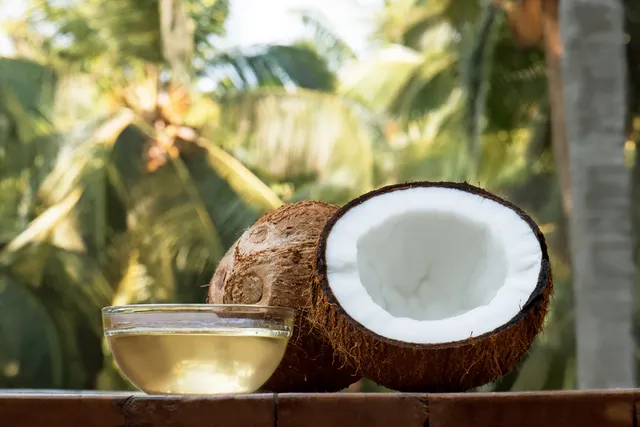
Coconut oil is a versatile and natural product that has gained popularity in recent years. It is derived from the meat of mature coconuts and is known for its numerous health benefits for humans. But did you know that coconut oil can also be beneficial for your feline friends? This article will delve into the nutritional contents of coconut oil and explore 8 health benefits it can offer to cats.

Nutritional Content of Coconut Oil
Coconut oil is primarily composed of fats, with over 90% of its fatty acid content being saturated fats. It is particularly rich in medium-chain triglycerides (MCTs), which are easily digestible and provide a quick source of energy. The most common triglyceride in coconut oil is lauric acid, a long-chain fatty acid that has antimicrobial properties and supports immune function.
Disclaimer: Note that coconut oil for cats is not a be-all, end-all solution for any problems your cat may be experiencing, nor should it be given to or used on your cat every day. Before introducing coconut oil into your cat's diet or applying it topically, consult a veterinarian for advice and personalized recommendations. Also, according to experts, most studies on coconut oil benefits are not the ones commercially available.
The 8 Potential Health Benefits of Coconut Oil for Cats
1. Skin Health
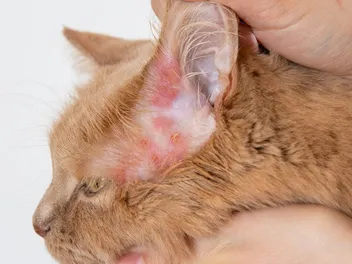
Coconut oil's moisturizing properties can help alleviate dry and flaky skin in cats, providing relief and promoting healthier skin. Applying coconut oil to minor skin irritations can also soothe inflammation and discomfort, helping your cat feel more comfortable.
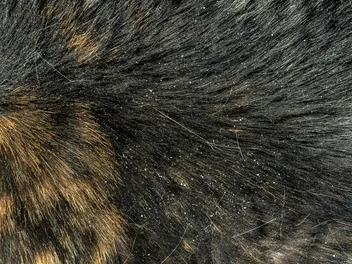
Coconut oil has antifungal properties that can help prevent and treat fungal skin infections, such as ringworm, in cats. Regular use of coconut oil can even help dandruff by moisturizing the skin and promoting a healthy balance of oils on your cat's skin. Finally, coconut oil creates a protective barrier on the skin, which can help shield your cat's skin from environmental irritants and allergens.

2. Coat Shine and Softness
Adding coconut oil to your cat's diet or applying it directly to their fur can help improve coat texture, making it softer and more manageable. The fatty acids in coconut oil can help enhance coat shine, giving your cat's fur a healthy, glossy appearance.
Coconut oil can help reduce shedding by nourishing hair follicles and strengthening individual hairs, leading to less breakage and shedding. The lubricating effect of coconut oil can help prevent matting and tangles, making grooming sessions easier and more enjoyable for both you and your cat. Coconut oil's protective properties can also help shield your cat's fur from environmental damage, such as UV rays and pollution.
3. Allergy Relief
Coconut oil's anti-inflammatory properties can help alleviate inflammation caused by allergies, reducing itching and discomfort. Applying coconut oil to itchy areas can provide relief for your cat and help prevent excessive scratching that can lead to skin damage. The lauric acid in coconut oil also supports immune function, which may help reduce your cat's sensitivity to allergens.

4. Wound Healing
Coconut oil's antimicrobial properties can help prevent infection in minor cuts and scrapes, promoting faster healing. The anti-inflammatory properties of coconut oil can help reduce swelling and discomfort associated with wounds, making your cat more comfortable during the healing process.
Coconut oil can support tissue repair and regeneration, helping your cat's wounds heal more quickly and effectively. Applying coconut oil to wounds can help keep them moist, preventing scabs from becoming too dry and promoting healing. Coconut oil's soothing properties may also provide mild pain relief for your cat when applied to wounds.
5. Digestive Health
When ingested, coconut oil might improve nutrient absorption in your cat's digestive system, ensuring they receive the full benefits of their diet. Coconut oil's antimicrobial properties can help maintain a healthy balance of gut bacteria, supporting overall digestive health. Additionally, it can help alleviate constipation in cats by lubricating the digestive tract and promoting regular bowel movements.
Basically, regular use of coconut oil in your cat’s diet can support overall digestive function, helping your cat maintain a healthy gastrointestinal system.

6. Hairball Prevention
When ingested, coconut oil might help lubricate the digestive tract, allowing ingested fur to pass through more easily and reducing the formation of hairballs. By being used externally and improving coat texture and reducing shedding, coconut oil can indirectly help prevent hairballs by encouraging healthier grooming habits.
A healthy digestive system is better equipped to handle ingested fur, making coconut oil's digestive health benefits an essential component of hairball prevention. Using coconut oil as a natural remedy for hairball prevention offers a safe and effective alternative to commercial hairball control products. Coconut oil can be easily incorporated into your cat's diet or grooming routine, making it a simple addition to your hairball prevention strategy.
7. Immune System Support
The lauric acid in coconut oil has antimicrobial properties that can help protect your cat from bacterial, viral, and fungal infections. Coconut oil's anti-inflammatory properties can support your cat's immune system by reducing inflammation and promoting overall health.
The nutrients in coconut oil can help strengthen your cat's immune system, making them more resistant to infections and diseases. A healthy immune system is essential for maintaining your cat's overall health, and coconut oil's immune-supporting properties make it a valuable addition to their diet. Coconut oil offers a natural alternative to synthetic immune-boosting supplements, providing immune support without the risk of side effects.

8. Cognitive Function
The MCTs in coconut oil provide an easily accessible energy source for the brain, which may help support cognitive function in aging cats. Coconut oil's antioxidant properties can help protect brain cells from damage and promote overall brain health.
Regular use of coconut oil may help slow down cognitive decline in older cats, improving their quality of life and mental function. The nutrients in coconut oil can support memory and learning processes in cats, helping them maintain their cognitive abilities.
Potential Risks of Coconut Oil
As previously mentioned, coconut oil is very high in fat. This means that it should not be given to your cat regularly, because it will increase the amount of fat in your cat’s diet. This can be dangerous for cats that are already prone to obesity or are diabetic, as well as negatively affect cats with pancreatic issues. Never give coconut oil to your cat orally without consulting with your vet first.
Conclusion
So, there you have it! The power of coconut oil is not just for humans; our feline companions can also reap the benefits of this tropical treasure. From promoting a healthy coat and skin to supporting cognitive function, coconut oil truly is a cat's best friend. Why not give it a try and watch your kitty bask in the glow of good health? Just remember to consult your veterinarian before introducing any new supplement to your cat's diet. Happy pampering and may your cat's life be filled with purr-fectly radiant health!
Sources
Featured Image Credit: Thasneem, Shutterstock
Expert cat care, straight to your inbox
News, insights, and useful advice, delivered to you.

No spam — unsubscribe anytime.
By signing up, you agree to our Terms & Conditions and Privacy & Cookies Policy.
How useful was this post?
Click a star to rate. You can leave written feedback afterwards. (We read all feedback.)
Lindsey and her husband enjoy traveling the US with their kids and photographing wildlife. Her passion is to educate others on the importance of proper animal care, with an emphasis on reptiles and exotics since their care requirements can be much more complex. She is also a huge advocate for bully breeds. She feels most at home in the forest either on horseback or in hiking boots.