Norwegian Forest Cat Health Problems: 3 Vet-Reviewed Issues

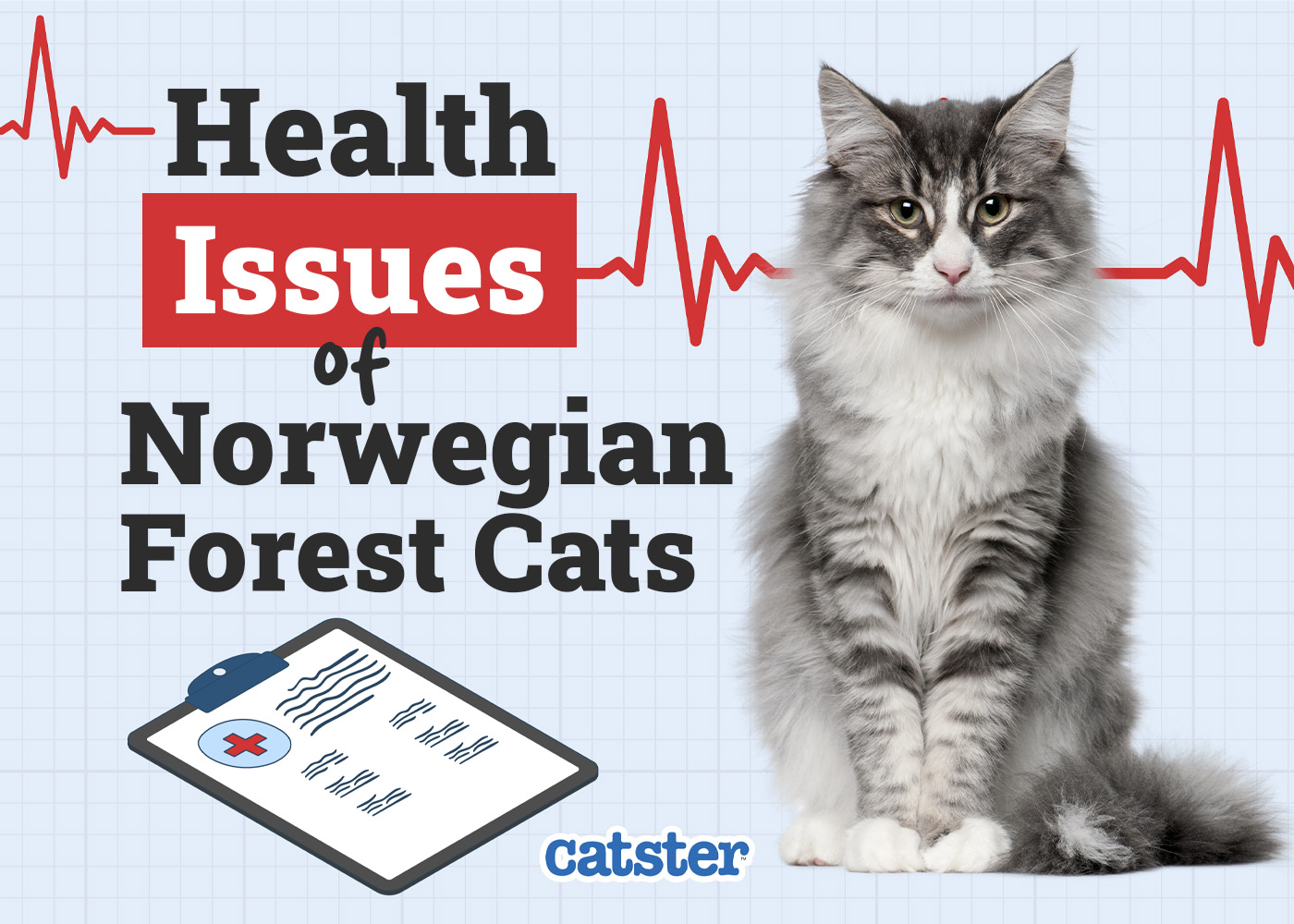
Norwegian Forest Cats are generally pretty healthy. However, just like any purebred animal, they are prone to some health problems. Many of these are hereditary, which means that cats will inherit them from their parents. However, inherited diseases are not always very straightforward, so many can stay hidden for generations before they pop up.
Generally, your best bet for purchasing a healthy cat is to be cautious about who you purchase from. Genetic testing before breeding can prevent many health issues, so be sure to ask potential breeders what they test for in their breeding cats. Ask for records of testing and results, if possible.
Still, even with the best possible health testing, some genetic problems can occur. We do not have genetic tests for everything, which can make preventing certain diseases challenging.
Below, you’ll find some of the most common problems these cats face.

The 3 Common Norwegian Forest Cat Health Problems
1. Hypertrophic Cardiomyopathy

This condition occurs when the walls of the heart begin to thin. As the walls begin to thicken, the heart is unable to pump as efficiently. This can cause a range of signs and can potentially be deadly. There are several reasons this disease may occur, but genetics does seem to play a part. However, several potential genes can cause this condition, so tracking it and preventing it is a challenge.
Treatment and early diagnosis are key to controlling this health condition. While there is no cure for those affected by a genetic cause, their signs can be treated and progression can be slowed. Without treatment, heart failure typically occurs. However, for some cats, this only takes a few months, while others may survive for years.
In many cases, cats with this condition do not appear to be considerably ill. Usually, cats are very good at hiding their signs, so it is not always apparent that they are sick until they are really sick. Often, the illness is not noticed until they show signs of congestive heart failure, which usually includes rapid breathing and lethargy. However, even these can vary and come in and out of existence.
Usually, medication is used to manage this condition. Oral medications are used when the cat is stable, but injections may be necessary if the cat is currently in crisis. Injections will typically be used at first, as cats usually do not show signs until the condition is serious. After that, oral medications are used to prevent signs as much as possible.
Sadly, there is no way to prevent this condition. Instead, it can only be managed after it occurs.
2. Hip Dysplasia

Many Norwegian Forest Cats are also affected by hip dysplasia, which can directly affect their ability to get around. Compared to dogs, this condition is rare in cats. However, it does occur and seems to happen more often in larger cats and certain breeds, including the Norwegian Forest Cat.
This condition involves the hip joint not forming correctly. Usually, this is a genetic condition, though environmental factors can also affect it. It seems that some cats are simply more likely to end up with this condition than others, though that doesn’t necessarily mean that they absolutely will. At the same time, some cats with no genetic predisposition end up with this condition because of an injury or malnutrition.
For one reason or another, the ball and socket of the joint do not fit together correctly. This malalignment causes them to rub against each other, causing pain and damage. Arthritis typically occurs at a very young age.
While this condition does occur from a young age, signs may not be apparent for years. It takes some time for damage to build up and begin causing the cat problems. Usually, difficulty walking, pain, and avoidance of activity are the first clinical signs. Lameness is possible, but there are typically other signs before this point.
There is unfortunately no cure for this condition. Surgical options may be necessary for very advanced stages of the condition. However, it can often be managed with anti-inflammatory medications, supplements, and lifestyle changes. Obesity can cause worsening signs, for instance, so an affected cat may need to lose a few pounds.
3. Glycogen Storage Disease Type IV

This condition only affects Norwegian Forest Cats and is typically deadly. It is completely genetic and there is no cure for it. Cats carrying two genes will absolutely be affected by this condition, while carriers won’t be affected but can pass it onto their kittens.
Usually, affected kittens die soon after birth. This condition causes them to be unable to produce energy, so their cells starve. It causes progressive organ failure but is not always identified as the cause. There are many reasons that a kitten may die shortly after birth, so it is possible for this disease to go unnoticed unless genetic testing is performed.
Some kittens may appear “normal” until they reach about 5 months of age. At this point, they develop a fever and muscle tremors. Generally, they lose control of their muscles and then die a short time later.
There is no cure for this condition. Affected cats do not live for more than a few months if they survive past birth (which is rare).
Luckily, testing is available. By testing parent cats before breeding them, breeders can ensure that the trait is not passed onto offspring. Breeders must avoid breeding two carriers together, as this will lead to about 25% of the litter exhibiting this condition.
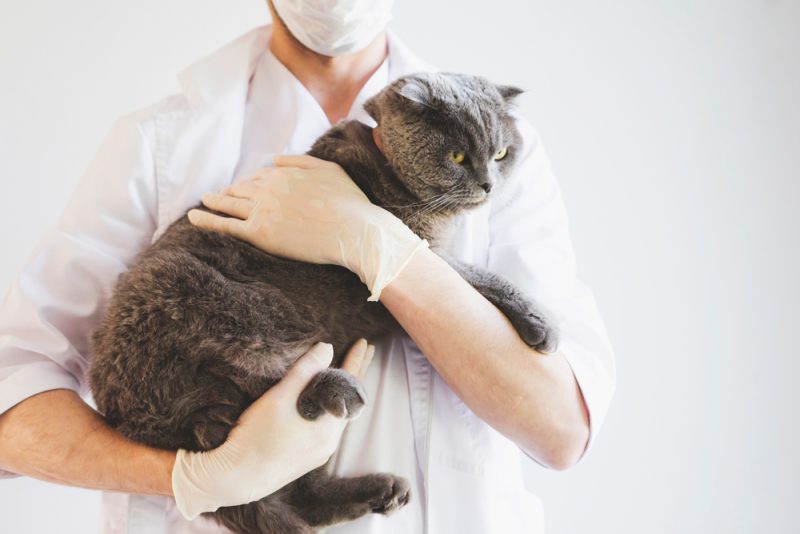
If you spot any sign of illness in your cat, or you are simply concerned for their well-being, the easiest thing you can do is consulting a vet.
Conclusion
Norwegian Forest Cats are pretty healthy, but they are prone to a few different conditions. Luckily, proper genetic testing can ensure that some of these conditions are not passed on at all. Others are difficult to test for and track, but careful breeding can still go a long way to preventing them.
For instance, while there is no genetic testing for hip dysplasia, getting a cat’s hips x-rayed before breeding can ensure that their hips are healthy. Tracking health through family lines is also vital, as it can show what cats are likely prone to genetic conditions.
Therefore, choosing a cat from a qualified breeder is vital. None of these genetic conditions have cures. Therefore, prevention is everything.
Featured Image Credit: Elisa Putti, Shutterstock

Expert cat care, straight to your inbox
Vet-reviewed advice, behavior tips, and the best of Catster. Free, and you can unsubscribe anytime.
By signing up, you agree to our Terms & Conditions and Privacy & Cookies Policy.
Kristin is passionate about helping pet parents create a fulfilling life with their pets by informing them on the latest scientific research and helping them choose the best products for their pets. She currently resides in Tennessee with four dogs, three cats, two fish, and a lizard, though she has dreams of owning chickens one-day!
Join the conversation
Ask a question, share your story, or send private feedback.