My Cat Is Eating Slower Than Usual, What's Wrong? Vet Verified


In this article
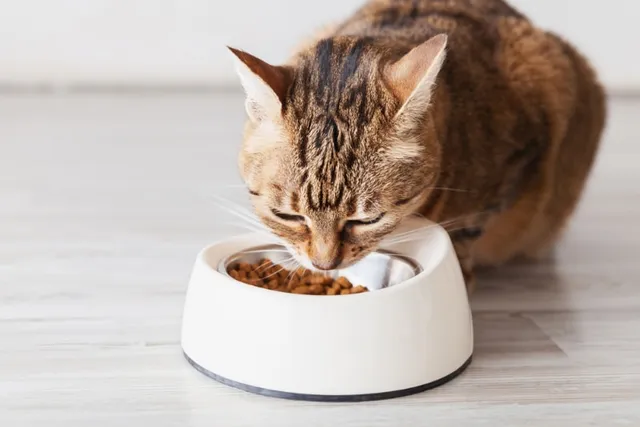
You can learn a lot about your kitty by observing what, when, and how much they eat. Changes in their eating habits are also indicators that something might not be right with your cat, even if they're still active and seemingly healthy. Cats try their best not to show illness or injury so as not to look vulnerable, which makes picking up on problems difficult.
Your cat could be eating slower than usual because of pain, anxiety, a change of food, or systematic issues. It's important to get your cat to the vet to get checked over, especially if they also have a drop in appetite and other unusual symptoms. Let's take a look at some of the common reasons why your cat could be eating slower than usual.

The 8 Reasons Cats Eat Slower Than Usual:
1. Dental Issues
Unfortunately, dental disease is common in felines and is often one of three types: gingivitis, periodontitis, or tooth resorption. All of these diseases are painful and can cause your cat to be reluctant to eat or to eat very slowly due to the discomfort it causes. As the disease progresses, your cat may stop eating completely.
It's important to take your cat to the vet for regular teeth cleanings to prevent these diseases, as gingivitis is the result of a buildup of plaque. If a cat's teeth aren't cleaned often, damage can occur to the teeth and gums, causing inflammation, redness, and even bleeding. A cat with gingivitis may develop bad breath and drool. Periodontitis is the progression of gingivitis, is more serious, and can cause tooth loss.
2. Injury

Watch to see if your cat is also having trouble drinking from their water bowl that is on the ground. If they do, they could have neck or back pain. Look for other signs of pain, such as ongoing meowing, urinating outside of their litterbox, poor grooming, and complaining when being picked up or cuddled. To determine how bad the injury is and what caused it, you'll need to take your cat to the vet.
3. Hot Weather
If your cat is eating slower than usual, it could be because it's a hot day, and the weather is making them less interested in their food. There is nothing to worry about if this is the case, as humans often eat less on a hot summer's day, too. The good news is that this behavior should resolve itself soon.
If you want to ensure your cat is eating enough, offer them meals early before the temperature rises and, in the evening, once it is dark and the temperature drops. The most important thing on a hot day is to ensure that your cat has access to plenty of water, as this will cool them down and keep them hydrated.
4. Nausea

There are many things that can cause nausea in cats, constipation, food allergies, eating foods they shouldn't, viral infections, worms, kidney disease, motion sickness, vertigo, and others. When a cat is nauseous, they usually won't want to eat much food and may slowly attempt a few bites. They'll also sometimes drool, gag, feel tired, and isolate themselves.
If you're unsure what is causing your cat to feel nauseous, take them to the vet, as they could be ill.
5. Change of Food
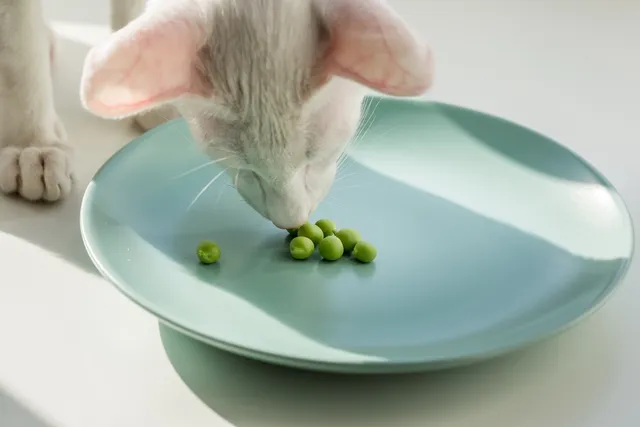
Cats don't like change, even when it comes to their food. Your cat could be picky about their new food and be eating it very slowly because they don't like it. This is often the case with cats that are showing no other signs of illness or pain. Try adding some toppers to the new food that you know your cat will enjoy.
A cat may also be eating slowly because they're not hungry and aren't particularly interested in the bowl of food in front of them. They may have filled up on the treats you've given them throughout the day, from catching and eating insects outside, or because they're getting fed somewhere else, too. Try reducing the number of treats you're giving them or keep them indoors for a day and see if they show more interest in their food.
6. Upper Respiratory Infections

Although generally not serious, cats can get upper respiratory infections that mainly affect their noses and throats. Symptoms include sneezing, congestion, and discharge from the nose and eyes. These symptoms usually last for around 10 days. Cats may also feel lethargic and have a fever. A cat with a congested nose won't be able to smell or taste their food, making it less appealing, and may cause them to eat it slowly.
7. Depression or Anxiety
Anxiety can present itself in many ways. Cats with anxiety may start to eat slower because they're struggling to swallow the food or because they have a decreased appetite. Symptoms vary in severity but may include hiding, staring, crouching, trembling, excessive licking, and aggression.
It's always a good idea to have your cat examined by a vet if they're struggling. Your cat may need to be given medication to cope with their anxiety.
Depression could also be causing changes in the way your cat eats and may be caused by the loss of a companion, a life change, illness, and pain. Look for other signs such as a loss of interest in playing and interacting with other pets and people, a change in their sleeping habits, and house soiling. Make sure to report these changes to your vet so they can help your cat best.
8. Health Problems

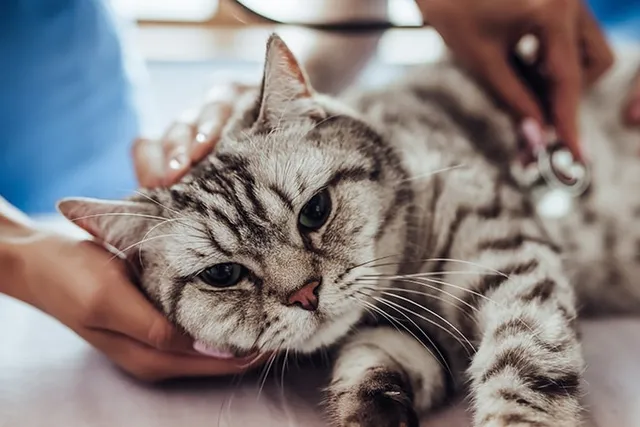
Kidney, liver, and heart disease can cause eating changes, as well as cancer. These health issues are more common in older cats but may cause your cat to eat slower because they feel nauseous or too lethargic to eat the way they did before. Unfortunately, only your vet will be able to pick up on these illnesses through blood, fecal, and urine tests.
It's important to take your cat for routine checkups, where your vet will do a full physical examination and take various tests to look for any health issues. By skipping annual checkups, certain health issues may go undiagnosed, and symptoms may only occur once the illness has progressed. Catching health problems early gives your cat a better chance at recovery and prevents complications from arising.
How Can I Get My Cat Interested in Their Food?
If your cat has started eating slower because of a lack of interest in their food, there are a few things you can do to improve their eating habits. Firstly, try switching your cat's food bowl. A new bowl is intriguing and may spark a new interest in the food inside. For an anxious cat, moving the food bowl to a quiet room that is away from the other pet's food bowls may help them eat properly because they will feel more relaxed.
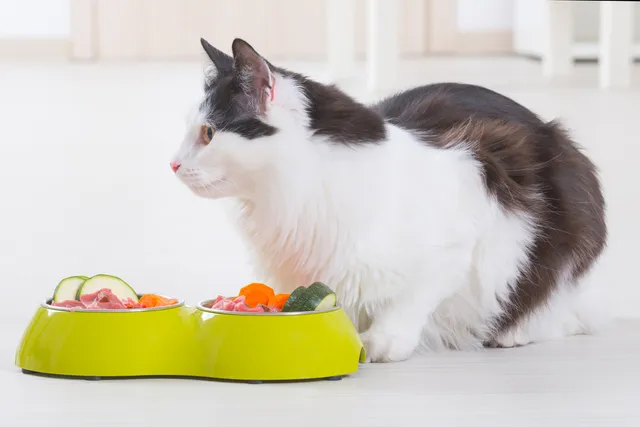
If your cat is eating slowly because they aren't a big fan of their new food, try adding toppers that you know your cat enjoys, such as chicken or eggs. Otherwise, consider changing their food back or swapping to canned food, which could be easier to eat.
Conclusion
Although it is normal for some cats to eat their food slower than others, when eating habits change, it's important to take notice. A cat that picks at their food or who gets through it very slowly may have lost interest in it for some reason or is struggling to eat it.
A few main reasons why they could be eating slower are because they're in pain, they're unwell, it's a hot day, they're anxious, or their food has changed. If they continue to struggle with their food for more than a few days, we recommend taking them to the vet for a checkup.
Sources
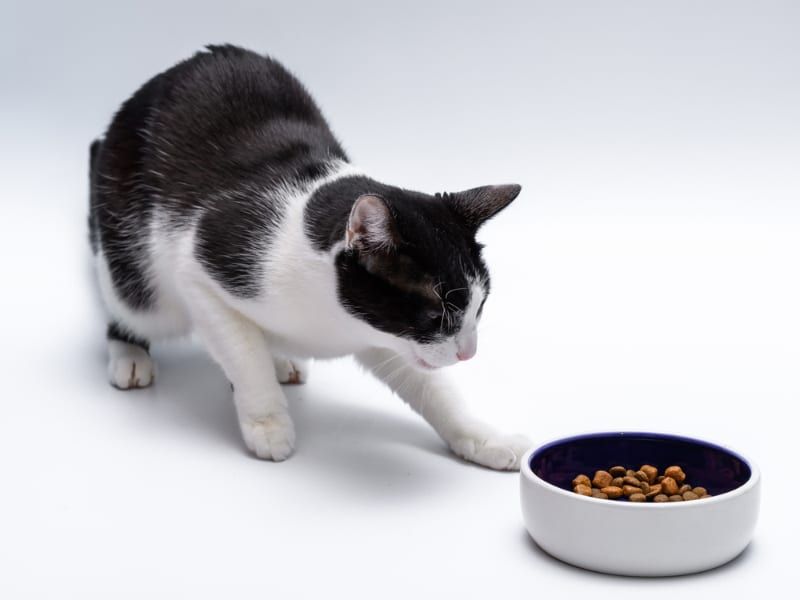
Featured Image Credit: PawelKacperek, Shutterstock
Expert cat care, straight to your inbox
News, insights, and useful advice, delivered to you.

No spam — unsubscribe anytime.
By signing up, you agree to our Terms & Conditions and Privacy & Cookies Policy.
How useful was this post?
Click a star to rate. You can leave written feedback afterwards. (We read all feedback.)
Keri-Beth is a freelance writer from South Africa who loves writing about cats. She's very passionate about pet care and has spent quite a bit of time volunteering at animal shelters. Keri-Beth currently has two dogs: Benji, the Golden Cocker Spaniel, and Gracie, the Boerboel.
Keri-Beth's favorite hobbies include photography and camping. She lives with her husband, who is a professional drummer.