Can Cats Eat Roast Beef? Vet Reviewed Benefits & Concerns
In this article
It is difficult to ignore the urge to spoil our pets. After all, we do it all the time for ourselves, so we want to give our lovely cat a tasty treat from our plate.
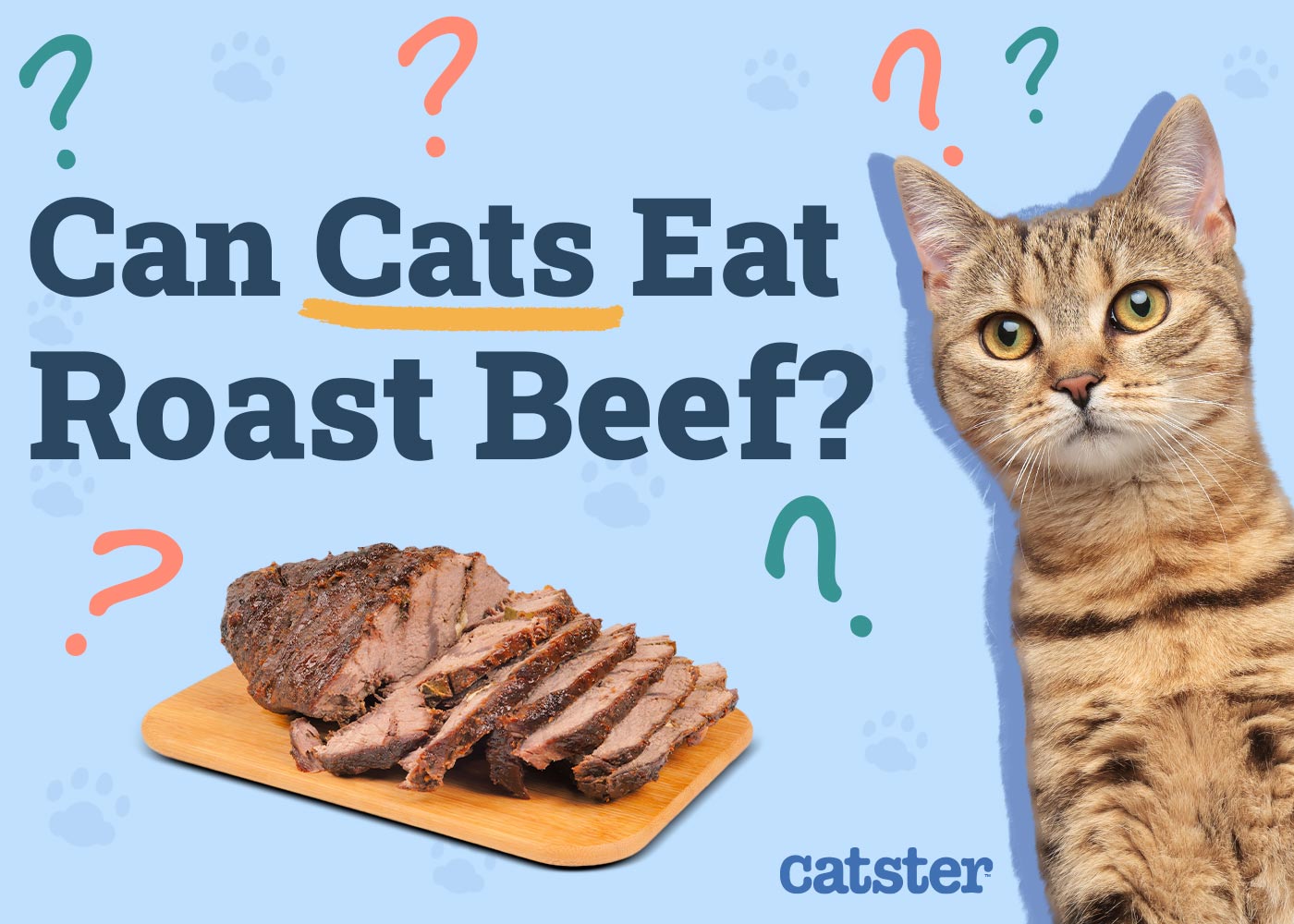
But before you give human food to your cat, it’s wise to look it up first so you know that it won’t hurt your pet. So, is roast beef safe for cats? Roast beef can be safe for your cat to eat, but it depends on how it is prepared. Any seasonings used can be toxic to cats, for example.
Here, we get into everything beef and cats, so you know how to best prepare this meat if you plan on giving any to your cat.

How Is Roast Beef Beneficial for Cats?

Cats are obligate carnivores and receive essential vitamins and minerals from animal protein to keep them healthy. Experts are clear about the importance of cats eating meat: if they don’t eat enough, there’s a risk of health problems and possibly death. This makes roast beef a healthy treat for most cats, as it is full of precisely what cats need: protein from an animal source.
Being an obligate carnivore means cats depend on getting amino acids and vitamins from meat that they don’t make on their own:
- Vitamin A: Cats need to eat meat to get vitamin A into their systems. They don’t have effective enzymes to synthesize this essential vitamin, so they receive vitamin A by ingesting meat. Cats can lose their vision without it, and vitamin A has antioxidant properties and supports healthy skin.
- Taurine: The only way that cats receive taurine is through animal protein. It is vital for heart and vision health.
- Arginine: Like taurine, cats can’t produce the amino acid arginine. Without arginine, ammonia can build up, which will lead to lethargy, drooling, vomiting, and convulsions.
That said, while beef has its benefits for cats, there is a right way and a wrong way to serve it.
What Are the Issues With Giving Roast Beef to Cats? 3 Main Concerns
1. Food Allergies
Some cats might have difficulty eating roast beef, particularly if they suffer from food sensitivities. Some cats might have a beef allergy, so check with a vet before introducing your cat to any new food.
2. Seasonings
Any roast beef that you give your cat probably can’t be straight from your plate due to the possible seasonings that it’s been cooked with. Many recipes for roast beef call for onions and garlic, which are highly toxic to cats.
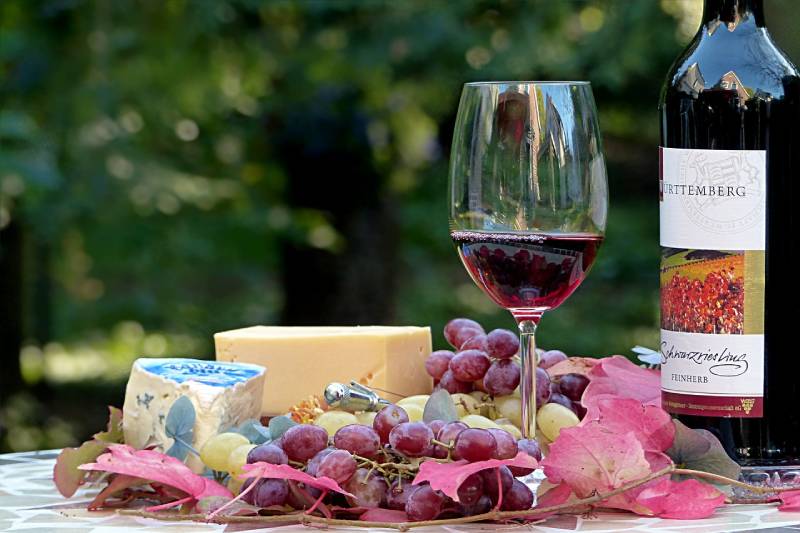
The same goes for salt and alcohol, as many recipes call for red wine. There likely isn’t enough alcohol or salt in one piece of roast beef to seriously harm your cat, but it isn’t worth the risk.
3. Trimming
Before giving your cat any roast beef, it should have no seasonings whatsoever. It should be trimmed of any visible fat, and there shouldn’t be any bones or bone fragments in the meat.
The fat can lead to obesity and irritate the gastrointestinal tract and, potentially, the pancreas. This can also possibly cause pancreatitis.
Any bones left in the meat might get caught in the cat’s gut, leading to a blockage that could require immediate surgery. Additionally, sharp pieces of bone can puncture the mouth and GI tract.
What About Raw Beef?
Raw beef has the risk of food-borne illnesses. The American Veterinary Medical Association discourages feeding your pets any food that hasn’t been cooked enough to eliminate harmful pathogens.
Raw meat can potentially give your cat Salmonella, E. coli, Campylobacter, and Listeria, as well as parasites like Toxoplasma gondii.
Feeding raw beef or any meat to your cat isn’t a good idea. You will also be subjected to the same illnesses by handling raw meat. If you still want to try giving your pets raw meat, follow USFD’s guidelines for handling raw food.

What Should I Do if My Cat Eats My Roast Beef?
If your cat snatched roast beef from your plate or kitchen counter, particularly if it had seasonings or was raw, observe your cat carefully for the following signs:
- Pale gums
- Lethargy
- Increased respiratory rate
- Rapid heart rate
- Weakness
- Stomach upset (stomach pain, drooling, vomiting, diarrhea, etc.)
- Collapse
- Low body temperature
- Tremors
- Excessive thirst and urination
If your cat starts exhibiting any of these signs after eating roast beef, take them immediately to the vet or closest emergency clinic.
Giving Beef to Your Cat
The best way to give beef to your cat is via cat food. Beef cat food manufacturers add the right number of vitamins, minerals, and nutrients to give your cat a balanced diet. Both dry and wet cat foods can have beef flavors that your cat will love.
Your cat can’t eat roast beef as a part of their main diet because it doesn’t contain all the right nutrients for your cat to thrive. If you would like to give roast beef to your cat as an occasional treat, that should be fine, as long as you prepare it properly.
Try browning ground beef and adding it as a topper to your cat’s regular food on occasion. Just remember to cook it thoroughly and not add any other ingredients. If you want to give your cat a few pieces of roast beef, cut a few small pieces off the main beef and place them in your cat’s bowl.

- NO MESS - The 360° tray on this cat food and water bowl set has a raised design to catch and contain stray crumbs and drips. Protect your indoors and floors from wet and messy meals!
- WHISKER FRIENDLY - Shallow and wide metal containers with flat bottoms ensure your kitty can enjoy mealtime free from whisker fatigue!
- CHEW-SAFE MATERIALS - Kittens and cats love chewing on silicone and soft rubber - but it's a choking hazard. Our cat feeding station materials are anti-chew for a 100% safe feeding frenzy!
Learning about what your cat can and cannot eat is a crucial part of keeping them happy and healthy! Choosing a bowl to serve cat-friendly foods in is another important decision pet owners face. Satisfy the specific needs of your cat with the innovative design of the Hepper NomNom Cat Bowl. Learn why it’s our (and our cats!) favorite food and water dish here.
At Catster, we’ve admired Hepper for many years and decided to take a controlling ownership interest so that we could benefit from the outstanding designs of this cool cat company!
Conclusion
Your cat’s diet must always contain animal meat, so roast beef is technically safe for cats to eat, but it’s not recommended due to the fact that it’s typically seasoned with ingredients that can be toxic to cats. It is not, however, a fully balanced diet on its own, so 90% of what your cat eats should be complete and balanced cat food.
Be sure to remove all fat and bones and cook it thoroughly to remove harmful parasites and bacteria. It should be cooked with no seasonings whatsoever. If your cat snags a piece of seasoned roast beef, they will likely be fine, but watch them carefully over the next 24 hours.
Double-check with your vet before you decide to switch up your cat’s diet. If your cat does seem to have an adverse reaction to beef or any other food, this necessitates a visit to the vet.
Related Reads:
Sources
Featured Image Credit: Shutterbug75, Pixabay

Expert cat care, straight to your inbox
Vet-reviewed advice, behavior tips, and the best of Catster. Free, and you can unsubscribe anytime.
By signing up, you agree to our Terms & Conditions and Privacy & Cookies Policy.
Kathryn was a librarian in a previous lifetime and is currently a pet writer. When she was a child, she hoped to work in ZOOs or with wildlife in some way, thanks to her all-consuming love for animals. Sadly, she's not strong in the sciences, so she fills her days with researching and writing about all kinds of animals and spends time playing with her adorable but very naughty tabby cat, Bella. Kathryn is hoping to add to her family in the near future – maybe another cat and a dog.
Join the conversation
Ask a question, share your story, or send private feedback.