Do Antibiotics Make Cats Sleepy? Vet-Reviewed Side Effects of Antibiotics


In this article
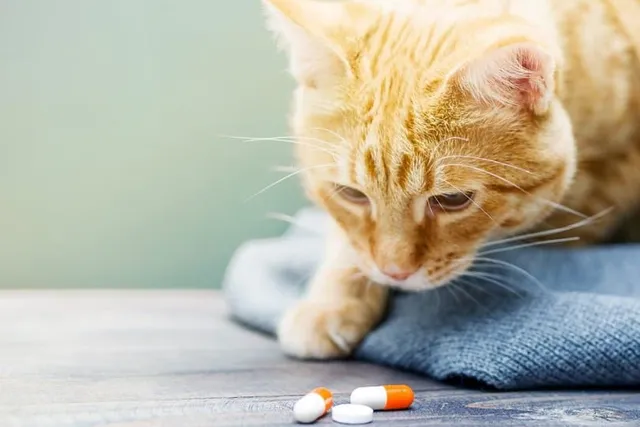
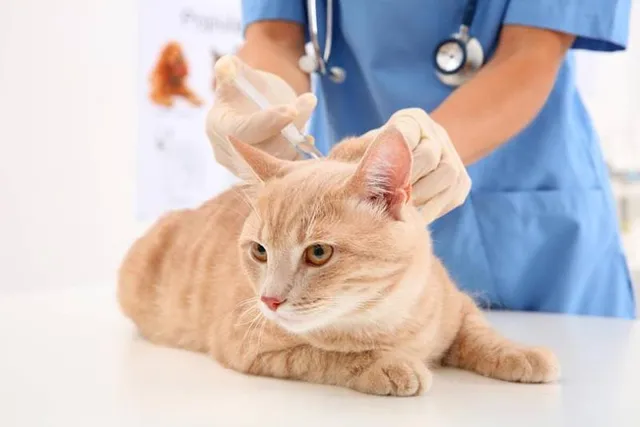
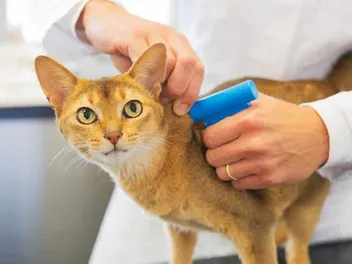
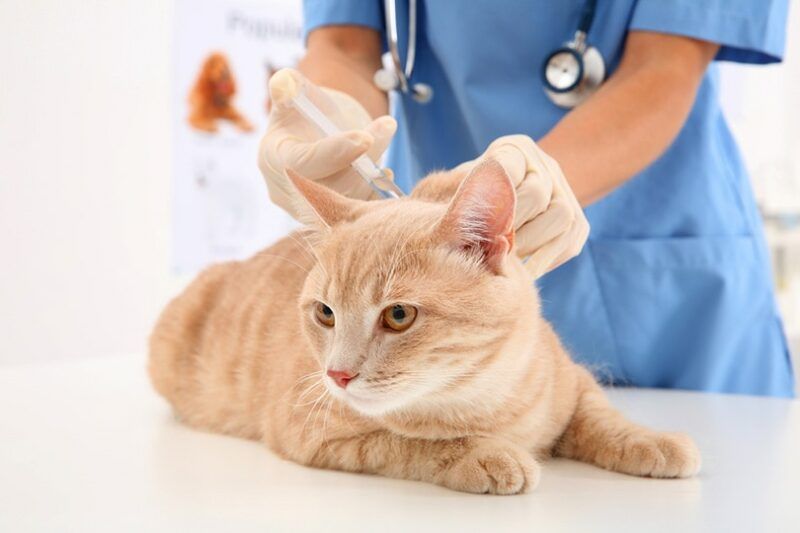
Antibiotics are one of the most effective ways to fight infections and have been used for more than 50 years by veterinarians. While they can help your cat recover from many different ailments, they’re not without their downsides including potential sleepiness.
However, if your cat is lethargic during or after the antibiotic treatment has finished, or they are not eating, get them checked by a veterinarian as there could be other causes for them feeling unwell.

What Are Antibiotics?
Understanding antibiotics' effects on the body means understanding what they do. Antibiotics are designed to stop infections caused by bacteria by killing the germs. They'll only be prescribed for infections caused by bacteria and won't affect viral or fungal infections.
They were first discovered in 1928 by a Scottish microbiologist. Sir Alexander Fleming discovered penicillin after accidentally leaving a petri dish containing Staphylococcus bacteria open.1
Feline health problems that antibiotics can be used to treat include:
One of the biggest reasons antibiotics are only prescribed for severe bacterial infections is to reduce the chances of your cat developing resistance to the medication. The more often antibiotics are used, the more the bacteria evolve to resist it. This can mean that when your cat really needs the drug, it will be far less effective.

Do Antibiotics Make Cats Sleepy?
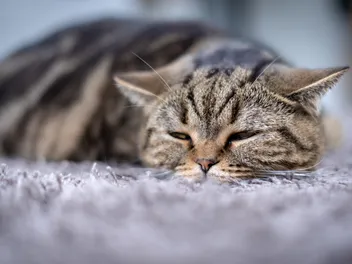
If you’ve noticed your cat sleeping more during their course of antibiotics, there are three reasons for this. Fighting infections, with or without the help of antibiotics, is tiring work. We might not be consciously aware of the fight the body is partaking in, but the signs of battle show themselves in other ways. These signs are often fever or fatigue.
Lethargy can also be caused by antibiotics. Cats, like people, have varying responses to different drugs. While antibiotics don't cause fatigue across the board, a few felines can suffer from sleepiness due to the treatment, but it's one of the rarer side effects
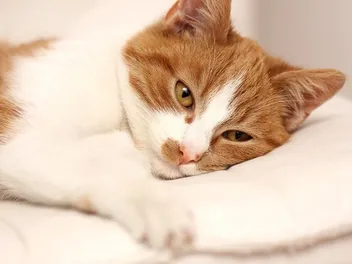
There's also the fact that cats tend to sleep more whenever they're unwell. They don't like showing weakness and will prefer to curl up somewhere out of the way to recover quietly.
What Are the Potential Side Effects of Antibiotics?
Not all cats react to antibiotics in the same way. Depending on your cat and the type of antibiotic that they’re on, the side effects could include any of the following.
Allergic Reaction
As with most things your cat comes into contact with, antibiotics can trigger allergic reactions. If you start a new course of antibiotics, watch your cat to ensure they don't react negatively to their treatment. You should inform a veterinarian if they do.
Allergic reactions to antibiotics can result in skin irritation, like rashes or hives. There is a possibility of severe allergic reactions, such as facial swelling, difficulty breathing, and incoordination.
Secondary Infections
Antibiotics kill bacteria, and while they defeat infections, good bacteria are also killed. The good bacteria keep our cats healthy. That is why it’s recommended to feed probiotic supplements to your cat during and after they’ve finished a course of antibiotics to help restore their natural bacteria.
Secondary infections, like yeast infections, can be a frequent side effect of antibiotic treatments.
Stomach Upset
The most common reaction to antibiotics is gastrointestinal issues. Diarrhea and vomiting are the most significant issues. Stomach irritation can also lead to nausea and loss of appetite, which can cause more problems if your cat refuses to eat.


Interaction of Antibiotics With Other Drugs
Before you start a course of antibiotics, it’s essential to consider any other medication your cat takes for other health conditions. A veterinarian should be aware of any possible conflicts between drugs.
If you’ve moved recently or changed your clinic, you should inform your new veterinarian of your cat’s existing medications. Amoxicillin, in particular, may interact with:
- Methotrexate
- Probenecid
- Warfarin
- Bacteriostatics2

What Are Alternatives to Antibiotics?
The recognized side effects of antibiotics have led to some cat owners seeking alternative methods of treating infections, but this may not always be possible. These methods might take a little longer to implement than simply offering your cat a pill with their dinner, but they can be helpful, especially to complement the antibiotics. In some cases they may be sufficient to treat some mild cases of superficial skin infections, however, most infections will still require a course of antibiotics. If your cat is allergic to a certain antibiotic, the vet will prescribe a different one often based on culture and susceptibility testing.
Additional treatments may include:
- Good hygiene practices
- Probiotics
- Treating the cause of secondary infections (allergies that cause skin infections, for example)
- Medicated shampoo
- Topical creams
- Antiseptic solutions

Final Thoughts
Antibiotics are often necessary to help your cat’s immune system when they’re fighting a bacterial infection, but they have their potential downsides. Some of the recognized side effects include allergic reactions, diarrhea, lack of appetite, nausea, and vomiting. While sleepiness is a side effect, most of these adverse effects are not very common and depend on how your cat reacts to the medication.
Featured Image Credit: Africa Studio, Shutterstock
Expert cat care, straight to your inbox
News, insights, and useful advice, delivered to you.

No spam — unsubscribe anytime.
By signing up, you agree to our Terms & Conditions and Privacy & Cookies Policy.
How useful was this post?
Click a star to rate. You can leave written feedback afterwards. (We read all feedback.)
Christian started writing for a local newspaper as a teenager, and he's been involved in the publishing industry for most of his adult life. Combining his love of writing with a passion for animals, he is currently the Director of Editorial at Pangolia and the Editor-in-Chief at Catster.
Christian lives in the Philippines with his wife, son, and four rescue cats: Trixie, Chloe, Sparky, and Chopper.