7 Most Common Allergies in Cats: Vet-Verified Triggers, Signs & Treatments


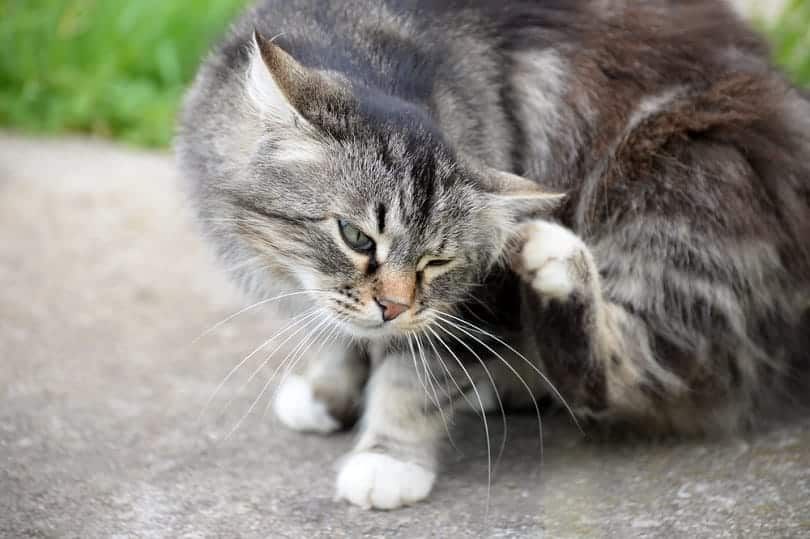
If your cat is suffering from allergies, it’s usually one of these four types: environmental, food, seasonal, or flea. However, more specifically, there are thousands of potential allergens all around. Your cat could be allergic to the plants in your garden, the detergent you use to clean your laundry, or the ingredients in their food. If your cat does suffer from allergies, you will need to take action to prevent the signs or triggers.

Allergy Signs
Typical signs of an allergic reaction in cats depend on the type of allergen, but they usually include itchy skin, sneezing, coughing, runny eyes, vomiting, diarrhea, swollen paws, snoring, and recurrent ear infections. Look for visible signs of trauma on your cat’s skin too, such as indications that they have been recurrently scratching or biting a particular area. Redness and even some bleeding might be common.
If you spot the signs of allergies, you can consult with a vet, who may be able to do an allergy test to identify what your cat is reacting to. Alternatively, you can look for common allergens and then find ways to eliminate these from your cat’s life.
The 7 Most Common Allergies in Cats
The most common allergies for cats are as follows:
1. Fleas
A flea allergy is the most common of all cat allergies. Your cat has become hypersensitive to a protein in the flea’s saliva and will experience a lot of pain and discomfort after just one flea bite. Skin irritation, inflammation, and extreme itchiness will cause a cat with a flea allergy to scratch, bite, and groom vigorously. This can lead to skin irritation and secondary bacterial infections.
It’s vital to look for evidence of a flea infestation, whether adult fleas or flea dust. The most common sign of a flea infestation is your cat scratching around their neck, where fleas are most often located. There are many flea treatments on the market, including over-the-counter and prescription medications. Most flea treatments aim to kill adults and prevent juvenile fleas from growing up. Do not use canine flea medication on your cat, as some of those products are toxic for them. It's always best to consult a vet, as they can help treat your cat’s pain, discomfort, and any secondary skin infections.
Also, for effective flea eradication, you will need to do a thorough cleaning of your house.
2. Pollen
Cats enjoy getting outdoors to investigate, but one of the dangers that lurks outside your four walls is pollen. Pollen comes from grass, trees, and flowers, and cats, just like people, can suffer allergic reactions to it.
A pollen allergy will usually start seasonally, so your cat will get sick around spring or summer, when hay fever rates are high in humans.
Pollen allergies are triggered when your cat inhales or comes into direct contact with the allergen, which in this case, is pollen. It triggers a response in the immune system of the hypersensitized cat. The inappropriate immune response typically manifests as inflammation of the skin and ears, which you might be able to see as redness or lesions, and your cat will also experience itchiness.
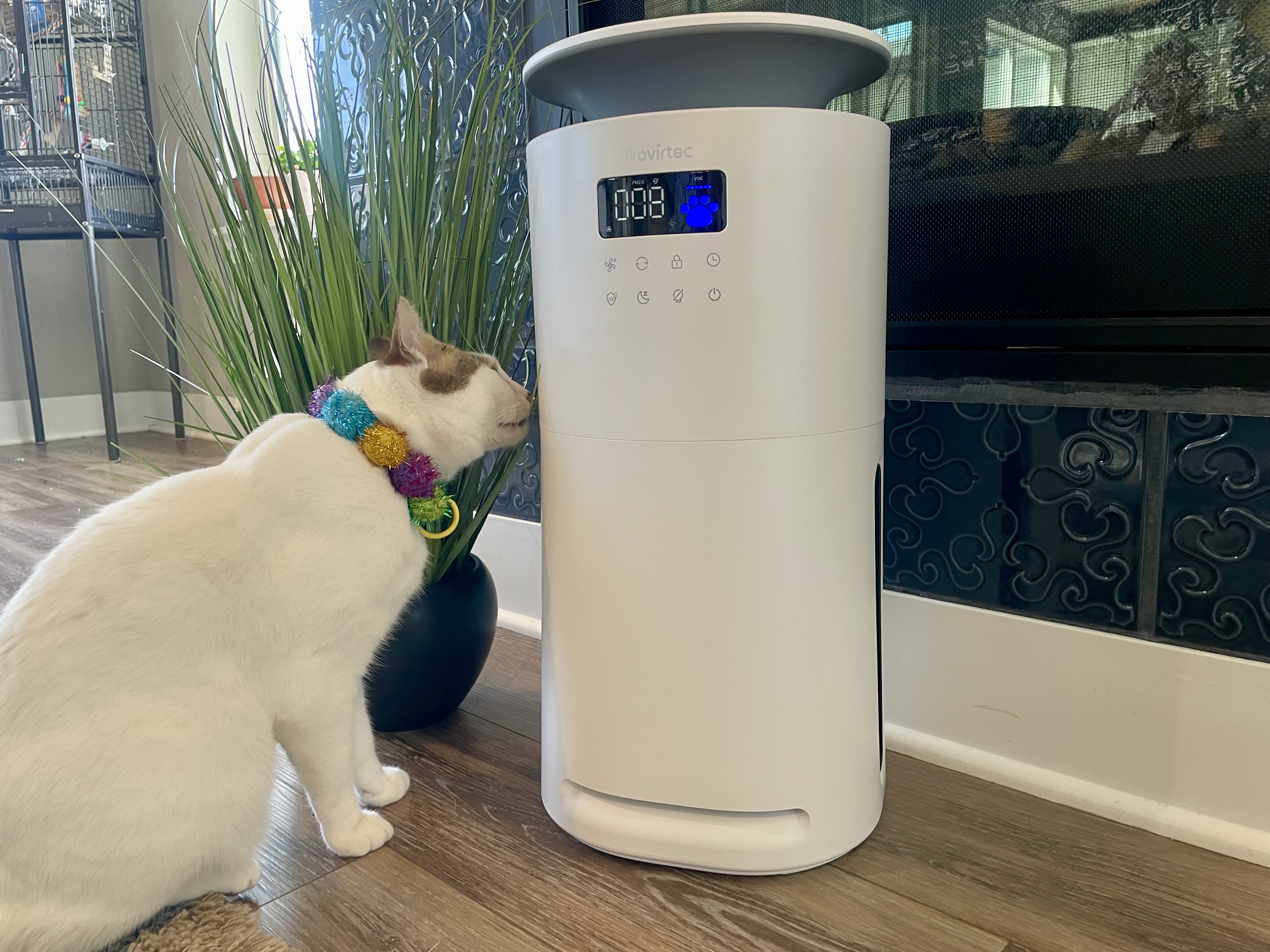
Since pollen is microscopic and travels in the air and on your clothes, indoor cats can also suffer from pollen allergies. Use HEPA air filters to help rid the indoor environment of allergens for your cat. Regularly wipe them down with a damp cloth to get rid of any pollen on their skin.
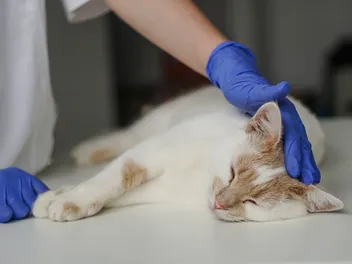
You should consult a vet to get a proper diagnosis of your cat’s exact triggers. They will also help treat your cat’s signs with steroids, antihistamines, or immunosuppressants, thus making their life less miserable.
Your vet may also recommend a desensitization treatment that is specific to your cat’s problem. Consider supplementing their meals with fish oil to help your cat’s skin condition.
3. Dust & Mites
Cats can also be allergic to indoor allergens. Dust is a common allergy in people and similarly in cats. Other household allergies include mites, mold, and mildew.
The signs are identical to those of pollen and outdoor allergies.
Ensure that you clean and pay particular attention to those areas of the home where your cat likes to spend time. Keep them out of particularly prone areas like the basement or attic, and clean their fur with a damp cloth.
4. Food
Food allergies are not as common as environmental allergies in cats, but they can occur. In particular, your cat might be allergic to protein ingredients like beef, chicken, pork, egg, or dairy. Rarely, some cats might be allergic to corn or wheat.
Food allergies can develop at any age, and the signs include vomiting, diarrhea, and bad gas. Interestingly, besides gastrointestinal signs, food allergies can also trigger skin inflammation, itchiness (leading to excessive scratching and secondary skin infections), and recurrent ear infections.
Diagnosis will require an elimination diet. This means feeding a limited-ingredient food or one based on a novel protein to your cat for 8 weeks. If their clinical signs disappear, your cat has indeed been suffering from a food allergy, and you should start to gradually reintroduce ingredients one at a time until you witness an allergic response. Remember that your cat may be allergic to more than one ingredient, so continue the gradual reintroduction of ingredients until you identify all food-based allergens.
There are many different cat foods on the market, including those that intentionally eliminate known common allergens. Limited-ingredient diets, novel protein recipes, or hydrolyzed protein diets are just a few of the options.

5. Contact Allergies
Contact allergies are less common in cats. They will experience a skin reaction if they have direct contact with the triggering material or chemical.
Certain ingredients of shampoos, flea collars, perfumes, and even bedding materials or the products used to wash them, can cause skin irritation and itching in your cat. While identifying the allergen can be challenging, its removal and replacement with a different one will solve the problem.
6. Asthma or Feline Allergic Bronchitis
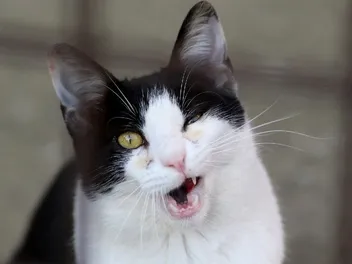
When cats have asthma, it means they have a severe respiratory reaction that results in the narrowing of their airways and inflammation of the bronchi. When a susceptible cat inhales an allergen, this will trigger an inflammatory response, resulting in the swelling and constriction of their airways. The cat will have difficulty breathing, which might present as an increased respiratory effort, wheezing, coughing or hacking, rapid breathing, open-mouthed breathing, and in some instances, vomiting. During an asthma attack, a cat might hunch their body close to the ground and extend their neck forward to try to breathe more air.
While feline asthma can’t be cured, the flare-ups and attacks can be controlled with oral, injectable, or inhaled corticosteroids to reduce inflammation in the lungs, with or without bronchodilators to dilate the airways.
Scented candles or perfumes; tobacco, fireplace, or barbecue smoke; dusty kitty litters; pollens; mold and mildew; and dust mites have all been recognized as triggers to feline asthma attacks.
7. Cutaneous Drug Eruptions and Other Drug-induced Allergies
Although these are rare cases, supplements, prescriptions, over-the-counter medicines, and other drugs can cause allergic reactions. The signs that your cat exhibits will vary according to the allergen and the drug in question but may include skin irritations, facial swelling, vomiting, diarrhea, respiratory changes, bleeding, and even anaphylaxis, difficulty breathing, and collapsing.
If your cat reacts badly to a medication, you should consult your vet straight away. They will be able to determine your next best step, which may include changing medication or stopping taking it completely.

You might also be interested in: Can Your Cat Be Allergic to Humans?
Treatment
The treatment of allergic reactions depends on the type of reaction and the allergen. Ideally, the best treatment is to remove the allergen from your cat’s life completely, but this isn’t always possible. You should consult a vet to get the proper diagnosis. The ideal treatment option is to help relieve the uncomfortable-to-dangerous signs that the allergen is triggering in your poor kitty.
Conclusion
While we have listed the most common allergies here, your cat could be allergic to any of thousands of specific allergens. Removing the allergen from your cat’s life is the ideal solution, but it is not always practical. Consult with a vet to identify the allergen and work out the best possible plan of action to combat it.
Featured Image Credit: Maja Marjanovic, Shutterstock
Expert cat care, straight to your inbox
News, insights, and useful advice, delivered to you.

No spam — unsubscribe anytime.
By signing up, you agree to our Terms & Conditions and Privacy & Cookies Policy.
How useful was this post?
Click a star to rate. You can leave written feedback afterwards. (We read all feedback.)
Christian started writing for a local newspaper as a teenager, and he's been involved in the publishing industry for most of his adult life. Combining his love of writing with a passion for animals, he is currently the Director of Editorial at Pangolia and the Editor-in-Chief at Catster.
Christian lives in the Philippines with his wife, son, and four rescue cats: Trixie, Chloe, Sparky, and Chopper.