How to Tell If a Cat Is Allergic to Food: Vet-Approved Diagnosis Methods & Treatments


In this article
If you're a cat owner, you probably know how important it is to provide them with a balanced and healthy diet. However, what happens when your feline companion starts experiencing unexplained signs like vomiting, diarrhea, or itchy skin?
These could be signs of a food allergy, a condition that can affect some cats. Identifying the exact allergen can be a daunting task, but it’s crucial for your cat’s health and well-being so you can find a diet that is appropriate for them. Let's look at the steps to take in this process.

How to Diagnose Food Allergies
Diagnosing food allergies in cats can be challenging because the signs can be similar to those of other conditions. Signs are mostly skin-related, and your cat may scratch or over-groom as a consequence of itching. Your vet may recommend a series of tests to determine if your cat has a food allergy. Here are some of the first steps and tests to determine if your cat has a food allergy.
1. Look For the Signs
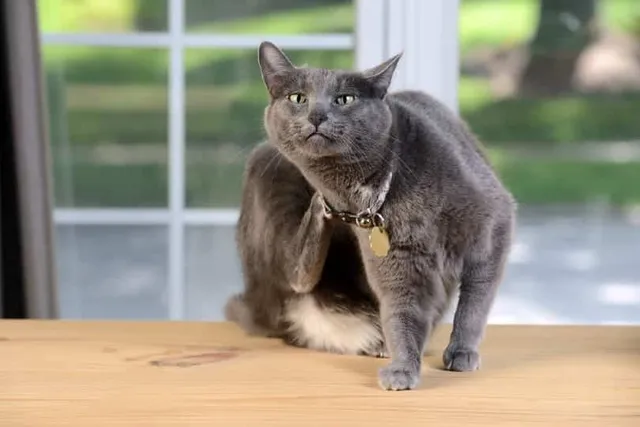
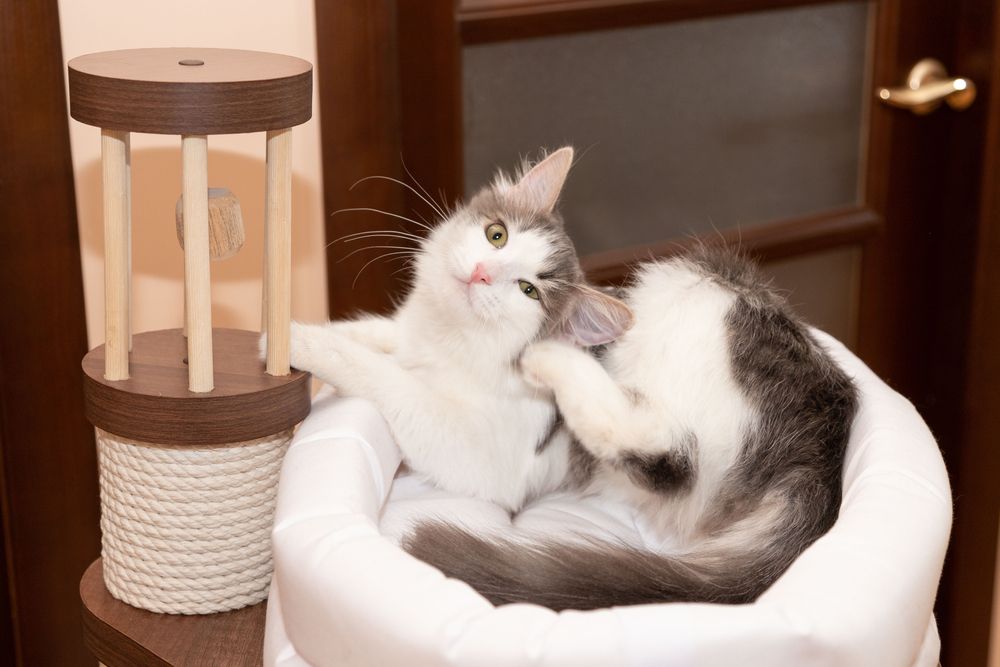
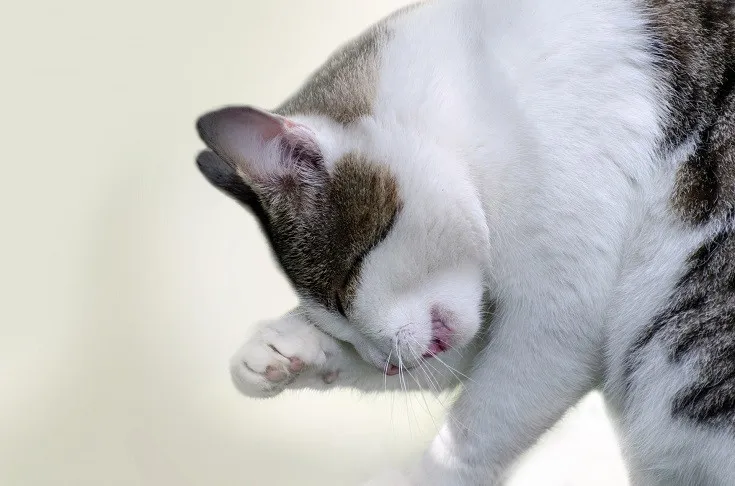
The most visible sign of a food allergy comes from your cat’s grooming habits. Your cat will spend longer than usual scratching, grooming, or even biting themselves. The most common areas are the neck and head, but other parts of the body could also be affected. The skin can turn red, dry, and crusty, and your cat may even show patchy fur.
Digestive signs could come as well, sometimes accompanied by skin issues. However, they are not as common. It is estimated that only 10% to 15% of cats1 with food allergies will suffer from vomiting or diarrhea.
If you notice any skin or gastrointestinal signs in your cat, you should visit your veterinarian for a check-up, as the sooner you understand what is going on, the sooner your cat will start feeling better.

2. Rule Out (or In) Other Types of Allergies
Try a Skin Test
If your vet suspects that your cat is suffering from more than one allergy (food allergy and atopy, for example), they may recommend a skin test. This involves injecting small amounts of potential allergens under your cat’s skin and observing their reaction to determine if your cat is allergic to specific environmental allergens like house dust mites and grass and weed pollens.
Get Blood Tests Done
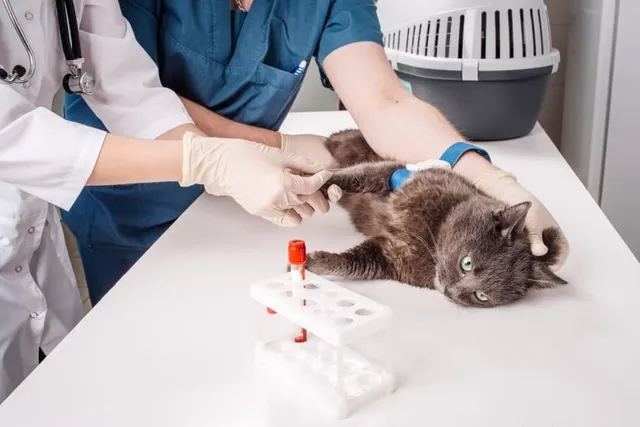
Your vet may also recommend a blood test to check for the presence of antibodies (immunoglobulin E) to specific allergens. This is a good test if your vet suspects that your cat suffers from other types of allergies, since it is not useful to diagnose food allergies. The blood is tested against an extensive profile of potential allergens, such as parasites and a variety of pollens. If the test is positive, your vet will recommend that your cat receive immunotherapy. This means that your cat gets regular vaccines, made specifically for them, to desensitize their body to the allergens causing trouble.
Upgrade Your Cat's Flea Treatment
Whenever you are dealing with allergies in your cat, you need to make sure they are not scratching for other reasons, such as a flea infestation. Cats frequently suffer from flea allergy dermatitis, which occurs when your cat’s immune system recognizes flea saliva as “foreign” and triggers an exaggerated response to a single flea bite. Using regular high-quality external parasite products will ease your cat’s scratching due to this other type of allergy.
3. Start an Elimination Diet
This is the most important and final step. A vet may recommend putting your cat on an elimination diet to determine if a specific food is causing the allergy. This involves feeding your cat a novel protein source (a protein that they have never been fed before), such as venison or rabbit, and eliminating all other food proteins from their diet for several weeks
It’s essential to follow the elimination diet strictly and avoid any potential allergens. You’ll need to feed your cat only the novel protein source for at least 4–6 weeks to see if their issues improve. If they do improve, your vet may gradually reintroduce other food ingredients one at a time to determine which one is causing the allergy (this is normally called a food challenge).
When Do Cats Get Food Allergies?
Food allergies occur when a cat's immune system overreacts to a particular protein in their diet. While any food can cause an allergic reaction, some proteins are more likely to trigger allergies in cats than others. For example, common culprits include beef, chicken, fish, dairy, and grains like wheat and corn.
Much like us, cats can develop allergies at any age, and repeated exposure to an allergen for several months or even years is necessary to develop the signs. Exposure to the allergen will trigger the signs, which may explain them being intermittent if your cat does not always eat the same food. Any cat can be affected by this condition.
Common Signs of Cat Food Allergies
Determining if your cat is suffering from food allergies can be challenging because the signs can be vague and similar to those of other conditions. The most common signs of food allergies in cats include:
- Itchy skin: Food allergies can cause your cat's skin to become itchy, red, and inflamed. In many cases, the cat may scratch excessively or develop scabs and hair loss.
- Vomiting: If your cat regularly vomits after eating, it could be a sign of a food allergy. The vomiting is usually chronic and may be accompanied by weight loss.
- Diarrhea: Cats with food allergies often experience diarrhea, which can be severe and accompanied by blood or mucus.
- Ear infections: Food allergies can cause recurrent ear infections in cats. For example, they may shake their head or scratch their ears, and you may notice a foul odor or discharge from the ears.
Treating Food Allergies in Cats
The best treatment for food allergies in cats is to simply avoid the allergen. Once you've identified the allergen, you'll need to eliminate it from your cat's diet and avoid any potential sources of exposure.
Elimination Diets
If your cat has a food allergy, you'll need to find a hypoallergenic diet that doesn't contain the allergen. There are several elimination diet options available, including:
- Prescription hydrolyzed protein diet: Your vet may recommend a prescription diet that’s designed for cats with food allergies. It will contain protein sources that are broken into tiny fragments (hydrolysis) so the immune system cannot react to them.
- Prescription novel-protein diet: This contains novel protein sources and usually a limited number of ingredients to reduce the risk of an allergic reaction.
- Homemade diet: If you prefer to make your cat’s food at home, you’ll need to work with your vet or a veterinary nutritionist to ensure that your cat’s diet is nutritionally balanced and doesn’t contain any potential allergens.
Your vet may also recommend medications to help manage your cat's allergies, such as antihistamines or steroids. However, these medications are only a temporary solution and aren't a substitute for a hypoallergenic diet.

Prescription Medicine
Sometimes, home remedies are insufficient to treat cat allergies. In these cases, cat owners may need to get prescription medication from their veterinarian to control the itching. There is no single best cat allergy medication. Every cat is different. However, the best therapy combined with home remedies will bring relief to your cat.
It is important to tell your vet about any over-the-counter (OTC) or holistic treatments you are giving your cat. They may interact with certain prescription medications.
Non-prescription Supplements
In some cases, you may be able to help your cat’s allergy with a more holistic or all-natural approach. Here are some OTC remedies that you can use at home to ease your cat’s allergies.

Omega-3 Fatty Acids
Fish oil supplementation can be beneficial for cats suffering from seasonal allergies. Research has shown that fish oil supplements can reduce skin allergy signs and protect skin cells from allergens. DHA and EPA are the omega-3 fatty oils that cats with allergies can benefit from. They'll benefit most from fatty oil supplementation from fish or krill.
Fish oil, however, can be too rich for some breeds. So, it's not recommended for all cats. It's best to check with your vet beforehand.
Probiotics
Probiotics might be beneficial for cats with food allergies that suffer from digestive signs. If your cat has an abnormal gut bacterial load, probiotics can be beneficial. However, supplementing cats with probiotics from humans is not a good idea. Cats have different gut bacteria than humans, so you should always use a feline-specific product.
Tips for Preventing Cat Allergies
While there's no guaranteed way to prevent allergies in cats, there are some steps you can take to reduce the risk of both food and environmental allergies.
Start Reading Cat Food Labels for Potential Allergens
If your cat has a food allergy or is sensitive to certain foods, be sure to start reading the labels of any food you give them carefully. Look for foods that don't contain the allergen, and avoid any foods with vague or generic ingredients like "meat" or " meat by-products."
Check the ingredients list for any potential allergens, and be aware that some ingredients can have different names. For example, chicken can be listed as "chicken meal," "chicken by-product meal," or "chicken fat," but all will contain the protein that is causing the allergy. If you're unsure about an ingredient, contact the manufacturer for more information.

Do Flea Control
Flea allergies can make your cat irritable. If your cat suffers from a flea allergy, it is essential that all pets in the household, including cats and dogs, receive flea control. Use a flea-and-tick treatment that is specific to your pet.
Do not give your cat flea-and-tick treatment that is formulated for dogs.[/su_icon_text]
Reduce Your Cat’s Exposure to Allergens
You need to reduce your cat's exposure to allergens if they have atopic disease. You can use a HEPA filter in your furnace. Also, you can plug in an air purifier. Cover your cat's bedding with an allergen barrier, and wash their bedding once per week during allergy season.

Combination of Therapies
What can you do for your cat to treat allergies? Each cat is different, and each cat's allergy can be caused by many factors. The answer may not be as simple as you think. It takes time and trials to control allergies. Usually, you will need to use a combination of therapies. You can work with your veterinarian to determine what you should give your cat to stop itching.
Don’t forget about some of the daily and weekly steps that you can take to help prevent cat allergies from overcoming your cat.
Here are a few tips:
- Feed your cat a high-quality diet that's free from potential allergens.
- Avoid giving your cat table scraps or treats that contain potential allergens.
- Introduce new foods gradually, and monitor your cat for any signs of an allergic reaction.
- Keep your cat's environment clean and free from potential allergens like dust and mold.
- Regularly groom your cat to remove any potential allergens from their coat.
Wrapping Things Up
Food allergies can be a frustrating and challenging condition for both cats and their owners. However, with the right care and attention, you can help your feline friend stay healthy and happy. If you suspect your cat has a food allergy, it's essential to consult with your vet and follow their recommendations carefully. With patience and perseverance, you can help your cat overcome their allergies and enjoy a lifetime of good health.
Sources
Featured Image Credit: fotovictoria, Shutterstock
Expert cat care, straight to your inbox
News, insights, and useful advice, delivered to you.

No spam — unsubscribe anytime.
By signing up, you agree to our Terms & Conditions and Privacy & Cookies Policy.
How useful was this post?
Click a star to rate. You can leave written feedback afterwards. (We read all feedback.)
Christian started writing for a local newspaper as a teenager, and he's been involved in the publishing industry for most of his adult life. Combining his love of writing with a passion for animals, he is currently the Director of Editorial at Pangolia and the Editor-in-Chief at Catster.
Christian lives in the Philippines with his wife, son, and four rescue cats: Trixie, Chloe, Sparky, and Chopper.