How Can I Soothe My Cat's Itchy Skin: 9 Natural Home Remedies


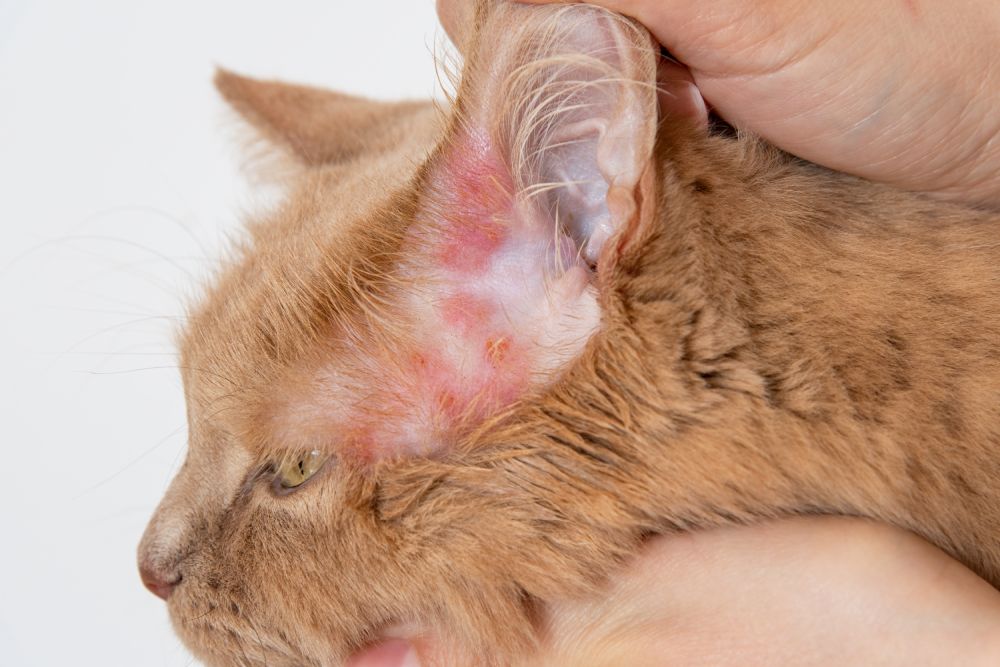
If you notice that your cat is scratching incessantly, losing hair, or developing a rash, they are likely having an allergic reaction. Skin allergies are fairly common in cats, affecting around 10% of felines, with causes ranging from fleas to foods and flora. Chronic conditions should always be referred to a vet, but there are home remedies to try that can soothe your cat's itchy skin, sometimes instantly! Many of these are inexpensive and simple, and most are preventative too. Try each method alone first to help you eliminate potential causes so you can find the correct source of the itchy skin.
The first check to perform is ensuring your cat is getting a healthy diet. A well-rounded diet of mostly meat (cats are obligate carnivores) will go a long way in preventing and even curing many skin issues. With that in mind, here are common tried-and-tested remedies to relieve your feline friend from itchy skin.

The 9 Natural Home Remedies to Soothe Your Cat's Itchy Skin
1. Controlling Their Flea Allergies

Most issues with itchy skin in cats are caused by an allergic reaction to fleas. Controlling the lifecycle of fleas is the first important step to stopping allergic reactions in your cat’s coat. Natural flea powders, flea combs, and cleaning your carpets and pillows often will help prevent a flea infestation in your home and go a long way in preventing allergies in your feline. If this is covered and your cat is still having an issue with itchy skin, you can move ahead with other remedies.
- Our Top Picks: Best Flea Treatments for Cats – Reviews & Top Picks
2. Oatmeal Soak
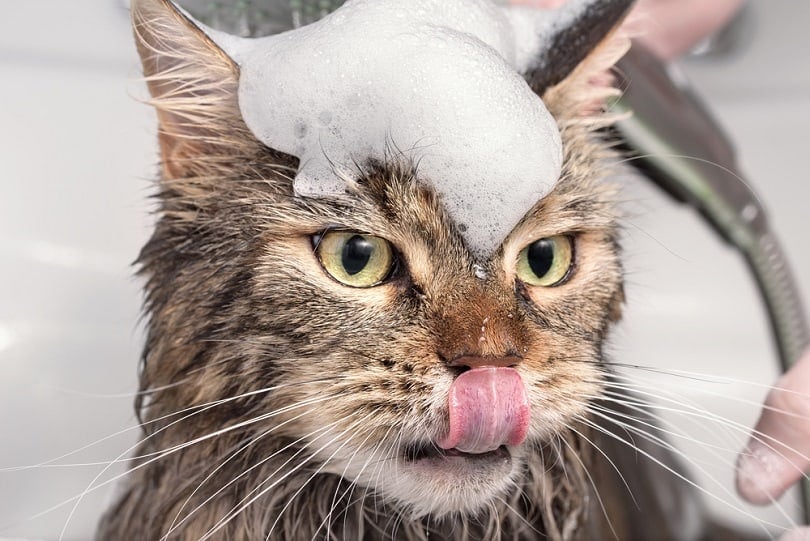
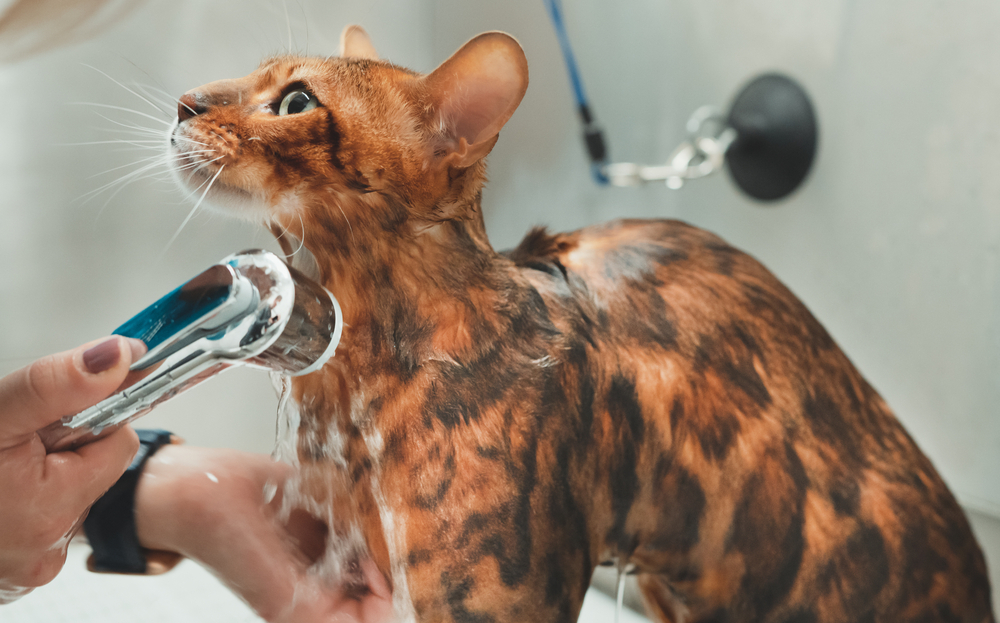
While most cats will not be amused at being slathered in oatmeal, they will likely thank you afterward. A slurry of oatmeal mixed with water can be applied liberally to your cat or you can make an oatmeal bath that you can leave your cat soaking in. The mixture should be left on their skin for at least 10 minutes to provide optimum relief. The oatmeal should ideally be ground up into a fine powder in a food processor first to make it easy to apply and spread.
Oatmeal will soothe, nourish, and moisturize your cat’s skin and provide immediate relief against itching. The moisturizing properties will also help soften dry skin and prevent itchiness for at least a few days. Oats have anti-inflammatory properties, which give the soak its soothing properties. Premade oatmeal sprays are available for purchase, but homemade is best!
3. Epsom Salt Bath

Epsom salts have several benefits for your cat, including relief for itchy skin. They can also treat wounds, relieve muscle aches and pains in older cats, and assist in flushing toxins. The dissolved salts are easily absorbed through the skin and can provide immediate relief for rashes or itchy skin. Again, your cat may not be pleased, but a 10-minute soak in an Epsom salt bath will provide immense relief. Care must be taken to ensure your kitty does not drink the water of the Epson Salts bath.
Epsom salt is also known as magnesium sulfate, and despite its name, it is very different from table salt. It has been used to treat ailments for hundreds of years in animals and humans and is a safe and natural method to treat your cat’s itchy skin.
4. Add More Oils to Their Diet
Dry, flaky, and itchy skin can often result from a lack of natural oils in your cat’s diet. If they are fed primarily dry kibble, they may be lacking certain oils. Oils from fish and olive oil are a great additional supplement. Half a teaspoon added to their usual diet may help, or one spoon every few days, but be careful of giving them too much since oils are fattening. You’ll soon notice their coat getting shiny and smooth!
5. Brushing
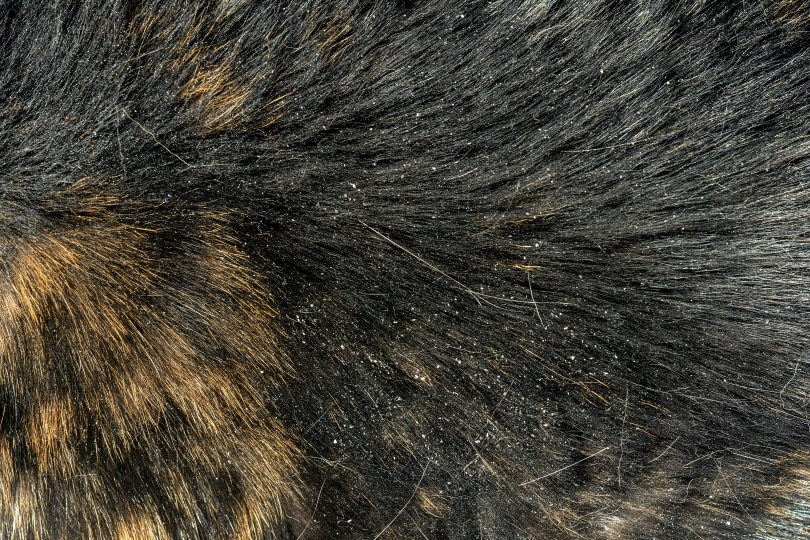
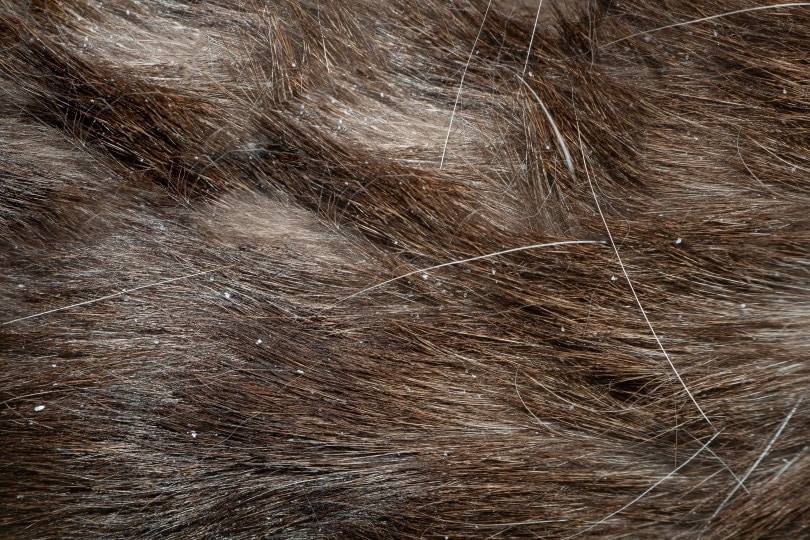
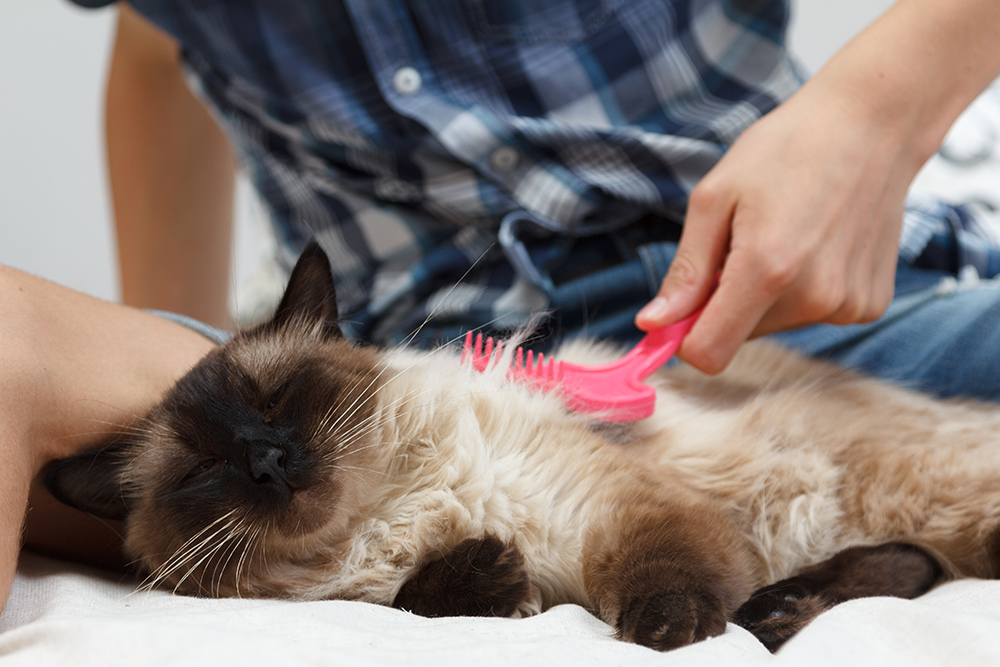
A simple but often overlooked remedy for itchy skin is regular brushing, especially in cats with long, thick coats, like Persians. Cats with thick coats can easily get matted or knotted, which can cause dandruff or dry, flaky skin. Regular brushing with a fine-tooth comb will go a long way in stopping knots and matting and causing skin issues.
Our Recommendations: Best Cat Grooming Gloves – Reviews & Top Picks
6. Apple Cider Vinegar

Apple cider vinegar has been a home remedy for various ailments for hundreds, if not thousands of years. It contains acetic acid and is particularly helpful for itchy skin in cats. Never apply pure apple cider vinegar; prepare a dilution of 1/2 cup of apple cider vinegar to 1 cup of water. Applying it with a spray bottle will kill pathogens and bacteria and thus reduce itchiness and flaking.
7. Coconut Oil

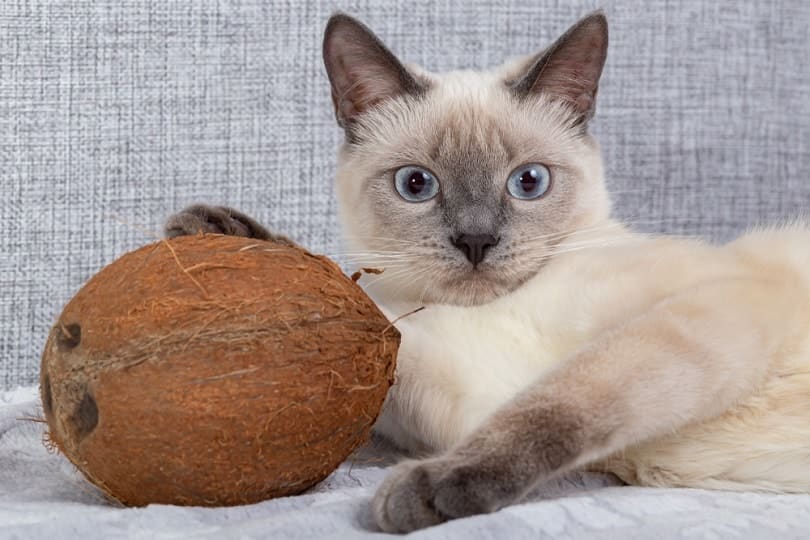
Coconut oil contains plenty of fats that will help to soothe your cat's skin, keep it moisturized, and promote healthy coat growth. It will also soothe itchy skin by coating it with its soothing oils. Gently rub the oil onto the affected areas every day, or give it orally for best results, as it has several nutritional benefits too. A teaspoon a day mixed into their meal, in combination with a surface application, can cause significant relief.
8. Plain Yogurt

Plain, unsweetened, unflavored yogurt can have tremendous soothing effects on your cat’s skin. Apply gently to the affected area for immediate cooling relief. Even better, if they’re not allergic, mix a few teaspoons into their food once a week. Plain yogurt contains beneficial bacteria that will aid your cat’s digestion, boost their immune system, and thus help them fight any skin allergy or infection they may be suffering from.
9. Baking Soda

Baking soda has some antifungal properties and may relieve your itchy feline. Making a paste with water or mixing it with coconut oil and applying it to the affected area will provide relief. Alternatively, you could make a bath with infused baking soda and soak your cat for 10 minutes.
Rub it into the base of the coat with your fingers and massage it well. Let it set for a few minutes before brushing out, then remove as much as possible using a dry towel. But you want to remove as much baking soda as possible to avoid your cat ingesting large amounts of it by licking it up. Some cats may be allergic to it, so keep a close eye on your kitty if you use this method, and be sure to contact a vet if you notice your cat has red or swollen skin, is vomiting, has diarrhea, or looks lethargic.

Conclusion
Hopefully, some of these home remedies will help to soothe your cat’s itchy skin. We recommend trying one at a time to see which works best and of course, making sure their diet is healthy and well-balanced. The remedies will not replace the expert advice of a veterinarian, and be sure to take your cat for a visit to rule out any serious genetic or environmental causes that may be causing the problem.
Related Reads:
Sources
https://www.petmd.com/dog/wellness/benefits-oats-dogs-and-cats
https://petsweekly.com/lifestyle/natural/4-bath-salts-that-may-benefit-your-pets/
https://www.oliveoiltimes.com/health-news/how-can-olive-oil-benefit-my-pet/63457
https://www.petmd.com/dog/nutrition/can-pets-have-apple-cider-vinegar
https://www.petmd.com/cat/nutrition/coconut-oil-cats-it-good-idea
Featured Image Credit: Pixabay

Expert cat care, straight to your inbox
Vet-reviewed advice, behavior tips, and the best of Catster. Free, and you can unsubscribe anytime.
By signing up, you agree to our Terms & Conditions and Privacy & Cookies Policy.
Christian started writing for a local newspaper as a teenager, and he's been involved in the publishing industry for most of his adult life. Combining his love of writing with a passion for animals, he is currently the Director of Editorial at Pangolia and the Editor-in-Chief at Catster.
Christian lives in the Philippines with his wife, son, and four rescue cats: Trixie, Chloe, Sparky, and Chopper.
Join the conversation
Ask a question, share your story, or send private feedback.