Get

In Your Inbox

Catster is reader-supported. When you buy via links on our site, we may earn an affiliate commission at no cost to you. Learn more.

Can Cats Eat Yogurt? Vet-Reviewed Nutrition Facts & FAQ

Share

Can Cats Eat Yogurt

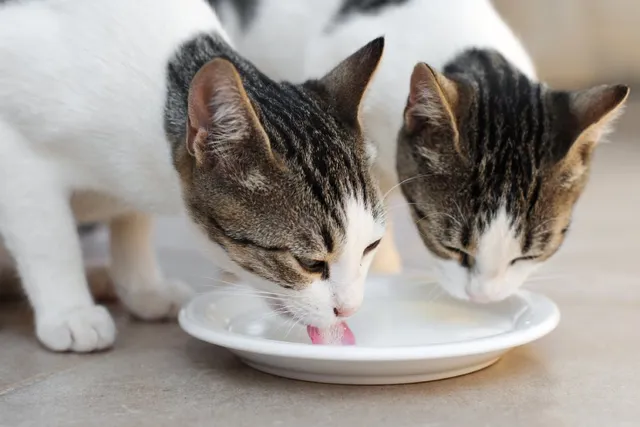
For many, thinking of cats brings up images of them lapping up a saucer of milk. While it’s safe for kittens to have their mother’s milk, older cats are lactose-intolerant, so giving them milk or yogurt could result in a feline not feeling well.

Yogurt, however, is easier for felines to digest due to the active cultures found within. But that still doesn’t mean that yogurt is good for cats to eat (at least not very often). If you’ve been wondering whether cats can eat yogurt, keep reading because we have all the information you need below.

divider cats oct 2024

The Dairy Myth

As we said, many people think giving a cat a bowl of milk is fine because the two have come to be associated with each other. When kittens are born, their bodies produce lactase because it helps them digest mama cat’s milk. But when kittens get to be about 12 weeks old, that lactase begins to decrease, along with their ability to tolerate milk. So, even though some felines might enjoy milk and other dairy products, it isn’t good for them because it could result in gastrointestinal issues.

So, what makes yogurt different? Yogurt is an exception because the process of making yogurt involves fermenting milk with cultures. This breaks the lactose in the yogurt into smaller compounds, making it a bit easier for felines to digest. So, yogurt has less risk of causing stomach upset in felines.

So, just because cats can eat yogurt, that doesn’t necessarily mean you should give it to your cat. While yogurt does offer some nutritional benefits, which we’ll discuss below, those benefits might not outweigh the potential risks.

abyssinian kitten eat yogurt from silver spoon
Image By: GCapture, Shutterstock

Benefits of Yogurt

When thinking of the nutritional benefits of yogurt, it’s important to remember that, given the tiny amount of yogurt safe for cats to eat (about a teaspoon), they are negligible. Your cat should be getting all the essential nutrients they need from a high-quality, balanced cat food.

Protein

Felines are obligate carnivores, meaning they need animal protein to survive. All that meat means a cat needs a diet that’s high in protein (roughly 2 grams of protein is needed for each pound a cat weighs), which keeps them lean and energetic.

And yogurt can offer your cat some of that protein, just not a ton. While 6 ounces of plain Greek yogurt can contain 9g to 15g grams of protein, your cat wouldn’t be eating that much yogurt, so it would receive far less protein than that. Still, a nice little boost of protein doesn’t hurt every now and again.

bowl of yogurt
Image Credit: Profet77, Pixabay

Vitamins & Minerals

Then there are the vitamins and minerals yogurt can provide for your cat. For example, yogurt is rich in calcium that aids in keeping bones and teeth healthy and strong. Yogurt also contains magnesium and vitamins B12 and D.

Probiotics

Yogurt also offers up healthy bacteria in the form of probiotics, which can aid your pet with digestion. However, though probiotics can help reduce problems such as diarrhea and gas, they aren’t something your cat necessarily needs unless they’re having issues with the gastrointestinal tract. And if they are having gastrointestinal upset, yogurt isn’t the best way to add probiotics to their diet anyway; going to the vet to ask about a probiotic supplement formulated especially for cats is a much better option!

divider 1 paws

Risks of Yogurt

The most significant risk of cats eating yogurt is, of course, that it could upset the cat’s stomach. Though the lactose in yogurt is easier to break down, it’s still there, and some felines will be more sensitive to lactose than others. So, an upset stomach is always possible.

There’s also the risk of toxicity. When giving a cat yogurt, you only want to give it plain, unsweetened yogurt. Flavored yogurts often have artificial flavorings, which can be extremely dangerous for felines—particularly xylitol, often found in sugar-free foods and an additive that can result in a life-threatening situation for your pet.

Artificial flavorings aren’t the only things found in yogurt that could be dangerous, though. Some yogurts may contain other toxic or harmful ingredients, like grapes, chocolate, coconut, and citrus.

Finally, if your pet eats too much yogurt, it’s consuming more calories than it should in a day. Added up over time, those extra calories can result in weight gain, leading to weight-related health issues.

Image Credit: StockphotoVideo, Shutterstock

divider 2 cats

Final Thoughts

Though yogurt isn’t the worst thing you could feed your cat as a treat, it also isn’t the best. The cultures used in making yogurt mean that the lactose in this food is broken down more, so it should reduce the risk of lactose-intolerant cats becoming ill. However, it still doesn’t provide many nutritional benefits for your pet and can contain toxic ingredients.

If you want to give your feline yogurt as a treat occasionally, don’t give it more than a teaspoon of plain, unsweetened yogurt. But keep in mind that your cat’s calories really should be coming from a meat-heavy, high-protein diet!

See Also: 

Want content like this delivered to you?

Sign Up For Our Newsletter

News, insights, expert advice, and everything cat

* By submitting, you agree to our Terms & Conditions and Privacy & Cookies Policy.


How useful was this post?

Click on a star to rate (you can leave written feedback after clicking submit)

Help us improve Catster for pet parents!

Your feedback really matters.

What did you like about this post? Also how can we improve it?

Join the conversation

4 Responses

  1. have two 1yr old cats – they have been transferred from science diet kitten dry to tiki canned and dry. seem to be doing well.
    so, they like to have some bacon and eggs abt once a week – bacon is tiny pieces, egg is white. are these 2 treats ok for them? they will also eat tiny pieces of steak, chicken, ham, and organic lunch meat (ham/turkey) all pieces are very small.

    are they ok eating these table foods occasionally? thanks

    1. Hi Sue,

      Thank you for reaching out and for being so attentive to your cats' diet! It's great to hear that they’re doing well on their new food. While it’s understandable that you want to share a treat with them now and then, it's important to be cautious with human foods, as they can sometimes contribute to obesity or other health issues in pets. It’s vital to ensure that their primary diet remains balanced and meets all their nutritional needs.

      For more detailed guidance, we recommend checking out our blog about approved human foods for cats, which might give you more insight into what's safe for them to eat:

      – https://www.catster.com/nutrition/human-foods-safe-for-cats/
      – https://www.catster.com/nutrition/can-cats-eat-eggs/
      – https://www.catster.com/nutrition/can-cats-eat-bacon/
      Please copy and paste the link on your preferred browser.

      If you have any concerns about their diet or overall health, it might be helpful to schedule a consultation with one of our veterinarians at Pangovet.com Proper nutrition is essential for their long-term well-being.

      Thanks again for your question, and I wish you and your cats all the best!

  2. My cat loves to lick the lid and the container when we are done eating yogurt. He loved 'fruit on the bottom', since we can no longer find it , he will only eat blended blueberry or strawberry. It's his favorite thing every morning to come and bug us until we are done eating a yogurt.

    1. Hi Jewlz,

      Thank you for sharing such a sweet story about your cat's love for yogurt! It’s always fun to see how our pets develop their own little routines.

      However, please be mindful that some yogurts, especially those with fruit, can contain a lot of sugars and other ingredients that might not be the best for your cat’s health. It’s important to ensure your cat's diet remains balanced. If you notice any signs of stomach upset, it would be a good idea to consult a veterinarian.

      You can also consult the following post for more information regarding lactose intolerance in cats:]
      https://www.catster.com/cat-health-care/are-cats-lactose-intolerant/
      Please copy and paste the link in your preferred browser.

      Thanks again for your comment!

Leave a Reply

You’re very welcome to leave a comment or question. Please know that all comments must meet our community guidelines, and your email address will NOT be published. Let’s have a positive and constructive conversation.


Catster's Digital Magazine is Back!

Vet-approved health & behavior advice

Real cat stories & community features

Chatting with Devin About Here! Have a Kitten, Fostering, & Why Two Are Better Than One | Chatty Cattys, Episode 29

In this episode of Catster’s Chatty Cattys podcast, Nicole & Dr. Karyn sit down with Devin, the founder and one-woman show behind “Here...

Decoding The Cat Loaf: What It Means and When to Worry

Few cat behaviors have captured the internet quite like the loaf. Paws tucked neatly beneath the body, tail wrapped in, perfectly rectangular. As...

Your Cat Isn’t Picky – Their Nose Is Just Bored

If you’ve ever sighed while scraping uneaten cat food into the trash, you’re certainly not alone. Many cat owners know the routine: their...

Ask Dr. Paola – Help! My Kitten Won’t Use the Litter Box! (July 27, 2026)

Welcome to our “Ask Dr. Paola” series, where every Monday we bring expert advice straight from Dr. Paola Cuevas (MVZ) to help our...

More related

How to Choose the Right Cat Carrier in 2026: 7 Vet-Approved Steps

Cat carriers are a convenient way to transport your cat both short and long distances. Cat owners might feel overwhelmed when looking for...

25 Top Cat Movies for Kids: The Purrfect Picks in 2026

Cats are fascinating and interesting animals, so it’s no surprise that there are numerous movies that feature them. Many films with cats are...

Why Is My Cat Suddenly Walking Like They’re Drunk? 10 Vet-Reviewed Reasons

It’s a question that concerned cat owners may ask: Why is my cat suddenly walking like they’re drunk? There are many possible reasons...

Can Cats Eat Figs? Nutrition Facts & FAQ (Vet Answer)

Today, many people eat gourmet meals for enjoyment more than for survival. This leads us to often think of food as a reward...

Keep reading

How Long Do Sphynx Cats Live? Vet Reviewed Lifespan, Care Tips & FAQ

You can’t help but notice a Sphynx cat. The large ears and almond-shaped eyes command your attention. It’s no wonder that they are the 10th most popular breed! Of course, the kitty’s outgoing and energetic personality also helps endear them...

calico sphynx cat on the table

Why Do Cats Like Straws? 6 Likely Reasons

Most cat owners can attest that cats do strange things. Whether your cat sleeps in the sink or finds a way to get stuck in the window blinds, there’s rarely a dull moment with them around. Another common cat quirk...

cat playing with straws in glass

Do Cats Like Hugs? Feline Preferences & Important Considerations (Vet Verified)

Cats are beloved pets known for their independent and enigmatic nature. While dogs often enjoy hugs and physical affection, the same may not always be true for cats; they can be downright aloof sometimes. Understanding a cat’s preference for hugs...

woman carrying a chocolate-colored cat inside the clinic

Can Cats Eat Cod? Vet Approved Nutritional Facts & FAQ

If you’re a fan of fish and chips, you’re probably already familiar with cod, which is one of the two most common types of fish used to prepare this dish. What you might not know, however, is whether it’s okay...

Can Cats Eat Cod

Can Cats Eat Ranch Dressing? Vet-Approved Nutritional Facts & FAQ

Ranch dressing is popular in the United States. It was once only used as a salad dressing, but now, the tangy mixture is often a marinade for meat and seafood, dipping sauce for fried food, and a flavoring for processed...

Can Cats Eat Ranch Dressing

Cat Poop Chart: Colors, Consistency & More (Vet-Reviewed)

We all know cleaning the litter box is an unpleasant but crucial part of pet ownership. You don’t want to spend more time around your cat’s waste than you have to, but as you’re cleaning the box, it’s worth taking...

Tabby cat sitting in a litter box and look to the camera

8 Cleaning Products Toxic to Cats: Vet Approved Facts & Toxicity Explained

Many modern cleaners are filled with chemicals that are potentially harmful to cats. People use these products regularly (or even daily) without knowing the risks. If you clean with concentrated disinfectants, you could be putting your favorite feline at risk....

woman-holding-bucket-of-cleaning-products

Can Cats Eat Peas? Vet-Reviewed Facts & FAQ

Peas may be one of the most disliked childhood vegetables, but these little green legumes are packed full of healthy nutrients, including protein. In fact, pea protein powder is a common alternative for plant-based individuals to use in their post-workout...

Can Cats Eat Peas

Love Cats? So Do We! Join the Catster Community

Stay informed with expert pet care insights delivered straight to your inbox! Discover professional guidance on animal behavior, feeding tips, trusted product picks, and much more.


Sign up for the Catster Email Newsletter

Stay informed with expert pet care insights delivered straight to your inbox! Discover professional guidance on animal behavior, feeding tips, trusted product picks, and much more.