Your Cat Isn’t Picky – Their Nose Is Just Bored
In this article
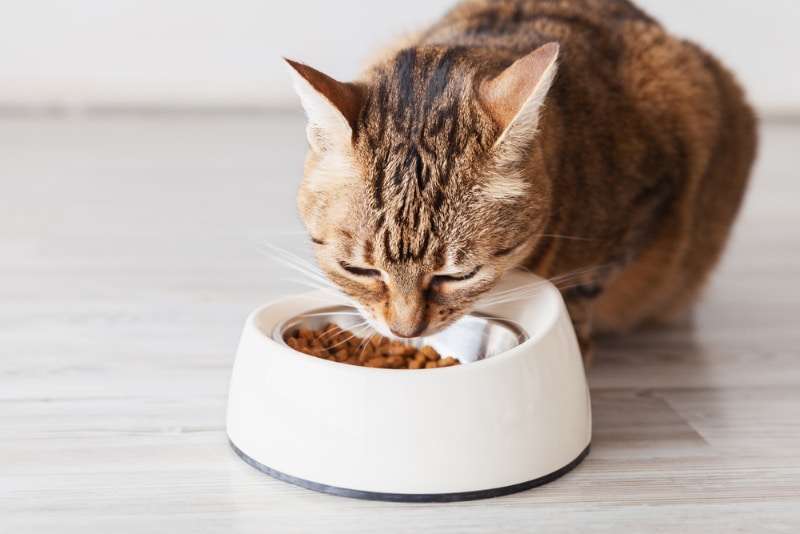
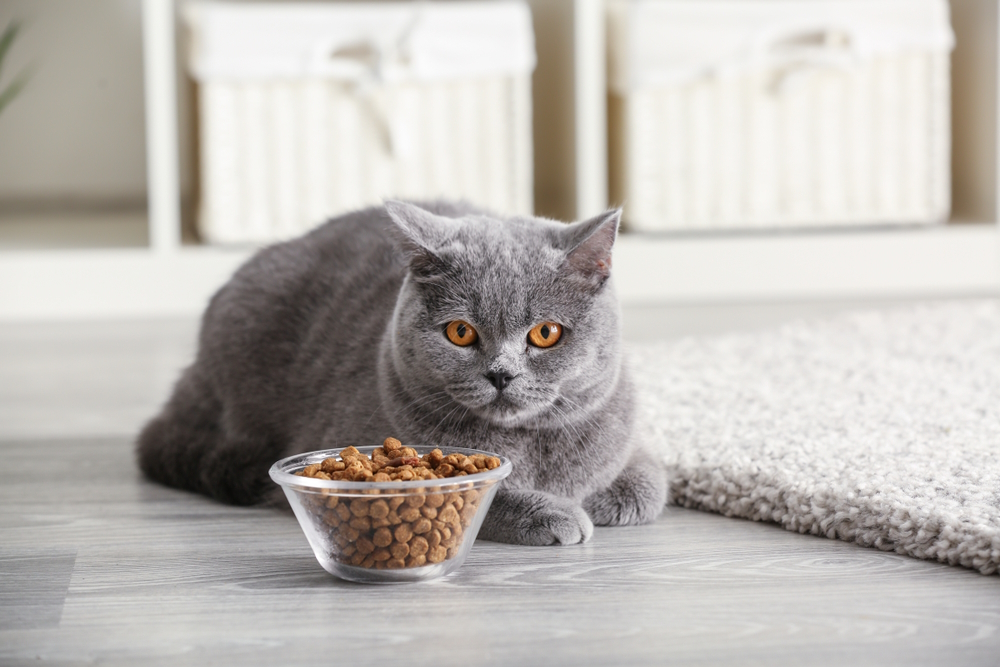
If you've ever sighed while scraping uneaten cat food into the trash, you're certainly not alone. Many cat owners know the routine: their cat eagerly runs to the bowl, takes a few bites, then wanders off, leaving what appears to be a perfectly good meal behind. While this behavior is often dismissed as fussiness, new research from Japan suggests something far more interesting may be happening.
Researchers at Iwate University found that as cats become accustomed to the smell of a food, their motivation to keep eating gradually declines, even when they are not completely full. Simply introducing the aroma of a different food restored their interest, despite the meal itself remaining unchanged. The findings offer a fascinating glimpse into the remarkable role scent plays in feline feeding behavior, and may help explain one of the most common questions veterinarians hear from cat owners: "Why won't my cat finish dinner?"
I Smell, Therefore I Snack

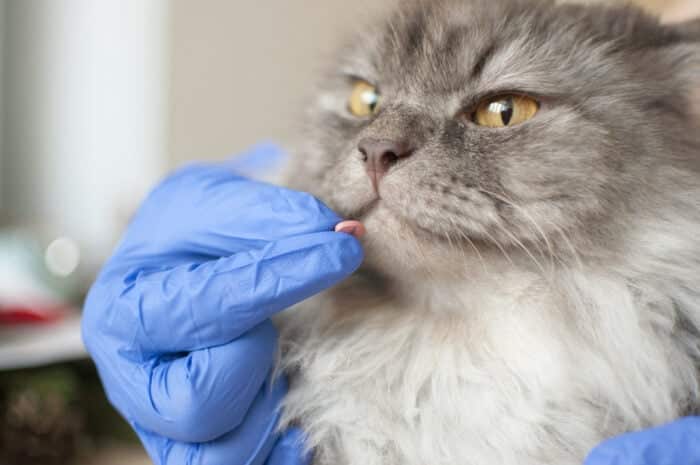
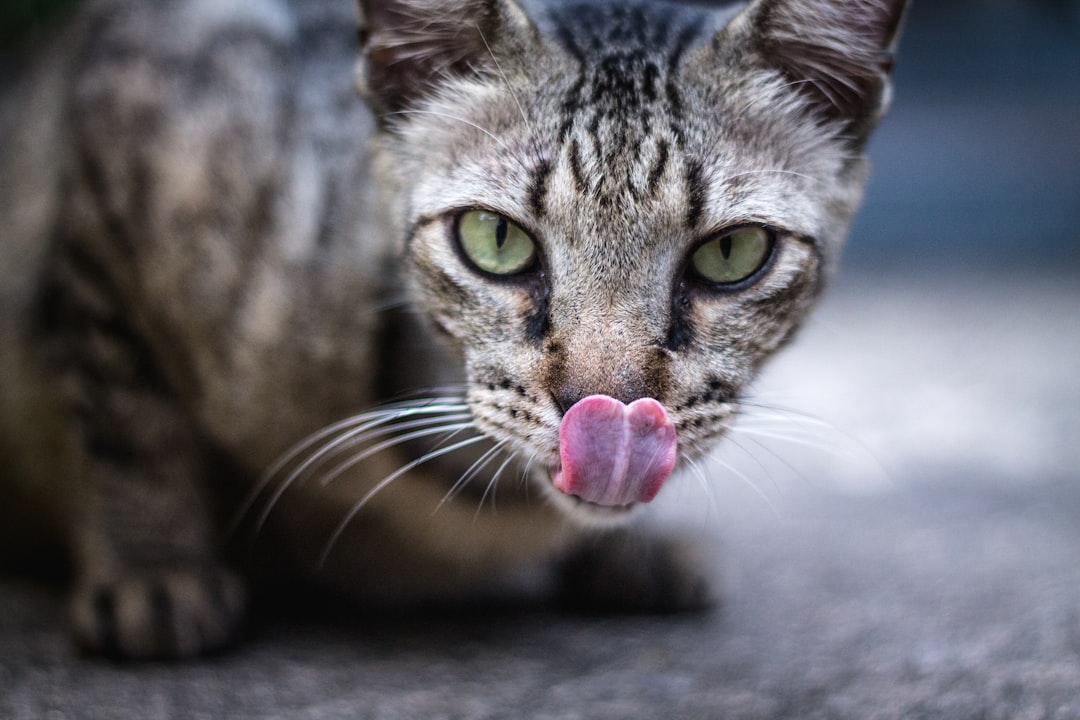
As veterinarians, we often need to remind pet parents that cats are not just small dogs, and this study is another excellent example of why. Cats rely on their sense of smell far more than people realize. Before deciding whether dinner deserves a second bite, they gather an extraordinary amount of information through their nose, and every meal has to pass the sniff test first.
A cat's olfactory system contains roughly 200 million scent receptors, compared with only about six million in humans. In addition to their impressive sense of smell, cats possess the vomeronasal, or Jacobson's, organ, which allows them to detect certain chemical signals that humans cannot perceive. Together, these sensory systems help cats evaluate food quality, recognize familiar prey, and decide whether dinner meets their refined feline standards.
To investigate how scent influences appetite, researchers observed 12 healthy domestic cats after a short fasting period. As expected, the cats readily began eating when food was first offered. However, their interest gradually declined with repeated exposure to the same food aroma. When the researchers introduced the scent of a different food, without actually changing the meal in the bowl, the cats resumed eating.
Scientists refer to this process as olfactory habituation. As the brain becomes familiar with a particular smell, its response gradually diminishes. Introducing a new odor reverses that effect, a process known as dishabituation, making the scent interesting again.
Think of walking into a bakery. The smell of fresh bread is almost impossible to ignore at first, but after spending a while inside, you barely notice it anymore. Your nose hasn't stopped working; your brain has simply become accustomed to the smell. According to this study, something similar may happen when cats sit down to dinner.
The Evolution of a Food Critic
These findings make perfect sense when viewed through the lens of feline biology.
Unlike omnivorous species that evolved to consume large meals, cats are obligate carnivores descended from solitary hunters. Their wild ancestors typically captured several small prey animals throughout the day, each carrying its own unique scent profile. Rather than repeatedly eating the exact same food, they encountered natural variety with every successful hunt.
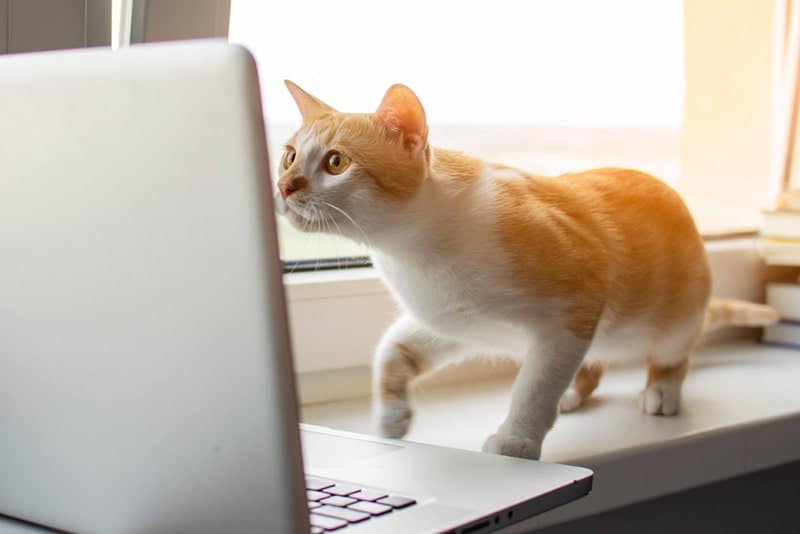
If you've ever wondered why your well-fed cat still spends an afternoon stalking a fly, ambushing a feather wand, or proudly presenting you with an unfortunate "gift" from the garden, you're seeing those ancient instincts in action. Hunger is only one reason cats hunt. The entire sequence of stalking, chasing, pouncing, investigating, and yes, giving everything a good sniff, is rewarding in its own right. While this study didn't examine hunting behavior, it reminds us that cats experience much of the world through their noses. Every prey animal has its own scent signature, making it easy to see why novelty may still capture a cat's attention, even thousands of years after they traded the wild for our living rooms.
For a hunter, every prey animal offers a different combination of odors. Those ever-changing scent cues may have helped cats stay interested in seeking out their next meal rather than repeatedly focusing on the same prey source. Although today's indoor cats rarely need to hunt for survival, the sensory systems guiding those decisions remain remarkably similar to those of their wild ancestors.
This is one reason why cats can seem so selective. What owners often describe as a "picky eater" may simply be a predator whose highly specialized nose is quietly saying, "I've smelled this already."

What's a Cat Parent to Do?
Before anyone rushes to rotate foods every day, it's important to place these findings in context.
A healthy cat occasionally leaving food behind is not necessarily a sign that something is wrong. Appetite naturally fluctuates, and many cats prefer eating several smaller meals rather than one large serving. However, a sudden or persistent decrease in food intake should never be ignored. Cats that stop eating completely are at risk of developing hepatic lipidosis, a potentially life-threatening liver condition that can occur after only a few days of inadequate calorie intake.
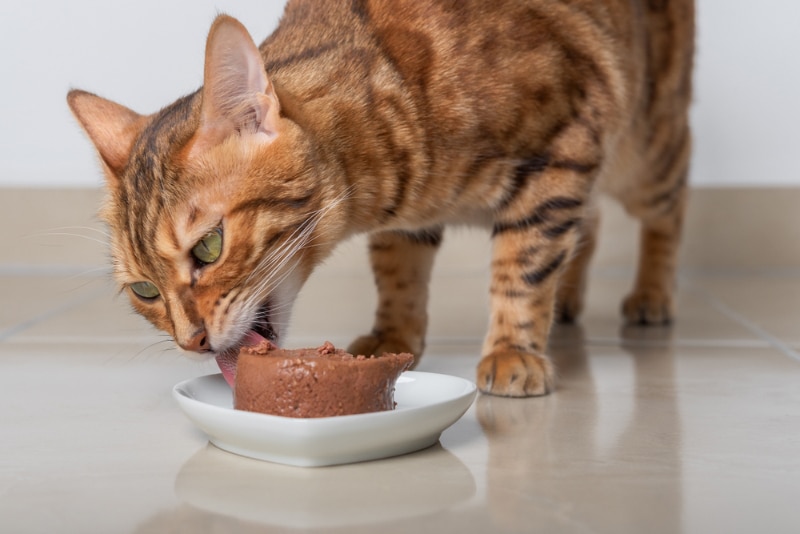
What this study highlights is that smell deserves more attention when we think about feline nutrition. Warming wet food slightly, serving fresh portions instead of leaving food out for long periods, or offering different flavors within the same nutritionally complete product line may help maintain interest in meals for some healthy cats. These strategies may also prove valuable for cats recovering from illness or those with reduced appetites, although more research is needed before these findings can be translated into clinical recommendations.
Any dietary changes, however, should be made gradually and under veterinary guidance, particularly for cats with gastrointestinal disease, food allergies, chronic kidney disease, diabetes, or those eating prescription therapeutic diets.

Just When You Thought You Had Cats Figured Out...
Like all studies, this one has limitations. The research involved only 12 cats under controlled conditions, so larger studies will be needed before scientists can determine exactly how these findings apply to the wider pet cat population. Even so, the work adds to a growing body of evidence showing that feline appetite is influenced by much more than an empty stomach.
As veterinarians, we often say that understanding normal feline behavior is one of the best ways to support feline health and welfare. Cats communicate through subtle changes, and their feeding habits are no exception. A half-finished bowl does not automatically mean a cat dislikes its food, nor does it always indicate illness. Sometimes, it simply reflects the sophisticated sensory world that cats experience every day.
So, does this mean the future of cat food is... even stinkier? Our cats would probably vote yes. Fortunately for them, and perhaps unfortunately for our noses, aroma appears to play a much bigger role in mealtime than we once realized. While more research is needed before anyone starts developing "extra-smelly" recipes, this study reminds us that cats don't simply eat with their mouths. Dinner begins with their noses.
So, the next time your cat leaves half the meal behind, don't be too quick to label them picky. They may simply be following instincts that have served their species for millions of years. And who knows? Maybe tomorrow's purrrfect cat food won't taste any different at all. It might just smell irresistible.
Feature Photo Credit: Pexels, Pixabay
Did You Know?
- Our brand-new posts are rounded up and included in our weekly emails. Don't miss out on the latest - sign up for our newsletter below!

Expert cat care, straight to your inbox
Vet-reviewed advice, behavior tips, and the best of Catster. Free, and you can unsubscribe anytime.
By signing up, you agree to our Terms & Conditions and Privacy & Cookies Policy.
Dr. Paola Cuevas MVZ (Veterinarian)
Dr. Paola Cuevas is the Senior In-House Veterinarian at Pangolia, the parent company of Catster. She has over 18 years of experience as a veterinarian and animal behaviorist. Paola's focus is on preventive medicine and animal welfare. Paola has a large range of skills in from diagnostic imaging to nutrition and clinical pathology. Paola enjoys sharing her extensive knowledge of animal training with our Catster readers and is always happy to answer reader questions as our in-house veterinarian.
Join the conversation
Ask a question, share your story, or send private feedback.