The Common Flea Pill Preventing New World Screwworm
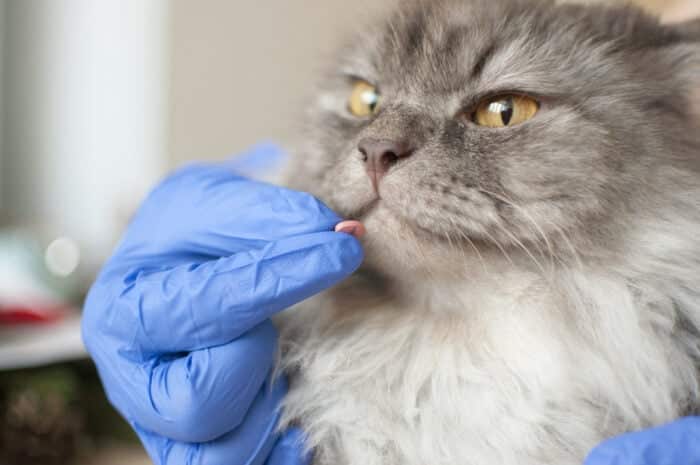
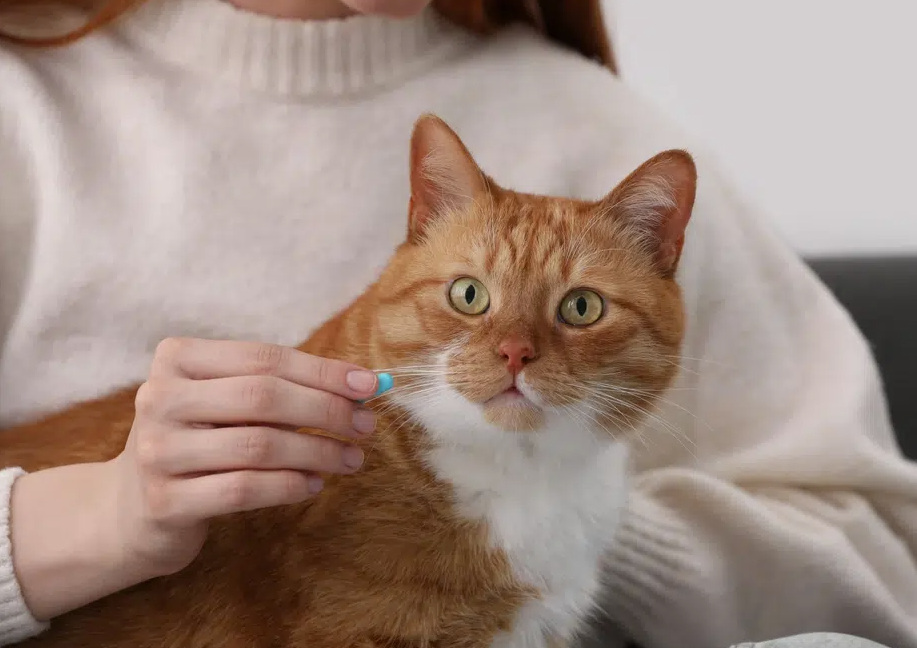
For many cat parents, the brand Capstar might ring a bell. This small, fast-acting tablet has long been used to kill adult fleas on cats and dogs. Now, the active ingredient in Capstar, nitenpyram, is being given an important new role: treating and preventing New World screwworm.
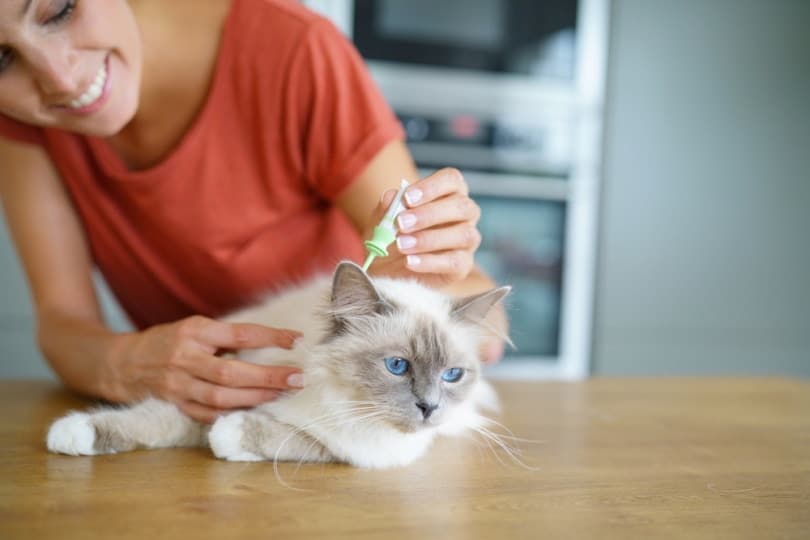
On September 3, 2026, the U.S. Food and Drug Administration issued an Emergency Use Authorization (EUA for nitenpyram tablets, allowing the common flea tablet to be used off-label for the prevention and treatment of New World screwworm infestations in cats, kittens, dogs, and puppies.
Why does this matter? Because until now, prevention was the missing piece when it came to drug options for dogs and cats. This new authorization helps fill that gap, giving veterinarians another tool in the toolbox while the larger fight against New World screwworm continues.
Why Is Everyone Talking About Screwworm?
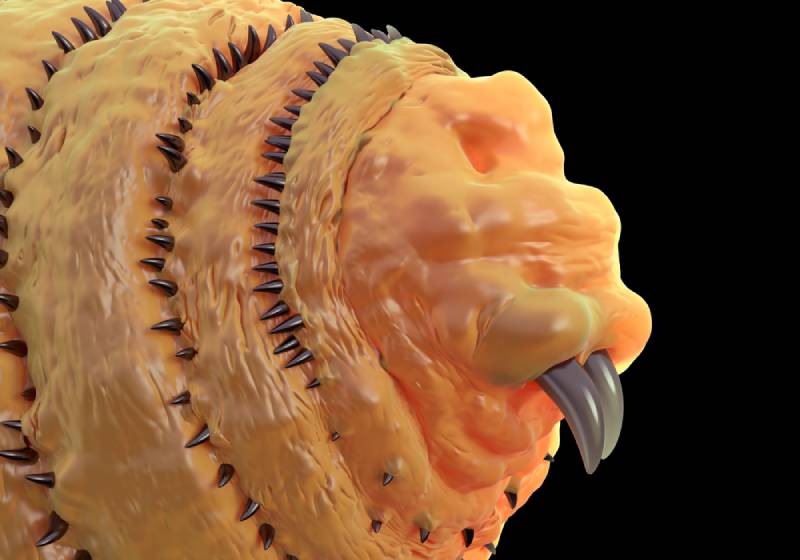
First things first: despite the rather dramatic name, New World screwworm is not a worm at all. It is a fly: Cochliomyia hominivorax. The ‘worm’ part of the name comes from the larvae, or maggot, of this fly. And unfortunately, this is one fly that definitely deserves our attention.
The trouble starts when a female fly finds a suitable place to lay her eggs, usually in or around a wound. She can also target other vulnerable areas, including the eyes, nose, mouth, and other mucous membranes. Once those eggs hatch, the larvae get to work, and this is where the screwworm becomes particularly nasty.
These aren't the disgusting but harmless little maggots that make themselves at home in overflowing trash cans or rotting food. Screwworm larvae feed on living tissue, burrowing deep into the affected area, feeding as they grow. Before long, a wound that looks small on the outside has become a much bigger problem underneath. An infestation can cause extensive tissue damage and, without prompt treatment, can even be life-threatening.

So why is this making headlines?
New World screwworm has been detected in the United States, while Mexico and other countries in the region continue to deal with the parasite. USDA is maintaining surveillance and response efforts, including in Texas, where ‘zones of infestation’ have been established.
The concern goes well beyond individual animals. Screwworm can have a serious economic impact on livestock production because affected animals may lose weight, require treatment and extra care, or die. During a 1976 outbreak in Texas, producers spent an estimated $132.1 million dealing with the pest, equivalent to about $740 million in 2024 dollars. More recently, the disruption to live cattle exports from Mexico has been estimated to have cost that country's livestock sector around $1.8 billion.
This is why so much effort is going into keeping this fly from spreading. This is about animal health, but it is also about protecting our entire food production system.
And no, the strategy is not simply “find the bugs and squish them.” Controlling screwworm takes a much bigger effort. Authorities are using surveillance, movement controls, trapping, and other measures, along with one particularly interesting tool: releasing sterile flies.
The idea is surprisingly simple. Sterile male flies are released into affected areas, where they compete with fertile males for mates. When a sterile male mates with a female, she does not produce viable offspring. Over time, this can cripple the wild screwworm population.

What’s this got to do with cats?
The good news is that this isn't something every cat owner needs to panic about. Where a cat lives, where it travels, and whether it spends time in an area where screwworm is present all make a difference. For cats traveling to or returning from affected areas, it's worth being a little more careful.
With screwworm, the goal is to understand the risk before the exposure happens and, whenever possible, st ay one step ahead of the fly. When you consider that cats are experts at hiding things, including small wounds, a puncture, scratch, or other break in the skin can be easy to miss under all that fur, especially in an outdoor cat.
A wound can become an invitation for a female screwworm fly to lay her eggs, and the larvae that hatch will feed on living tissue. Cats infested with screwworm larvae have wounds that aren't healing normally, visible maggots, an unusual odor, or discharge. In any situation, these signs warrant veterinary attention. If you happen to live near or have traveled to an area where the New World screwworm has been detected, be sure to mention it to your vet.
Should I give Capstar to my cat?
Not necessarily. This does not mean Capstar should suddenly become part of every cat's routine parasite prevention. As a flea treatment, it is particularly effective at killing adult fleas quickly, but doesn’t provide long-term flea control.
A cat living indoors in an area where screwworm isn't present is in a very different situation from a cat traveling to an affected region or spending time outdoors there. Your veterinarian can help you decide whether your cat's particular situation calls for the medication.
In the case of screwworm, Capstar is used according to the Emergency Use Authorization, not the FDA-approved standard use. There are specific instructions for when and how it should be given.
What if your cat is traveling?
If you're traveling with your cat to an area where screwworm has been identified, or returning from one, talk with your veterinarian before you go. International travel can also come with health certificates, inspections, and other paperwork, and the requirements vary depending on the country you're entering or passing through. Some documents must be completed within a specific window before travel, so don't leave the paperwork until the last minute.
An Old Pill With a New Job
For most cats, New World screwworm is not something to worry about every day. But for cats living in or traveling to affected areas, knowing the risk, knowing that preventive options are available, and knowing what to look for can make a real difference. It’s also great to know that those options include a product that has been safely used in cats for decades.
The takeaway isn't that every cat needs Capstar, but when a parasite like screwworm becomes a concern, having a preventive option available can make it easier to protect cats that are actually at risk.
And when a parasite feeds on living tissue, “better safe than sorry” is a pretty good philosophy.
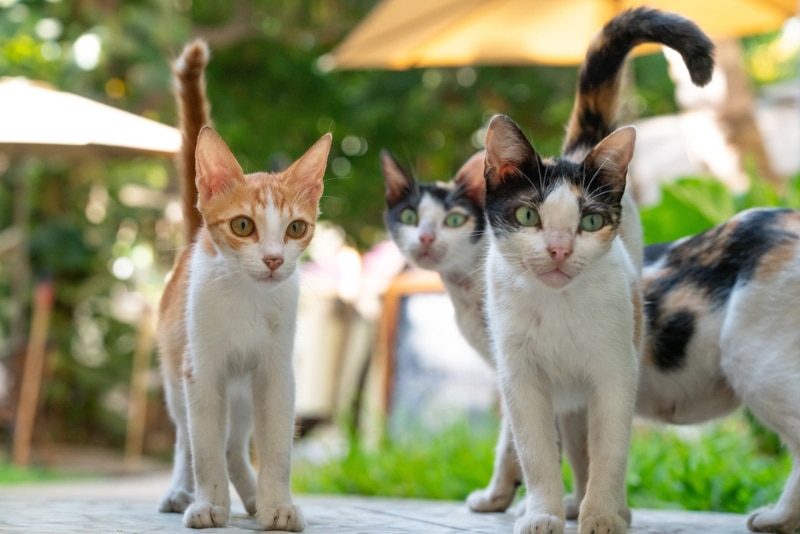
Feature Image Credit: inxti, Shutterstock
Did You Know?
- Our brand-new posts are rounded up and included in our weekly emails. Don't miss out on the latest - sign up for our newsletter below!

Expert cat care, straight to your inbox
Vet-reviewed advice, behavior tips, and the best of Catster. Free, and you can unsubscribe anytime.
By signing up, you agree to our Terms & Conditions and Privacy & Cookies Policy.
Dr. Paola Cuevas MVZ (Veterinarian)
Dr. Paola Cuevas is the Senior In-House Veterinarian at Pangolia, the parent company of Catster. She has over 18 years of experience as a veterinarian and animal behaviorist. Paola's focus is on preventive medicine and animal welfare. Paola has a large range of skills in from diagnostic imaging to nutrition and clinical pathology. Paola enjoys sharing her extensive knowledge of animal training with our Catster readers and is always happy to answer reader questions as our in-house veterinarian.
Join the conversation
Ask a question, share your story, or send private feedback.