Get

In Your Inbox

Catster is reader-supported. When you buy via links on our site, we may earn an affiliate commission at no cost to you. Learn more.

New Hope for a Fatal Feline Disease: Feline Infectious Peritonitis (FIP) Treatment Gets a Green Light

Share

Weekly Mews FIP treatment

Until very recently, a diagnosis of the disease Feline Infectious Peritonitis, better known as FIP, was an automatic death sentence. An aggressive inflammatory disease, FIP is a mutation of a relatively benign form of feline coronavirus, a distant relation to COVID-19.

Interestingly, it was the human coronavirus pandemic that accelerated the development of the first effective treatment for FIP, Remdesivir. This injectable antiviral medication had been in development before COVID-19 struck, but the sudden need for human treatments sent the research and development teams at Gilead into overdrive. While this was good news for those suffering from severe forms of COVID-19, it was great news for vets and cat owners, whose options when faced with FIP patients in the past had been palliation and euthanasia.

Remdesivir antiviral medication
Image Credit: felipe caparros, Shutterstock

In 2021, Remdesivir was being rolled out in Australia, the UK, and parts of Europe, with promising results. Although not a guaranteed cure, vets were finally seeing FIP patients improving and going home. However, a lack of FDA approval in the US meant that this potentially life-saving treatment was still out of reach for many. Desperate cat owners were even turning to ‘black market’ sources to obtain the drug.

Three years after its initial release, the FDA has tentatively cleared the path for an alternative form of Remdesivir, a tablet known only as GS-441524, for use in the US. In a recent statement, the FDA wished to:

remind compounding pharmacies, veterinarians, and pet owners that animal drugs compounded from bulk drug substances are unapproved drugs and are not, in fact, legal. However, the FDA has described certain conditions where the agency does not intend to take enforcement actions for compounded products for use in animals.” Heat treatments have been shown to be effective for inactivating H5N1 in meat, milk, and egg products. We recommend that consumers follow the USDA guidelines for handling and thorough cooking of raw meat before feeding. Animals should also be kept from hunting and consuming wild birds.

In other words, we haven’t approved it, but we know you’re going to use it, and we’re not going to try to stop you. What a clever way to magnanimously allow treatment to proceed without the risk of shouldering any blame if things go wrong!
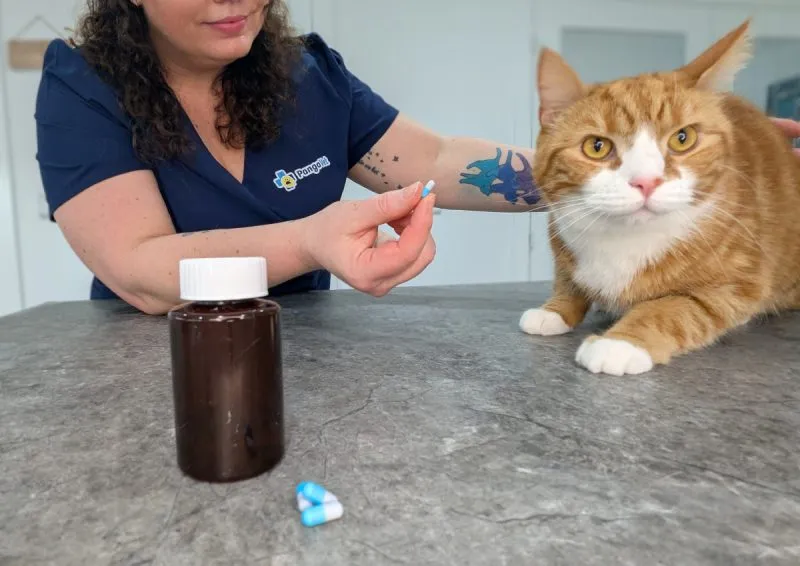
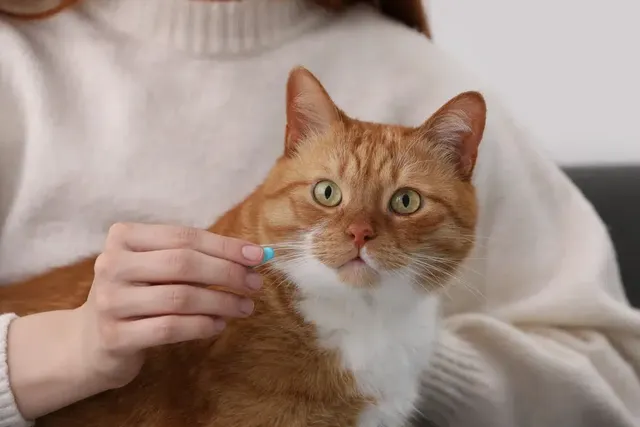
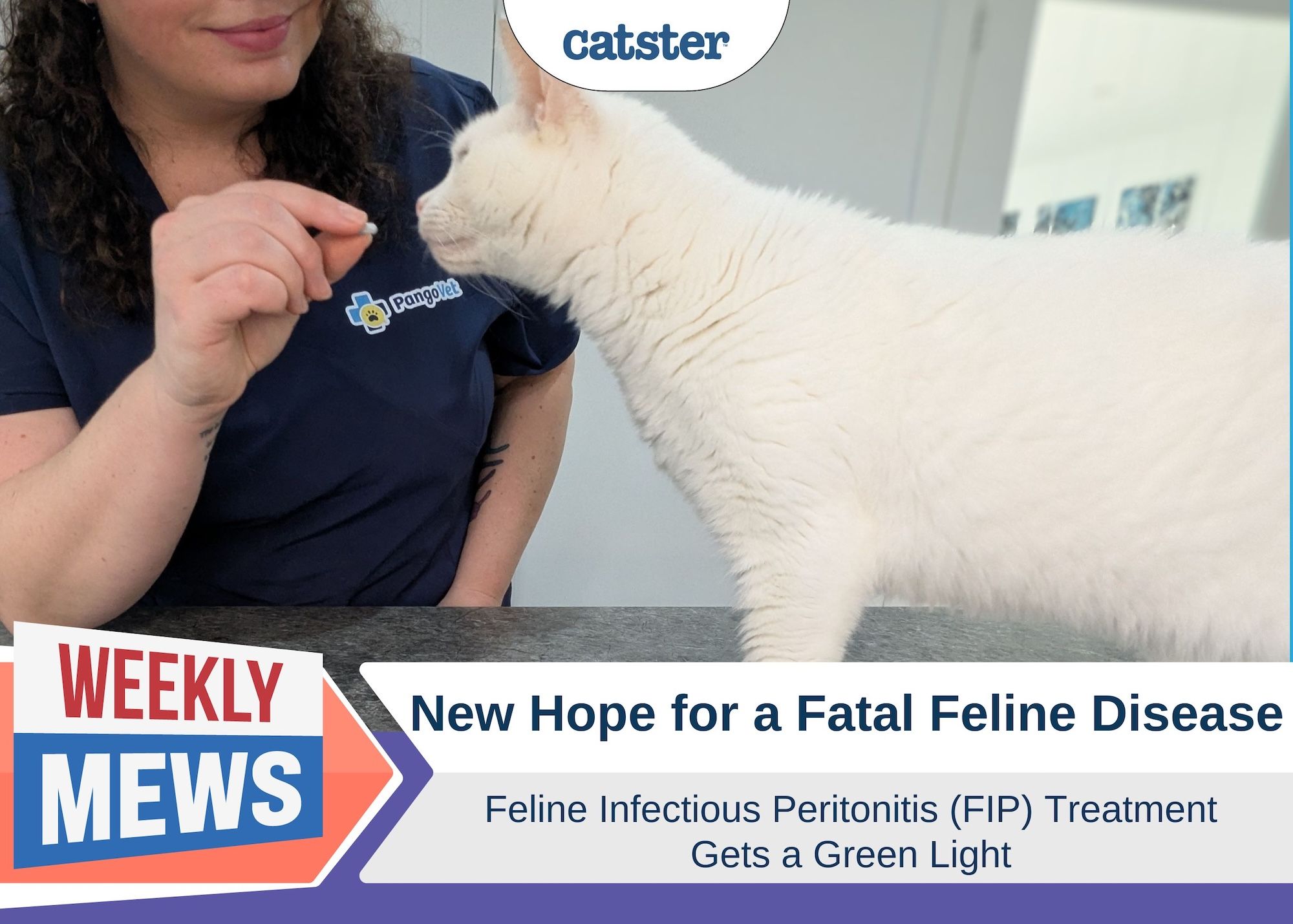
Karyn giving medicine to Alex

Studies indicate that the efficacy of the oral medication is comparable to that of the injection, but a combination of the two forms may be even more effective. Case studies have reported a range of responses, including remission, relapse, and death, but with only 4 years’ worth of real-world cases, it will be some time before we can evaluate long-term outcomes. For now, it is enough to say that cats diagnosed with FIP are finally being given the chance to have a long-term outcome.

Next item on the list: come up with a name a little more marketable than GS-441524!


Did You Know? 

  • Our breaking news articles are featured in our weekly emails. Don’t miss out on the latest and sign up for our newsletter below!

Want content like this delivered to you?

Sign Up For Our Newsletter

News, insights, expert advice, and everything cat

* By submitting, you agree to our Terms & Conditions and Privacy & Cookies Policy.


How useful was this post?

Click on a star to rate (you can leave written feedback after clicking submit)

Help us improve Catster for pet parents!

Your feedback really matters.

What did you like about this post? Also how can we improve it?

Join the conversation

Leave a Reply

You’re very welcome to leave a comment or question. Please know that all comments must meet our community guidelines, and your email address will NOT be published. Let’s have a positive and constructive conversation.


Catster's Digital Magazine is Back!

Vet-approved health & behavior advice

Real cat stories & community features

Chatting About the Rainbow Bridge, Euthanasia, and Laughter During Grief | Chatty Cattys, Episode 24

If you’ve ever felt the loss of a beloved cat, or are dreading the day when your pet crosses the rainbow bridge, you’ll...

The Simple Reasons Cats Refuse to Let Anyone Use the Bathroom Alone

Cats have an extraordinary talent for making themselves present in the most inconvenient places, and the bathroom ranks near the top of the...

A Paw-sitive Milestone: Canada Officially Becomes a Declaw-Free Nation

Canada has officially become a declaw-free nation. On May 25, 2026, a new regulation was filed in Ontario under the Provincial Animal Welfare...

The Surprisingly Simple Ways to Help a Cat With Hairballs

Cats spend an astonishing amount of time grooming. It is part hygiene routine, part comfort ritual, and part instinct that traces back generations....

More related

Can Cats Eat Frogs? Vet-Reviewed Safety Facts

If you have a rambunctious feline with a strong prey drive, you have likely come across them playing with something strange or unsavory....

Can Cats Eat Cicadas? Vet-Reviewed Health Concerns

As any cat owner will attest, cats are expert hunters. Their instinct for preying on small, fast-moving objects is baked into their DNA....

Why Is My Cat So Clumsy? Cerebellar Hypoplasia Explained (Vet Answer)

Most cats are known for being graceful, agile, and light on their feet, but for some, being clumsy is a way of life,...

Why Does My Cat Lick Windows & Window Screens? Behaviour Explained

Cats exhibit all sorts of strange and wacky behavior. For instance, you may find some cats licking windows or window screens. Sometimes, cats...

Keep reading

Why Do Cats Like Watching Other Animals? Vet-Reviewed Feline Behavior

Cats spend a good portion of their day observing their environment. Other animals are of particular interest for felines, whether it is a dog or bird they spotted from the window. Although cats may watch other animals because they simply...

cat-watching-birds-in-the-window

Will Stress Cause a Cat To Lose Their Hair? Vet Approved Facts & FAQ

Several problems, conditions, and situations can cause a cat to lose its hair. One of those conditions is something we humans regularly face, stress. Yes, stress can cause your cat to lose its hair, a condition called psychogenic alopecia. If...

cat losing hair

Can Cats Eat Mango? Vet Reviewed Nutrition Facts & Safety Guide

Mango is a delicious, nutritious superfood—at least for humans. But what about cats? Maybe your kitty is curious about anything that you eat, or perhaps you just want to add variety to your pet’s diet. Either way, mango is safe...

Can Cats Eat Mango

Why Does My Cat Lick Plastic? Behavior Explained (Vet-Verified)

Cat parents know that felines can do some very odd things at times. Whether suddenly running up the walls (literally) or fitting themselves into the smallest space they can find, cats engage in behaviors that seem to have no reasonable...

cat with plastic bag in the kitchen

How to Treat a Burned Cat Paw Pad: 6 Vet-Approved Tips

Given how curious, fearless, and agile they are, cats have a way of getting into things that they shouldn’t. Add the fact that cats love warmth but cannot distinguish dangerous hot surfaces from safe ones, and you have a recipe...

vet checking up tabby cat

Is Borax Safe for Cats? Vet-Approved Safety and Usage Advice

Borax is a multipurpose cleaner that can be used for stopping an infestation of ants or cleaning mold. It’s even become popular as an ingredient for homemade slime recipes! You might also see it being suggested as a “natural” alternative...

Catster_Is Borax Safe for Cats

Can Cats Eat Twizzlers? Health Risks & Precautions

Twizzlers, the colorful little candies that come in various shapes and flavors, are often enjoyed by humans. However, many cat owners wonder whether their feline friends can enjoy them too. Are cats supposed to eat Twizzlers? Are they healthy for...

Catster_Can Cats Eat Twizzlers_v1_Dec 4 2024

Do Feral Cats Hunt In Groups Or Share Their Kill? Facts & 3 Ways to Help

Feral cats don’t usually hunt in groups. Most prefer to catch prey on their own, and sharing food is mostly limited to feral moms providing food to their kittens. However, the ways in which feral cats live and hunt varies...

Many feral cats are eating outside

Love Cats? So Do We! Join the Catster Community

Stay informed with expert pet care insights delivered straight to your inbox! Discover professional guidance on animal behavior, feeding tips, trusted product picks, and much more.


Sign up for the Catster Email Newsletter

Stay informed with expert pet care insights delivered straight to your inbox! Discover professional guidance on animal behavior, feeding tips, trusted product picks, and much more.