Cat Poop Chart: Colors, Consistency & More (Vet-Reviewed)


In this article
We all know cleaning the litter box is an unpleasant but crucial part of pet ownership. You don’t want to spend more time around your cat’s waste than you have to, but as you’re cleaning the box, it’s worth taking a few seconds to take a good look at your cat’s feces, with help from our cat poop chart. Being aware of what’s normal and what isn’t might save your cat’s life one day or, at the very least, let you know if your cat needs a change in diet.

Importance of Checking Cat Poop
It’s a little smelly and a little uncomfortable, but checking your cat’s poop can tell you a lot about their diet and health. The color, consistency, and frequency of bowel movements tell a lot about whether your cat is healthy and happy. One reason to check your cat’s stools is to see if your cat’s diet is working well.
If your cat constantly has slightly runny stools or other minor issues that don’t warrant a vet trip, there’s a good chance that they could use a new brand of cat food. The more significant reason to check for changes in poop is because that is often the first or only sign of major problems.
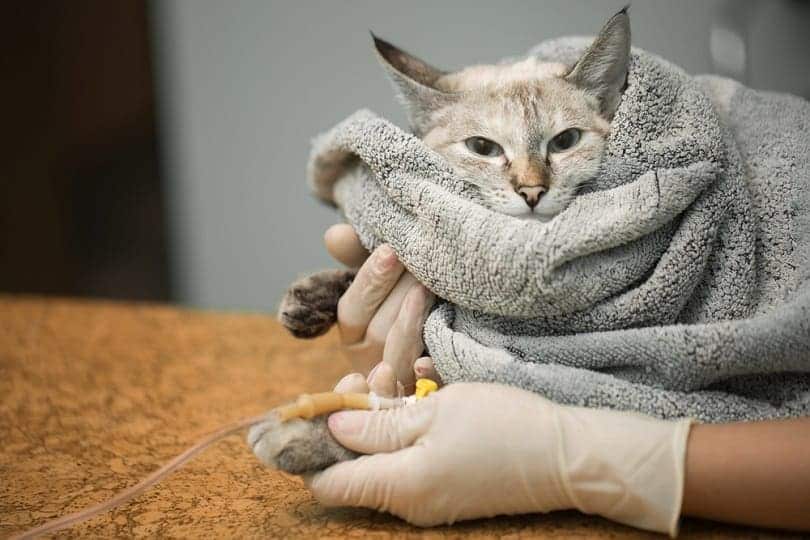
For example, black, sticky poop is caused by bleeding in your cat’s stomach or upper intestine. This can have several causes, but no matter the cause, it warrants a veterinarian check-up. If your cat is suffering from internal bleeding, getting to a vet right away might save your cat’s life. Other changes in color and consistency might indicate illnesses or parasites that you wouldn’t catch otherwise.
Cat Poop Chart

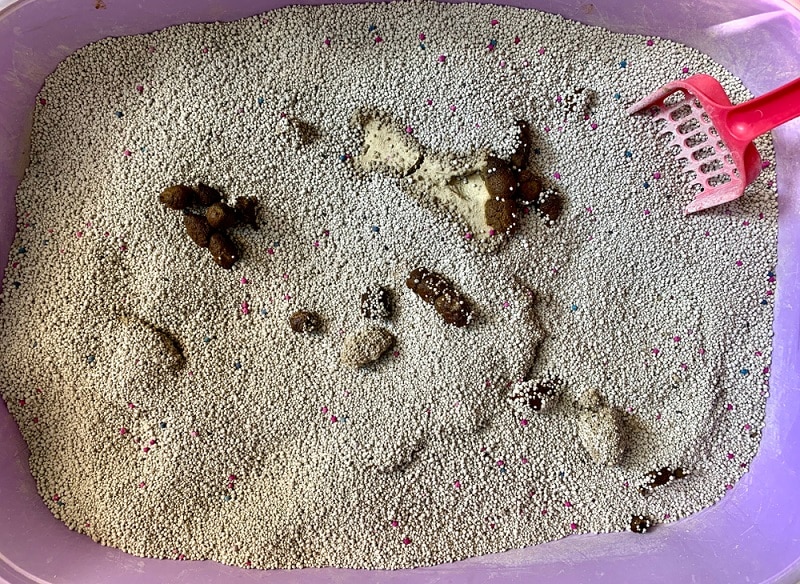
| Brown, sausage-shaped poop | Normal |
| Slightly runny poop | This may indicate mild digestive upset or a change in diet. |
| Watery poop | Diarrhea—contact your vet if it lasts longer than two days or if your cat has other signs. |
| Hard, small balls of feces | Indicates constipation—may be due to dehydration, intestinal blockage, or various illnesses. Contact your vet if it lasts longer than two days or if your cat has other signs. |
| Thin, ribbon-like poop | It can indicate colon issues; you must contact the vet to diagnose. |
| Black, tarry poop | Indicates intestinal bleeding. Contact your vet immediately. |
| Red in poop | May be caused by diet or lower GI tract bleeding. Contact the vet if it happens multiple times. |
| Green or yellow cat poop | May be caused by diet or digestive problems. Contact a vet immediately. |
| Hair in poop | Some hair in poop is normal. |
| White spots in poop | Might indicate tapeworms or other parasites. Schedule a vet appointment. |
| Bowel movements more than twice a day | Can signal gastrointestinal problems; schedule a vet appointment. |
| No bowel movements for 2+ days | Can signal constipation. Contact the vet if it occurs regularly. |

Frequently Asked Questions
When Should I Go to a Vet?
If your cat has odd poop, there might be something wrong, but it is hard to know if you have to go to a vet right away. You should make an urgent vet trip if your cat has black, sticky poop that looks like tar. It is a sign that your cat is suffering from internal bleeding in their stomach or upper intestines, which could be life-threatening.
If your cat’s poop suddenly changes to yellow or green and they haven't ingested anything different, it can also be worth a call to the vet. Finally, if your cat has other signs, such as lethargy, shaking, or difficulty breathing, along with odd poop, there might be something wrong.
It probably isn't an emergency if your cat experiences constipation or diarrhea. It might be a sign of a mild stomach upset that will resolve itself within two days. However, if any changes in poop last for longer than two days, it’s best to call a vet and schedule an appointment in case it is a sign of a more serious problem.
How Often Should I Clean My Litter Box?
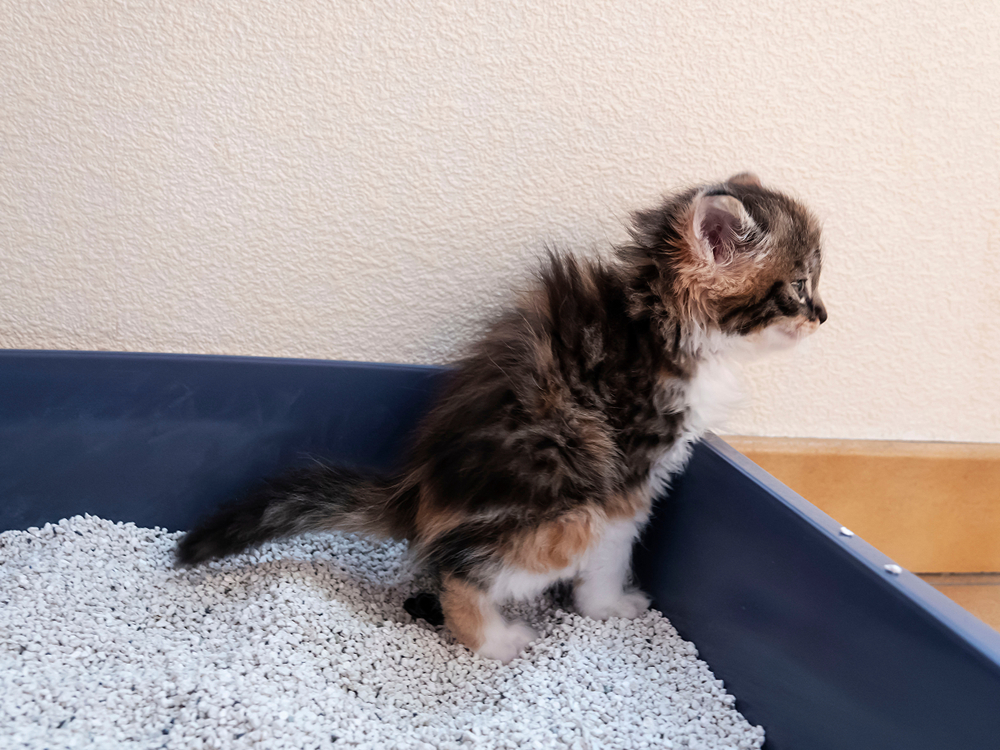
When it comes to litter box cleaning, more is better. Scooping out your litter box daily will help you catch problems quickly and keep the box from getting too stinky. If the box is someplace you pass regularly, get into the habit of checking it whenever you pass by. Get rid of any clumps of litter and any poop left in the box.
You’ll also want to change out the litter entirely. We recommend changing it every two to three weeks in a single-cat household and more regularly if you own multiple cats.
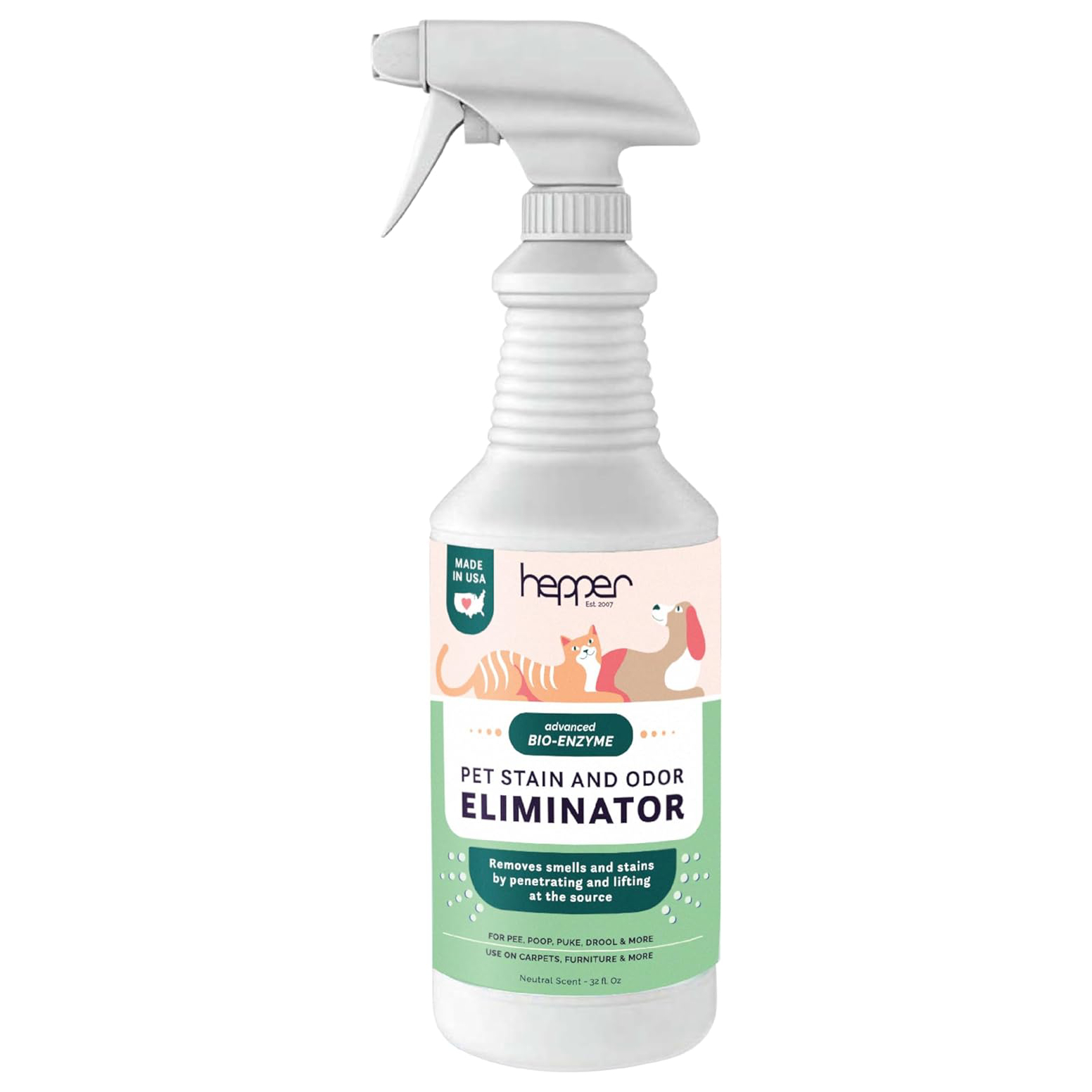
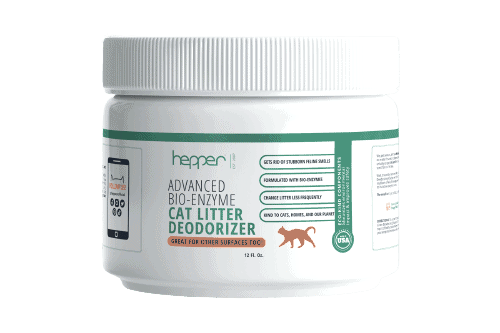
Cleaning up after our pets is not the most enjoyable part of owning them. Despite keeping a clean litterbox, cat odors and stains may still exist around the house. Sometimes, even the best litter box setup needs extra help. If you're tired of dealing with bad smells from litter boxes, Hepper Advanced Bio-Enzyme Pet Stain & Odor Eliminator Spray can help with the worst pet stains and smells. Additionally, the Advanced Bio-Enzyme Cat Litter Deodorizer neutralizes odors upon contact.
Our Favorite Products
| Image | Product | Details | |
|---|---|---|---|
|
Hepper Advanced Bio-Enzyme Pet Stain & Odor Eliminator Spray |
|
Check Price |
|
Advanced Bio-Enzyme Cat Litter Deodorizer |
|
Check Price |
At Catster, we’ve admired Hepper for many years and decided to take a controlling ownership interest so that we could benefit from the outstanding designs of this cool cat company!
How Many Litter Boxes Do I Need?
Some cats are pickier than others, but if your cat has frequent accidents outside the litter box, it’s possible that you aren’t giving them enough space or removing deposits frequently enough.
Sometimes, one cat will be happy with only one litter box, while others might prefer two. If you have multiple cats, the best rule of thumb is to have one more litter box than the number of cats you have. This will give your cats plenty of space to do their business.
What Should I Do to Help My Cat?
Although you shouldn’t try to treat problems yourself, the proper diet and hydration will help your cat stay healthy. Your vet can help make recommendations and check for physical problems. Proper nutrition is key to cat food. If your cat occasionally has loose stools or constipation, a change of food might be a good idea. Always change your cat’s food gradually; start by giving your cat 75% old food to 25% new, then half and half, and so on. Look for cat foods with plenty of protein, high fiber content, and healthy whole grains.
Some brands are marketed toward “sensitive stomach” cats. Occasionally, cats will have special dietary needs, such as allergies or intolerances that might cause reactions to one brand of food but not another. Along with nutritious food, make sure your cat has access to fresh, clean water. If you notice hard, dry poop, check if your cat is drinking enough water.


Final Thoughts
It’s not the most glamorous job, but dealing with poop is a crucial part of pet ownership. Whether your pet’s feces is runny, clumpy, or oddly colored, noticing any change might save your cat’s life. Some types of poop indicate your cat is having minor problems, and others can alert you to serious problems. So next time you clean the litter box, take a look; by comparing what you see with our cat poop chart, you’re demonstrating your love in a way that few pet owners will.
You might also like:
Sources
Featured Image Credit: Lightspruch, Shuttterstock

Expert cat care, straight to your inbox
Vet-reviewed advice, behavior tips, and the best of Catster. Free, and you can unsubscribe anytime.
By signing up, you agree to our Terms & Conditions and Privacy & Cookies Policy.
Chelsea Flake Mortensen is a writer with a passion for cats. Growing up, she spent quite a bit of time around cats, along with a variety of other interesting pets. Chelsea holds a BA in English and Creative Writing from Brigham Young University.
Join the conversation
Ask a question, share your story, or send private feedback.