Do Cats Poop Out of Spite? Vet-Verified Reasons & Feline Behavior Explained


In this article
If you’ve lived with cats for a while, you may have wondered if they do things out of spite when they’re upset. It can sometimes seem like they’re making a statement, especially when their behavior rapidly changes. If your cat is suddenly straying from their usual bathroom routine or location, it’s likely a form of communication. However, their actions aren’t driven by spite. Let’s explore the real reasons behind this behavior.

Cats Naturally Want to Cover Waste
Cats are clean creatures. If you’ve ever watched a cat’s behavior, they are always self-grooming their paws, coats, and private parts, the whole kitten kaboodle. They care very much about hygiene.
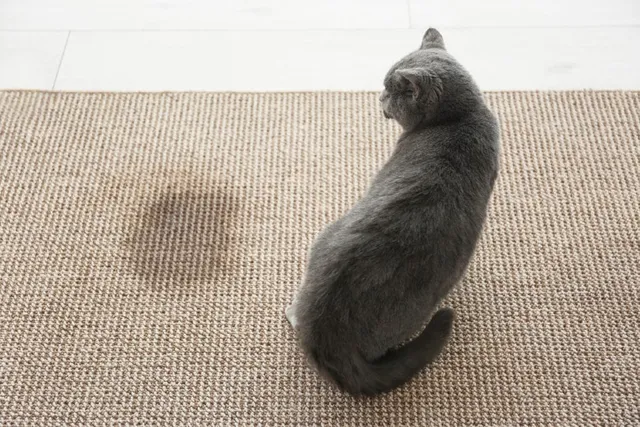
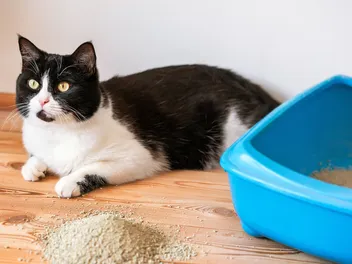
So, if your cat is pooping outside of the litter box, it’s highly likely that it has more to do with another problem. Instinctually, cats want to cover up their waste. If they poop on the floor, they cannot do that, making it an undesirable place for them to do their business.

Why Cats Poop Outside the Litter Box
If you take them to the vet, the team will want to know more about what’s happening at home. They’re going to go over any changes that might’ve occurred, such as bringing home a baby or adding a new pet to the family.
They will also do a thorough physical exam, poop analysis, and maybe other tests. Suddenly pooping outside the litter box is just as likely to be a medical issue as a behavioral one.
Here are some possibilities to consider but we recommend that you contact a veterinarian if you are concerned with any changes in your cat's toileting behavior.
Sudden Changes in the Home
Sudden changes in the home can have dramatic effects on your cat’s behavior. Every cat adjusts differently to variations in their routine. Some of them take no time whatsoever to familiarize themselves with something new. On the other hand, some are creatures of habit that accept change very slowly.
And some don’t accept change at all. There are several things that could cause an environmental upheaval, such as moving apartments or houses. You might also be introducing another pet into the home.
Even the introduction of a new family member, like a baby or a roommate, could cause sudden behavioral changes as your cat grows to understand the environmental changes.

Undiagnosed Mobility Issues
Your cat might be experiencing mobility issues. As your cat ages, it can be easy to lose sight of the fact that they are declining. Joint issues can make getting in and out of a litter box very painful for your cats.
In a moment of necessity, they may be eliminated outside of their litter box because they can’t get in comfortably anymore. In this case, you probably will notice that they go to the bathroom relatively close to their litter box.
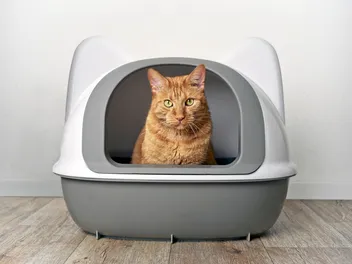
Arthritis is the most common joint condition that can make it painful for them to get in and out of the litter box now. If your cat starts eliminating outside of the litter box, you might try to get a litter box with a lower entry point.
Eliminating outside of the litter box won’t be the only thing you notice when your cat starts developing mobility issues. You might notice that they are sluggish or lazier than normal due to it being painful to move. They might also swat, cry, hiss, or wince when you touch certain parts of their body.
If you feel like your cat might be developing a joint issue that is preventing them from living their everyday life, make an appointment with your veterinarian right away. For the most part, these issues are manageable, so you’re able to give your cat a good quality of life.
Gastrointestinal Problems
Gastrointestinal issues are not all that uncommon in cats. Plenty of cats suffer from issues that affect these aspects of their system. If your cat is developing a long-term illness or momentary infection, it could definitely cause elimination outside of the litter box.
However, when the issue is treated, this situation is likely to be resolved. While there are several stomach and intestinal issues that your cat could face, only certain ones would cause them to go to the bathroom out of their box.
Some examples of gastrointestinal issues for cats include:
A vet can do the proper blood work or imaging to get a better idea about what might be going on inside your cat’s body.

Parasites
If your cat has a parasitic issue, such as intestinal worms, it can cause a momentary loss of control of bowel movements. You might also see worm segments or live worms in their feces, depending on what kind of worms they have.
Some parasitic infections are not visible in feces, so this is not a surefire way to tell. But proper diagnosis is incredibly crucial because parasites in your cat’s system rob them of their necessary nutrients and can severely weaken your cat’s health.
Many times, having a parasitic issue is a silent problem. You might not notice any direct signs, however, signs of a parasitic infection also include:
- Dry, lackluster coat
- Vomiting
- Diarrhea
- Weight loss
You should contact a veterinarian to help you pick a high-quality dewormer to take care of the issue.
Litter Box Hygiene
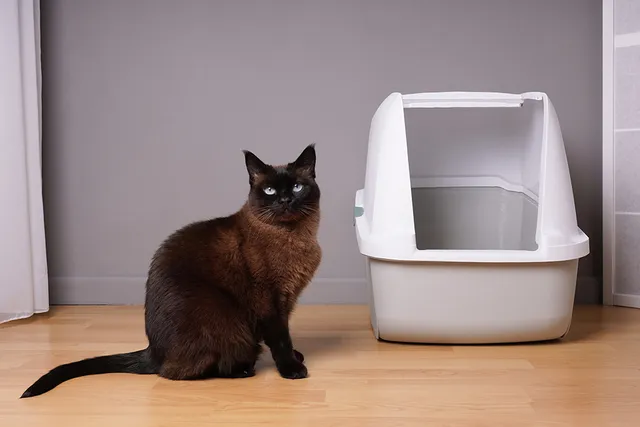
If any litter box changes have happened, this could cause your cat to go to the bathroom outside of their litter box. A litter box disruption would include moving the litter box to another location or having too many cats use the same box.
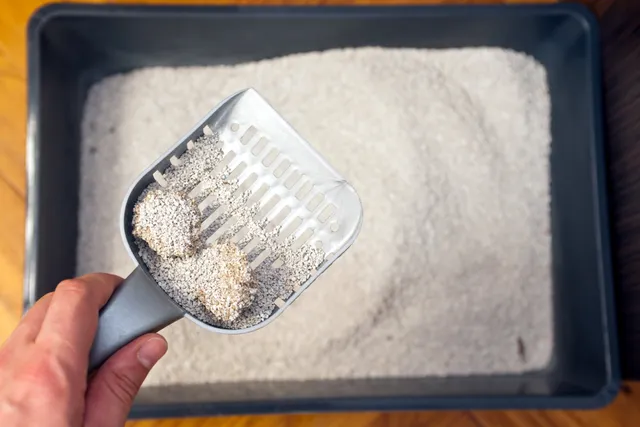
Cats are incredibly clean animals, and they like their living spaces to be sanitary. If they are visiting the litter box and it becomes too dirty in between scooping, they might resort to going outside of the box. This is not a behavior of protest but rather a sign of discomfort with their litter box hygiene.
It’s also possible that if you have a litter that sticks to your cat's paws, they might not like to stand on it. If they do not like the texture, smell, or coverage of the litter, they might look for a place to go in the home.
Cats can be quite particular; all owners know this. So, if you have recently changed litters and the texture of the granules is drastically different, switch back to a similar or the same brand you were using previously to see if the issue resolves itself.
In the future, you may have to accommodate your cat by getting a litter that they find satisfactory.

Fear or Stress
You might not even recognize signs of fear and your cat. It’s not always so detectable, especially if you aren’t paying attention. If there is a litter box near something that is unfamiliar or frightening to them, it might prevent them from going.
It might be that a newcomer is staying in a room very close to their litter box, or you have the vacuum cleaner sitting next to it. Whatever it might be, an object or person might be driving your cat away from doing their business in the right spot.
Also, realistically, there might be issues that you don’t recognize at first glance. What sparks anxiety for your cat might seem like normal everyday stuff to you.If your cat is anxious, you will notice this affecting them in many areas of their life. Anxious cats tend to be very skittish, spooking with very little provocation.
They also might be moody and sensitive to when and how they interact within the home. If this anxiety issue is affecting their bathroom habits, it’s time to get the problem under control so everything can go back to normal, and your cat can feel that way, too.
Dietary Changes
Sometimes, changes in bowel habits can occur if your cat ate something that didn’t agree with their stomach.
Cats with sensitive stomachs are sometimes incredibly reactive to certain ingredients and commercial pet foods. This could compel a dietary change that needs to be addressed.
There are plenty of commercial recipes designed to soothe your cat's sensitive stomach, so don’t worry about finding products to match your cat’s needs. However, it is essential to uproot why your cat reacts badly to their food.
However, some underlying causes of diarrhea may be long-term, requiring testing and examination from a veterinarian. Some tests are super simple, and others might be a little bit more complicated. If you have any health concerns about your cat, it’s best to get them in for a vet appointment.

Pinpointing the Issue
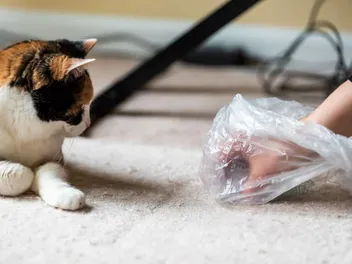
Dealing with issues like laminating outside of the litter box can be pretty challenging for cat owners. If you’re always having to clean up after your cat, it can exhaust you to clean up after bad behavior continuously.
However, solutions are reachable; you just have to gather the right resources. If this is an ongoing problem and you can’t pinpoint an obvious issue, get them to a vet right away.
They can do a few basic tests, such as fecal or blood work, to see if anything else might be going on under the surface.
• You might also like: Do Cats Like Privacy When They Poop? What Do They Prefer?
Conclusion
The bottom line is that your cat doesn’t poop out of spite. It might feel like they are punishing you, especially if laying waste outside of their designated area is happening all the time. But realistically, there’s always an underlying cause, and it isn’t that they are angry with you.
If you’re concerned about your cat or notice any additional symptoms, speak with a vet for further guidance.
Featured Image Credit: NeydtStock, Shutterstock
Expert cat care, straight to your inbox
News, insights, and useful advice, delivered to you.

No spam — unsubscribe anytime.
By signing up, you agree to our Terms & Conditions and Privacy & Cookies Policy.
How useful was this post?
Click a star to rate. You can leave written feedback afterwards. (We read all feedback.)
As a freelance dog writer and passionate pet enthusiast, Ashley Bates is pursuing studies in animal therapy. A mother to four human children and 23 animal companions, Ashley is dedicated to volunteering at shelters, advocating for animal rights, and rescuing animals in need. Her goal is to spread awareness, provide education, and offer entertainment about pets to reduce homelessness. Ashley's specialties include dogs and cats.