Do Cats Have Taste Buds? Vet-Verified Facts & FAQ


In this article
Cats have sharp senses, and their senses of smell, hearing, and vision are incredibly developed. Still, some of their other senses, like the sense of taste, are not as strong.
If you’ve ever wondered if cats have taste buds, the simple answer is yes, cat's have taste buds. Although, they are not nearly as developed as our taste buds. While humans have around 4,000 buds, cats have only around 480 (between 470 and 500), so they cannot taste the same flavors that we can.
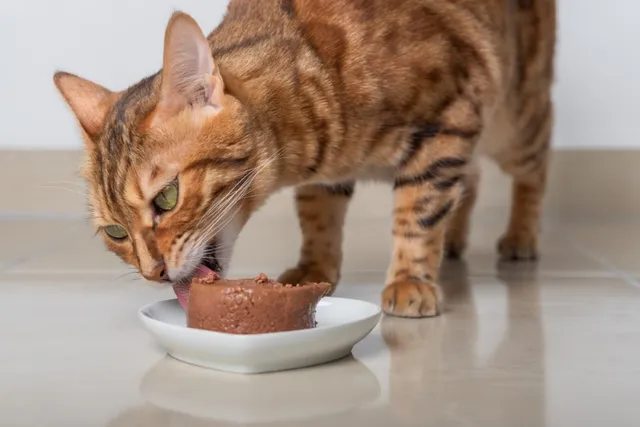
Their taste buds are located on the sides, tip, and rear of the tongue, while the main surface is reserved for tiny barbs. These help cats move their food to the back of the mouth and groom themselves.
We wanted to explain this topic further, so keep reading if you’re interested and want to know more.

Flavors Cats Can Taste

You’re probably wondering—since cats have only around 480 buds—which flavors can they taste? Their taste buds are adapted to their nutrition and dietary needs, so their flavor list is quite narrowed down. Cats can only sense four basic tastes:
- Sour
- Salty
- Bitter
- Umami (meaty or savory)
Cats lack sweetness receptors, so they cannot taste anything sweet. Since they are carnivores, all they need in their nutrition is meat, so it’s not surprising your cat cannot taste something it doesn’t need to eat.
When it comes to other tastes, like bitterness, cats are susceptible to them, which helps them avoid toxins in their environment, which are commonly bitter. Their sensitivity to bitterness can be a sword with two blades since many cats will avoid medication when needed because the drugs taste bitter. There are even products like bitter apple spray people use to stop a cat from chewing and licking wounds, bandaging, furniture, etc.
Flavors Cats Cannot Taste
Scientists have proven that cats cannot experience sweetness the same way humans and dogs can. In a study from 2006, it was shown that cats are not attracted to nor show avoidance of sweet tastes and carbohydrates, but they prefer selected amino acids. The research also showed that they avoid overly sour or bitter tastes.
It turns out that kitties have a defective gene, or pseudogene, that causes the taste receptor for sweetness to be completely absent. This means they can't enjoy sweet things like dogs, or we do, but they don't mind because, to them, it simply doesn't exist.

What Happens if a Cat Eats Sugar?
So, even if cats cannot taste sweetness, you may notice your feline feeling overly interested in eating your pudding or candy. Sugar is not toxic for your furry friend, but it’s still not too good for them, either.
Cats can have a small number of carbohydrates in their diet, but since modern sweeteners and table sugar are not a common thing in their nutrition, cats will have an issue digesting this type of food. If your kitty eats sugar, you may encounter one of these symptoms:
- Diarrhea
- Vomiting
- Discomfort
Depending on how sensitive your cat is, the symptoms can be mild to severe. There is no valid reason to feed sugar to a cat.
If your pet is showing these signs, we suggest you speak to a vet.

What Flavors Do Cats Like the Most?
Cats are not particularly flexible when it comes to food. Commonly, if they taste something they like, that will become their favorite food preference. Not all cats are the same, so your feline and the neighboring cat probably won’t like the same things
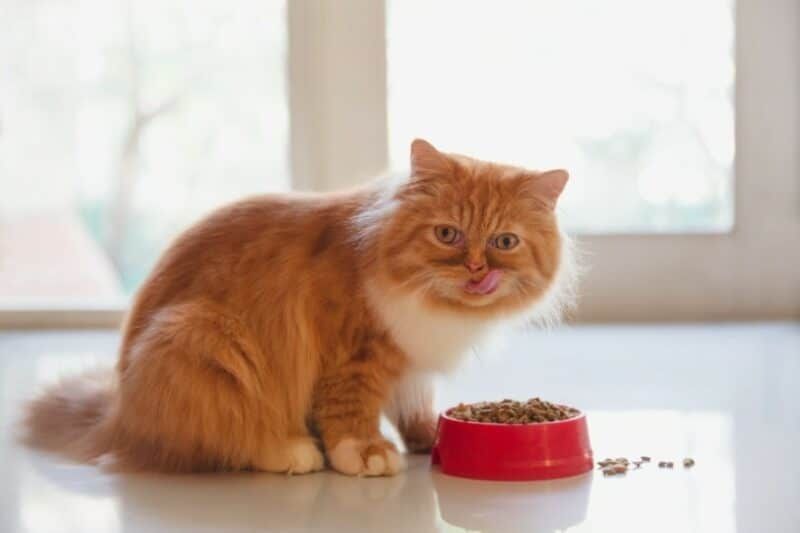
Generally, as long as the food you’re giving to your feline is fresh and high-quality, they should enjoy eating it. Another essential thing that will help your cat determine the flavors it likes is the food texture. Some cats enjoy eating dry food, while others prefer something wet, moist, or pâté style. Ensure that the food that your kitty is getting is rich in proteins and has a pleasant aroma. Also, keep in mind that wild cats depend on the moisture in their diet for hydration, so if you only feed dry food to your cat, please check that they are drinking water.
Another important factor for cats is the food temperature. They commonly prefer warmer food, around 100°F. It seems that the shape of the food also plays a role when a cat is choosing their favorite food.

Feline Food Preferences
Most cats love eating veggies, meat, and fruit. Although not all cats like the same tastes, there are foods that stand out as favorable among cats. Below, you can see foods that, in general, cats do and don’t like.
Foods cats like:
- Tuna
- Salmon
- Chicken
- Ham
- Beef
- Yogurt
- Turkey
- Carrots
- Blueberries

Foods cats don’t like
- Oranges
- Lemon
- Banana
- Tangerine
- Onions avoid it, it is toxic to cats
What if My Cat Has Eaten Something Poisonous?
When your feline eats something poisonous, it’s best to contact your vet immediately. Try to determine the time of the incident and the amount of toxic food your cat ate.
It’s better to be safe than sorry, so if your cat is acting weird or if you know that they ate something that they were not supposed to, check with a professional to ensure that your feline is okay.

Will Cats Eat if They Cannot Smell?
Cats have a sense of smell that is 14 times stronger than the human sense of smell. With their super-sensitive smell, cats can easily be repelled by smells in their surroundings. Cats do need to smell their food before they eat it. If you’re a cat owner, you probably noticed that your kitten doesn’t want to eat something you just took out of the fridge. The reason for that is they cannot sense the smell of the food.
If a cat doesn’t like the smell of the food, it will likely not taste it at all.

Conclusion
As you can see, although cats cannot taste as many flavors as we do, they can be picky eaters. It’s best to test out different flavors and textures with your feline to determine which foods it enjoys eating. Remember to avoid sweets and, instead, offer your cat something meaty that’s high in protein.
See Also:
Sources
Featured Image Credit: Patrick Foto, Shutterstock
Expert cat care, straight to your inbox
News, insights, and useful advice, delivered to you.

No spam — unsubscribe anytime.
By signing up, you agree to our Terms & Conditions and Privacy & Cookies Policy.
How useful was this post?
Click a star to rate. You can leave written feedback afterwards. (We read all feedback.)
Christian started writing for a local newspaper as a teenager, and he's been involved in the publishing industry for most of his adult life. Combining his love of writing with a passion for animals, he is currently the Director of Editorial at Pangolia and the Editor-in-Chief at Catster.
Christian lives in the Philippines with his wife, son, and four rescue cats: Trixie, Chloe, Sparky, and Chopper.