Can Cats Eat Spoiled Meat? Vet-Reviewed Facts & FAQs


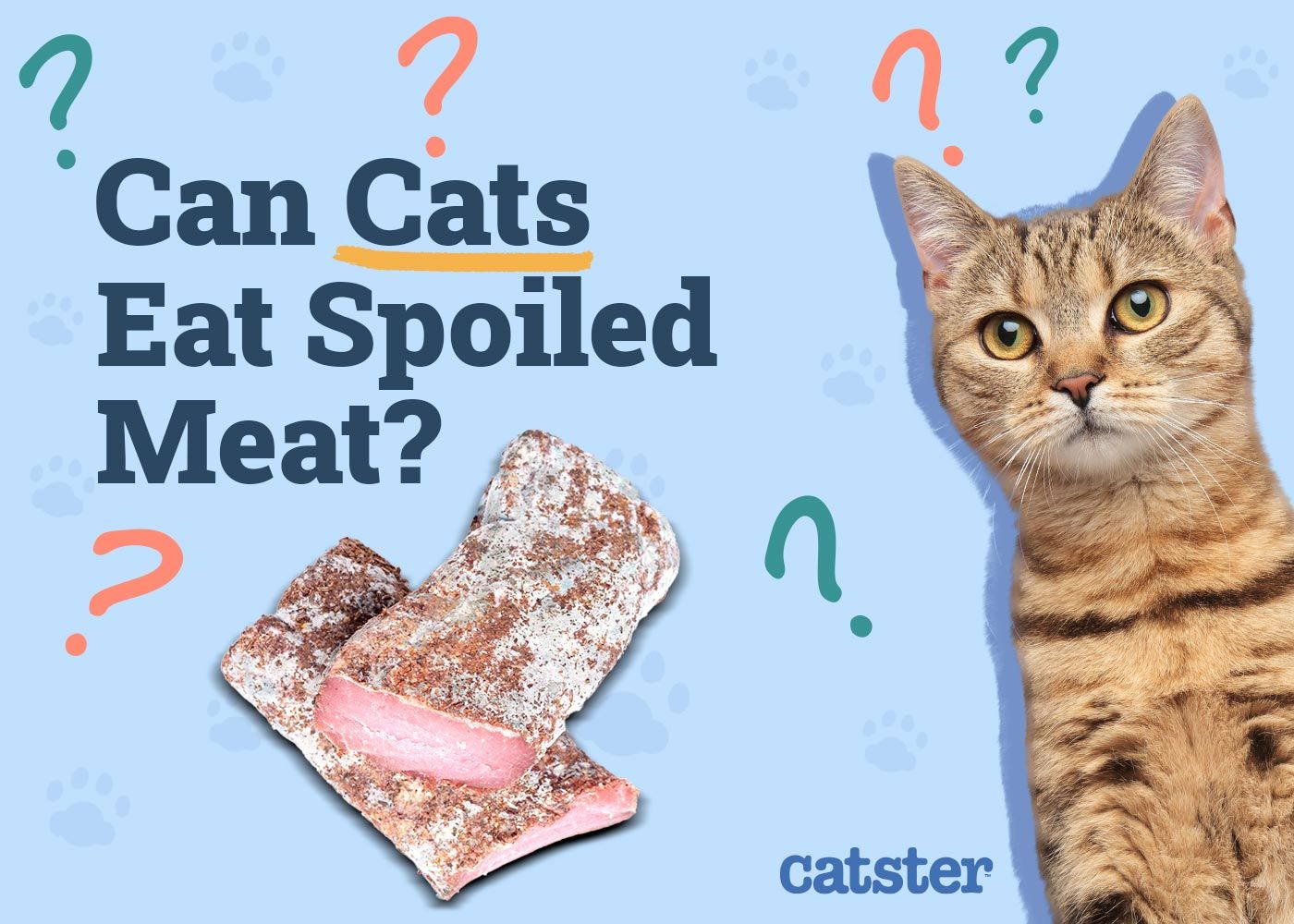
Cats are obligate carnivores and therefore predominantly evolved to eat meat in their diet. Many owners tend to favor feeding high-quality cat food—only to see them snatch not-so-fresh meat out of the garbage. But can cats eat spoiled meat?
No, cats should not eat spoiled meat. They can get sick and are also able to contract serious illness, including food poisoning.
Here, we discuss in further detail why cats can’t eat rotten meat and the signs that you should watch for if they do.

What Can Happen If a Cat Eats Spoiled Meat?
There are varying degrees of spoilage that can lead to varying degrees of illness. Meat becomes rotten due to exposure to temperature change and air, which enables bacterial growth. It typically becomes slimy, changes color, and emits a foul odor. It is dangerous to eat once it reaches this stage because of the harmful bacteria. (However, any amount of bacterial contamination prior to this stage can also be dangerous!)
This is what leads to food poisoning, which can occur after eating spoiled meat but is also possible with raw meat.
1. Food Poisoning
Food poisoning can be quite serious and can make your cat very sick. Food that has gone bad or hasn’t been cooked properly and has come into contact with feces can have organisms such as Salmonella.
Signs of food poisoning can include:
- Nausea
- Vomiting
- Diarrhea (might be bloody)
- Drooling
- Fever
- Lack of appetite
- Lack of energy
- Abdominal pain
You should take your cat to your veterinarian or closest emergency clinic if they start showing any of these signs or you suspect they may have food poisoning.
2. E. coli
A serious health risk from consuming spoiled meat is the possibility of contracting E. coli. While E. coli more commonly affects kittens, adult cats can still become infected.
Signs of infection can include:
- Watery diarrhea
- Vomiting
- Lethargy
- Lack of appetite
- Dehydration
3. Botulism
While botulism is rare, it can result from eating spoiled meat infected with Clostridium botulinum type C performed neurotoxin.
Most cats don’t tend to come down with the more severe effects of botulism and can recover with supportive treatment. However, botulism can lead to difficulty breathing, weakness, and death in severe instances.

4. Parasites
Unsurprisingly, rotten meat can be full of internal parasites like roundworms and toxoplasma. Cats can experience vomiting, diarrhea, and weight loss and pose a risk to other pets and humans.
5. Mold
If the spoiled meat has had time to become moldy and if the cat ingests it, it can lead to mold poisoning. This can lead to digestive upset, including vomiting, stool changes, and a lack of appetite.

How to Prevent Your Cat From Eating Spoiled Meat
If your cat is prone to sneaking into the garbage (or however else they are finding the spoiled meat), you should take steps to secure your trash. Even if this means purchasing a new garbage can with a lock that makes it “childproof,” it’s worth it for your cat’s safety.
Ensure that you are safely storing and disposing of food items, especially meats, and figure out how your cat could find access to rotten food so you can take preventative steps.
When Should You See Your Veterinarian?
Since there are many different potential outcomes from various sources and some of the causes can have severe repercussions, it’s always best to speak to your vet the moment that you realize that your cat has eaten rotten meat. It might require an immediate visit, or they might instruct you on your next steps, which will likely include keeping an eye on your cat for the next 48 hours.
Since eating spoiled meat can lead to vomiting and diarrhea, dehydration can be a serious concern, and your cat may need rehydration through IV fluids. Your vet might also want to run blood and other diagnostic tests for conditions that might have resulted from eating the contaminated meat. Catching any serious problems early will give your cat a better prognosis. Further, treating your cat is important as many of these foodborne illnesses can also make humans sick.

Frequently Asked Questions
Will Cats Eat Spoiled Meat?
Most cats aren’t likely to eat spoiled meat. They are prone to being picky about what they eat in general, and cats also have an excellent sense of smell. Combine these two traits, and you have an animal that generally won’t be interested in eating spoiled meat.
That said, some cats might wolf it down, particularly if they are very hungry. It’s best to keep it out of their way and not risk it.
Is It Okay to Feed Meat to Your Cat Just a Few Days After the Expiration Date?
Generally, no. If you wouldn’t eat it, neither should your cat.
Further, many human foods contain ingredients that are toxic to cats, such as garlic, onions, and anything else in the onion family like chives and shallots. It’s best to stick with cat food—the fresher, the better.
Can Wet Cat Food Spoil?
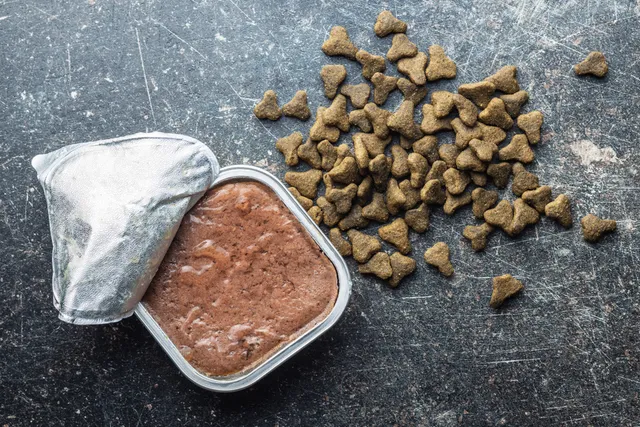
Absolutely! Wet food should come with an expiration date on the container, so check before feeding.
When Does Wet Cat Food Go Bad?
If the food is sitting out in your cat’s bowl or you’ve left it on the counter, it should be removed after a couple of hours. Clean the food bowl with soap and hot water before filling it again.
You’ll need to refrigerate any opened wet food, and you can warm it up in the microwave before feeding it to your cat again. Opened wet food should be refrigerated for no more than a day or two, and then it should be tossed.

Conclusion
Cats should not eat carrion. Rotten meat is just as dangerous to our cats as it is to us. A good rule of thumb is to not give it to our pets if we wouldn’t eat it ourselves.
Spoiled meat is also more dangerous for kittens and senior cats. If your cat already has a health condition, that can make them more vulnerable to health problems stemming from the bad meat.
Speak to your vet if you’re at all concerned about your cat’s health, and remember that table scraps and any meat past its prime should not be given to cats.
Sources
https://australian.museum/learn/species-identification/ask-an-expert/what-is-a-carnivore/
https://www.smithfieldanimals.com/articles/general/686447-can-pets-get-food-poisoning
https://www.petmd.com/cat/conditions/digestive/c_ct_salmonellosis
https://www.petmd.com/cat/conditions/neurological/c_ct_botulism
https://www.petmd.com/cat/conditions/digestive/c_ct_e_coli_infection
https://vcacanada.com/know-your-pet/internal-parasites-in-cats
https://www.petmd.com/dog/slideshows/mold-poisoning-pets-causes-symptoms-and-treatment
Featured Image Credit: Montholz, Shutterstock
Expert cat care, straight to your inbox
News, insights, and useful advice, delivered to you.

No spam — unsubscribe anytime.
By signing up, you agree to our Terms & Conditions and Privacy & Cookies Policy.
How useful was this post?
Click a star to rate. You can leave written feedback afterwards. (We read all feedback.)
Kathryn was a librarian in a previous lifetime and is currently a pet writer. When she was a child, she hoped to work in ZOOs or with wildlife in some way, thanks to her all-consuming love for animals. Sadly, she's not strong in the sciences, so she fills her days with researching and writing about all kinds of animals and spends time playing with her adorable but very naughty tabby cat, Bella. Kathryn is hoping to add to her family in the near future – maybe another cat and a dog.