I Just Adopted a Cat and They Won't Stop Meowing: Vet-Reviewed Causes & Advice


In this article
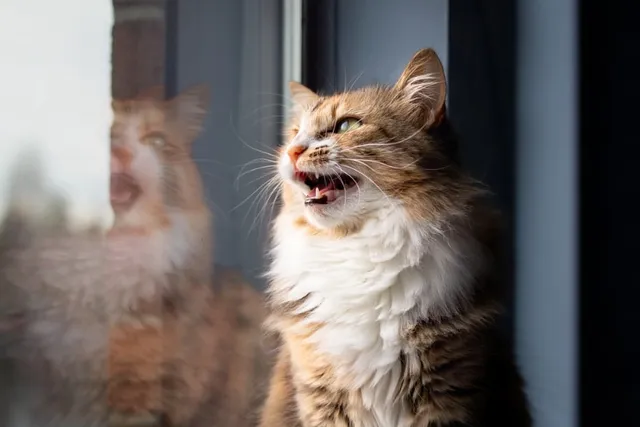
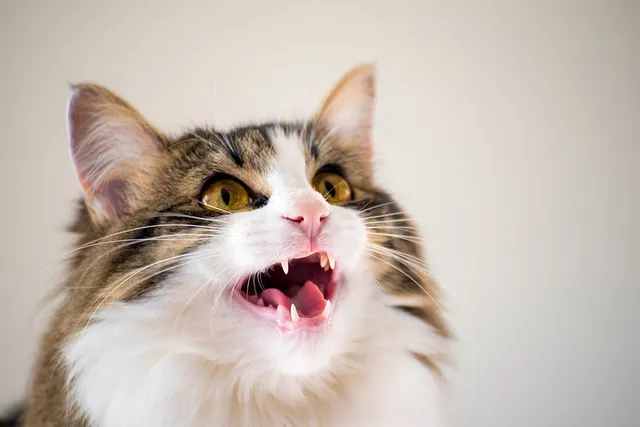
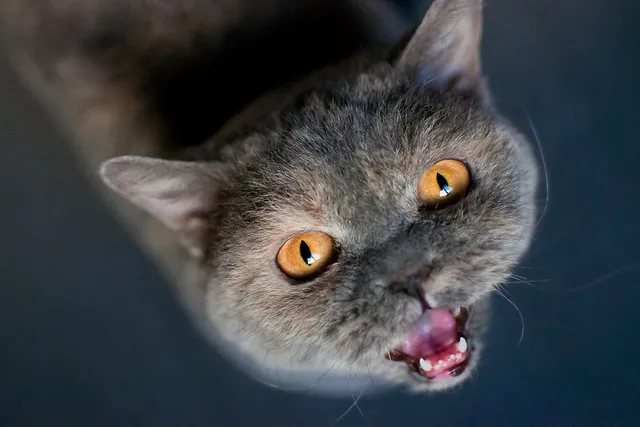
You want a new family member that will always comfort you in your ups and downs, but adopting a cat can be an overwhelming experience. Sometimes, your new cat will meow all night long, leaving you frustrated about what to do next.
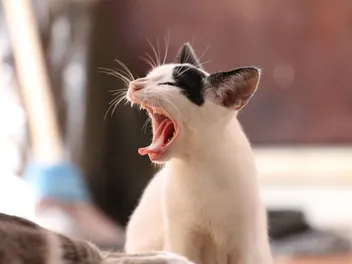
It’s normal for a newly adopted cat to meow for different reasons. For example, they may find it hard to adjust to a new environment, need attention, want something to eat, or have health issues.
Constant meowing typically stops as the cat becomes accustomed to their new environment. However, if your furry friend seems to meow for a long time, you must take them to a vet as soon as possible.
There is much to learn about your newly adopted cat if you wish to stop their meowing. Read on to discover everything about this behavior of your new family member.

Why Do Adopted Cats Meow Constantly?
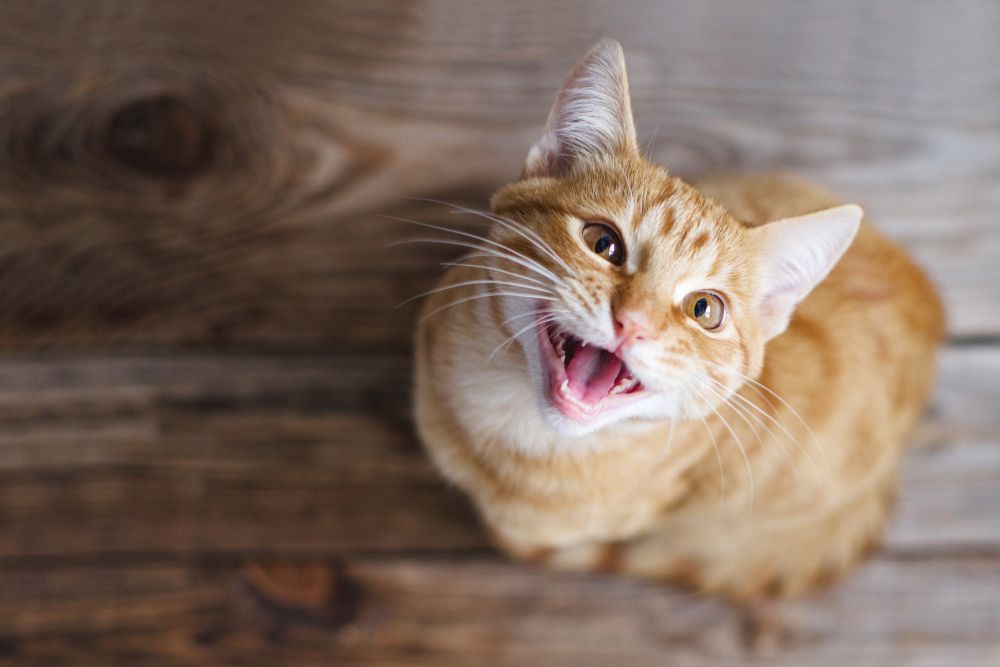
Cats communicate their feelings and emotions with vocalization and physical behavior. Meowing is the cat’s general way of conveying its needs for different things, including water, food, toys, or their owner’s attention.
Here are some common reasons your adopted cat won’t stop meowing:
1. Trying to Adjust to a New Environment
Cats meow continuously when trying to settle into a new environment. They do it when feeling lonely and scared of unfamiliar people and surroundings. Like humans, cats also need a significant amount of time to fit into a new home and become accustomed to this change.
So, if you find that your cat meows all night, know that they are just trying to adjust to their new home. In fact, cats are super sensitive, so they don’t like changes in their routine. It puts them in discomfort.
It’s also believed that young cats meow more than adults, particularly those newly taken from their litters. They try to communicate with their missing family members through meowing.

2. Calling for Your Attention
Cats vocalize to grab their owner’s attention. Newly adopted cats require more care to adjust to their new surroundings quickly. When you leave them alone, they tend to meow continuously to get your attention. So, the best way to stop your cat from meowing is to be attentive around them and play with them more often.
3. Being Hungry
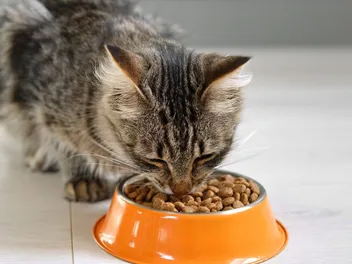
Hungry cats frequently meow to tell their owners it's time for feeding. It’s possible that they only meow when you enter the kitchen or go near their food. If that is the case, your cat is likely meowing to ask for something to eat.
Some hungry cats also meow to order their owners to stand up and make food. When you serve them their meal, they instantly become quiet and get busy eating their favorite food.

4. Asking for Admission
Cats also meow to ask their owners to enter or exit any place. Since these furry animals are independent, they don’t like to stay confined in a particular space. They love exploring new things with their curious minds.
If your cat meows frequently, it is probably normal, as they are just trying to adjust to new surroundings. Of course, there is no other way for cats to communicate with humans other than meowing. So, consider their meowing as permission to enter or exit a room.
Remember, the intensity of meowing varies from breed to breed. This means your cat may meow more than your friend's pet, so don’t panic if this happens.
5. Feeling Anxious
Cats also meow when they are stressed or afraid. Many factors make a cat anxious, such as moving into a different house, living in another bed, or having new owners. All these things put the cat under tremendous stress, forcing the animal to express their fears through continuous meowing. All they want is your reassurance and to feel safe!
Your cat can also become stressed when left alone for more extended periods. They instantly get bored and want something to channel their energy out. When cats don’t find something for their mental stimulation, they become uncomfortable and highly vocal.
Restlessness also makes your cat meow continuously. So, while they are independent, they need something to stay occupied.
Those caring for anxious cats understand the struggles and discomfort that their companions feel on a daily basis. The innovative bowl shape of the Hepper Nest Bed provides nervous pets with support and its high sides offer a sense of security, diminishing stress and worry. To learn about how to the Hepper Nest can provide solace to your cat, click here.

- COMFY KITTY - Your cat or kitten will have an amazingly deep sleep in this self warming, nesting cat bed. The warm, fluffy cat bed lining provides calming stress relief for cats of all ages.
- PRETTY HOME - This round cat bed has a modern and unique design that’s perfect for a sleek indoor look. We don’t think of it as cat furniture but think of the Cat Nest as a “cat home”.
- SPACE SAVER - Reclaim your desk, window sill, or couch from kitten encroachment. This calming nest cat bed has an elevated, space-saving hideout so comfortable your kitty can't resist!
At Catster, we’ve admired Hepper for many years and decided to take a controlling ownership interest so that we could benefit from the outstanding designs of this cool cat company!
6. Being Ready for Mating
Meowing is common in unspayed cats, especially during mating season. Like many other living beings, cats have sexual desires when they become adults. Unneutered or unspayed cats yowl or meow to attract males.
If you don’t want your cat to reproduce, you can neuter them to manage this behavior. It's not only birth control, but spaying your cat also makes their life a lot healthier. Your cat will automatically stop yowling or meowing at night too, giving you peace of mind.
7. Needing Medical Attention
Sometimes, constant meowing doesn't mean the cat needs food or feels lonely. Instead, cats also meow frequently when they are in pain or discomfort due to serious health issues. Unfortunately, cats are susceptible to multiple problems as they grow older.
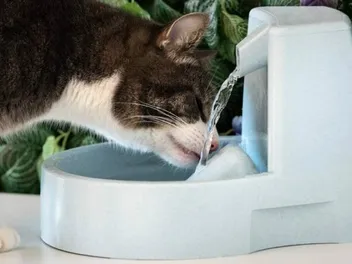
Common health conditions in cats include hyperthyroidism, eye injuries, and kidney diseases. All these issues affect cats from a very young age, making them meow all night. In bowel-related conditions, cats become super thirsty. When they don't get enough water, they meow excessively.
If you struggle to find the root cause of your cat's constant meowing, take them to a vet as soon as possible. The professional will run several tests to diagnose any underlying health issues in your cat. If you are unsure if a vet visit is necessary, you can talk to a vet online for guidance on the best course of action.
How to Stop Your Cat From Meowing All the Time
Some cats are more vocal than others. For instance, if you have a Siamese cat, they will likely meow more than a Persian. So, you may experience your cat meowing more frequently than your neighbor’s cat.
As a pet owner, you must know when your cat needs your attention and when they're angry or happy. The key is identifying the difference in the pitch of your cat’s meowing. Here are practical ways you can try to stop your cat from meowing all the time.
1. Don’t Pay Attention to Your Cat’s Constant Meowing
You can stop your cat from meowing excessively by showing them that you are displeased by this behavior. Don't reward your cat whenever you find them meowing. You can also try not to play with them or provide them with food until they become silent.
Repeat this response every time you find your cat meowing. Remember, this method will only work for some cats since the reason behind excessive meowing varies from individual to individual. So, if your cat doesn’t become quiet, you should try other methods.

2. Take Care of Your Cat’s Needs
You should take some time in your day and ensure that you have met your cat's basic needs. This includes providing them with on-time meals, clean water, a comfortable place to sit, playtime, and enough appreciation.
Some cats also need interactive toys to stay active. You should also put a clean little box near your cat's living area. If you still find your cat meowing excessively, move on to the next method.
3. Don’t Change Your Cat’s Routine
Cats don’t like sudden changes in their daily routine. But if a change is inevitable, you should try calming your cat down with lots of mental and physical exercises. Never suddenly change your cat’s routine, or it may provoke them to act unusually.
However, your cat may take a few weeks to completely adapt to this new change. So, focus on your cat’s unique surroundings and see if a rat or a stray cat annoys your pet. If so, get rid of them as soon as possible before your cat starts meowing.

4. Provide Enough Stimulation
Cats love to hunt in the morning and evening because they are super energetic during these hours. This is also the case with indoor cats. Like outdoor cats, they also want to channel their energy into exercising and playing.
Therefore, you can use interactive toys and food cubes to motivate your cat to play. You can also use catnip to keep them stimulated throughout the day. This way, they don't get bored enough to think about meowing.
Looking for toys that will cater to the many needs of your cat? The Hepper Hi-lo Cat Scratcher is one of our favorite cat products, and it will encourage your cat to get active. Its clever three-angle design offers multiple ways for your cat to climb, stretch, and exercise. Made of a sturdy plywood base and a replacement cardboard insert, this scratcher is an option that cats can enjoy for years to come. If your cat requires a little encouragement for self-play, the Hepper Catnip Mice Toy Set is a fantastic choice for their instinctual needs. Made with natural, bite-resistant hessian fabric and filled with organic catnip. Cats can satisfy their natural prey instincts while getting the physical activity they need to thrive.
| Image | Product | Details | |
|---|---|---|---|

|
Hepper Hi-Lo Cat Scratcher |
|
Check Price |

|
Hepper Catnip Mice Toy Set |
|
Check Price |
At Catster, we've admired Hepper for many years, and decided to take a controlling ownership interest so that we could benefit from the outstanding designs of this cool cat company!
Conclusion
Meowing is normal for a newly adopted cat. Some cats meow excessively to show their stress and fears, while others do so just because they're hungry. Generally, frequent meowing means that the cat is trying to adjust to the new environment.
However, this behavior can also mean the cat is in pain or discomfort. So, if your furry friend keeps meowing even after implementing the above methods, take them to a vet as soon as possible. Remember, early intervention from a professional is better for your cat’s health.
Featured Image Credit: savitskaya iryna, Shutterstock
Expert cat care, straight to your inbox
News, insights, and useful advice, delivered to you.

No spam — unsubscribe anytime.
By signing up, you agree to our Terms & Conditions and Privacy & Cookies Policy.
How useful was this post?
Click a star to rate. You can leave written feedback afterwards. (We read all feedback.)
Christian started writing for a local newspaper as a teenager, and he's been involved in the publishing industry for most of his adult life. Combining his love of writing with a passion for animals, he is currently the Director of Editorial at Pangolia and the Editor-in-Chief at Catster.
Christian lives in the Philippines with his wife, son, and four rescue cats: Trixie, Chloe, Sparky, and Chopper.