Can Cats Eat Mealworms? Vet-Reviewed Diet Facts & FAQ


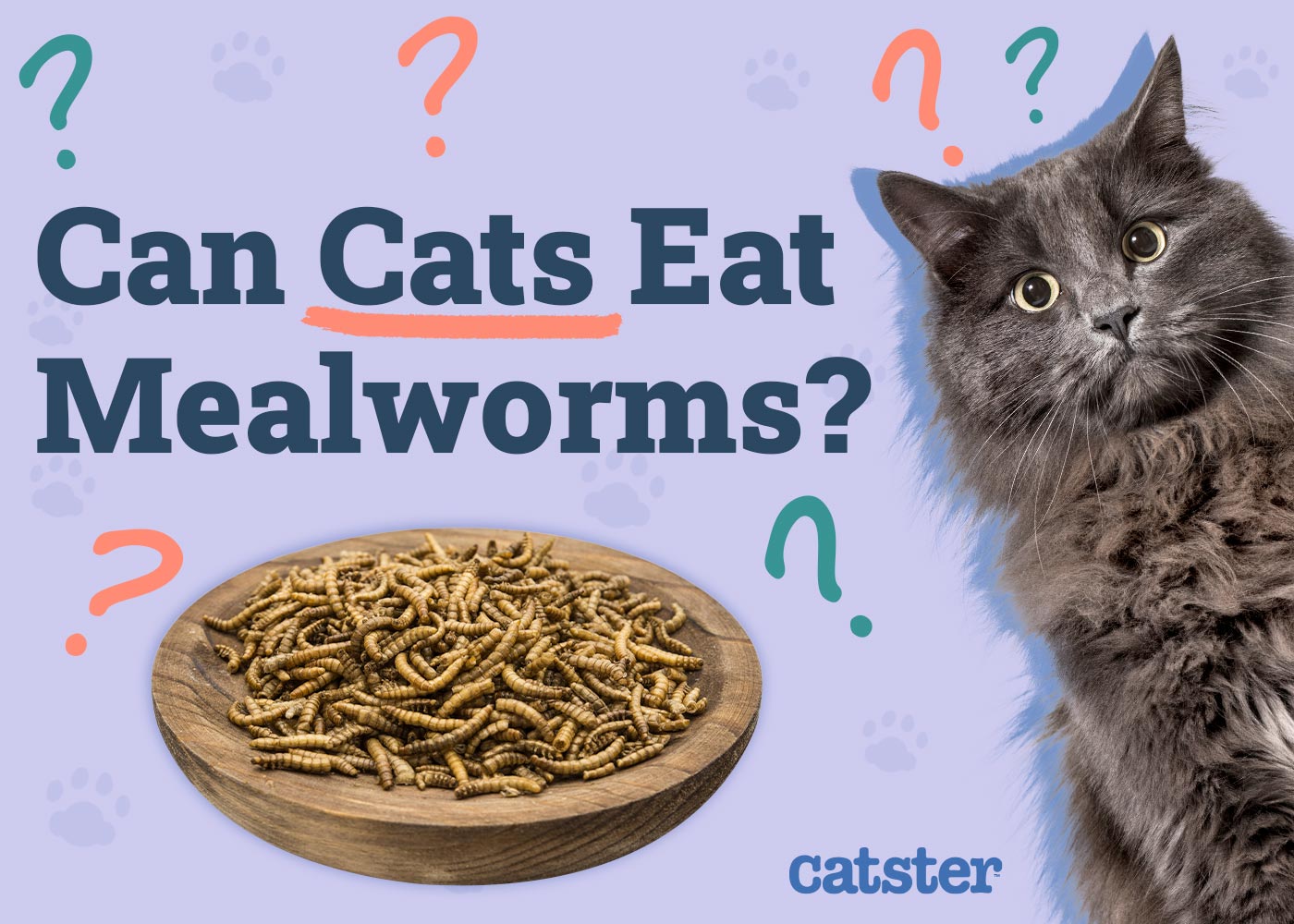
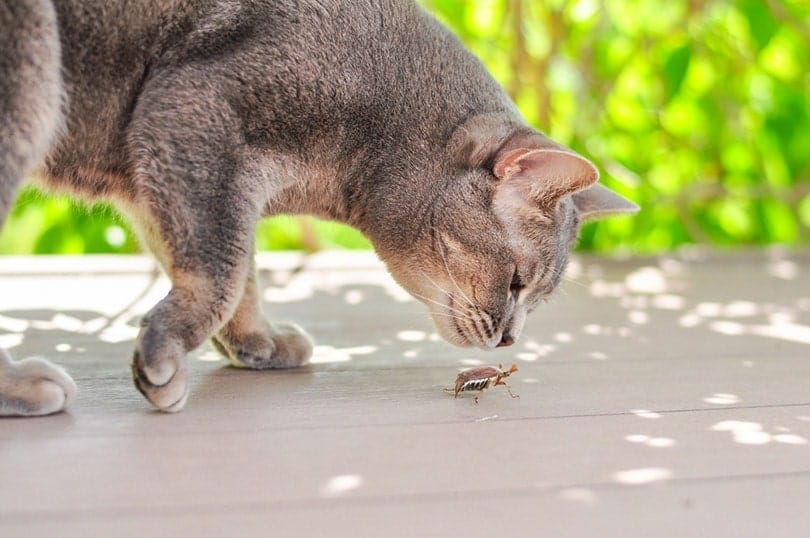
You’ve probably seen your cat trying to catch a bug before and maybe even eating one. A few insects may cause your cat to gag, but others generally cause no problems at all. And if you have other pets that eat insects, such as crickets and mealworms, then your cat may be tempted to eat those, too. But should you let them?
Maybe your cat’s already ingested one, and you’re concerned, or maybe you’re just wondering if you can feed your cat a mealworm as a tasty snack. In either case, it’s perfectly fine if your cat eats freeze-dried mealworms, but not live. Continue reading to learn about why mealworms are safe for cats to eat in moderation and may even be healthy for them.

What Are Mealworms?
If you have a pet bird, lizard, turtle, or another animal that eats insects, then you probably know what mealworms are and feed them to your pet on a regular basis.
You’ll notice that we referred to mealworms as insects, which worms are not. That’s because mealworms are not worms, they’re insect larvae. More specifically, mealworms are the larvae of the darkling beetle, which is an insect.
Insects can carry parasites, including mealworms. But commercially freeze-dried mealworms don’t typically contain parasites since they are dead, thus killing any parasites as well. That’s why it’s safe for your cats to eat some mealworms, as long as they are the freeze-dried kind.

Do Cats Like Mealworms?
Cats eat things for one of two reasons. The first and most obvious reason is that they like the way it tastes or smells. The second reason is that they may not know what something is, and eating it is their way of exploring it.
So, do cats actually like mealworms, or are they just tasting them because they don’t know what they are? As it turns out, some cats do like eating mealworms, while others may not care for them at all. Every cat has his or her own tastes and food preferences, so what one cat likes, another may not like. They do have a high source of protein, which cats thrive on.
If your cat hasn’t tried mealworms, it is okay for you to let him try one just to see if he does. If it turns out your cat does like them, mealworms can be given as a tasty (and affordable) snack or treat.
Are Mealworms Healthy for Cats?
Mealworms are more appropriate for cats than some other foods because they are high in protein. Mealworms can contain a minimum of 45%–55% protein and protein is the most important nutrient that cats need to stay healthy. Proteins support a healthy coat, skin, claws, whiskers, cartilage, ligaments, and more in your cat’s body.
Cats are also obligate carnivores, which means that 70% of their diet needs to come from meat and meat-based proteins. Mealworms fall into this category as they are insects. Plus, it is recommended that cats consume a minimum of 26%–30% crude protein in their daily diet.
With that being said, your cat should not be fed a diet that consists exclusively of mealworms, nor should he be given too many mealworms at one time or too often.


Cats and Fat Intake
Mealworms contain a lot of fat, anywhere from 25%-30%. Some fat is necessary for your cat’s body to function properly, as it serves the purpose of providing energy, conducting nerve impulses, and aiding in wound healing and skin and coat health, but it needs to be the right sort of fat. However, too much fat can cause a cat to gain weight, especially if he or she is not active enough.
The minimum amount of fat in cat foods is 9%, but often, the fat content is much higher than that. If your cat is being fed normal cat food plus a lot of mealworms regularly, that’s a lot of fat that is being consumed.
How to Get All Essential Ingredients Into Your Cat’s Diet
Protein and fat are not the only nutrients your cat needs. They also need a small amount of carbohydrates and have requirements for essential vitamins, minerals, and water. Mealworms contain carbohydrates as well as some vitamins and minerals. However, they don’t provide all of the minerals that cats need to stay healthy.
However, mealworms do not usually have vitamin and mineral supplements added, and they don’t naturally provide all of the necessary vitamins and minerals either. Freeze-dried mealworms also contain very little water.
That’s why mealworms aren’t intended to replace a cat’s normal diet and why they should only be served as an occasional treat or snack. But what you can do is mix a few mealworms in with your cat’s normal food to give it a different texture and flavor for your cat.

What Insects Should You Not Let Your Cat Eat?
Although freeze-dried mealworms are relatively safe for cats to eat, avoid letting your cat eat live mealworms, especially if they are in your house. While mealworms aren’t as common to have in your house as other insects, they can get into your pantry, which may lead your cat to see one and want to eat it.
Live mealworms can carry parasites that, again, can be ingested by cats and cause problems such as loss of appetite, vomiting, diarrhea, or other symptoms depending on the specific parasite. But live mealworms aren’t the only insects you should avoid letting your cat eat.
Although most insects aren’t toxic to cats, some of them can cause other problems. Roaches are also prone to carrying parasites and bacteria, especially Salmonella. Ants, particularly fire ants, can cause mouth irritation due to the chemical in them that makes their bite burn. Plus, most insects are generally crunchy, and cats can have trouble digesting them, especially large insects. If you notice your cat eating some of these, the safest thing to do is call your vet.
• You might also like: Do Cats Eat Christmas Trees? Are They Poisonous to Cats?

Final Thoughts
Mealworms are usually safe for cats to eat as long as they are freeze-dried commercially. However, the industry is not well regulated at present, and we recommend regular deworming of your cat to reduce the risk of parasites. Mealworms are also nutritious as they contain a high amount of protein. However, it’s important to remember that mealworms should only be given to your cat as a snack. They are not intended to replace your cat’s normal diet as they don’t contain all of the nutrients that he or she needs.
Expert cat care, straight to your inbox
Vet-reviewed advice, behavior tips, and the best of Catster. Free, and you can unsubscribe anytime.
By signing up, you agree to our Terms & Conditions and Privacy & Cookies Policy.
Savannah started as a science teacher and is now a full-time freelance cat writer. She loves traveling, tending her garden, and writing about wildlife and nature. She's also the proud parent of a daughter, three cats (Thunder, Kittylina, and Bubba), a long-haired Chihuahua (Penny), and a turtle (Creek).
Join the conversation
Ask a question, share your story, or send private feedback.