10 Common Causes of Scabs on a Cat: Vet-Reviewed Precautions & Advice


In this article
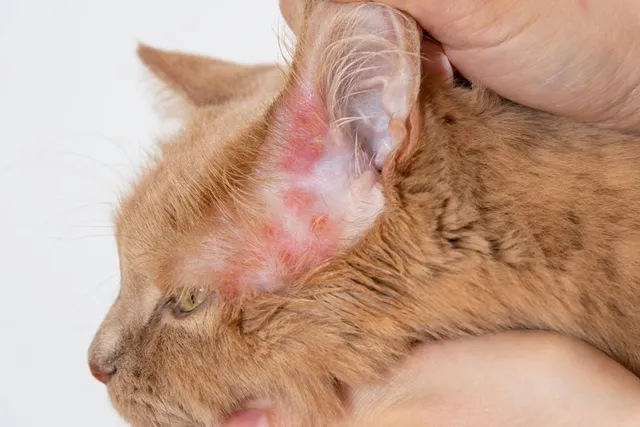
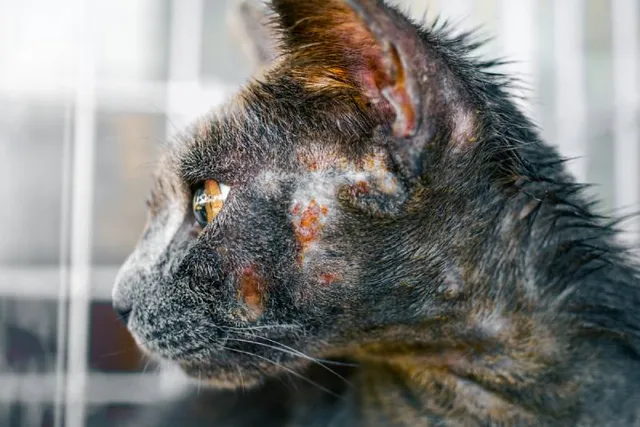
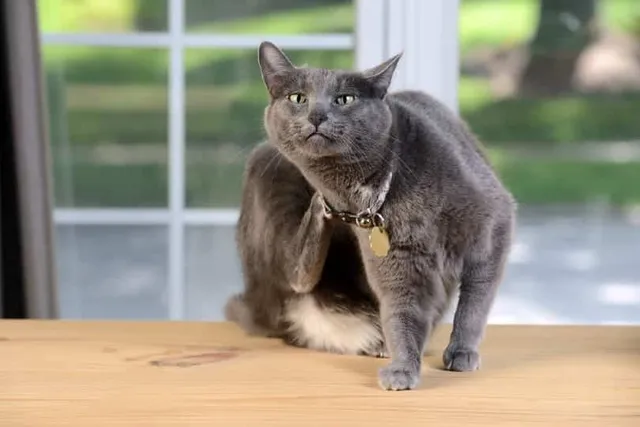
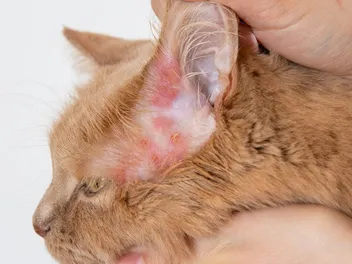
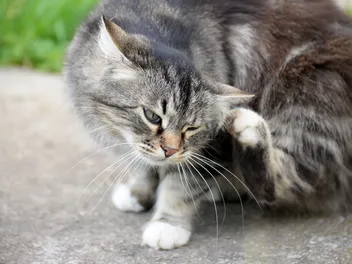
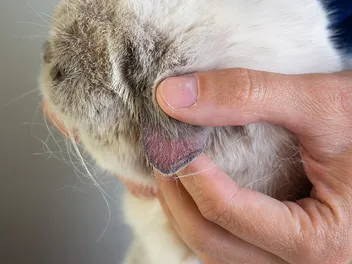
Noticing scabs on your cat’s skin can be concerning. Not only do they make your cat’s coat look patchy and unsightly, but they can also cause your cat to become itchy to the point where he is constantly scratching. Constant scratching can cause bleeding, and it doesn’t help in the healing process either. But why does my cat have scabs?
The good news is that scabs on cats are pretty common, but the bad news is that several conditions could be causing them. Luckily, we’re here to provide you with 10 common causes of scabs on a cat so that you can take action to help your cat feel and look better.

The 10 Common Causes of Scabs on Cats
1. Flea Allergies
One of the most common causes of scabs on a cat (and one of the easiest to diagnose) is fleas. Most cats that get bitten by a flea only have mild irritation, but in some cases, cats can be allergic to fleas to the point where they can have a severe allergy to just one flea bite, not to mention if your cat has multiple fleas.
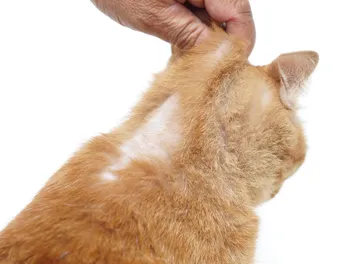
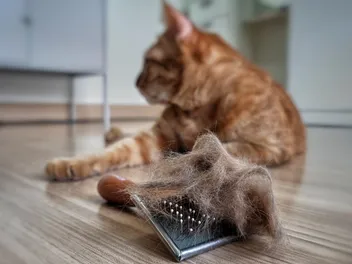
The reaction is caused by a substance in a flea’s saliva. If it is indeed the cause, most of the time, there will be scabs and hair loss near your cat’s tail and neck. You can grab a flea comb and groom your cat. Then, tip the contents of the brush onto a wet paper towel, and if you see fleas or black granules that turn red on the towel, your cat has fleas. They'll need to be treated for the fleas and the allergy.
- Looking for a solution? Best Flea Treatments for Cats – Catster's Reviews & Top Picks

2. Other Allergies
Another common cause of scabs on a cat could be caused by an allergy to something other than fleas. In this case, exactly what is causing the allergy can be harder to pinpoint. However, common allergies that aren’t related to fleas are usually either due to an environmental allergy such as pollen, mold, or mildew or, rarely, a food allergy.
Allergies in cats usually present themselves in the form of itching rather than respiratory issues. If the itching and scabs are sudden, consider whether you’ve recently changed cat foods, as your cat could be allergic to one of the ingredients in the food. If you haven’t changed cat food recently, the allergy could be seasonal due to an increase in pollen.
3. Feline Acne
Just like humans can suffer from acne, so can cats. If acne is the cause, your cat will most likely have scabs and pustules around his chin and mouth. It is characterized by inflammation of the hair follicles (folliculitis).
Feline acne can be caused by excess sebum, oil production, or poor grooming habits. Bacteria can get inside the hair follicles, which causes the inflammation, and your cat will scratch as a reaction, causing scabs to form.
4. Mange
Mange is not a skin disease but a skin condition caused by mites. Mites are tiny parasites that irritate your cat’s skin. This can cause inflammation, itchiness, scabbing, and hair loss in patchy areas all over your cat’s body.
Mange is more common in dogs than in cats, but a specific type of mite can cause feline scabies, which is the most common type of mange that cats get. If you have multiple cats and one gets mange, it’s highly possible that it will spread to the others if not treated.
5. Ringworm
Ringworm is one of the most common skin disorders that affects cats worldwide. It’s a fungal infection caused by a fungus called dermatophytes; it actually has nothing to do with worms.
It’s called ringworm because it sometimes leaves a ring-shaped rash on the skin of infected animals. Common signs of ringworm in cats include circular areas of hair loss, crusty scabs on cats, excessive scratching, changes in skin color, and inflammation, among others.

6. Eosinophilic Granuloma Complex
Eosinophilic granuloma complex is used to describe three types of skin lesions that cats may get: eosinophilic plaque, eosinophilic granuloma, and indolent ulcers. This skin condition's cause is unknown, but it could be due to an allergic response or genetics.
Depending on the exact type of lesion, the most common places to see them on cats are inside the cat’s mouth, lips, hind legs, and stomach. The lesions vary in size and can be itchy or may bleed in some cases.
7. Abscesses
An abscess is a pocket of pus on your cat’s body and can be caused by a rotten tooth, a bite from another animal, or another type of injury that gets infected due to bacteria entering the wound. If your cat has an abscess, you’re likely to notice it before it gets to the point of scabbing.
You’ll notice sudden swelling in a particular area, sometimes accompanied by skin redness. If the abscess ruptures, it can cause a lesion and a foul smell as pus drains out before scabbing over. Some cats may also have a fever if they have an abscess. You may notice a small scab before the abscess occurs from the initial injury, such as one caused by a catfight.

8. Pemphigus Complex
Pemphigus complex is the most common autoimmune skin disorder seen in cats but is still quite rare. This disorder is characterized by large blisters around the mouth, eyelids, lips, nostrils, and anus.
There are five types of pemphigus, and the exact signs that your cat may experience, in addition to lesions, as well as the location of the lesions, will depend on the type of pemphigus he has. However, this is another skin disorder where the exact cause is not understood.
9. Skin Cancer
Skin cancer, also known as Squamous Cell Carcinoma, can also cause scabs on cats, but it is more commonly seen in cats that spend a lot of time outside in the sunlight and have light-colored fur. Signs of skin cancer in cats include crusty or bleeding sores that don’t go away with medication, sores that don’t heal, loose hair near the sore, crusty material near the sore, or even the growth of tumors.
Skin cancer can spread quickly in cats, so it’s vital that it be treated as soon as possible if it is, indeed, the cause. Particularly at risk are the nose and tips of ears.

10. Other Skin Conditions
In addition to the skin disorders and conditions above, several other conditions can affect cats as well. They can be caused by bacteria, a fungus, other allergies not mentioned above, or even mosquitoes or other insects.
Because many skin conditions present themselves the same way, such as forming scabs and causing itchiness, redness, hair loss, and inflammation, it can be hard to determine the cause.

Diagnosis and Treatment of Scabs on Cats
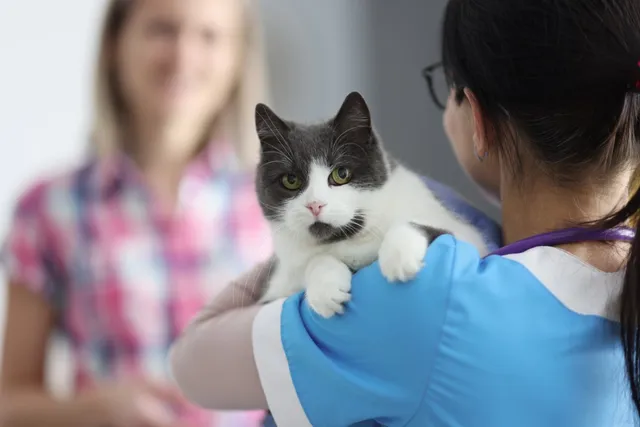
Because so many skin conditions in cats can look similar, it’s best to take your cat to the vet, even if you’re 100% sure that you know the cause. For example, even if you know your cat has fleas and that is likely what is causing the scabs, you may still need a vet to diagnose the issue to provide you with flea medicine that you can use to treat it.
If you aren’t sure what the cause of the scabs on your cat is, a vet can help you figure out the cause, whether it's due to allergies or a bacterial or fungal infection. Your vet can do tests to determine what the cause of the scabs is and provide you with options such as medication to treat it.
Conclusion
Scabs on cats are a fairly common occurrence, but determining the cause of the scabs can be somewhat tricky. One of the most common causes is an allergy, but there are several skin conditions that can affect cats, and it’s possible that they may not be related to an allergy at all. Taking your cat to the vet is the only way to learn what is causing the scabs and how to treat the condition.
Sources
Featured Image Credit: PxHere
Expert cat care, straight to your inbox
News, insights, and useful advice, delivered to you.

No spam — unsubscribe anytime.
By signing up, you agree to our Terms & Conditions and Privacy & Cookies Policy.
How useful was this post?
Click a star to rate. You can leave written feedback afterwards. (We read all feedback.)
Savannah started as a science teacher and is now a full-time freelance cat writer. She loves traveling, tending her garden, and writing about wildlife and nature. She's also the proud parent of a daughter, three cats (Thunder, Kittylina, and Bubba), a long-haired Chihuahua (Penny), and a turtle (Creek).