10 Cornish Rex Health Issues You Should Know (Vet Answer)


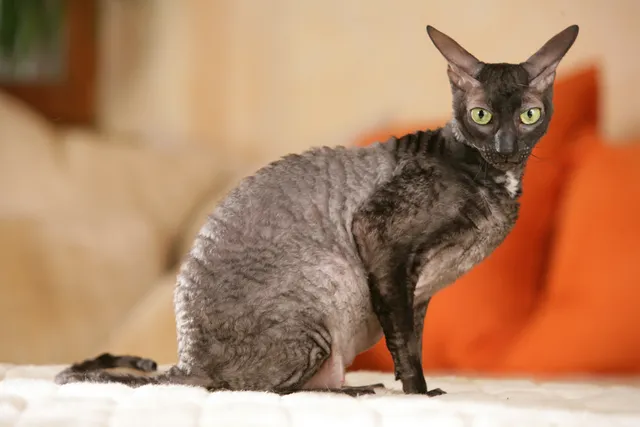
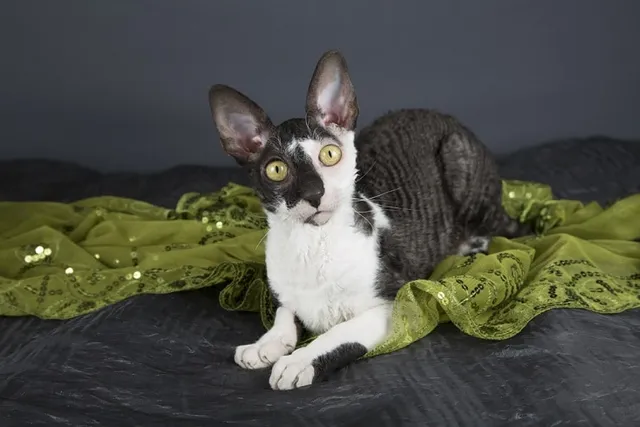
The first Cornish Rex kitten was born in Cornwall, U.K., in the 1950s due to a genetic mutation.1 This breed is known for its very fine, short coat. While Cornish Rex cats are generally healthy, pet parents need to be aware that they can develop health issues that may require veterinary attention.

The 10 Potential Cornish Rex Health Issues
If you are considering adding a Cornish Rex to your family, please keep in mind the following health issues that your new kitty may be predisposed to.

1. Autosomal Dominant Polycystic Kidney Disease (AD-PKD)
This genetic condition results in the growth of fluid-filled cysts on a cat's kidneys. Felines born with this disorder develop multiple cysts over time, which can lead to kidney damage. However, not all cats may exhibit signs. Unfortunately, there is no cure for AD-PKD, but proper management by your veterinarian can help.
2. Progressive Retinal Atrophy
This inherited condition causes the degeneration of the retina, eventually leading to blindness within 3–4 years after the signs appear. There is no cure for this disorder.
3. Hypertrophic Cardiomyopathy
Thickening of the heart muscle makes it difficult for the heart to pump blood effectively. This disease may be inherited, or it can develop secondarily to another disease, such as hyperthyroidism.

4. Neonatal Isoerythrolysis (NI)
Many domestic cats have type A blood, but Cornish Rex cats most often have type B blood. NI happens when a type B mother gives birth to a type A kitten or vice versa, and the kitten ingests the different blood type’s colostrum from the mother. When this occurs, the antibodies that are usually beneficial start attacking the kitten’s red blood cells. Affected kittens typically die within a few days.
5. Vitamin-K-Dependent Coagulopathy
Cornish Rex cats may suffer from a genetic disorder that affects their blood-clotting ability. This condition is due to a deficiency of an enzyme that helps absorb vitamin K, a vital component of the clotting process. As a result, affected cats may have prolonged bleeding and be more susceptible to bruising.
6. Feline Infectious Peritonitis (FIP)
Cornish Rex cats seem to be more at risk for developing this disease than other cats. This virus damages blood vessels, which can cause fluid to build up in the abdomen or chest. Unfortunately, there is no treatment for FIP, and the disease is often fatal.

7. Deafness
Certain genetic lines of Cornish Rex (C-rex bloodline) may be susceptible to deafness.
8. Patellar luxation
This occurs when the kneecap pops out of place. Cornish Rex cats are at a higher risk than other cats.
9. Skin Issues
Due to their fine and short coat, Cornish Rex cats may be susceptible to skin problems, such as yeast infections, itchiness (urticaria pigmentosa), thinning or balding coat (hypotrichosis), and sunburn, if they’re not adequately protected from the sun.

10. Dystocia
Cornish Rex cats may have difficulty giving birth to kittens. Their litters may need to be delivered by C-section. This breed carries a higher risk of death for both the mother and her kittens than with other breeds of cats.
Remember to have regular vet visits when owning a Cornish Rex to keep their health and well-being. If you’re concerned about your cat’s health we suggest you speak to a vet.
Conclusion
The Cornish Rex is a playful and intelligent cat that makes a great companion. While this breed is relatively healthy, there are certain associated health issues that you should be aware of. Always do your research, learn as much about the breed as possible, and schedule regular veterinary exams to detect problems early and to keep your cat as healthy as possible.
Featured Image Credit: Rita_Kochmarjova, Shutterstock
Expert cat care, straight to your inbox
News, insights, and useful advice, delivered to you.

No spam — unsubscribe anytime.
By signing up, you agree to our Terms & Conditions and Privacy & Cookies Policy.
How useful was this post?
Click a star to rate. You can leave written feedback afterwards. (We read all feedback.)
Dr. Stacie Grannum DVM (Veterinarian)
Dr. Stacie Grannum was born and raised in Arizona. When she was five, an encounter with a tiny animal changed her life forever. A baby bird fell high from its nest, and Dr. Grannum diligently cared for it. Sadly, despite her attempts to save the little birds life, the little bird did not survive. From this heartbreaking loss came a new ambition, carving the path that Dr. Grannum followed. She knew that she wanted to pursue a career in veterinary medicine. She worked hard toward that goal and dedicated her time to pursuing her dream.
Today, her focus is on pet health, particularly wellness and preventive medicine. She also enjoys writing about pet health and is eager to share her knowledge with other pet lovers.
In 2014, Dr. Grannum earned her Doctor of Veterinary Medicine Degree from Colorado State University.