Can Cats Eat Lizards? Vet-Verified Facts & FAQ


In this article
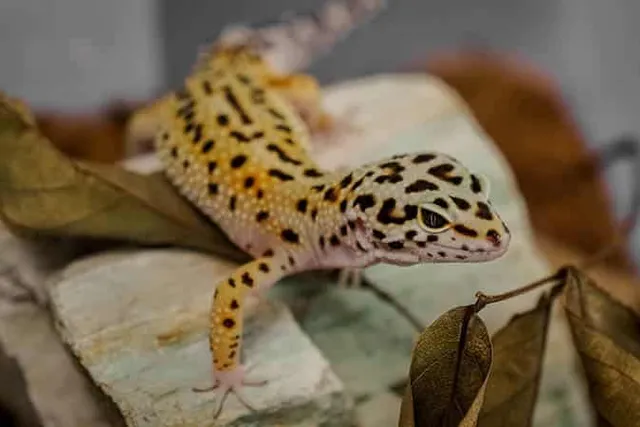
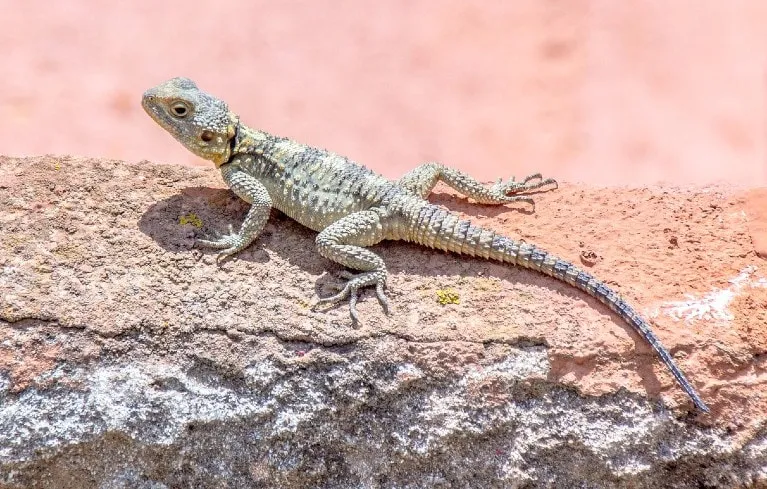
Cats are known to catch and eat lizards, but luckily, most lizards are harmless. They shouldn’t cause any problems for your cat, though some may cause an upset stomach simply because your cat isn’t used to eating them. It isn’t odd for cats to experience minor digestive issues when eating a whole animal.
However, that doesn’t mean that all lizards are entirely safe. Several situations may lead to problems. For instance, some lizards contain parasites, which can be transferred to your feline. Sometimes, your cat may accidentally eat a poisonous lizard, which isn’t completely unheard of.
Therefore, while most lizards are safe, some can be dangerous. Here’s what you need to know if you suspect your feline may have eaten a lizard.

Liver Flukes in Cats
Lizards are well-known for containing a type of parasite called a liver fluke. When your cat eats the lizard, the parasites are transferred to them, which can cause severe damage. While these liver flukes are entirely harmless to lizards, they can cause problems for cats and other mammals.
After a cat eats an infected lizard, the flukes will travel to your cat’s liver and gallbladder. It takes about 8 to 12 weeks for the flukes to mature, and they typically don’t cause problems until then. However, mature flukes can cause fatal liver inflammation and block bile ducts, causing toxic bile to build up in the liver.
Therefore, you likely won’t notice signs until a few months after the lizard has been eaten. The signs are usually related to digestion, such as vomiting and diarrhea. Loss of appetite, weight loss, and fever are also not uncommon. In severe cases, your cat may experience jaundice, an enlarged liver, abdominal distention, and lethargy.
Liver flukes are most common in the southern U.S. states and Hawaii. However, they can occur anywhere. They are specifically evolved to be ingested by cats—it’s part of their lifecycle. Therefore, a cat’s risk of infection when eating lizards is relatively high.
Often, cats will need to be hospitalized to be medicated and stabilized. Usually, antibiotics prevent opportunistic infections, which can cause further damage. Even after your cat has recovered, the vet will likely want to check their liver enzymes occasionally to ensure it is healthy.
While many cats fully recover, it isn’t odd for some to have lasting liver damage. The only way to prevent liver flukes is to keep your cat indoors, where they cannot consume lizards. If your cat lives outside, you may want to provide an antiparasitic medication every three months to prevent infections. Speak with a veterinarian about the occurrence of liver flukes in your area.
Toxic Reptiles
Even if your feline doesn’t get liver flukes, there is the possibility that the reptiles they consume are toxic. There are several lizards with toxic skin, but they are more common in tropical regions.
Typically, the first sign you'll notice when your cat eats a toxic lizard is excessive salivation. Usually, it is a lot of drool, so it isn’t a sign that pet owners usually miss. However, just because your cat is drooling doesn’t mean you should rush them to the vet. It is the most minor reaction and can occur with little exposure. Slowly flushing your cat’s mouth out with water may be enough to reduce salivation.
If your feline’s eyes dilate or they start to experience seizures, seek veterinary care immediately. However, several lizards have various toxins that can cause different signs. For instance, newts produce a neurotoxin that can cause heart attacks and death. There usually isn’t much warning, so you should immediately seek veterinary attention.
How to Protect Your Cat from Reptiles
While most reptiles are harmless, there are enough problems that you should prevent your cat from interacting with them. Preferably, it would help if you keep your cat indoors. Unless you have wild, toxic lizards wandering around in your house, indoor cats should be completely safe.
If you allow your cat outside, it is best to watch them and intervene if you see them playing with a lizard. A fenced-in patio is also a great option, though lizards can still get through the small cracks at the bottom. Adding a mesh screen around the bottom may prevent this.
Keep an eye on your cat’s behavior at all times, especially in the warmer months when lizards are more common. If you notice any of the previous signs, you should seek veterinary help as quickly as possible.
Of course, if you have pet lizards, you should keep them out of reach. Remember, liver flukes do not harm lizards, so your pet may have parasites without you knowing.
Ultimately, there is no definite way to keep your cat from eating a lizard. Outdoor cats are at a higher risk since they may encounter lizards more often. However, even indoor cats can escape and catch a lizard, or a lizard may find their way into your home and then get eaten by your cat.
Should I Let My Cat Eat Lizards?
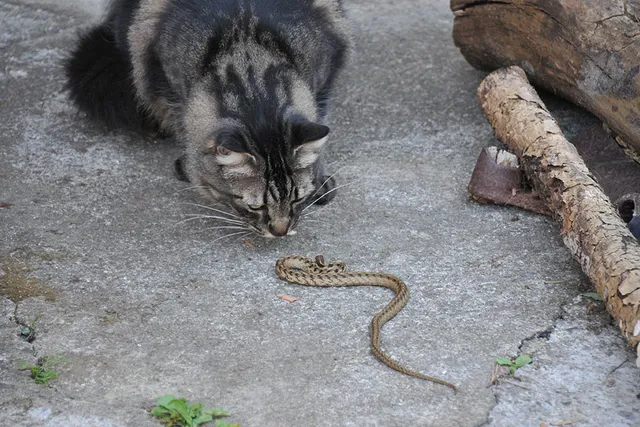
Cats are hunters by nature. So, it isn’t odd for owners to wonder if they should even care about their cats eating lizards.
Because lizards can cause significant problems, you should prevent your cat from eating lizards. Preferably, your cat should not have access to lizards at all, but if you see your cat eating one, you should intervene.
Does My Cat Need to Go to a Vet if They Eat a Lizard?
If you see your cat with a lizard, there is no reason to rush off to the vet. Keep an eye on your cat for signs of liver flukes and toxic reactions to the lizard they consumed.
The only difference is if the cat consumed a lizard that you know is toxic. In that case, immediately contact a vet and identify the lizard and the time your cat ate it.
Remember, liver flukes take a very long time to produce signs in your cat. In some cases, a vet may be able to provide medication to clear out the flukes before they cause problems. If your cat regularly eats lizards, you should call a veterinarian to ask about any preventative medication they can take.
Most lizards are harmless, and your cat should be just fine after eating one. You typically only have to worry if you’re in an area where liver flukes are endemic or your cat begins to show worrisome signs.
Conclusion
If your cat is allowed access outside, it’s not unusual for them to hunt lizards and occasionally catch one. Lizards are entirely harmless and don’t give cats any problems in most cases. However, some can cause severe problems for cats.
For instance, some lizards are toxic. Even licking them can potentially cause a cat to ingest poison. On other occasions, the lizard may be infected with liver flukes and can transfer them to your cat.
While eating lizards is usually safe, that isn’t always the case. You should be cautious regarding your cat eating lizards and contact a veterinarian if your cat is experiencing troubling signs after they ingests one.
See also:
Expert cat care, straight to your inbox
News, insights, and useful advice, delivered to you.

No spam — unsubscribe anytime.
By signing up, you agree to our Terms & Conditions and Privacy & Cookies Policy.
How useful was this post?
Click a star to rate. You can leave written feedback afterwards. (We read all feedback.)
Kristin is passionate about helping pet parents create a fulfilling life with their pets by informing them on the latest scientific research and helping them choose the best products for their pets. She currently resides in Tennessee with four dogs, three cats, two fish, and a lizard, though she has dreams of owning chickens one-day!