Cat Hormones: How They Affect Male & Female Felines (Vet-Approved)

In this article
Like humans, cats' hormones are constantly released by their endocrine system. They regulate a cat's behavior, moods, and bodily functions. Cat hormones have an essential role in maintaining a cat's health, including their metabolism, reproductive cycle, development, growth, and behaviors. In this article, you'll learn more about a cat’s hormones and how they affect their actions.

How Do Cat Hormones Work?: The Endocrine System

The endocrine system is a complex network of glands and organs that secrete hormones. In cats, it consists of the hypothalamus, pituitary gland, parathyroid glands, thyroid gland, adrenal glands, pancreas, kidneys, and ovaries or testes. The glands secrete hormones, which are released into the bloodstream to be used by other parts of the body.
Hormones vs Pheromones
Hormones and pheromones are often confused since they both affect cat behavior. Hormones are chemical messengers produced by the endocrine glands that regulate bodily functions. Pheromones, also produced by glands, are chemicals released by animals that influence the behavior of other animals of the same species.
Pheromones can be used to mark territorial boundaries or attract mates, while hormones regulate the body's processes. Felinine is the pheromone that helps cats mark their territory and recognize other cats.

What Are the Different Cat Hormones?
Every hormone plays an important part in regulating the cat’s bodily functions. Common hormones include insulin, testosterone, estrogen, progesterone, cortisol, adrenaline, and thyroxine. However, hormones like GnRH, calcitonin, prolactin, and oxytocin, to name a few, also have crucial roles in specific processes and affect a cat's behavior.
- Insulin: Regulates the blood glucose levels and energy usage by the cell.
- Testosterone: It's responsible for male characteristics and sexual behavior.
- Estrogen and progesterone: These hormones are involved in female cats' reproductive cycles and regulate their heat cycles.
- Cortisol: This helps manage stress responses and regulate metabolism.
- Adrenaline: This is released in response to excitement or fear and can make a cat more alert.
- Thyroxine: It regulates the body's metabolism.
How Hormones Affect Behavior
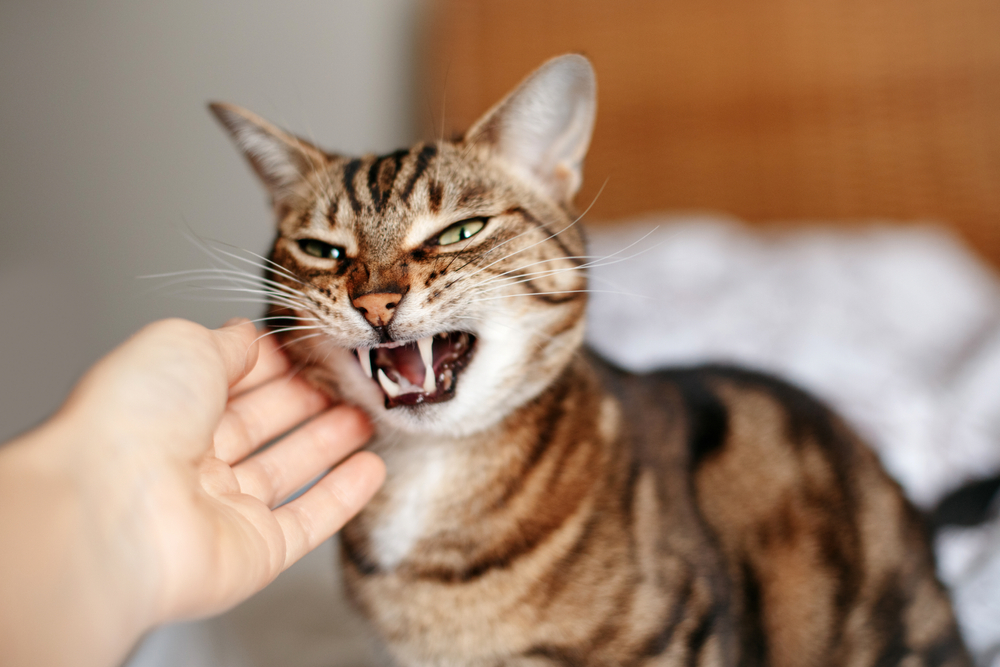
Cat hormones can affect a cat's behavior in various ways. For example, testosterone is responsible for marking behaviors such as spraying urine on objects and aggressive behavior toward other cats.
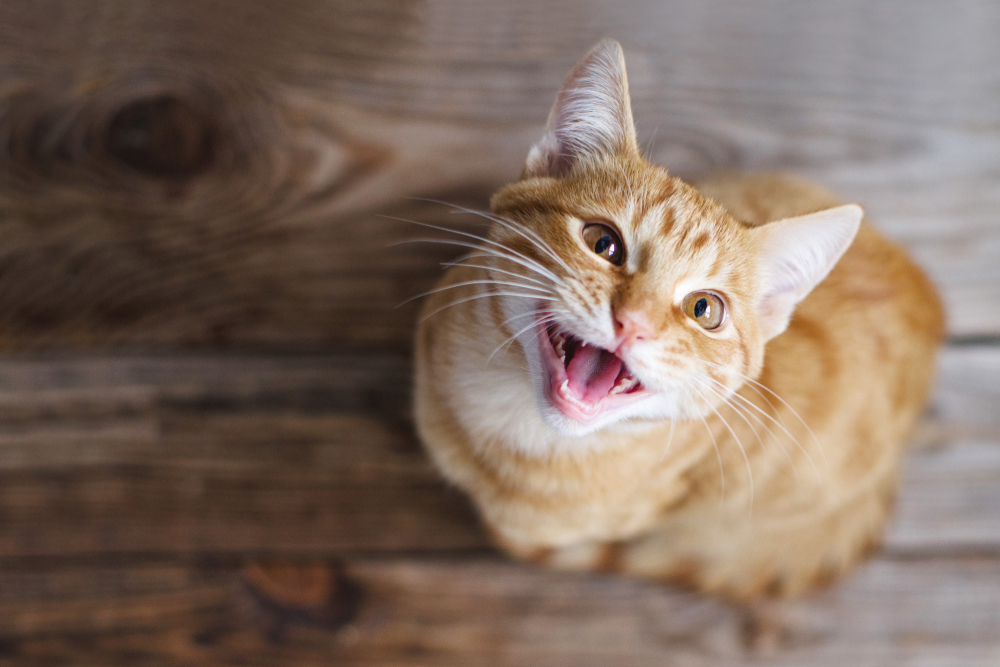
Adrenaline and cortisol can lead to a cat acting more alert or panicked, while estrogen and progesterone can cause a female cat to show physical signs of being in heat, such as increased vocalization, frequent rubbing, rolling around, and spraying urine.

Where Is Each Hormone Produced In the Body?
The endocrine portion of the pancreas produces insulin. Testosterone is produced in the testes of male cats and the ovaries of female cats. Estrogen and progesterone are produced in the ovaries of female cats. Cortisol is produced in the adrenal glands, while adrenaline and thyroxine are made by the thyroid gland.
Hormonal Differences Between Male and Female Cats
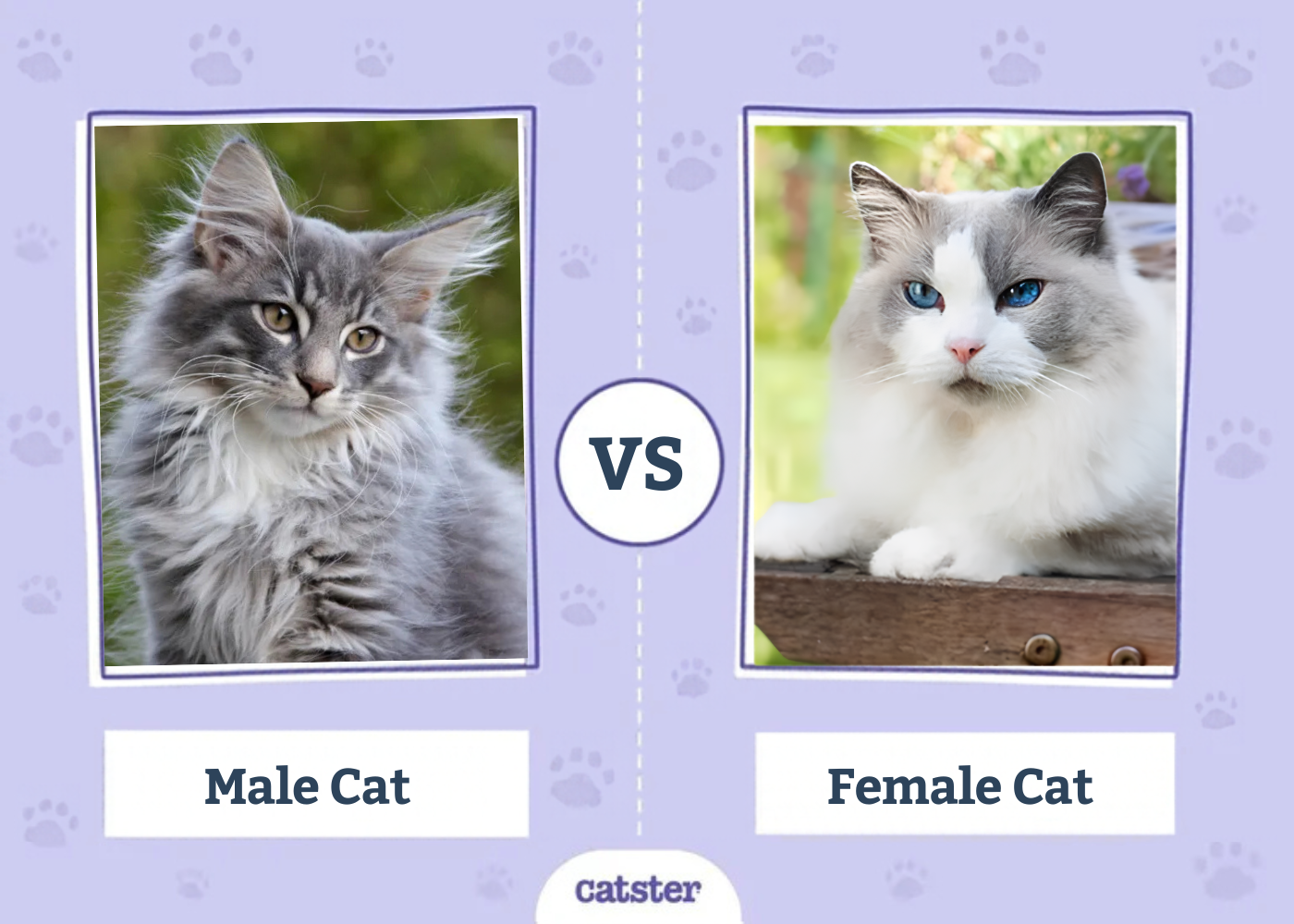
Male cats have higher testosterone levels than female cats, which can lead to aggressive behavior and territorial marking. On the other hand, female cats have higher estrogen and progesterone levels, which affect their reproductive cycle and behaviors.
How Hormones Affect Female Cats
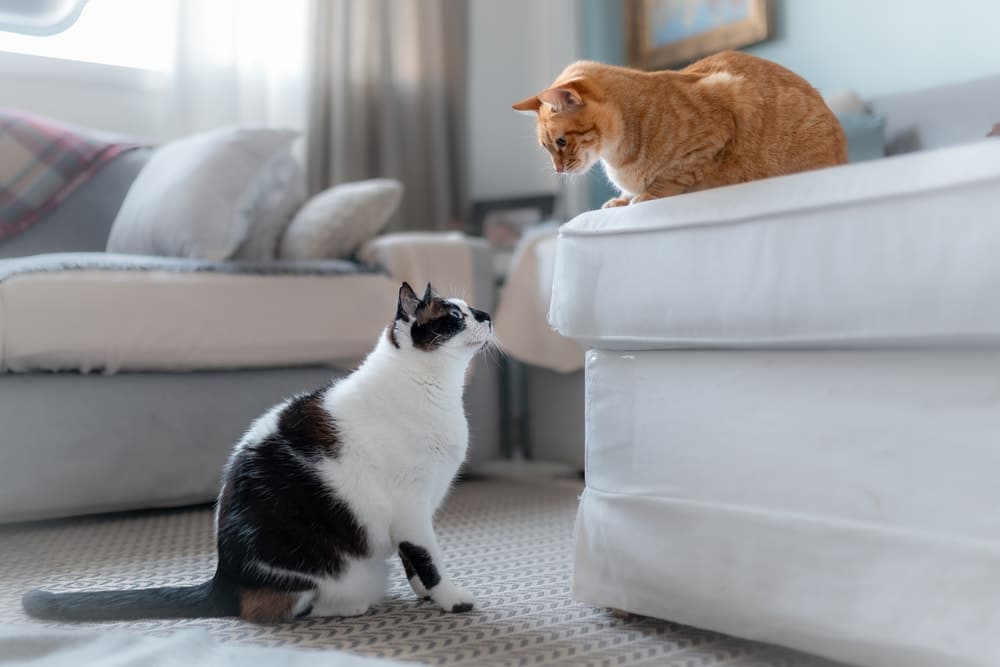
Female cats have higher levels of estrogen and progesterone, which can lead to signs of being in heat. Female cats may be more likely to roam and call for a mate during the heat cycle. They may also display aggressive behaviors toward other female cats.
How Hormones Affect Male Cats
Male cats have higher testosterone levels, which can lead to aggressive or territorial behavior. They may also mark their territory by spraying urine, and they'll try to mate with female cats in heat.

Hormones and Spay/Neuter
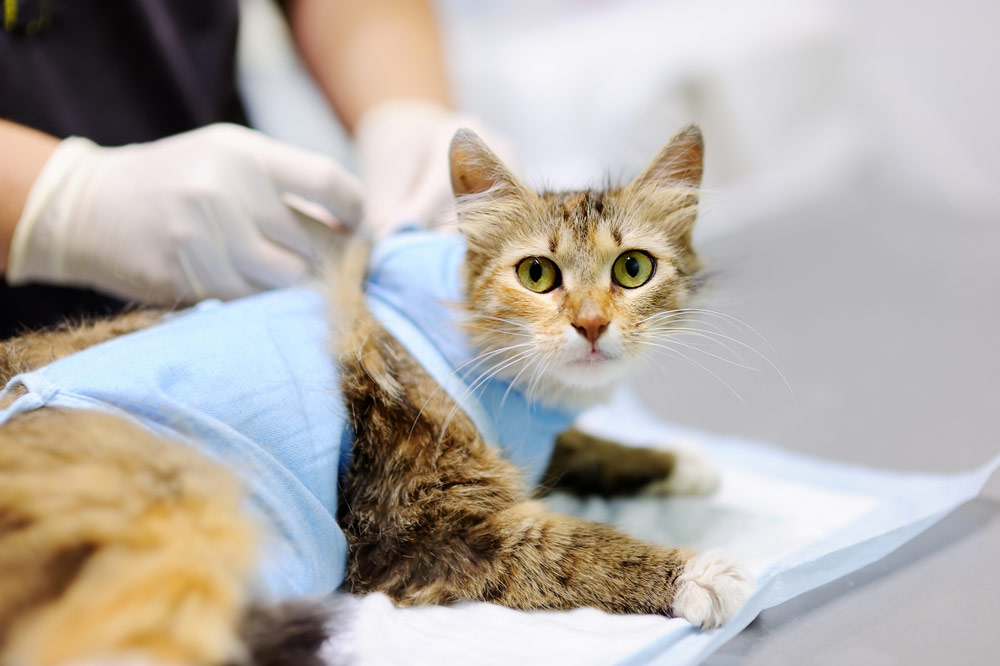
Spaying or neutering a cat can help reduce many of the behaviors caused by hormones. The procedure removes the reproductive organs and thus reduces or eliminates the production of certain hormones, such as testosterone and estrogen.
This can lead to decreased aggression, territory marking, and roaming behavior in cats. Neutering also ensures that male cats do not accidentally mate with female cats in the area.
Do Cats Go Through Menopause?
No, cats do not go through menopause. Menopause is a condition experienced by female humans in which their reproductive hormone estrogen declines with age. Cats' hormone production does not tend to decrease with age.
However, cats can still experience changes in hormone levels due to treatments such as spaying and neutering or medical conditions. It is crucial to monitor your cat's health, diet, and lifestyle and consult a vet if you suspect any changes in their hormones.
If you are concerned or have questions about your cat's health, you can also speak to a vet from the comfort of your own home to help make a plan. They can determine when an in-clinic vet visit should be made.
Cat Diseases Associated with Hormone Imbalance
Hormone imbalances can be caused by a variety of diseases, such as thyroid issues, diabetes, and adrenal gland disorders. These diseases can cause a cat to experience drastic behavioral changes and physical signs such as hair loss or increased drinking and urination.
Hormone imbalances in cats can also lead to reproductive issues such as irregular heat cycles or the inability of a cat to get pregnant if you’re trying to breed them. Imbalances in cortisol levels can also cause increased anxiety and stress, which can lead to behavioral problems.
Identifying and treating hormone imbalances as soon as possible is important for maintaining your cat's health. If your cat exhibits signs of a hormone imbalance, it is important to take them to the vet for a proper diagnosis and treatment.
Signs of a Hormone Imbalance in Cats
If a cat has an imbalance of hormones, it can affect their overall health and behavior. Signs of a hormone imbalance include excessive weight gain or loss, increased aggression or anxiety, changes in appetite, difficulty sleeping, and more. If you notice any of these signs in your cat, you must take them to the vet as soon as possible for a proper diagnosis and treatment.

How Can I Support My Cat Through Hormonal Imbalances?
The best way to support your cat through a hormonal imbalance is to take them to the vet for an examination and any necessary treatments or therapies. Additionally, monitoring your cat's diet and lifestyle can help maintain healthy hormone levels.
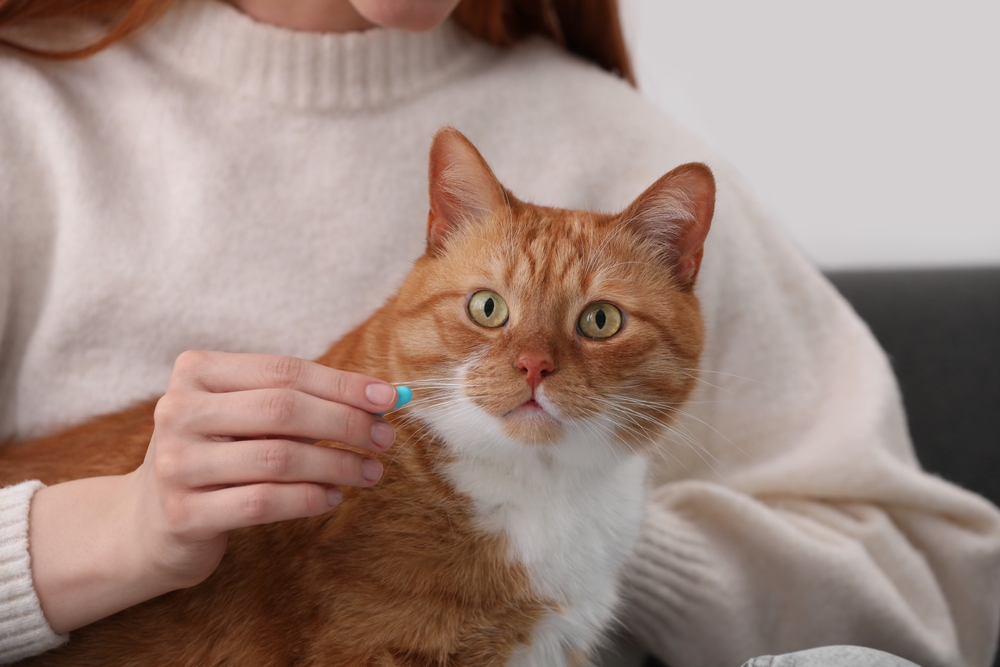
You can also provide comfort and reassurance by spending quality time with your cat and ensuring they have a safe, comfortable place to rest. Finally, if your cat has been prescribed medication, it is essential to administer it properly and follow the vet's instructions for dosage and frequency.
Other Frequently Asked Questions (FAQs)
Q: How Do Cat Hormones Affect Metabolism?
A: Thyroxine is the hormone responsible for regulating a cat's metabolism. High levels of thyroxine can lead to increased appetite, and low levels may cause decreased appetite. Additionally, insulin regulates the cells’ ability to use glucose as a source of energy.
Q: What Can I Do to Reduce My Cat's Stress Levels?
A: Stress in cats is often caused by changes in the environment. To reduce your cat’s stress levels, provide them with a safe and comfortable environment free from loud noises or sudden movements.
Additionally, ensure your cat has plenty of toys and play sessions to entertain them. Regular visits to the vet can also keep your cat healthy and reduce stress levels.

Q: How Can I Help My Cat Stay Healthy?
A: The best way to ensure your cat stays healthy and has a balanced hormone level is to provide them with a nutritious diet, plenty of exercise, and regular veterinary check-ups. Additionally, toys and interactive playtime can reduce stress and keep them entertained.
Q: What Should I Do if I'm Concerned About My Cat's Hormones?
A: If you're worried that your cat may have a problem with hormones, take them to the vet for an examination. The vet can conduct tests and recommend the necessary treatments or therapies. Additionally, it is important to keep an eye on your cat's behavior and activity levels to ensure their hormones remain balanced and healthy.
Conclusion
Cat hormones play an important role in regulating the body's functions and influencing behaviors. It is crucial for pet owners to learn more about their cats' hormones and how they can affect their behavior. This knowledge can help them understand their cats, anticipate behavioral changes, and make the most of their relationship with their beloved companion.
Featured Image Credit: Magui RF, Shutterstock

Expert cat care, straight to your inbox
Vet-reviewed advice, behavior tips, and the best of Catster. Free, and you can unsubscribe anytime.
By signing up, you agree to our Terms & Conditions and Privacy & Cookies Policy.
Christian started writing for a local newspaper as a teenager, and he's been involved in the publishing industry for most of his adult life. Combining his love of writing with a passion for animals, he is currently the Director of Editorial at Pangolia and the Editor-in-Chief at Catster.
Christian lives in the Philippines with his wife, son, and four rescue cats: Trixie, Chloe, Sparky, and Chopper.
Join the conversation
Ask a question, share your story, or send private feedback.