How Your Cat's Endocrine System Works (Vet Approved Overview)


In this article
Just like ours, a cat’s body is made up of a variety of systems, which is an organization of varying organs and glands that are arranged to perform complex functions for the body that are essential for survival. There are 10 major bodily systems, including the skeletal, muscular, nervous, endocrine, cardiovascular, lymphatic, respiratory, digestive, urinary, and reproductive systems.
In this article, we’re going to talk about the endocrine system, which is made up of the glands and organs that produce hormones. Hormones are the body's chemical messengers that carry information and instructions from one set of cells to another. They are essential to a variety of bodily functions and biological processes throughout your cat’s life. So, how exactly does the endocrine system work? Keep reading to learn more.

How Does a Cat’s Endocrine System Work?

The endocrine system influences nearly every cell, organ, and bodily function. The endocrine glands both release and regulate the hormones in the bloodstream, which travel to various tissues and organs throughout the body. Hormones are the body's messengers, and this system works by continuously monitoring the amount of hormones in the cat’s body and allowing the messages to be relayed.
How much of each hormone is released can vary depending on how many hormones are already present in the blood. Hormone levels can easily be affected by various factors such as stress, infection, hydration, age, health status, and nutritional balance.
Hormones carry information and send signals from one set of cells to another and play a key role in many important bodily functions including:
- Metabolism
- Growth and development
- Behavior
- Neurological function
- Reproduction, fertility, and sexual function
- Sleep
- Blood pressure

What Organs Make Up the Endocrine System?
The endocrine system is made up of various organs that each perform different functions. Here’s an overview of what those organs and functions are.
Hypothalamus
This gland is located in your brain and controls your endocrine system. It uses information from your nervous system to determine when to tell other glands, including the pituitary gland, to produce hormones. The hypothalamus controls many processes in your body, including your mood, hunger and thirst, sleep patterns, and sexual function.
Pituitary Gland
The pituitary gland is a very small gland located at the base of the brain. Despite its small size, it has a very large job. This gland makes the hormones that control several other glands, including the thyroid, adrenals, ovaries, and testicles.
Thyroid
The thyroid is a butterfly-shaped gland situated in the front of the neck. It is responsible for metabolism, which is how the body converts food into energy.
Parathyroids
These four tiny glands produce the parathyroid hormone, which plays an important role in regulating the level of calcium in the body.
Adrenal Glands
There are two adrenal glands, each located in front of the cat’s kidneys. They have two parts—the cortex and the medulla. These glands play a key role in metabolism, blood pressure, sexual development, and stress response.
Pineal Gland
The pineal gland is a tiny pinecone-shaped gland that’s primary role is to receive information about the state of the light and dark, or night and day, cycle in the environment. It is in control of the sleep and wake cycle by secreting the hormone melatonin.
Pancreas
The pancreas is part of the endocrine system but also plays a significant role in the digestive system. It contains exocrine glands that produce enzymes that aid in digestion and endocrine glands that produce the hormones insulin and glucagon, which regulate blood sugar levels in the body.
Ovaries
The ovaries are part of both the endocrine system and the female reproductive system. They are responsible for producing eggs and releasing sex hormones, including estrogen and progesterone.
Testes
The testes are part of the endocrine system and the male reproductive system. They are responsible for releasing the hormone testosterone, which is responsible for sperm production, muscle strength, and sexual behavior.
Conditions and Diseases That Affect the Endocrine System
A cat can suffer from many health conditions that can affect the endocrine system and how well it functions. Here are some of the endocrine system conditions that can affect cats, although some are rarer than others.

Hyperthyroidism
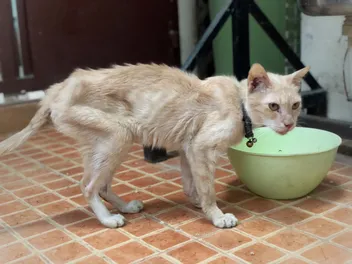
Hyperthyroidism is a common endocrine disease in cats, especially for those 8 years of age and older. This condition occurs when the thyroid overproduces the thyroid hormones. In 99 percent of cases, hyperthyroidism is caused by a benign tumor of the thyroid gland. Clinical signs include weight loss, increased appetite, increased thirst, increased urination, and an unkempt coat. It can also lead to vomiting, diarrhea, and hyperactivity.
Hypothyroidism
Hypothyroidism refers to an underactive thyroid in which there are low levels of thyroid hormones produced in the cat’s body. These low levels of thyroid hormone will slow the metabolism, resulting in clinical signs such as weight gain, hair loss, lethargy, weakness, low body temperature, and cold intolerance.
Hypothyroidism is rare in felines and is often seen in those who have undergone surgery or iodine therapy as a treatment for hyperthyroidism. In very rare cases, it can be caused by cancer, iodine deficiency, or congenital disease that results in thyroid abnormalities.
Diabetes Mellitus
Diabetes mellitus is a disease of the pancreas that affects how the body uses blood sugar or glucose. It can be broken down into two categories:
Type I
Type I diabetes occurs when the pancreas is unable to produce the levels of insulin the body needs due to total or near-complete destruction of the beta cells responsible for the process. This is very rare in cats, but those that suffer from this type will be insulin dependent.
Type II
Type II diabetes occurs when the insulin-producing cells remain, but the amount of insulin produced is either insufficient or unable to be properly utilized by the tissues. This is the most common type of diabetes in cats and can be caused by several factors, including obesity, old age, lack of activity, and certain medications.

Hypocalcemia
Hypocalcemia involves low levels of calcium in the bloodstream. It occurs when the regulation of the calcium levels within the blood is impaired. Hypercalcemia is most often a postoperative complication following surgical treatment for hyperthyroidism or the result of chronic renal failure.
Cushing’s Disease
Also known as hyperadrenocorticism, Cushing’s disease is uncommon in cats and develops when there is a persistent, excessive production of cortisol from the adrenal glands. This disease can either be naturally occurring as the result of a tumor affecting either the pituitary gland or the adrenals or caused by long-term use of corticosteroids to treat another health condition.
Addison’s Disease
Also referred to as hypoadrenocorticism, Addison’s disease occurs when the adrenal glands do not produce enough glucocorticoids, which are steroids, to allow for normal body function. The condition is rare in cats, but it does occur. It results from the description of adrenal gland tissue, which is most often due to the immune system attacking the adrenals.
Frequently Asked Questions (FAQ)
How Do Endocrine System Diseases Develop?
Endocrine system diseases can develop when there is either too much or not enough hormones produced or when the normal pathways for hormones to be used and removed are disrupted in some way. Clinical signs can develop as the result of issues within tissues affected by the hormones or a problem in another part of the body that has been affected by these hormones.
What Are the Most Common Endocrine Disorders Seen in Cats?
The most common endocrine disorders in cats are Hyperthyroidism and Type II Diabetes Mellitus.
How Do I Keep My Cat’s Endocrine System Healthy?
The best way to ensure your cat has a healthy endocrine system is to focus on overall health. This includes feeding a nutritious, well-balanced, high-quality diet that is high in protein, moderate in fat and contains minimal carbohydrates. Likewise, adequate hydration is important for a cat's overall health.
Make sure your cat gets plenty of mental stimulation and physical exercise, and keep up with regular veterinary care. If you ever notice any unusual signs or behaviors, never hesitate to contact your vet to have them evaluated.
Conclusion
A cat’s endocrine system works by releasing and regulating hormones in the bloodstream through various glands and organs within the body. This system is just one of many vital systems that are essential for overall bodily function. The endocrine system plays a vital role in growth and development, metabolism, reproductive function, behavior, and many other processes.
Featured Image Credit: MULTI ILHAM ANUGRIYA, Shutterstock
Expert cat care, straight to your inbox
News, insights, and useful advice, delivered to you.

No spam — unsubscribe anytime.
By signing up, you agree to our Terms & Conditions and Privacy & Cookies Policy.
How useful was this post?
Click a star to rate. You can leave written feedback afterwards. (We read all feedback.)
Lindsey and her husband enjoy traveling the US with their kids and photographing wildlife. Her passion is to educate others on the importance of proper animal care, with an emphasis on reptiles and exotics since their care requirements can be much more complex. She is also a huge advocate for bully breeds. She feels most at home in the forest either on horseback or in hiking boots.