Get

In Your Inbox

Catster is reader-supported. When you buy via links on our site, we may earn an affiliate commission at no cost to you. Learn more.

How to Make a Hyperthyroid Cat Gain Weight: 4 Vet-Reviewed Ways to Help

Share

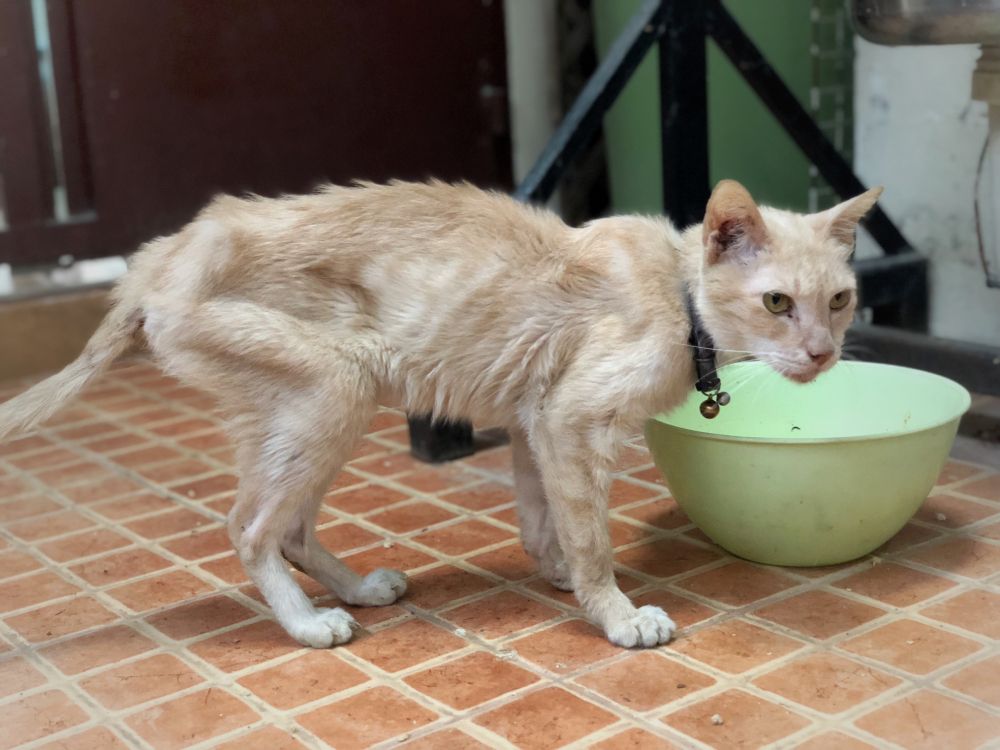
loss weight or skinny cat

Cats with hyperthyroidism can live healthier lives if their condition is managed. Since one major sign of hyperthyroidism is weight loss, cat owners may wonder how to help their cats gain weight.

An experienced vet is your best source of information on how to help your hyperthyroid cat gain weight, but in this article, we’ll show you four tips for helping your cat pack on the pounds.

divider 1 paws

What Is Hyperthyroidism?

Hyperthyroidism is a disease in cats where their thyroid is overactive. Cats have two thyroid glands that control and regulate their metabolism. When the glands produce too much of the thyroid hormone, hyperthyroidism is diagnosed.

One sign of the disease is weight loss. Your cat may be eating and seem to have a growing appetite, yet they continue to lose weight. Other signs include increased thirst, restlessness, weakness, urination, and a greasy or dull coat.

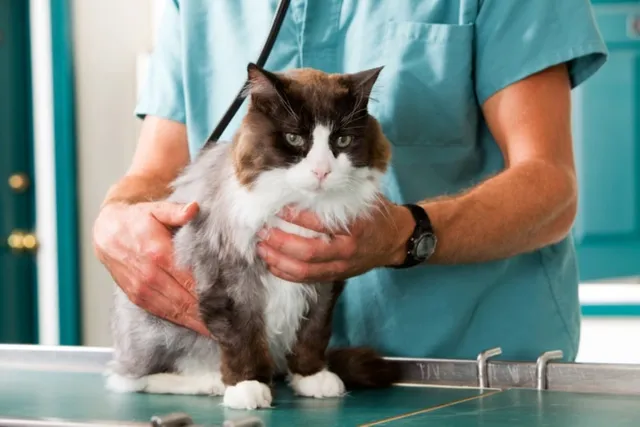
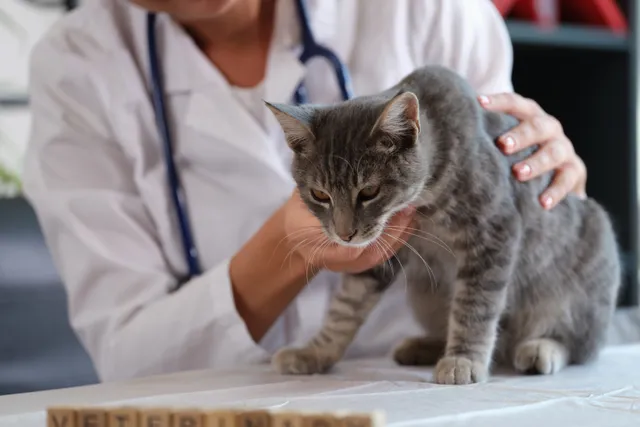
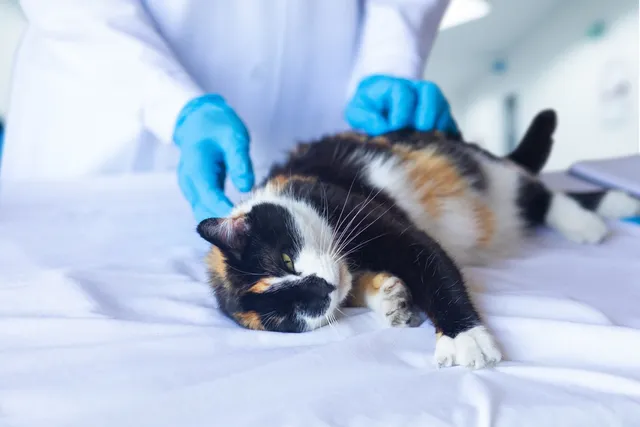
This condition can only be diagnosed with a blood test to determine the thyroid levels in the blood. If the disease is not managed, other organs can be affected, particularly the heart. It’s vital to get the condition under control as soon as possible.

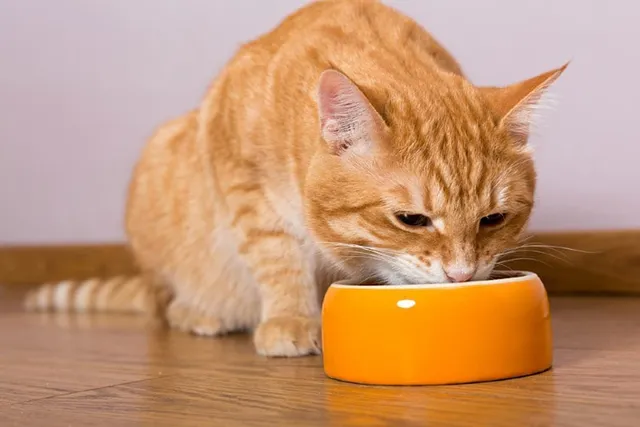
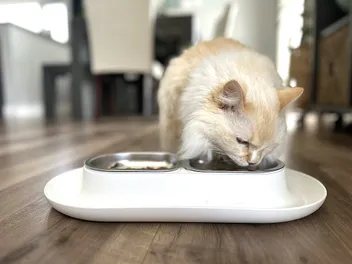
devon rex cat eating
Image By: Veera, Shutterstock

The 4 Ways to Make a Hyperthyroid Cat Gain Weight

1. Control the Disease

Your cat can’t gain weight, no matter what you do, if you don’t manage their condition. The first step is getting your cat the right medication to control their thyroid hormones. Antithyroid drugs are the most common treatment, and the cat will have to stay on this medication for the rest of their life.

The medication is usually given twice a day and will control the thyroid levels and keep them at a healthy number. Your cat may need several blood tests after the medication is administered to ensure it works as it should. Adjustments may need to be made until the proper dosage to control your cat’s thyroid hormones is found.

Other options, such as surgery, Hill’s Y/D food, and radio-iodine therapy, may be an option for your cat, which a vet can discuss with you.

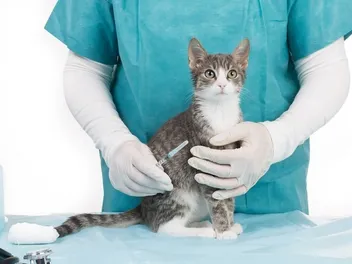
vet giving drugs to cat
Image Credit: thodonal88, Shutterstock

2. Change to a Prescription Diet

In some cases, vets may suggest that a prescription diet be used alongside or instead of medication. If your cat’s thyroid levels can be controlled with prescription food, the food will have everything your cat needs to help them gain weight.

After eating the food for a few months, your cat’s thyroid levels should return to normal. Weight gain will happen automatically without you having to do anything. Speak to a vet about a diet change to see if it’s right for your cat.

However, it’s essential to know that cats on a prescription diet for hyperthyroidism can never eat anything else —no treats, table scraps, scavenging or hunting outdoors, or garbage rummaging. Anything besides this food could disrupt their hormone levels.


3. Change Your Cat’s Food Yourself

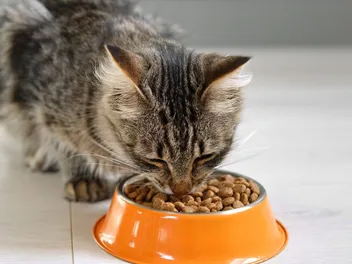
Always speak to a vet before changing your cat’s food, but if a prescription food isn’t necessary, you can find another food on your own. If your cat has a healthy kidney function, they will do well on a high-protein, high-energy food. This will help them recover muscle mass and gain weight.

If your cat’s kidneys have been affected by hyperthyroidism or another condition, they should eat low-protein food.

If you have a question about your cat's health or behavior, why not Ask a Vet for Free with Catster. Our veterinary team answers reader questions and provides trusted advice to help you better understand your cat.

askavet on catster

4. Increase Exercise

Once your cat’s thyroid hormones have been controlled, regularly play with your cat and get them to engage in physical exercise each day. At least 15 minutes of activity can help them regain muscle mass and build up energy levels, which, in turn, will make them hungrier, so they’ll eat their meals.

divider 1 paws

Final Thoughts

It can be scary when your cat is diagnosed with hyperthyroidism, but the good news is that the disease can be managed, and your cat can live a healthy, happy life. Your vet will help you stabilize their thyroid hormones and weight. Once the condition is treated, your cat will be able to regain the weight that they lost and stay healthy.


Featured Image Credit: Aun25, Shutterstock

Want content like this delivered to you?

Sign Up For Our Newsletter

News, insights, expert advice, and everything cat

* By submitting, you agree to our Terms & Conditions and Privacy & Cookies Policy.


How useful was this post?

Click on a star to rate (you can leave written feedback after clicking submit)

Help us improve Catster for pet parents!

Your feedback really matters.

What did you like about this post? Also how can we improve it?

Join the conversation

Leave a Reply

You’re very welcome to leave a comment or question. Please know that all comments must meet our community guidelines, and your email address will NOT be published. Let’s have a positive and constructive conversation.


Catster's Digital Magazine is Back!

Vet-approved health & behavior advice

Real cat stories & community features

Ask Dr. Paola – My Cat Loves Eating Grass, But It Makes Her Vomit! (June 29, 2026)

Welcome to our “Ask Dr. Paola” series, where every Monday we bring expert advice straight from Dr. Paola Cuevas (MVZ) to help our...

Learning to Speak Cat with Anthony Smith

Many cat lovers know me through Learn to Speak Cat and Cattitude – Doggonit, cartoons that explore the often mysterious, occasionally mischievous, and...

Weird Cat Behaviors That Actually Make Perfect Sense

We have been sharing our lives with cats for thousands of years, yet we still find ourselves genuinely stumped by what they get...

The Dream of Talking to Cats Just Got Closer to Becoming a Reality

If you’ve ever wished your cat could simply tell you what they wanted, you’re not alone. From the meow that wakes you before...

More related

How Bad Is Hawaii’s Feral Cat Problem? The Facts

Hawaii has a serious feral cat problem. The numbers vary, but it’s safe to say that there are more feral cats on the...

How to Introduce a Cat to a New Litter Box (7 Vet-Approved Tips)

There are several possible reasons you might need to switch up your cat’s litter box. Perhaps they have outgrown their present one, are...

The Conscious Cat is Now a Part of Catster

Since our humble beginnings as Cat Fancy Magazine, Catster has been dedicated to being a one-stop shop for all things ‘cat’. How did...

Why Do Cats Pee When Scared? 2 Reasons for This Behavior

If you’re a cat owner, chances are that you don’t see your cat pee anywhere but the litter box. Sometimes, though, you may...

Keep reading

How to Treat a Cat Scratch: 6 Vet-Approved Steps

It’s no secret that our kitties love using their claws! Whether it’s for play, balance, hunting, or climbing, they work best with their claws out. However, if you get in the way, it won’t fare well for your fragile skin....

scratch on a man's hand made by a cat

Is Peppermint Oil Safe for Cats? Vet-Reviewed Facts & FAQ

Cats are incredibly explorative and curious animals, often found rummaging through forgotten corners of your home for a new adventure. If you have essential oils around your home, you may have noticed your cat taking an interest in them. However,...

Catster_Is Peppermint Oil Safe for Cats

How To Stop a Cat From Putting Their Paws In Their Water: 3 Tips & Tricks

Cats are often considered incredibly water averse, which probably brings a smile to any cat companion who’s watched their buddy become mesmerized by a flushing toilet or transfixed by water dripping from a faucet. Splashing in water bowls is a...

cat dipping its paw in water bowl

Are Orchids Toxic to Cats? Vet Approved Advice

Some houseplants are poisonous to cats. If you want to have a house full of greenery but also have cats, it’s essential to know which plants are safe and which are poisonous. If you love orchids, it makes sense to...

Catster_Are Orchids Toxic to Cats

How Do I Choose the Right Toys for My Cat? Vet-Approved Tips & Guide

When you have a cat, you already know how important it is to make sure they have something to do. This is particularly true of purely indoor cats. Cats have a natural instinct to stalk and hunt prey, so without...

Young happy woman choosing toys for pets in pet shop

Cat Hierarchies & Social Structures: Based on Science

If you live in a multi-cat household, you might have noticed that some of your cats get along better with each other than with others. Do domestic cats have a social structure, and if so, how are these organized? Are...

Feral cats eating on stone path

Why Do Cats Eat Grass? 5 Vet-Reviewed Reasons Behind the Behavior

Our beloved cats are quirky creatures with some habits that seem rather baffling to cat owners. One of these behaviors is cats chowing down on grass and then sometimes throwing it back up. Why? Why on earth do these intelligent...

close up of a cat eating grass

7 Best Litter Boxes for Multiple Cats In 2026 – Reviews & Top Picks

Cats living in a community can be territorial over their spaces, including the litter box. However, if you have a few cats who are happy to share with one another, getting a litter box designed for multi-cat households can take...

Two cats in the litter box

Love Cats? So Do We! Join the Catster Community

Stay informed with expert pet care insights delivered straight to your inbox! Discover professional guidance on animal behavior, feeding tips, trusted product picks, and much more.


Sign up for the Catster Email Newsletter

Stay informed with expert pet care insights delivered straight to your inbox! Discover professional guidance on animal behavior, feeding tips, trusted product picks, and much more.