Is Borax Safe for Cats? Vet-Approved Safety and Usage Advice


Borax is a multipurpose cleaner that can be used for stopping an infestation of ants or cleaning mold. It’s even become popular as an ingredient for homemade slime recipes! You might also see it being suggested as a “natural” alternative for dealing with a flea infestation. In this article, we’ll look at whether there’s any evidence to suggest that it’s effective at getting rid of fleas. So, is it safe to use around your cat?
Before we look at borax in more detail, the short answer is no, borax is not safe to use around your cat. Borax is toxic to cats depending on the amount, and its use should be avoided or supervised if you have pets living in your home. Opt only for EPA-registered pesticides that have been approved based on their effects on animal and human health and the environment.

What Is Borax?
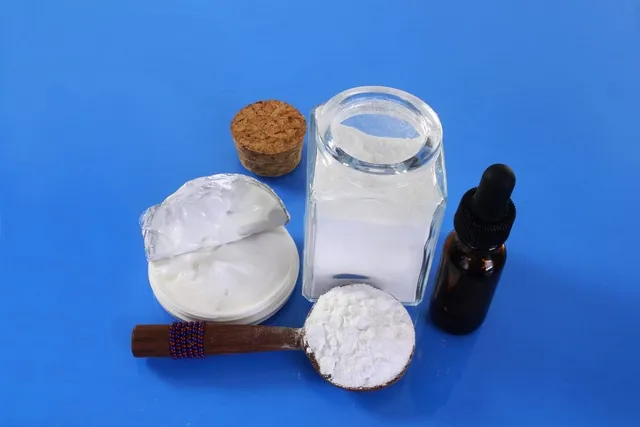
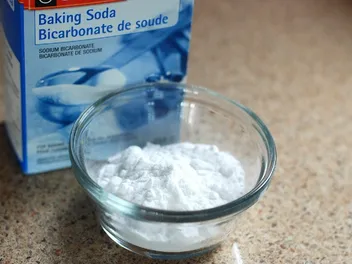
Borax, also known as sodium tetraborate decahydrate, sodium tetraborate, or disodium tetraborate, is a boron compound and the salt of boric acid. Borax has been used in many detergents, cosmetics, enamel glazes, and pesticides.
Boric acid is created by blending boron with other elements in different ways. Borax is one of the most common products. Toxicity of boric products mainly depends on the amount of boron they contain.1
Is Borax Toxic to Cats?
Borax is toxic for cats depending on the amount ingested or inhaled, and it can be harmful to people, too.

The Safety Data Sheet from the American Borate Company, which manufactures and distributes borax in the U.S.A., states that borax is a throat and nose irritant if the powder is inhaled. It’s also a major eye irritant. In animal studies, it’s been shown that it can cause reproductive damage and developmental issues if ingested in high doses.
You should never put borax on your cat’s skin, as cats may inhale it or lick it through grooming. The same may happen if you spill it or intentionally use it on your carpets or floors. It can lead to serious health consequences for your cat, including:
If your cat is showing any of these signs or you’ve recently used borax or boric acid in the house and you believe your cat was exposed to it, call a vet immediately. They may want to put your cat on an IV drip to manage the signs of poisoning, depending on their severity. If your cat is showing no signs at all, they may recommend monitoring them at home if the suspected amount they ingested was very small.
Boric Acid as a Flea Treatment
We’ve already briefly covered that borax and boric acid aren’t safe to use around or on cats, but is boric acid effective as a flea treatment? Boric acid kills flea larvae through ingestion, affecting their exoskeleton and dehydrating their local environment.
It can be sprinkled on carpets and then left for up to 2 days before vacuuming it away. It will kill flea larvae but not eggs, so further treatments might be required. It’s not as effective as a sole flea treatment, and it should be combined with other products, alongside regular vet-approved flea treatment for all the pets in the house.
If you have broken skin while using boric acid, you could end up with local irritation if you get any powder on that area. Breathing in the powder can also be harmful in large amounts, so wearing a mask and gloves is advisable.
Borax and boric acid can bleach your carpets and upholstery if it’s left in contact for too long. If you decide to use EPA-approved boric acid pesticides, make sure you read the instructions carefully and wear a mask, gloves, and protective clothing. Keep your pets out of the treated rooms during the whole process until the area is vacuumed for the final time. Children should also stay away from this area.
In case of any eye irritation, respiratory difficulties, or skin irritation in any member of the family, consult with your doctor immediately. If one of your pets got in contact with the treated area or may have ingested or inhaled the power, contact a veterinarian for advice.

Wrapping It Up
The Pet Poison Helpline suggests only using a product on or around your cat that has been specifically created and labeled as vet-approved and safe to use on cats. Borax and boric acid are not recommended for use on cats, so while you might think that you’re using a “natural” product as a home remedy, you could be putting your cat’s health at risk. Remember to always use EPA-registered pesticides and keep your pets and children out of the treated areas. Wear gloves, a mask, and protective clothing.
If you keep borax or boric acid at home, it’s safest to keep it in a well-sealed container out of reach of cats and children. If you use it to remove fleas from surfaces like carpet, keep your cat well away from the room for as long as possible. Using a vet-approved product for dealing with a flea infestation is far safer and more efficient than using boric acid.
Featured Image Credit: JK Sulit, Shutterstock
Sources
American Borate Company - Safety Data Sheet – Borax Decahydrate
Inorganic Herbicides and Organic Arsenicals Toxic to Animals - Toxicology - MSD Veterinary Manual
Homemade Slime: It’s Squishy, It’s Stretchy, It’s…Toxic? | ASPCA
Borax, Fleas and Misconceptions | Thrasher Termite & Pest Control
Toxicity of boric acid, borax and other boron containing compounds: A review
Expert cat care, straight to your inbox
News, insights, and useful advice, delivered to you.

No spam — unsubscribe anytime.
By signing up, you agree to our Terms & Conditions and Privacy & Cookies Policy.
How useful was this post?
Click a star to rate. You can leave written feedback afterwards. (We read all feedback.)
Christian started writing for a local newspaper as a teenager, and he's been involved in the publishing industry for most of his adult life. Combining his love of writing with a passion for animals, he is currently the Director of Editorial at Pangolia and the Editor-in-Chief at Catster.
Christian lives in the Philippines with his wife, son, and four rescue cats: Trixie, Chloe, Sparky, and Chopper.